
 Worksheets
Y8 Energy revision
Total questions: 102
Worksheet time: 57mins
Sound is produced when an object...
Moves
Makes a noise
Vibrates
Falls
When something vibrates, it passes the vibration to...
its surrounding environment
your ears
your hands
itself
Sound energy travels in...
Longitudinal waves
Transverse waves
When objects vibrate, they create regions of space in which the air particles are bunched together called...
Conductions
Compressions
Rarefactions
Close vibrations
When objects vibrate, they create regions of space in which the air particles are spread out called...
Conductions
Compressions
Rarefactions
Loose vibrations
In a longitudinal wave, the particles move...
In an up and down motion
In the same direction that the wave is moving
True or False:
Sound energy needs a medium (solid, liquid or gas) to travel through.
True
False
True or False:
Sound energy can travel through outer space (a vacuum).
True
False
Reorder the following:
Which medium does sound travel further through, highest to lowest distance.
Solids
Liquids
Gases
Why does sound travel a longer distance through solids?
Because the particles are loosely bonded
Because the particles are spread out
Because the particles are tightly packed together
Why does sound travel the shortest distance through gases?
Because the particles are loosely bonded
Because the particles are spread out
Because the particles are tightly packed together
Which two materials will absorb sound?
Wooden or tiled floors
Cushions/pillows
Fabric curtains
Glass

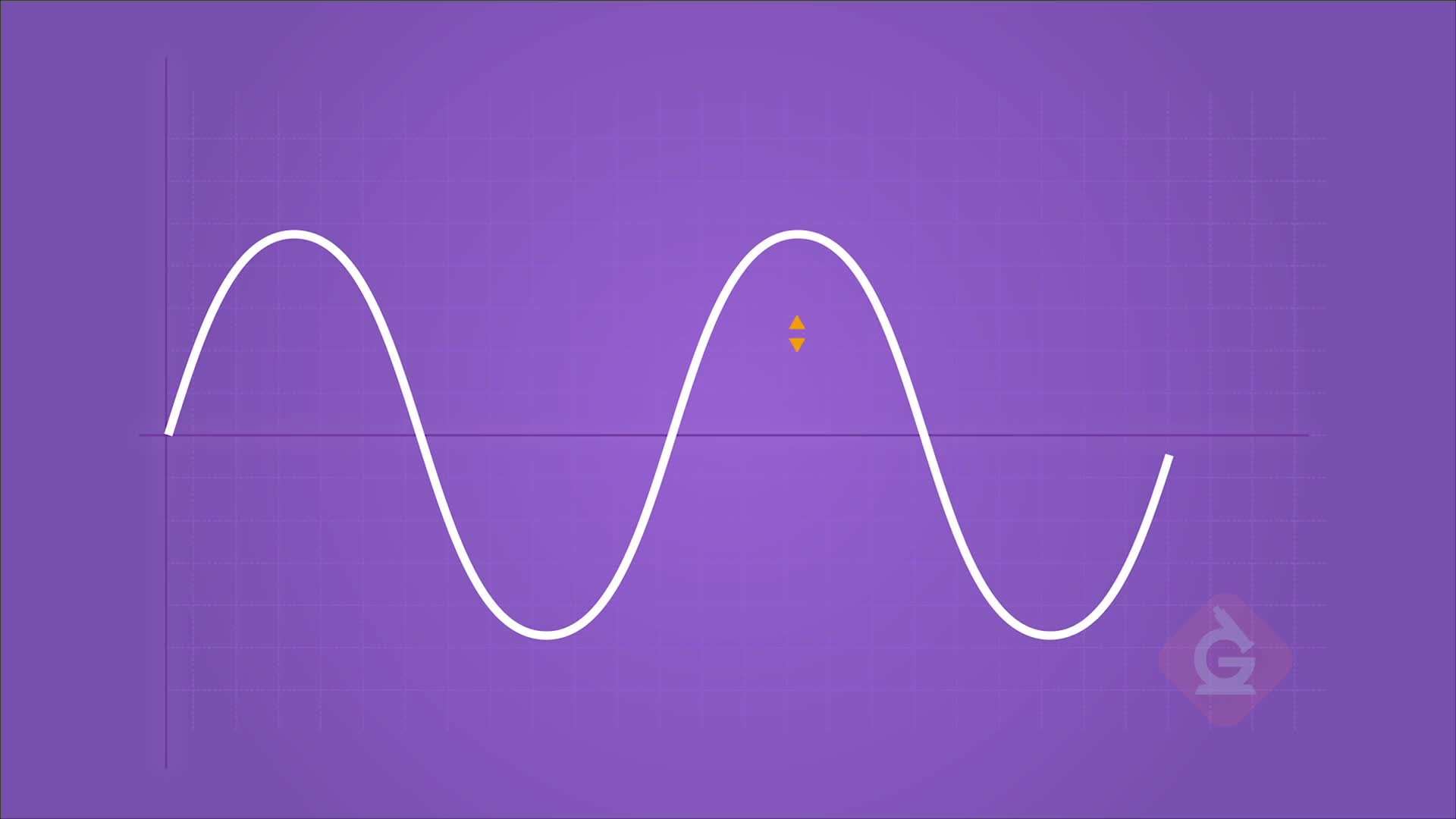
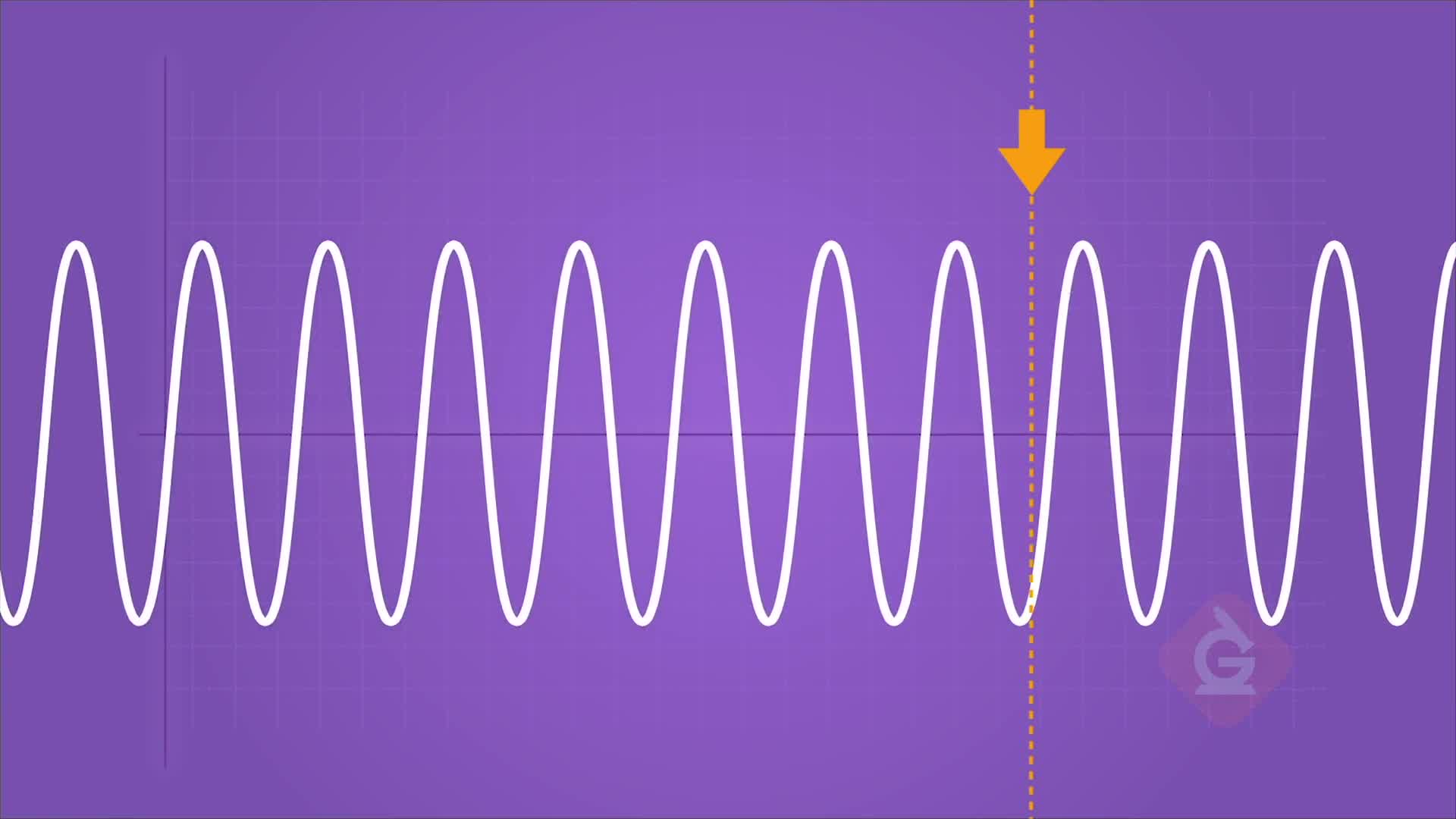
What type of noise would this sound wave make?
Loud noise
Quiet noise
High pitch noise
Low pitch noise

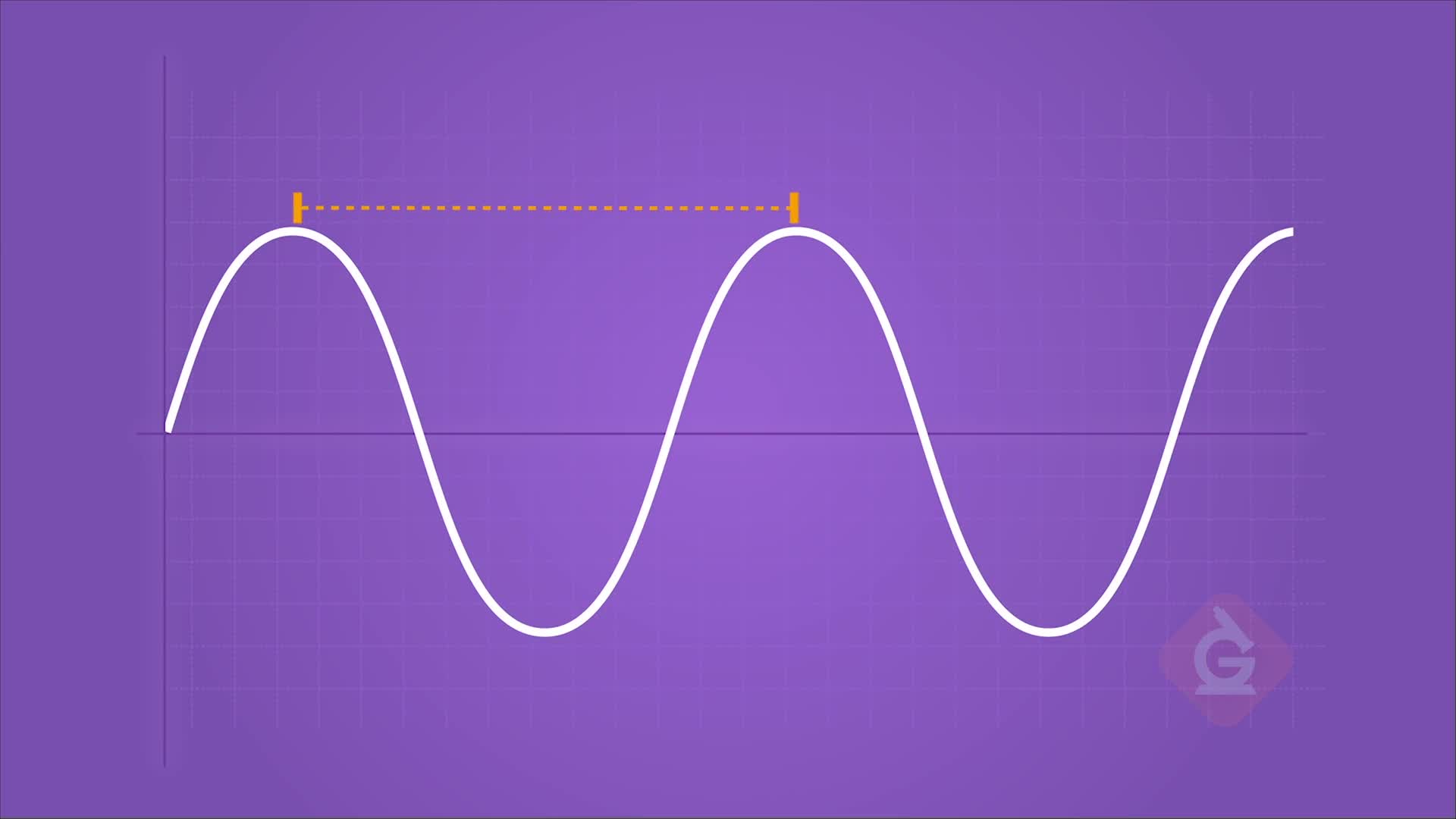
What type of noise would this sound wave make?
Loud noise
Quiet noise
High pitch noise
Low pitch noise

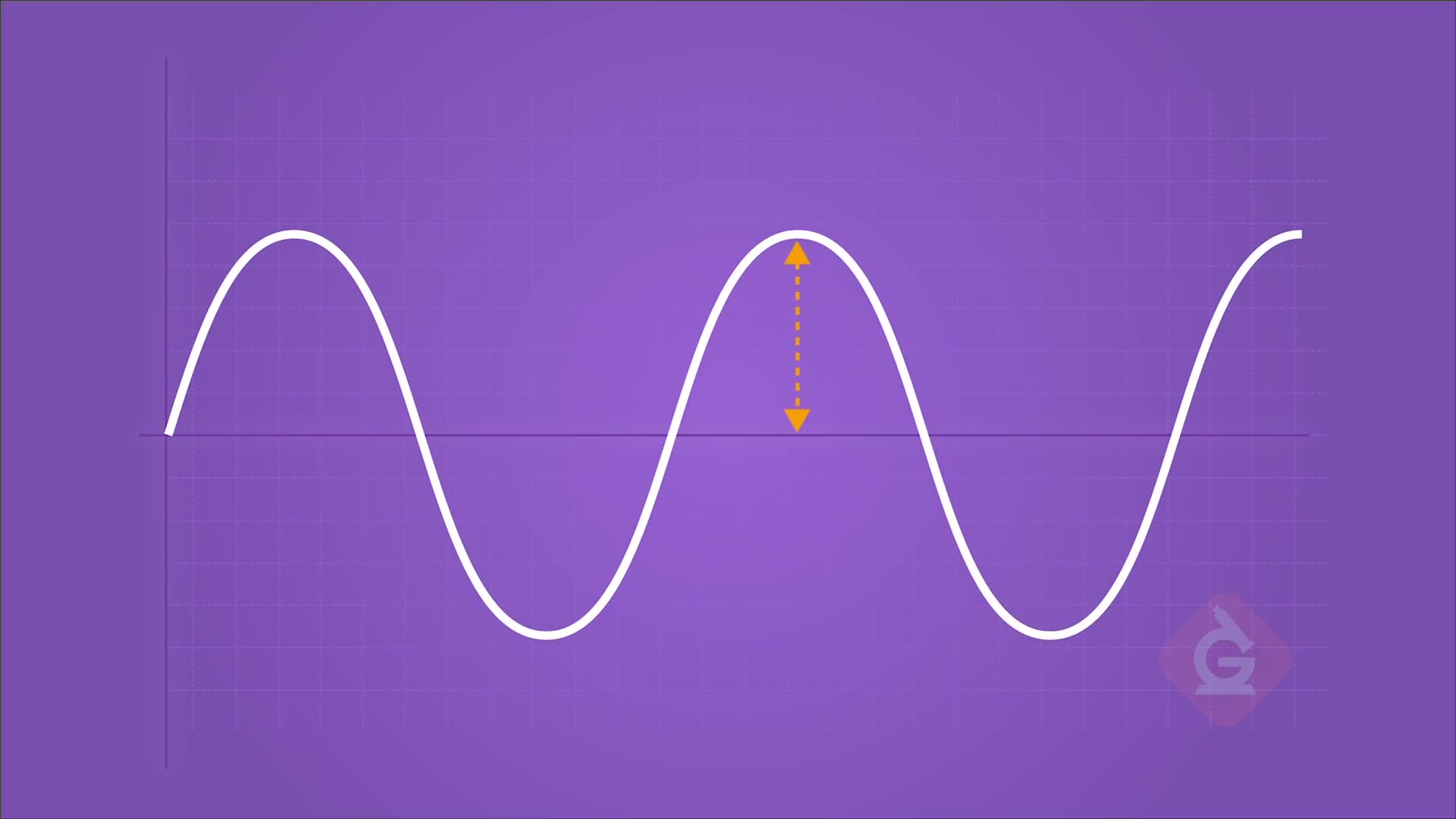
What type of noise would this sound wave make?
Loud noise
Quiet noise
High pitch noise
Low pitch noise
Elephants can hear a range of frequencies lower than our own hearing range called...
Infrasound frequencies
Ultrasound frequencies
Dogs can hear a range of frequencies higher than our own hearing range called...
Infrasound frequencies
Ultrasound frequencies
What is Energy?
The ability to do anything
The ability to cause change or do work
The investigation of nature
A fact of life
What is an example of kinetic energy?
An apple in a tree
A bouncy ball on the table
A car driving on the highway
A stretched out rubber band
What is an example of potential energy?
A bowling ball rolling down a lane
A car parked in a lot
An apple falling from a tree
Sunlight heating up the atmosphere
What is an example of potential energy?
A bowling ball rolling down a lane
A car parked in a lot
An apple falling from a tree
Sunlight heating up the atmosphere
Energy cannot be created or destroyed.
True
False
What is the definition of friction?
A force that resists the sliding of two objects that are touching
A force that increases sliding between two objects
The change from potential to kinetic energy
A transformation from radiant to mechanical energy
Which of the following describes an energy transformation?
When energy is lost due to friction
An electric motor moving a car
A solar panel powering a home
A television projecting a show
What transformation occurs in a toaster?
Electrical to light
Electrical to thermal
Thermal to mechanical
Solar to electrical
What type of energy transformation occurs when a piece of wood burns?
Electrical energy is released as radiant energy
Stored chemical energy is released as thermal energy
Mechanical energy is stored as chemical energy
No transformation occurs
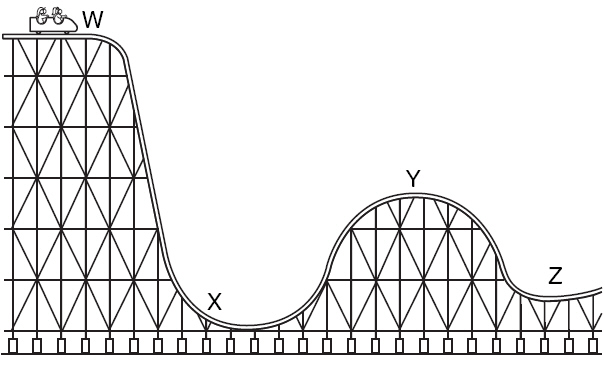
Which of the following is an example of a change of kinetic energy into gravitational potential energy?
Which of the following is an example of a change of kinetic energy into gravitational potential energy?
Which object shows an energy transformation from electrical to mechanical?


What sort of energy transformation is this?
Chemical to Thermal
Thermal to chemical
Kinetic to potential
Open to closed
Energy is (a) and within everything. It is the ability to do (b) and make things (c)
Kinetic energy and potential energy are two types of (a)
______ energy is that associated with movement
kinetic
potential
______ energy is stored energy
Kinetic
Potential
Light
Heat
Define energy...
Energy explains how things get hot or cold.
energy is how people move around the world.
energy is an experience.
Energy is the ability to do work and make things happen.
A penguin pushes a penguin into the water, does this count as work?
Yes
No
Poor penguin
What unit is used to measure energy?
Joules
Watts
Newtons
Celsius
Which form of energy is possessed by a stretched rubber band?
Kinetic
Potential
Thermal
Electrical
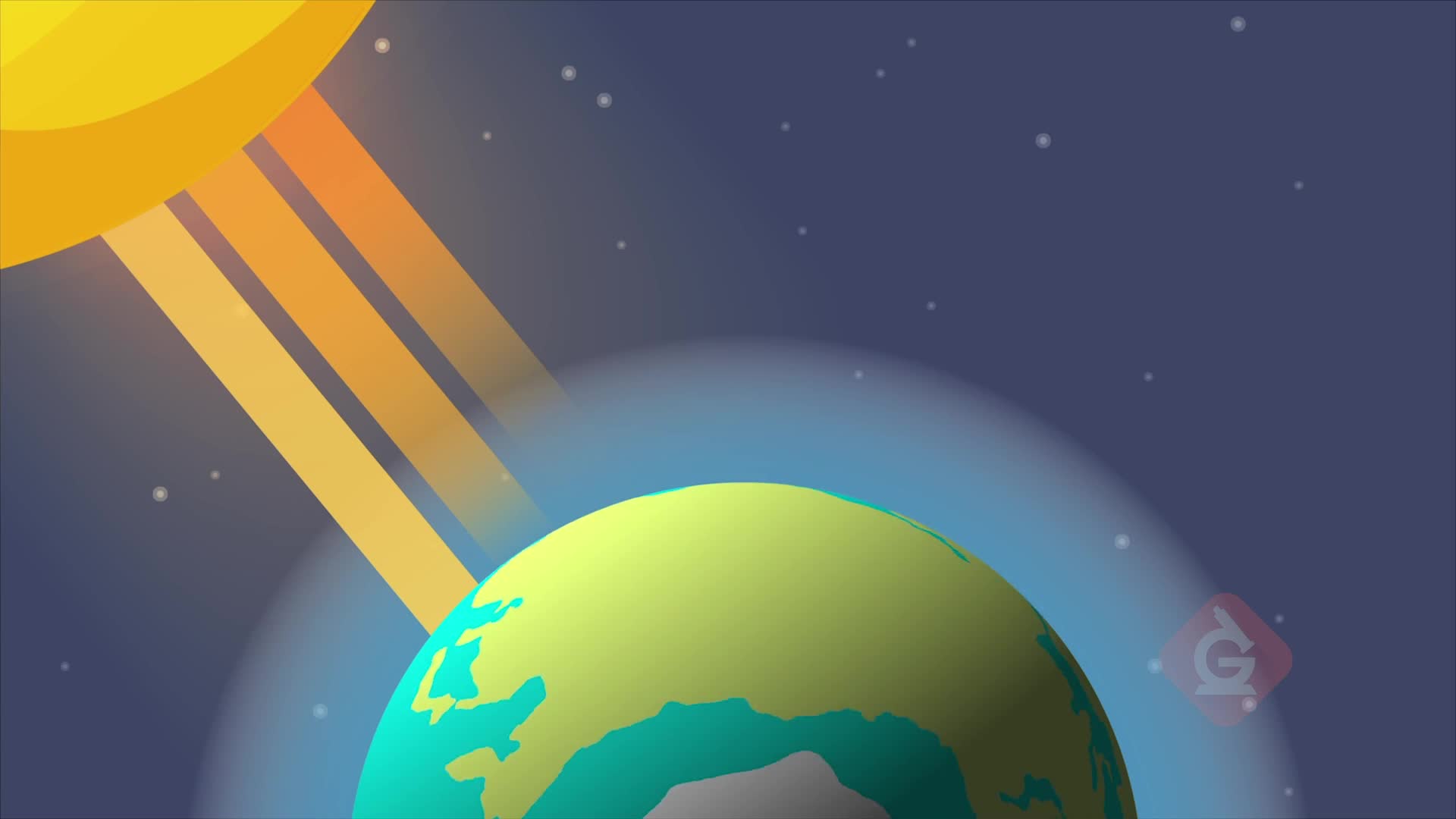
What is the primary source of energy for the Earth's climate system?
Wind energy
Geothermal energy
Solar energy
Nuclear energy
What type of energy conversion occurs in a battery?
Chemical to Electrical
Kinetic to Potential
Thermal to Electrical
Electrical to Mechanical
Which of the following is a renewable source of energy?
Coal
Natural Gas
Solar
Nuclear
What type of energy is primarily used by plants to perform photosynthesis?
Kinetic energy
Thermal energy
Solar energy
Electrical energy
Heat transfer within OR between materials
Key idea: touching
Ex: The spoon is warming up from the pot because they are touching
Conduction
Radiation
Heat
Convection
Heat transfer by movement
Key idea: hot rises, cool fills the space
Ex: The heat goes in a loop within the soup pot
Insulator
Heat conductor
Convection
Temperature
Transfer of heat through
space
Key idea: NO touching
Ex: Sunlight warms earth's surface
Insulator
Radiation
Heat
Convection
Transfer of thermal energy
(heat always moves from hot to cold)
Ex: Hot to Cold
Temperature
Heat Conductor
Conduction
Heat
_Measurement of average kinetic energy (energy of motion)
Ex: The hotter something is, the faster the molecules move
Temperature
Heat
Condcution
Insulator
Material that
slows down the process of heat transfer
Ex: The wool sock
Heat
Insulator
Radiation
Heat Temperature
Material that allows heat to transfer easily
Ex: Metal Spoon
Radiation
Convection
Heat conductor
Temperature
Fill in the blanks.
An iron sheet will _________ when heated and will ________ when left to cool.
expand, contract
contract, expand
gains heat, loses heat
loses heat, gains heat
Fill in the blanks.
Copper has a higher coefficient of thermal expansion than iron. If a copper sheet is heated, it will ________ more than _________.
contract, iron sheet
expand, iron sheet
contract, copper sheet
expand, copper sheet
Which of the following are the three states of substances ?
Liquid
Solid
Vapor
Gas
Substances can change in state when heated. When a solid turns into a liquid, this is called ?
Fusion
Vaporization
Sublimation
Condensation
Efficiency is calculated by useful energy output divided by total energy input, expressed as a percentage
False
True
Solar photovoltaic panels on homes and other building areas create ?
Heat energy
Polaroids
Electrical energy
Heat energy is also called ______ energy.
chemical
electrical
mechanical
thermal




Reflection is when light...
Bends
Bounces
Absorbs
transmits
Refraction is when light...
Bounces
Transmits
Bends
Absorbs
___________ travels in a straight line until something changes its path
Medium
Refract
Reflect
Light

What is happening in this picture?
Reflection
Refraction
An object that allows light to go through ________ light.
Absorbs
Transmits
Reflect
Refract
An object that absorbs light is called a
Refractor
Reflector
Transmitter
Medium
Which of the following best models how light is reflected?
An arrow hitting a target
A ball bouncing off a wall
An apple falling from a tree
A marble rolling down a ramp
Light traveling through the air moves in a straight line. An object viewed through water looks different because light rays that travel through water are –
bent.
bounced.
reflected.
absorbed.

What happens when light hits a shiny or smooth surface?
It disappears.
It is refracted.
It is absorbed.
It is reflected.

What is the angle of incidence?
The angle at which light bends in water.
The angle at which light hits a surface.
The angle at which light is absorbed by an object.
The angle at which light bounces off a surface.

When you look into a mirror, what is happening to the light?
It is increasing in wavelengths.
It is being refracted.
It is being absorbed.
It is being reflected.
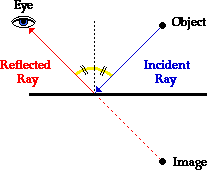
What is the angle of reflection equal to?
The angle of refraction
The angle of incidence
The angle of absorption
The angle of light
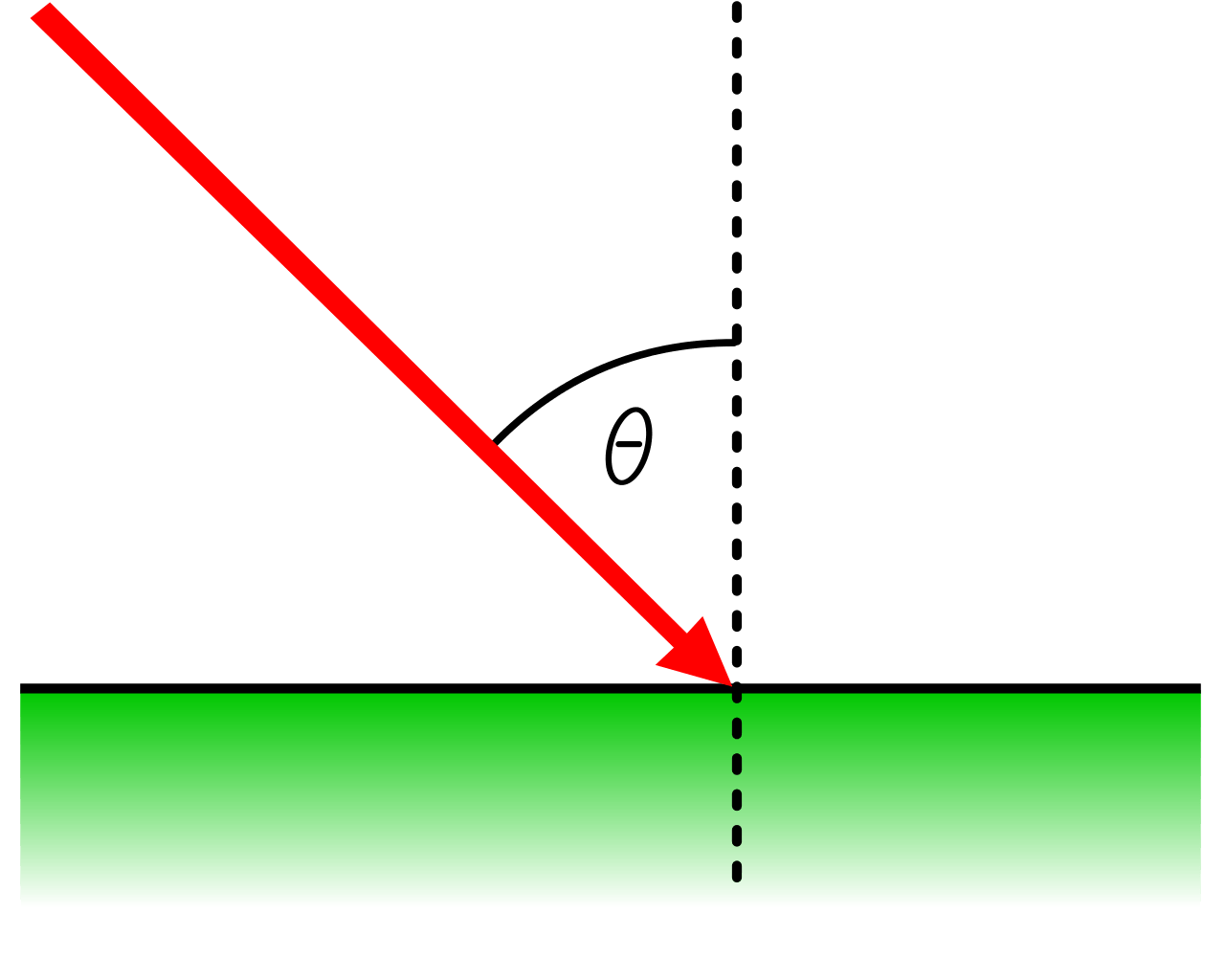
A beam of light bends when it passes from air into water, and more when it passes from water into glass. What can you conclude from this fact?
Air is denser than glass
Water is denser than glass
Glass is denser than water
Air is denser than water

