
Font size
 Worksheets
IS Animal Types and Habitats
Total questions: 87
Worksheet time: 1hrs 5mins
What is a mammal?
An animal that lays eggs
An animal that has fur or hair and feeds milk to its babies
An animal that has scales
Which of the following is a bird?
Frog
Eagle
Snake
What is a reptile?
An animal that lives in water and has gills
An animal with dry, scaly skin that lays eggs
An animal with feathers
What is an amphibian?
An animal that can live both in water and on land
An animal that flies
An animal that only lives in water
What do fish use to breathe?
Lungs
Gills
Wings
What body parts do fish have to help them swim?
Legs
Fins
Arms
How many body parts do insects have?
Two
Three
Four
How many legs do insects have?
Four
Six
Eight
Why do animals need shelter?
To play games
To stay safe and live
To fly
What do animals use their body parts for?
To get what they need to live
To make noise
To change color
What is a herbivore?
An animal that eats only plants
An animal that eats only meat
An animal that eats both plants and meat
What is a carnivore?
An animal that eats only plants
An animal that eats only meat
An animal that eats both plants and meat
Which of the following is a type of mammal?
Lizard
Dolphin
Sparrow
Which of the following is a type of reptile?
Frog
Crocodile
Penguin
Which of the following is a type of amphibian?
Snake
Toad
Eagle
Which of the following is a type of fish?
Shark
Butterfly
Rabbit
Which of the following is a type of insect?
Spider
Ant
Turtle
What do birds use to fly?
Fins
Wings
Gills
What do reptiles use to move?
Wings
Legs or slither
Fins
What do amphibians use to breathe?
Gills and lungs
Only lungs
Only gills
What do fish use to run away from danger in water?
Wings
Fins
Legs
What do insects use to sense their environment?

Antennae
Fins
Wings
What do animals use to find food?
Their eyes and noses
Their shelter
Their color
What do herbivores eat?
Only meat
Only plants
Both plants and meat
What do carnivores eat?
Only plants
Only meat
Both plants and meat
Which of the following is a shelter for a bird?

Nest

Den

Burrow
Which of the following is a shelter for a mammal?

Hive

Den

Pond
Which of the following is a shelter for a fish?

Tree

Coral reef

Cave

Elephant

Zebra

Wolf

Giraffe

Rabbit

Lion


Cheetah

Hyena

Rhinoceros
Drag the label to the feature corresponding to the cow in the picture.
Have fur
Raise the cubs
Feed milk to cubs
Mark all the mammals in the picture.
Which of these animals is a mammal?

Lion

Elephant

Duck

Polar Bear

Rooster
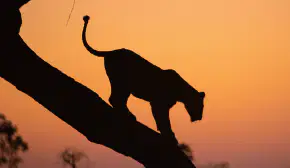
What's this animal?
Mountain lion
Tiger
Lion
Hyena
______ help mountain lions move fast to get food. _____ help them catch their food.
_____ help birds fly to find food.
Their _____ help them eat food.

Dolphins are (a) that live in the (b) . They have (c) .
What is a habitat?
A type of food
A place where an animal lives
A kind of weather
A type of plant
What is a grassland habitat?
A wet area with lots of water
A dry area covered with a lot of grass
A place with many rocks
A snowy area
Why do prairie dogs live underground?
To find food
To stay warm
To hide and stay safe from predators
To play with other animals
What is an adaptation?
A type of food
A place to sleep
A body part or behavior that helps an animal survive
A kind of weather
Why is a giraffe's long neck an adaptation?
It helps them run fast
It helps them eat leaves from tall trees and see predators
It helps them swim
It helps them dig holes
What is a forest habitat?
A place with many tall trees
A place with lots of water
A place with many rocks
A snowy area
How do deer adapt to forest life?
They have long necks
They have good hearing, eyesight, and a strong sense of smell
They can swim well
They have sharp claws
What adaptation helps raccoons find food and safety in forests?
Long necks
Sharp claws for climbing trees
Strong legs for running
Thick fur for warmth
Why is a forest a good place for animals to live?
It has a lot of water
It provides food, shelter, and safety
It is very hot
It has no predators
What can you find on the forest floor?
Tall trees
Smaller plants
Snow
Sand

What kind of habitat does this plant live in?
forest
river
desert
rainforest
What is a lake habitat?
A body of water surrounded by land, usually with salty water.
A body of water surrounded by land, usually with fresh water.
A large, deep body of water filled with salty water.
What type of water is most commonly found in lakes?
Salt water
Fresh water
Ocean water
What is an ocean habitat?
A small, shallow body of water with fresh water.
A large, deep body of water filled with salty water.
A body of water surrounded by land.
Which of the following is an adaptation of fish in the ocean?
Thick skin
Fins and tails
White fur
How do whales stay warm in cold ocean water?
By having fins and tails
By having thick skin
By having white fur
What do some ocean animals, like whales, eat?
Small fish
Grass
Insects
What adaptation helps the Arctic Fox blend into its surroundings?
Thick skin
White fur
Fins and tails
How does the Arctic Fox locate small animals under the snow?
By using its excellent hearing
By using its fins and tails
By using its thick skin
Which of the following is NOT a characteristic of ocean habitats?
They are Earth's largest habitats.
They are filled with fresh water.
They support a wide variety of life.
Which of the following animals is adapted to live in the Arctic?
Fish
Arctic Fox
Whale
What is the first stage in the life cycle of a bird?
Adult bird
Egg
Chick
Nestling
What does hatch mean?
The egg turns into a flower
The bird breaks out of the egg
The egg becomes a rock
The egg disappears
What is the first stage in the life cycle of a frog?
Froglet
Adult frog
Egg
Tadpole
What do tadpoles use to breathe underwater?
Lungs
Gills
Wings
Fins
What is the next stage after egg in a frog's life cycle?
Egg
Tadpole
Adult frog
Bird
How do adult frogs breathe on land?
Through their gills
Through their lungs
Through their fins
Through their wings
What is the final stage in the life cycle of a frog?
Egg
Tadpole
Froglet
Adult frog
Which stage in a bird's life cycle is able to fly?
Egg
Chick
Nestling
Adult bird
What is the main purpose of gills in tadpoles?
To help them jump
To help them breathe underwater
To help them fly
To help them sing
What do adult frogs eat?
Leaves
Insects
Flowers
Stones
What is the main function of lungs in adult frogs?
To help them swim
To help them breathe on land
To help them fly
To help them eat
What do birds need to do before they can fly?
Grow wings
Grow fins
Grow gills
Grow a tail
What is the main habitat of tadpoles?
Trees
Water
Air
Underground
What is the main difference between a froglet and an adult frog?
Froglets have tails
Adult frogs have gills
Froglets can fly
Adult frogs have wings
What is the main transition that occurs when a frog moves from water to land?
It learns to fly
It starts using lungs to breathe
It grows gills
It starts swimming
Why do plants and animals live together?
Because they like each other
Because they depend on each other for survival
Because they share the same color
How do plants help animals?
By providing food and shelter
By making loud noises
By running fast
Which animal uses tree trunks as shelter?
Bees
Skunks
Frogs
How do animals like bees help plants?
By eating their leaves
By carrying pollen from flower to flower
By making webs
What is a food chain?
A list of animals
A sequence showing how living things get their food and energy
A type of plant
What role does the Sun play in a food chain?
It provides energy for plants to grow
It makes the sky blue
It helps animals sleep
What happens to living things when their habitat changes?
They become happier
Many may not survive, leading to disruptions in the ecosystem
They start singing
What is an example of a natural event that can change a habitat?
Planting more trees
Lightning causing forest fires
Building new houses
What might happen to animals if their habitat changes?
They might move to new habitats or die
They will become invisible
They will start flying
What is an example of an extinct animal due to habitat change?
Elephants
Woolly mammoths
Lions
What do plants provide for animals besides food?
Water
Shelter
Toys
Which of the following is at the top of the food chain in the example given?
Frogs
Insects
Humans
What is the first step in the basic example of a food chain?
Frogs are eaten by owls
The Sun provides energy for plants
Insects are eaten by frogs
How do spiders use plants?
To eat them
To hold up their webs
To make noise
What can cause habitat changes besides natural events?
Human activities like cutting down trees or polluting water
Animals sleeping
Plants growing

