
 Worksheets
Ecology Part 2
Total questions: 39
Worksheet time: 45mins

Breaking News! A new island has formed off of Hawaii! What must occur for it to become an ecosystem?
Secondary Succession
Aquatic succession
Primary Succession
Ferns must grow
Which would result in primary succession?
volcano destroying habitat leaving only soil and ash
Tornado destroying a crop leaving very little soil
Glacier retreating exposing bare rock
limiting factors
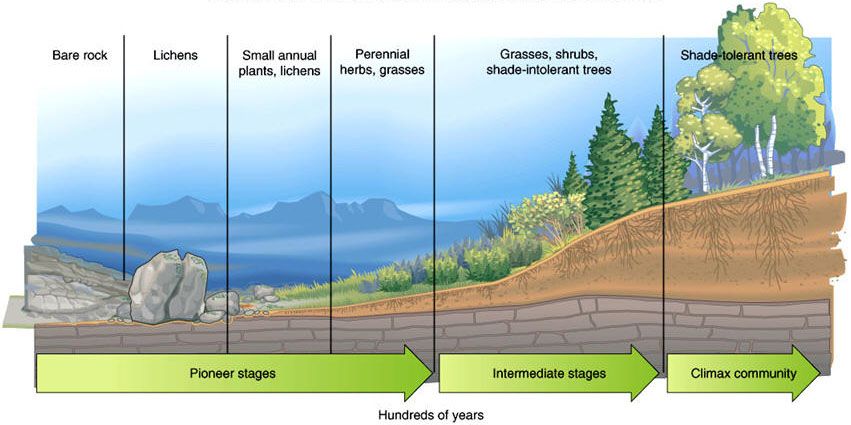
The picture shows what type of succession?
primary
secondary
tertiary
quadanary
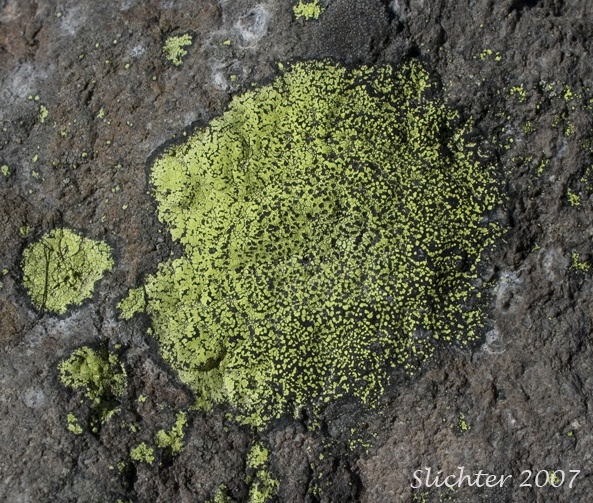
After a volcanic eruption, lava covers the land. What is the order that plants grow to repopulate the area?
Lichens → Shrubs → Grasses → Trees
Lichens → tree → shrubs→Grasses
Grasses → Lichens → Shrubs → Trees
Lichens → Grasses → Shrubs → Trees

What part of the water cycle does this picture show?
condensation
precipitation
evaporation
transpiration

Is precipitation any form of water that falls back to earth?
Yes
No

When water changes from a liquid to a gas in plants it is called...
condensation.
evaporation.
sublimation.
transpiration.
As a part of the water cycle, water from Earth's surface enters the clouds and finally falls back to the ground in the form of rain. What is the correct sequence of processes water undergoes in this example?
Evaporation, Condensation, Precipitation
Precipitation, Condensation, Evaporation
Condensation, Evaporation, Precipitation
Evaporation, Precipitation, Condensation
What converts nitrogen gas into a usable form for plants and animals?
bacteria
rain
fungi
car exhaust
The process in which nitrogen circulates and is recycled is called
The nitrogen cycle
The carbon cycle
The water cycle
The phosphorus cycle
How is nitrogen "fixed" into a usable form for plants?
Through action of bacteria only
Through lightning only
Through action of bacteria and lightning
Through photosynthesis
How do animals get the nitrogen they need?
From the air they breathe
From the water they drink
From the food they eat
From the sun
What is the process of combining nitrogen gas with other elements to make nitrogen into usable compounds?
nitrogen composition
nitrogen fixation
ammonia
denitrification
What is the formula for atmospheric nitrogen?
N
N2
NH3
NO3
What process occurs when dead plant and animal matter decomposes and nitrogen is released back into the atmosphere?
Assimilation
Fixation
Ammonification
Denitrification
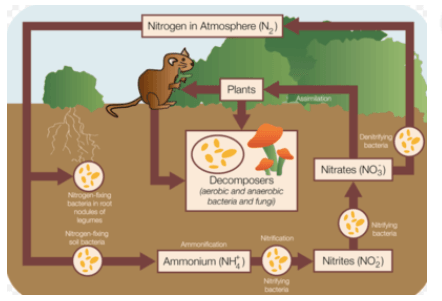
A correct path that nitrogen could take would be
air -> animals -> plants -> bacteria
animals -> air -> bacteria -> plants
bacteria -> air -> plants -> animals
air -> bacteria -> plants -> animals
Organisms that do not decompose naturally can be buried and become what?
oxygen
nutrients
calcium carbonates
fossil fuels
If the plant population decreased, the amount of carbon dioxide in the atmosphere would _________.
Stay the same
Increase
Decrease
How does the human body return carbon to the atmosphere in the carbon cycle?
Waste products
Photosynthesis
Cellular respiration
Formation of glucose
What kind of organism takes out the most carbon from the atmosphere?
Plants
Bacteria
Animals
Humans
What is the original, and biggest reservoir of phosphorus on the planet?
live plants and animals
groundwater
the atmosphere
rocks
Carbon is cycled on a global scale. Why does phosphorus cycling tend to occur more locally?
it primarily involves the weathering of rocks, which are mostly stationary
it only involves land animals that cannot swim across oceans to transport the nutrient
it occurs in areas where cloud formation is low, so it rarely gets trapped in water vapors
all of the answers are correct
water runoff
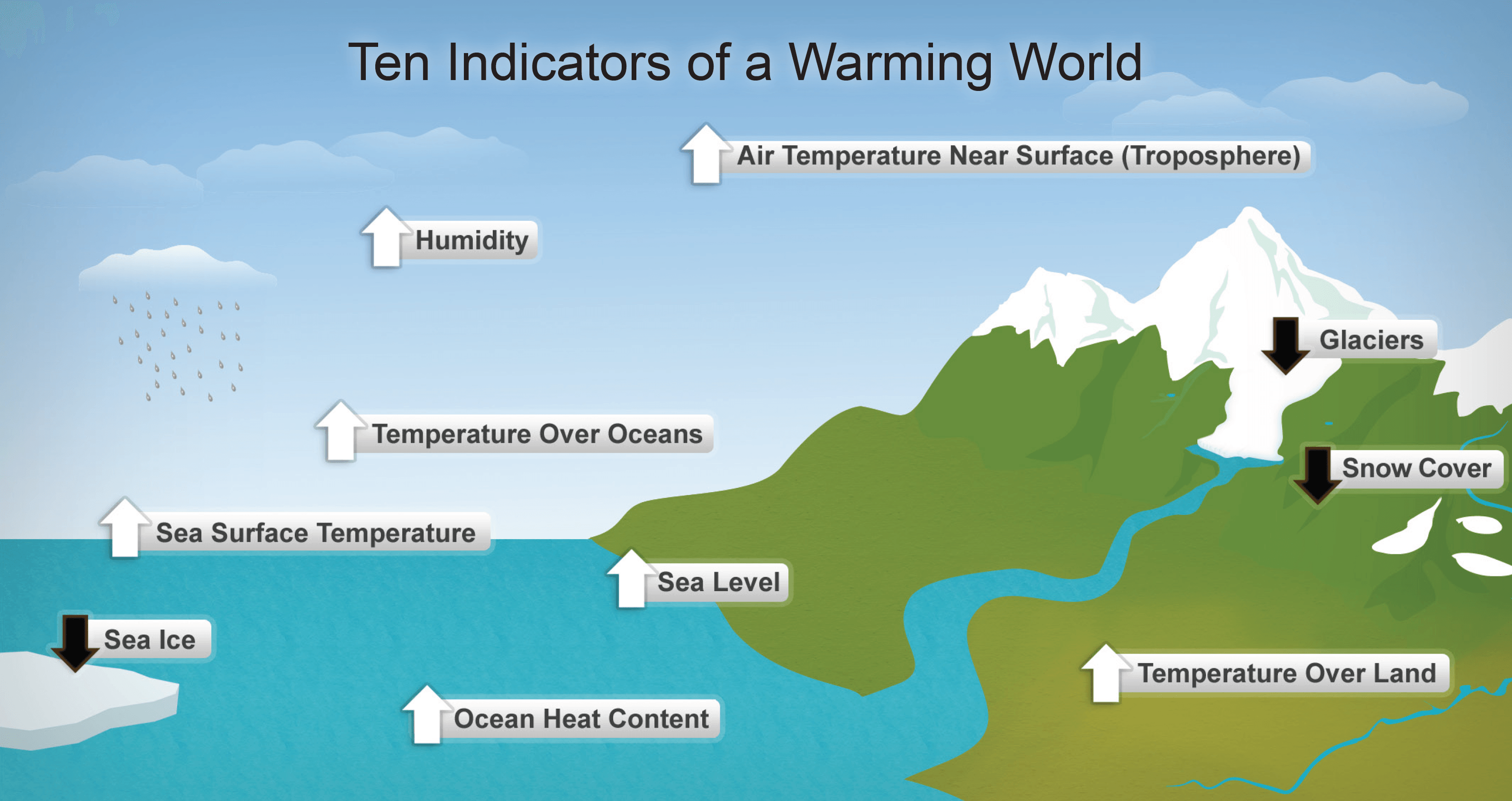
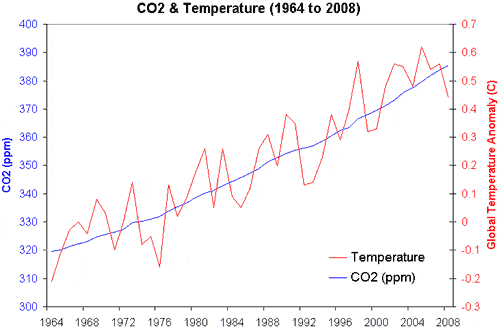
The graph below shows CO2 emissions and temperatures from 1909 to 1949. What conclusion is best supported by the graph?
There is no relationship between carbon dioxide concentrations and temperatures
As carbon dioxide concentrations increase, temperatures increase
As carbon dioxide concentrations increase, temperatures decrease
As carbon dioxide concentrations decrease, temperatures increase

