
 Worksheets
P6 semester 1 assessment review 1
Total questions: 73
Worksheet time: 53mins
Wool is a popular material for making clothes because it is _______
A : warm B : strong C : absorbent D : stretchable
(1) A only
(2) A, C, and D only
(3) A and B only
(4) A, B, C, and D
Stainless steel is commonly used to make pots and pans because ______
A : it is light and waterproof
B : it does not rust
C : it is a good conductor of heat
D : it is durable and does not melt at temperatures used for cooking
(1) A and B only
(2) A,B, and C only
(3) B and C only
(4) A, B, C, and D

The skull and crossbones is a classic
warning sign, but can you name the
type of danger?
(1) general danger from chemicals
(2) flammable materials
(3) toxic or poisonous materials
(4) dangerous to eat/drink, but
otherwise safe

This symbol commonly is found in
chemistry labs and on trucks carrying
hazardous materials. What does it
mean?
(1) acid, touching it will lead to what you see in the picture
(2) harmful to living tissue, touching it is a bad plan
(3) dangerous liquid, don't touch
(4) corrosive, no touchy-touchy
Transparent and brittle
Metal
Sponge
Glass
Plastic
Shiny and conducts electricity
Meetal
Polythene
Rubber
Metal
Dull and an electrical insulator
Iron
Glass
Wood
Paper

Which material would work best for a sports bottle?
fabric
paper
glass
plastic
Metals are sonorous in nature. What is sonorous?
Making into powder
Drawn into wires
Make sound on beating
None of these
Able to be drawn into wire is
malleable
insulator
lustre
ductile

Which are the correct properties of plastic?
Corrosive, waterproof, lightweight, cheap
Corrosive, waterproof, lightweight, expensive
Unreactive, waterproof, lightweight, cheap
Unreactive, waterproof, lightweight, expensive
At room temperature most ______________ are solid.
Metals
Non-metals
Elements Aluminum, Silver, and Platinum are listed under this group
metals
metalloids
non-metals
physical change
Which of these elements are a Non-Metal?
Copper
Gold
Oxygen
Non-Metals generally have ____ boiling points.
High
Low
Most metals are solid at room temperature
False
True
What metal has magnetic properties?
cobalt
nickel
iron
All of the above
Charcoal powder is insoluble in water. When water is filtered, the charcoal powder becomes the _______.
solute
residue
filtrate
solvent

Which of the following techniques is used to separate the components of a solution?
filtration
decantation
evaporation
physical manipulation
To separate a mixture of salt and water what separation method is used?
Filtration
Distillation
Chromatography
Evaporation to dryness
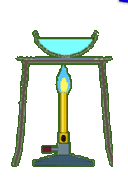
________ separates the insoluble solids from a liquid in a mixture using a filter.
Decantation
Sifting
Magnet attraction
Filtration
Which of the following mixture will be used for the evaporation separation technique?
Beans and cereals
Flour and pepper corns
Iron filings and sand
Water and salt
What mixtures we must use if we use the magnet attraction separation technique?
Iron filings and flour
Magnet and metal paper clips
Magnet and pins
All of the above
used to separate magnetic materials from nonmagnetic materials.
MAGNETIC SEPARATION
MANUAL PICKING
DECANTATION
SIEVING
FILTERING
When a mixture of sand and water is filtered:
the sand stays behind in the filter paper is called the....
filter paper
filtrate
residue
solution
When a mixture of sand and water is filtered: the water passes through the filter paper
filtrate
residue
solution
sand
Which piece of equipment is used in filtration
filter funnel
beaker
filter paper
all of the above

The part of the mixture that passes through the filter paper is called the
residue
filtrate
suspension
mixture

I am left behind in the filter paper. What Am I?
Filtrate
Solution
Residue
Mixture

What does this symbol mean?
Toxic
Flammable
Explosive
Toxic

What does this symbol mean?
danger to the environment
Toxic
Health hazard
Flammable

What does this symbol mean?
Explosive
Flammable
Oxidising
Toxic

What does this symbol mean?
Irritant
Pressurised
Flammable
Oxidising

What does this symbol mean?
Pressurised
Oxidising
Irritant
Corrosive

What does this symbol mean?
Hazard to health
Toxic
Irritant
Explosive

What does this symbol mean?
(a)
What color does blue litmus paper turn when dipped into an acidic solution?
Blue
Green
Red
Yellow
Which of the following is a natural pH indicator?
Methyl orange
Litmus
Red cabbage juice
Phenolphthalein
What is a characteristic of alkalis in terms of touch?
They feel oily
They feel slippery
They feel rough
They feel sticky
Which of the following is a characteristic property of acids?
Bitter taste
Conduct electricity
Feel slippery
Turn blue litmus paper red
Complete the word equation below:
Acid + alkali --> ............... + water
water
salt
gold
metal
.............................. + sodium hydroxide --> sodium chloride + water
Nitric acid
Sulphuric acid
Hydrochloric acid
Ethanoic acid
What colour is Universal indicator when the solution is neutral?
Red
Green
Blue
Purple
The pH scale is a range from:
1-7
0-14
1-20
What is the substance with a neutral pH of 7?
Milk
Water
Orange Juice
Blood
Which substance is acid?
Ammonia
Toothpaste
Vinegar
Soap
Which substance is alkali?
Toothpaste
Lemon juice
Vinegar
Soft drink
Alkalis feel...
Rough
Soapy
Granulated
Smooth
What colour does red litmus paper turn when added to an alkali?
Blue
Red
Green
Colourless
Complete the word equation below:
Acid + alkali --> ............... + water
water
salt
gold
metal
Alkalis turn litmus paper _______, while acids turn litmus paper _______.
(a)
Is it acid or alkali when the pH is 4 pH
Acid
Alkali
Neutral
Which of the following will change the red litmus paper to blue?
Sodium hydroxide
Hydrochloric acid
Sulphuric acid
Nitric acid
Hydrochloric acid + Sodium hyroxide → ____________ + Water
Sodium sulphate
Sodium chloride
Sodium nitrate
Nitric acid + __________ → Sodium nitrate + Water
Aluminium oxide
Magnesium hydroxide
Sodium hydroxide
Which pH levels indicated a strong acid?
1-3
4-6
8-11
12-14
Which pH level indicates a weak acid?
1-3
4-6
8-11
12-14
Which pH level indicates a strong alkali?
1-3
4-6
8-11
12-14


An experiment released a colourless gas which rekindles glowing wooden splinter. The gas released is........
Carbon dioxide
Hydrogen
Nitrogen
Oxygen
A reaction between solution A and substance B produce a colourless gas. The gas release turns the lime water into cloudy. The gas is ........
nitrogen dioxide
carbon monoxide
sulphur dioxide
carbon dioxide
Acid react with metal to form
salt+ carbon dioxide
salt + hydrogen
Salt + Water
Salt + metal oxide
After heating salt X, a gas produced and lime water turn cloudy. What is maybe gas the salt X release?
Carbon dioxide gas
Oxygen gas
Hydrogen gas
Chlorine gas
What is the correct observation when a glowing wooden splinter is held at the entrance of a tube of pure oxygen gas?
A 'squeaky pop' sound can be heard
The glowing woonden splinter will relights
The glowing wooden splinter is immediately extinguished.
Use the clue to identify the mystery gas:
When a lighted wooden splinter is placed near the opening of a test tube containing the gas, a popping sound is heard.
Carbon dioxide
Chlorine
Hydrogen
Oxygen
Which of the following statements is correct for the test of carbon dioxide?
it changes limewater from milky to colourless
it changes limewater from colourless to pink
it changes limewater from colourless to milky
Which of the following statements is correct for the test of hydrogen gas?
It relights a glowing wooden splinter
It gives a pop sound with a glowing wooden splinter
It gives a pop sound with a lighted wooden splinter
A factor that is changed in an experiment is known as
Dependent factor
Independent factor
Controlled factor
Observation
The dependent variable in an experiment is
the factor that is changed in an experiment
factor that must be kept constant in an expereiment
the factor that is measured in an experiment

