
Font size
 Worksheets
Extended Assessment (BPBIO) Chapters 8-10
Total questions: 200
Worksheet time: 5hrs 0mins
Enzymes can be referred to as
biological catalysts
co-factors
intermediate catalysts
substrate
Select the correct options.
Cell metabolism:
includes all reactions in a cell
regulates cellular energy
exists through metabolic pathways
serves to increase energy release through fewer steps
Select the correct options.
Products from a metabolic pathway may be reduced by
a shortage of co-factors
an increase in enzymes
the addition of complementary inhibitors
increasing pH above optimal levels
reducing reactants
Enzymes and substrates that match are described as
matching
equal
complementary
reciprocal

Select the correct options.
The x-axis of this graph could be
pH
Enzymes
Temp
CO2

Which part of the graph displays the denaturing of an enzyme?
A
B
C
D

Which of the following graphs represents the effect of pH on rate of reaction?
A
A and B
C
B and D
D
Substrates bind to an enzyme at its
reactive site
active site
active area
active zone
Which of the following graphs best represents increasing CO2 concentration for photosynthesis?
A
A and B
C
B and D
D
A substrate and inhibitor molecule share the same shape. The type of inhibition that would occur is
competitive
contention
non-competitive
co-relative
Select the correct options.
In non-competitive inhibition,
the inhibitor binds to the active site
the inhibiter binds to the allosteric site
the enzyme active site changes shape
substrate shape changes shape to prevent binding
no reaction takes place
Energy released in one metabolic pathway that is used in another metabolic pathway is called
energy combination
energy integration
energy saving
energy coupling

anabolic reaction
catabolic reaction

anabolic reaction
catabolic reaction

anabolic reaction
catabolic reaction
It is structureless and highly viscous
Nucleus
Cytoplasm
Mitochondria
Ribosome
The chemical processes that occur within a living organism in order to maintain life
Metabolism
Photosynthesis
Reaction
Synthesis
What are the most basic living building blocks of all organisms?
bones
cells
muscles
organs
Identify the characteristic: the process in which organisms keep their internal body conditions balanced. Ex. Temperature, oxygen, water, and pH levels
Homeostasis
Hypothesis
Observation
Qualitative
plants
animals
Which of the following is found inside a prokaryotic cell?
What kinds of organisms contain prokaryotic cells?
Fungi
Animals
Plants
Bacteria
Tough, rigid structure that protects and supports a plant cell.
Cytoplasm
Cell wall
Nucleus
Mitochondria
Structure that stores food, water, and sometimes waste and enzymes and is enlarged in plant cells.
Vacuole
Centriole
Lysosome
Nucleus
Green structure found in plant cells that is used to convert sunlight energy into glucose.
Vacuole
Chloroplast
Lysosome
Golgi apparatus
Structure found within the nucleus that functions to make ribosomes.
Nucleolus
Cell membrane
Lysosome
Chloroplast

Identify the characteristic: when a baby kitten becomes an adult cat, this is an example of...
Identify the characteristic: Green plants produce their own food through the process of photosynthesis.
All living things use energy
All living things contain cells
All living things maintain homeostasis
All living things grow


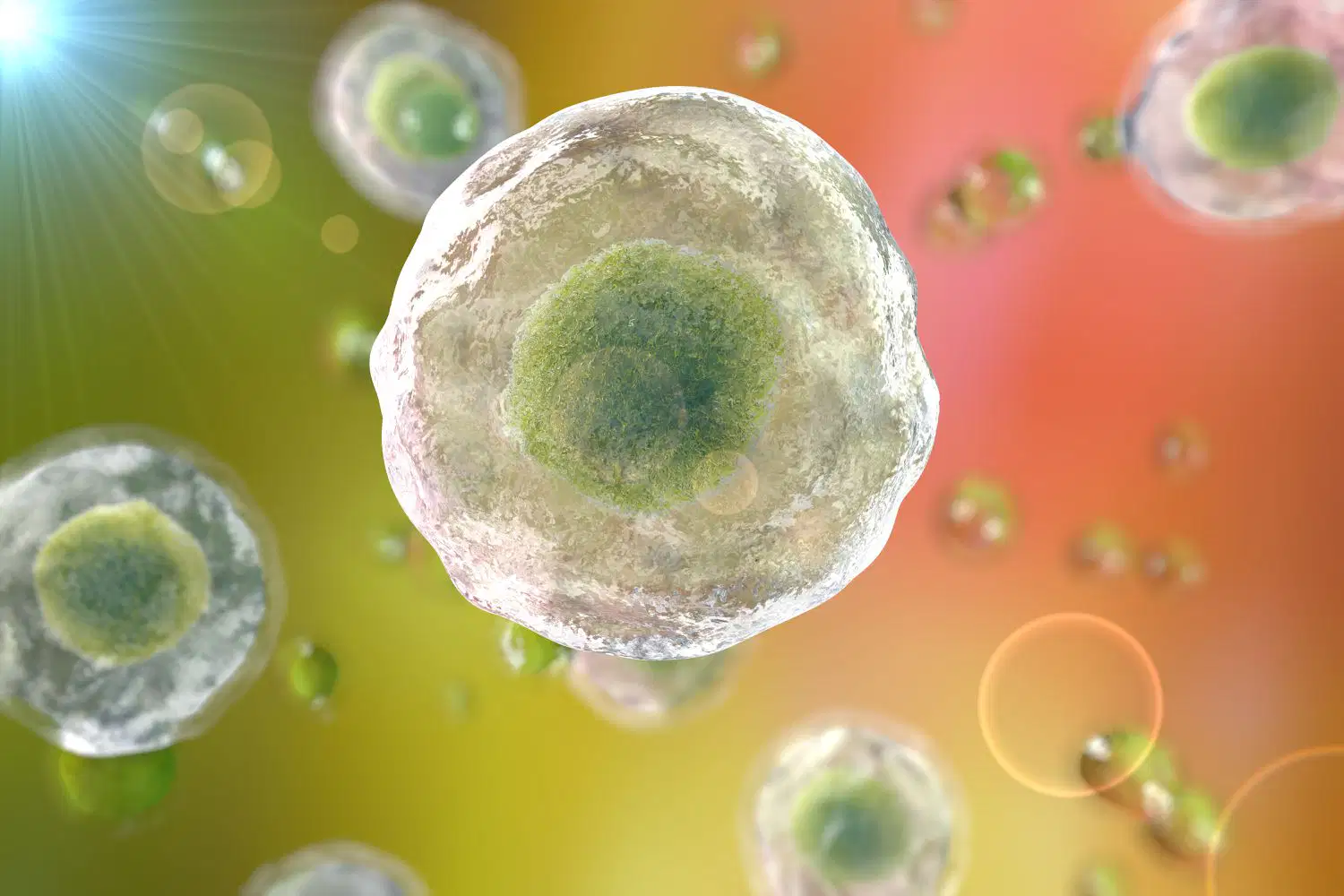
Which organelle controls what goes in and out of the cell?
nucleus
nucleolus
cell membrane
nuclear membrane
Proteins are produced at this organelle.
golgi body
ribosome
cytoskeleton
cilia
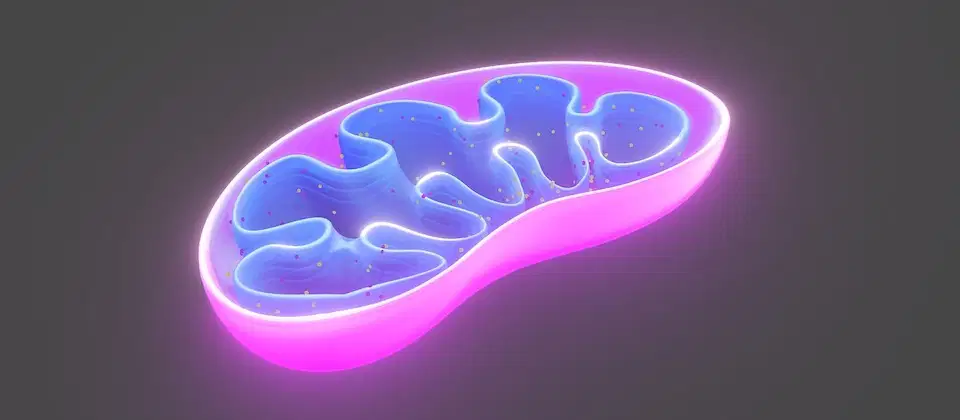
This organelle makes ATP, the energy of the cell.
chloroplast
mitochondria
ribosome
nucleolus
Metabolism is
all the chemical reactions that occur in the planet.
all the chemical reactions that occur in the cell.
all the chemical reactions that occur in bacteria.
all the chemical reactions that occur in plants.
Metabolism is divided into
anabolism and botulism
catabolism and cannibalism
catabolism and anabolism
catabolites and metabolites
One example of a metabolic reaction is
photosynthesis
nuclear fusion
hydrogen bonds
covalent bonds
It surrounds the plasma membrane in plants
the cytoskeleton
the lipid bilayer
the cell membrane
the cell wall
Cell walls are made of
glycogen
cellulose
glucose
fructose
Vacuoles exist in
animal cells
plant cells
both types of cells
neither types of cells
It is the largest organelle in the cell:
the nucleus
the endoplasmic reticulum
the plasma membrane
the centrioles
It receives proteins and lipids from the rough ER, modifies them and concentrate them in vesicles.
nucleus
Golgi body
lysosome
vacuole
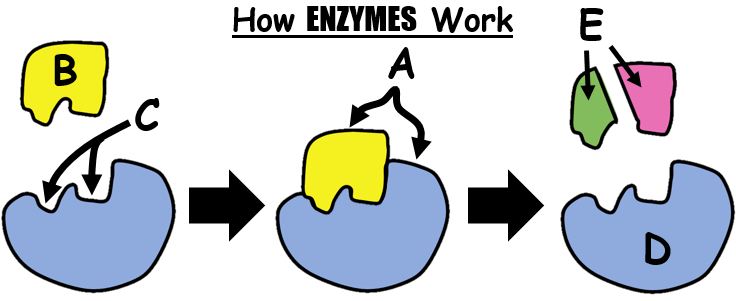
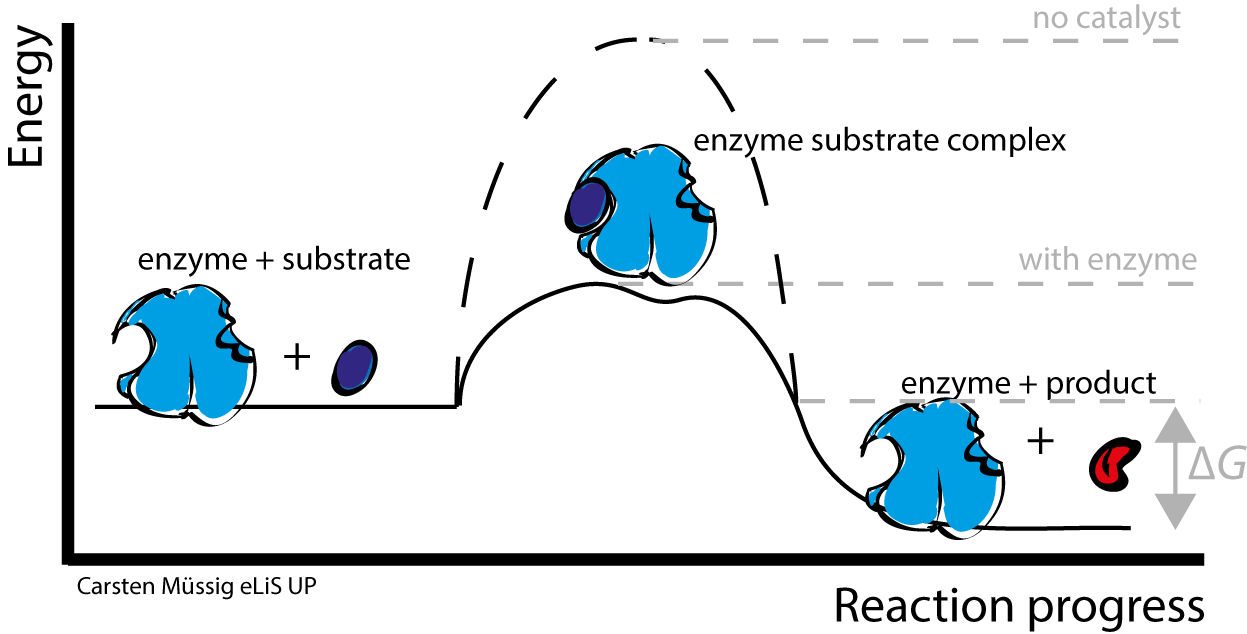
Enzymes are found in
our cells
animals
plants
all of the options are correct
There are many different types of enzymes.
True
False
Enzymes are specific for a specific substrate.
True
False
If the temperature of the environment is not correct the enzyme may not work.
True
False
How does a catalyst work in speeding up a reaction?
By lowering the activation energy or reaction
by giving them more energy
by making them more available
The minimum amount of energy needed for colliding particles to react is called the
Chemical Energy
Kinetic Energy
Activation Energy
Potential Energy
Enzymes are special types of:
catalysts
proteins
organelles
both catalysts and proteins
all of the above
Enzymes change the ______ of a chemical reaction.
type
rate
reactants
product
Which of the following pH levels will most likely NOT affect enzyme activity?
2 (very low)
3
7
12
14 (very high)


What is water's role in photosynthesis?
To create a liquid solute for oxygen to be made.
To provide electrons and hydrogen, to energize ATP and NADPH.
To help plants with gas exchange, such as diffusion of CO2.
To hydrate plants and removes harmful waste products.
How does most of the water needed by the plant get into its leaves?
It enters through the stomata
The roots absorb it and then it travels up the stem
It's made during a chemical reaction in the leaf
The flowers capture water and deliver it to the leaves


In what organelle does photosynthesis occur in eukaryotic cells?
mitochondria
chloroplasts
nucleus
cell membrane
Which of the following equations represents the overall chemical reaction for photosynthesis?
6O2+ 6H2O → C6H12O6+ 6O2
C6H12O6 + 6H2O→ 6O2+ 6O2
6CO2+ 6H2O→ C6H12O6+ 6O2
6O2 + 6H2O→ C6H12O6 + 6CO2
Why are plants usually green?
Because the chlorophyll reflects green light
Because the chlorophyll absorbs green light
Because the accessory pigments combine to make green
Because the accessory pigments only absorb green light
Exit: Carbon dioxide
Exit: Glucose
Exit: Oxygen
Exit: Water vapor

Which of the following is needed for the process of photosynthesis?
Water
Oxygen
Starch
Carbon dioxide
Which of the following statements best describes the term photosynthesis?
When plants absorb the energy from the sun.
How plants reproduce.
The process by which plants make their own food.
The process by which animals make their own food.
Which of the following is produced by the process of photosynthesis?
Water
Oxygen
Starch
Carbon dioxide

Chlorophyll is:
The substance that makes plants green.
Found inside the chloroplast cells.
Used to absorb energy from the sun.
All of the above.


Match the reaction center in PSI & PSII with its name.
PSI is named P700
PSI is named P680
PSII is named P700
PSII is named P680
Where does photoactivation of electrons take place
Photosystems I and II
Photosystem I only
Photosystem II only
Electron Transfer Chain


Cyclic photophosphorylation differs from non-cyclic photophosphorylation in that _____________ is not made from the process.
ATP
G3P
NADH
NADPH
The role of water molecule in light dependent reaction is to …
Hydrolyse NADP+ at the end of the electron transport chain.
Involve directly in the production of ATP.
Replace the excited electron of reaction centre molecule in photosystem II.
Involve directly in Calvin cycle.
Where do the light-dependent reactions of photosynthesis take place?
Stroma
Cell membrane
Thylakoid membranes
Mitochondria
What are the two main processes of light-dependent reactions discussed in the video?
Photolysis and chemiosmosis
Non-cyclic and cyclic photophosphorylation
Electron transport and ATP synthesis
Carbon fixation and glucose production
Which of the following is NOT a product of the light-dependent reactions?
ATP
Oxygen
NADPH
Glucose
What is the primary function of photosystem II in non-cyclic photophosphorylation?
To split water molecules
To absorb light energy and excite electrons
To produce NADPH
To synthesize ATP
In non-cyclic photophosphorylation, what happens to the electrons after they leave photosystem I?
They return to photosystem II
They are used to reduce NADP+
They are lost as heat
They enter the Calvin cycle
What process replenishes the electrons lost from photosystem II?
Cyclic photophosphorylation
Photolysis
Chemiosmosis
Carbon fixation
Which of the following is a byproduct of photolysis?
ATP
NADPH
Glucose
Oxygen
What is the main difference between cyclic and non-cyclic photophosphorylation?
Cyclic doesn't produce NADPH
Non-cyclic doesn't produce ATP
Cyclic doesn't involve photosystem II
Non-cyclic doesn't split water
Why might chloroplasts engage in cyclic photophosphorylation?
To produce more NADPH
To generate more ATP
To increase oxygen production
To fix more carbon dioxide
What drives the synthesis of ATP during chemiosmosis?
Light energy directly
Electron flow
Proton gradient
Carbon dioxide concentration
Which photosystem is involved in both cyclic and non-cyclic photophosphorylation?
Photosystem I
Photosystem II
Photosystem III
Both photosystem I and II
What is the fate of the electrons in cyclic photophosphorylation?
They are used to reduce NADP+
They are lost to the environment
They return to photosystem I
They are used to split water
Which of the following is NOT directly involved in the electron transport chain?
Plastoquinone
Cytochrome complex
Ferredoxin
Rubisco
What is the primary role of ATP and NADPH produced in light-dependent reactions?
To power cellular respiration
To fuel the light-independent reactions
To split water molecules
To absorb more light energy
In non-cyclic photophosphorylation, electrons flow through:
Photosystem I only
Photosystem II only
Photosystem II, then I
Photosystem I, then II
What is the source of electrons for cyclic photophosphorylation?
Water
NADPH
Photosystem II
Photosystem I
Which process directly contributes to the formation of the proton gradient?
Photolysis
Electron transport
ATP synthesis
Carbon fixation
What is the role of ATP synthase in the light-dependent reactions?
To split water molecules
To excite electrons
To synthesize ATP using the proton gradient
To reduce NADP+ to NADPH
Which statement about the light-dependent reactions is FALSE?
They produce ATP and NADPH
They require light energy
They directly produce glucose
They release oxygen as a byproduct
What is the ultimate source of electrons for the entire photosynthetic process?
ATP
Water
Carbon dioxide
Chlorophyll
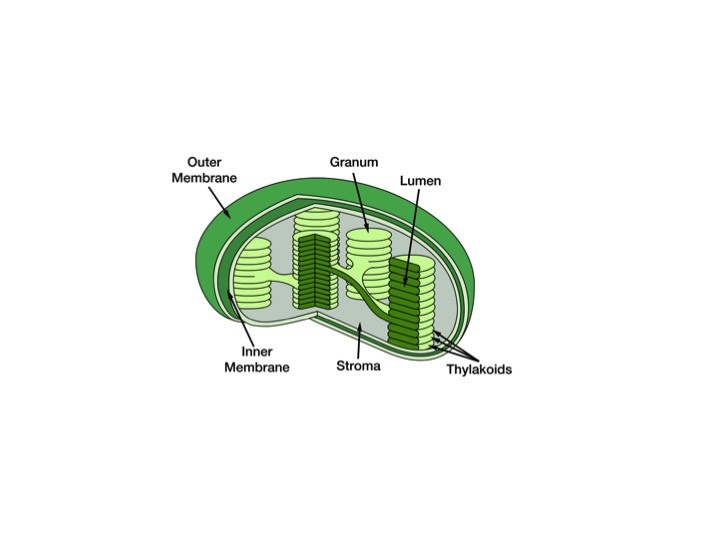
Where do the light reactions occur?
Thylakoid space
Lumen
Thylakoid membrane
Grana
The process of light oxidizing H2O into O2 is called
Hydrolysis
Photolysis
Hydrophilic
Dehydrogenase
What pigment molecule is NOT utilized in the light reactions of photosynthesis
Chlorophyll a
Chlorophyll B
Carotene B
Retinol
Light reactions are responsible for which of the following products
ATP, NADPH, O2
ATP, NADH. O2
ATP, FADPH2, CO2
CO2, ADP, NADPH
True or false: there is a cyclic and linear pathway for electrons to follow in the light reactions
False
True
What is the final electron acceptor in the light reactions?
NADPH
CO2
O2
FADPH2
Photosystem 2 is to P680 as Photosystem 1 is to
P720
P690
P700
P660
The light reactions of photosynthesis are akin to what process of cellular respiration?
Glycolysis
Pyruvate Oxidation
Citric Acid Cycle
Electron Transport Chain
What is the correct chemical formula for photosynthesis
6 CO2 + 12 H2O + light ——> sucrose + 6 H2O + 6O2
6 CO2+ 12 O2 + light ——> sucrose + 6 H2O + 6O2
6 CO2 + 12 H2O + light ——> glucose + 6 H2O + 6 O2
6 O2 + 12 H2O + light ——> glucose + 6 H2O + 6CO2
What part of pigment molecules absorbs the photons and excites the electrons?
Phosphate head
Fatty acid tail
Phytol Tail
Porphyrin ring
The Calvin cycle is responsible for the production of what macromolecules
Carbohydrate
Protein
Nucleic acid
Fatty acids
What is the correct order for the Calvin cycle?
carbon fixation, RUBP regeneration, carbohydrate production
RUBP regeneration carbohydrate production, carbon fixation,
carbohydrate production, carbon fixation, RUBP regeneration,
carbon fixation, carbohydrate production, RUBP regeneration,
How many ATP and NADPH are required when you have an input of 6 CO2 in the Calvin cycle
6; 12
12; 15
18; 12
20; 18
What is the primary product of the Calvin cycle that is later converted into glucose?
glyceraldehyde 3 phosphate
1,3 bisphosphate glycerate
3 phosphate glycerate
ribulose 5 phosphate
What is the major enzyme found in the Calvin cycle that is responsible for carbon fixation (Ribulose 1,5 bisphosphate and CO2) ?
Phosphoribulokinase
Phosphate gylcerate kinase
Rubisco
phosphate gylceraldyhyde dehydrogenase
What is the primary product from the light independent reactions that are utilized as an energy source in the light dependent reactions?
ADP
NADPH
O2
CO2
Cellular respiration is an exergonic reaction, therefore photosynthesis is a (n)______ reaction
Long
Exergonic
Catabolic
Anabolic
True or false: photosynthesis is just cellular respiration in reverse
True
False
Where in plants does the Calvin cycle take place
Stroma
Stomata
Thylakoid space
Thylakoid membrane
True or false: NADPH is just the plant form of NADH which is found in animals
True
False
Energy is released when a phosphate is _______.
Used for cell functions
Broken-Down
Removed
Added
Cellular Respiration makes ATP by breaking down sugars
True
False
Aerobic stages take place in ___________.
mitochondria
Nucleus
Cytoplasm
Vacuole
Glycolysis takes place in _________.
Lysosome
Cytoplasm
Cell Membrane
Golgi Vesicle
The Krebs cycle releases _______________.
Hydrogen
Carbon Dioxide
Oxygen
The electron transport chain takes place in the ______________.
Outer Membrane
Inner Membrane
The reactants in photosynthesis are the same as the products of cellular respiration.
True
False
How many fermentation types are there?
2
5
3
6
Anaerobic respiration requires
Oxygen
No oxygen
Aerobic Respiration requires
Oxygen
No oxygen
The chemical energy used for most cell processes is supplied by ___ molecules.
ADP
ATP

In the image, which letter represents the matrix?
A
B
C
D
E
In the image, which letter represents the intermembrane space?
A
B
C
D
E
In the image, which letter represents the Cytoplasm?
A
B
C
D
E
In the image, which letter represents the outer membrane?
A
B
C
D
E
In the image, which letter represents the inner membrane?
A
B
C
D
E
In the image, which letter represents the place where glycolysis happens?
A
B
C
D
E
In the image, which letter represents the cristae?
A
B
C
D
E
The carriers for energy and high energy electrons produced during glycolysis are
ATP
NADH
FADH2
NADPH
pyruvate
If oxygen is NOT present, glycolysis is followed by
citric acid cycle
pyruvate oxidation
electron transport chain
fermentation
Name the 3 carbon molecules produced when glucose is broken in half during glycolysis.
pyruvate
lactic acid
Acetyl-CoA
citric acid
oxaloacetate
Which high energy electron carrier is regenerated during fermentation that allows cells to continue to make ATP using glycolysis?
NAD+
NADPH
ATP
ADP
FAD
Which of the following shows the correct sequence during cellular respiration?
Electron transport chain --> glycolysis --> citric acid cycle
glycolysis --> electron transport chain --> citric acid cycle
citric acid cycle --> electron transport chain --> glycolysis
glycolysis --> citric acid cycle --> electron transport chain
Where do the carbon atoms in pyruvate end up following the citric acid cycle?
They enter the electron transport chain and make ATP
They become part of a carbon dioxide molecule and end up in the atmosphere
They join with citric acid to make Acetyl-CoA
They build up in the intermembrane space
How many total ATP molecules are produced by 1 molecule of glucose completing cellular respiration?
2
6
24
36
Which of the following are produced during the citric acid cycle?
ATP
NADH
FADH2
CO2
citric acid
What molecule is the final electron acceptor at the end of the electron transport chain?
oxygen
carbon dioxide
glucose
NADH
FADH2
The movement of which ion across the membrane from the intermembrane space to the matrix causes ATP synthase to spin and make ATP?
Na+ ions
oxygen
H+ ions
water
NAD+
Which state of cellular respiration produces the most ATP?
glycolysis
citric acid cycle
oxidative phosphorylation
Acetyl-CoA charging
Pyruvate oxidation
Which of the following happens as electrons pass down the Electron Transport chain?
Energy from the moving electrons transports H+ ions into the intermembrane space
Carbon dioxide is released
Energy from H+ ions crossing back into the matrix causes ATP synthase to make ATP
Water is produced

