wayground logo

Free Printable Worksheets

Font size

S
M
L
XL
Worksheets

Biodiversity

Total questions: 65

Worksheet time: 38mins

Name
Class
Date
1.

Choose the correct category.

a)

Bacteria

b)

Fungi

c)

Archaea

d)

Animalae

2.

Choose the correct category.

a)

Bacteria

b)

Fungi

c)

Archaea

d)

Animalae

3.

Choose the correct category.

a)

Bacteria

b)

Plantae

c)

Archaea

d)

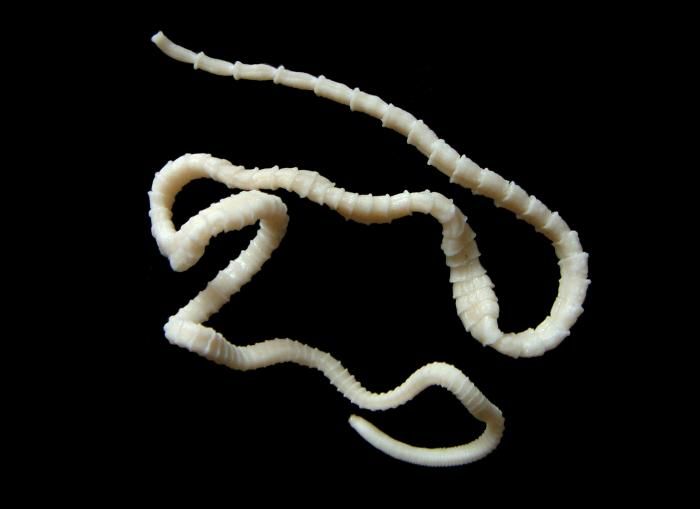
Animalae

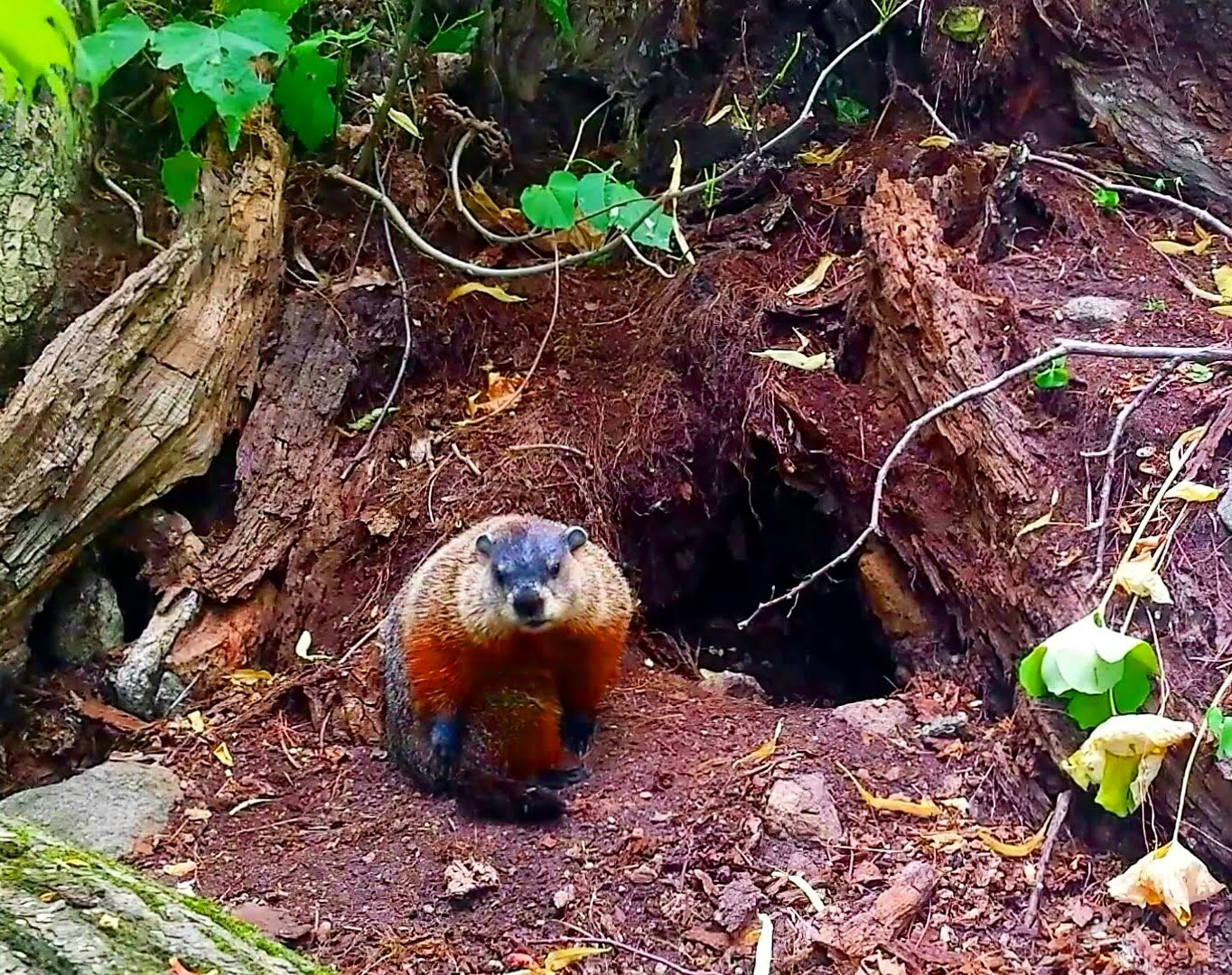
4.

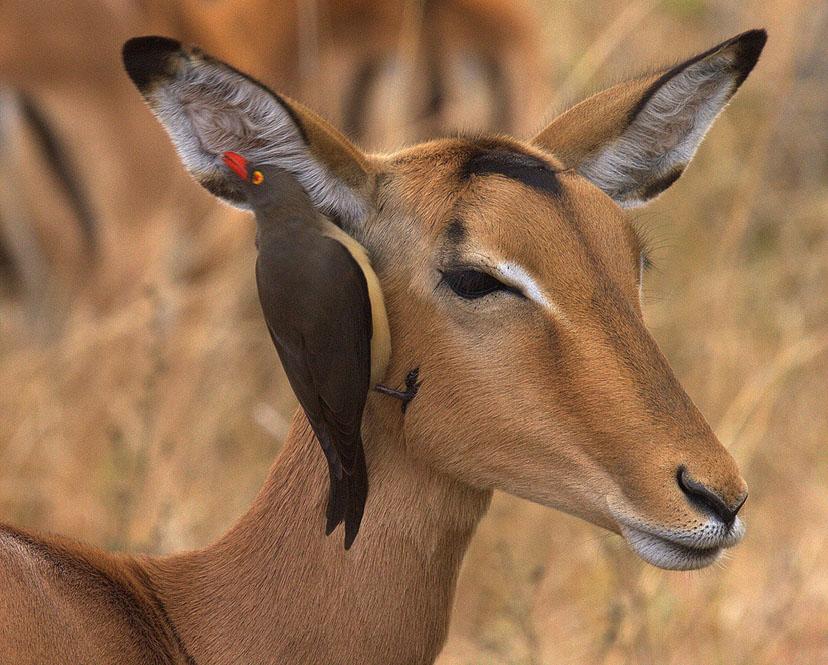
Choose the correct category.

a)

Bacteria

b)

Plantae

c)

Archaea

d)

Animalae

5.

Choose the correct category.

a)

Bacteria

b)

Plantae

c)

Protista

d)

Animalae

6.
What is a vertabrate?
a)
An animal that has a spinal cord or backbone
b)
An animal that has lungs
c)
A human that can play Soccer
d)
An animal that has bones
7.
What is a invertabrate?
a)
An animal lacking a backbone
b)
An animal that has a spinal cord
c)
A person that has a jaw
d)
An animal or person that has lungs
8.
What does cold blooded mean?
a)
They are always cold blooded
b)
They switch there blood temperature in different seasons
c)
Is warm blooded
d)
Has no blood
9.

How many groups of vertebrates are there?

a)
1738 
b)
6
c)
21
d)
5
10.
Which of these animals have a back bone or spinal cord?
a)
Scorpions
b)
Snakes
c)
Jelly Fish
d)
Krill
11.
Which of these animals don't have a back bone or spinal cord?
a)
Platypus 
b)
Fish
c)
Sea Cucumbers
d)
snake
12.
Currently sharks are on a rapid decline due to overfishing. If sharks go extinct will this affect the biodiversity of the ocean?
a)
No, sharks are not important.
b)
No, sharks will only affect the seal populations.
c)
Yes, it will disrupt the entire food chain in the ocean.
d)
Yes, but only a little.
13.

Which of the following would DECREASE biodiversity?

a)

walking off trails when hiking

b)

leaving nature in nature

c)

plant trees

d)

recycle

14.

Which is more biodiverse

a)

A

There are more organisms at each trophic level

b)

B

There are less organisms at each trophic level

15.

Which energy pyramid is correct?

a)

A

b)

B

c)

C

d)

D

16.

Which of the following is NOT an example of a high biodiversity environment?

a)

coral reefs

b)

rainforests

c)

deserts

d)

ecosystems with many different species

17.

Tap the correct definition for omnivore

a)

Omnivores feed on only plants

b)

Omnivores feed on other animals

c)

Omnivores eat both vegetables and meat

d)

there is not such thing as an omnivore

18.

commensalism is a relationship between two organisms, where one benefits from it and the other one is harmed

a)

True

b)

False

19.
A tick and a dog have this type of relationship.
a)
mutualism
b)
commensalism
c)
neutralism
d)
parasitism
20.
Cattle egrets are birds that forage in fields among cattle. The egrets get easy access to food and the cattle don't care if they are there or not.
a)
mutualism
b)
commensalism
c)
competition
d)
parasitism
21.
Why is a deer classified as a herbivore?
a)
A deer makes its own food.
b)
A deer eats only plants.
c)
A deer eats only animals.
d)
A deer eats plants and animals.
22.
The snake is a predator to what prey in this food chain?
a)
frog
b)
grass
c)
grasshopper
d)
hawk
23.
What is an invasive species?
a)
A native (naturally found) species which are added to an area. 
b)
A non-native (not naturally found) species added to an area. 
c)
A keystone species in an environment
d)
none of the above
24.

Which of the following ways can help in maintaining biodiversity?

a)

Get involved with ecological restoration in your area.

b)

Prevent invasive species from overpopulating.

c)

Don't use chemical pesticides on crops.

d)

All of the above

25.

Is the following a structural, functional or behavioural adaptation? A turtle shell

a)

Structural

b)

Functional

c)

Behavioural

26.

Which of the following is a structural adaptation of a whale?

a)

Swimming in groups

b)

Swimming to the surface to breathe

c)

Blubber

d)

Baby whales swimming close to their mothers

27.

What does an adaptation do?

a)

Make animals extinct

b)

Cartwheels

c)

Help living things survive in their habitat

d)

Describe features of habitats

28.

What is a structural adaptation?

a)

A visual part of a living thing that helps it survive in its habitat

b)

Actions of a living thing that help it survive in its habitat

29.

What is a behavioural adaptation?

a)

A visual part of a living thing that helps it survive in its habitat

b)

Actions of a living thing that help it survive in its habitat

30.

What type of adaptation is having sharp teeth?

a)

Structural adaptation

b)

Behavioural adaptation

31.

What type of adaptation is a squid releasing ink?

a)

Structural adaptation

b)

Behavioural adaptation

32.

What type of adaptation is being nocturnal (asleep in the day, awake at night)?

a)

Structural adaptation

b)

Behavioural adaptation

33.

Which of the following is a structural adaptation of a fish?

a)

Sharp spikes

b)

Hiding in coral

c)

Swimming in groups

d)

Water

34.

Which of the following is a behavioural adaptation of a dolphin?

a)

Swimming in pods (groups)

b)

Blowhole

c)

Fins

d)

Blubber

35.

Which of the following is a behavioural adaptation of a Venus Fly Trap?

a)

Sticky centre

b)

Closing leaves shut to trap insects

c)

Spiky leaves

36.
Which of the examples below can BEST be described as mutualism between animals?
a)
A tapeworm lives in the intestine of a bird and consumes the food that the bird has eaten
b)
Mountain lions and wolves fight each other for the same deer
c)
A bird eats parasites off a rhinoceros while the rhinoceros provides protection to the bird
d)
Rats live in the garbage dump of a town and rarely interact with people
37.
Relationship where both organism benefit
a)
Competition
b)
Commensalism
c)
Mutualism
d)
Parasitism
38.
Relationship where one organism benefits and the other is neither harmed nor helped
a)
Commensalism
b)
Parasitism
c)
Mutualism
d)
Competition
39.
An organism where one organism benefits and another is harmed
a)
Commensalism
b)
Parasitism
c)
Mutualism
d)
Competition
40.
A tapeworm and a cat have this type of relationship.
a)
mutualism
b)
parasitism
c)
commensalism
d)
competition
41.
What type of symbiosis?  Skunks often live in burrows that have been dug and abandoned by woodchucks.  
a)
commensalism
b)
mutualism
c)
parasitism
d)
predation
42.
Red-billed oxpeckers are birds that often feed on parasites that infest impala.  This is an example of _______.
a)
commensalism
b)
mutualism
c)
neutralism
d)
competition
43.

Name the symbiotic relationship shown in the image.

a)

mutualism

b)

commensalism

c)

parasitism

44.

Name the symbiotic relationship shown in the image.

a)

mutualism

b)

commensalism

c)

parasitism

45.

Name the symbiotic relationship shown in the image.

a)

mutualism

b)

commensalism

c)

parasitism

46.
Why is biodiversity so important?
a)
Because all species depend on each other to survive, so if one becomes extinct another species that relies on it could go extinct as well
b)
Because it’s better to have only one variation of each species.
c)
Because it better to only have a few species on Earth.
d)
Honestly, I have no idea what biodiversity is!
47.

What is an example of a human disturbance?

a)

Deforestation

b)

Drought

c)

Tsunami

d)

Changing Seasons

48.

Biodiversity increase the

a)

further you are from the equator

b)

the closer you are to the equator

49.

The tropical rainforest has many different species of plants and animals. If one of the animal species gets a virus and all the animals of that species die (become extinct). What effect will it have on the rainforest?

a)

The tropical rainforest has high biodiversity and therefore has high sustainability. This means the tropical rainforest will have only a small negative effect which will not have much change in the food web.

b)

The tropical rainforest has low biodiversity and therefore it is not sustainable and will be greatly affected if one species of the biome will be extinct.

50.

Just like you have a first name and a last name to specifically identify you, a scientific name helps scientists:

a)

be precise in how living things are named

b)

differentiate small differences among living things

c)

make names sound super cool (Biggis Doggis)

d)

remember where they came from

51.

Biodiversity within species is important for maintaining the

resilience of those species so

a)

they aren't all wiped out by the same infectious disease

b)

they don't all look the same

c)

scientists don't get their names mixed up

d)

they can find food more easily

52.
Invasive species alter the ecosystem by a___________in number quickly,this leads to _____ food for the native  species. 
a)
increasing  less
b)
decline  decreasing
53.

He can regulate his body temperature by shivering to get warm.

Puede regular su temperatura corporal temblando para calentarse.

a)

endothermic or warm blooded

b)

ectothermic or cold blooded

54.

If it is too hot in the sun for the turtle, he will dig in the ground to cool off.

Si hace demasiado calor en el sol para la tortuga, cavará en el suelo para refrescarse.

a)

endothermic or warm blooded

b)

ectothermic or cold blooded

55.

Sweating is your body's way of cooling when it gets too hot.

Sudar es la forma en que su cuerpo se enfría cuando hace demasiado calor.

a)

endothermic or warm blooded

b)

ectothermic or cold blooded

56.

An alligator lying in the sun to get warm is...

Un caimán tumbado al sol para calentarse es

a)

ectothermic or cold blooded

b)

endothermic or warm blooded

57.
What are the 8 levels of classification of living things from most general to most specific?
a)
domain, kingdom, phylum, class, order, family, genus, species
b)
domain, kingdom, phylum, class, order, family, genius, species
c)
domain, kingdom, phamily, class, order, family, genus, species
d)
domain, king, phillip, class, order, family, genus, species
58.
Who is the closest relative to the birds?
a)
crocodiles
b)
sharks
c)
fish
d)
amphibians
59.
Who is the closest relative to the sharks?
a)
crocodiles
b)
sharks
c)
ray-finned fish
d)
amphibians
60.
Use the dichotomous key above to classify the unknown organism in the picture
a)
Kentuckyus
b)
Californius
c)
WalaWala
d)
Beverlus
61.
An animal that is eaten by another animal
a)
carnivore
b)
herbivore
c)
prey
d)
predator
62.
An animal that stalks, catches and eats other animals
a)
carnivore
b)
herbivore
c)
prey
d)
predator
63.
An animal that cannot control its body temperature. Its temperature will be the same as the temperature of the environment it lives in
a)
cold blooded animal
b)
warm blooded animal
c)
sleeper
d)
hibernator
64.
An animal whose body temperature stays the same regardless of the environment it lives in
a)
cold blooded animal
b)
warm blooded animal
c)
sleeper
d)
hibernator
65.

What do sapiens mean in Latin?

a)

wise

b)

ape

c)

upright

d)

brain