
 Worksheets
Quizizz Review Assign for Unit 4 - Prop of H2O, Acids & Bases
Total questions: 50
Worksheet time: 46mins
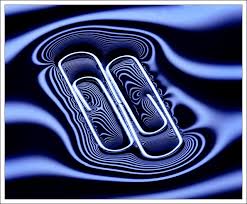
The tightness across the surface of water that enables paper clips to float is -
Capillary Action is key for -
water moving from the roots to leaves in plants
air moving from mouth to lungs
ice floating on water
water moving to lower areas
Cohesive means -
the water molecules stick to each other
the water molecules stick to other surfaces
the water molecules are less dense
the water molecules are far apart
Adhesive means -
the water molecules stick to each other
the water molecules stick to other surfaces
the water molecules are less dense
the water molecules are far apart
Water striders can walk on water because of -
capillary action
adhesion
surface tension
universal solvent

Water moves through plants and other substances because of -
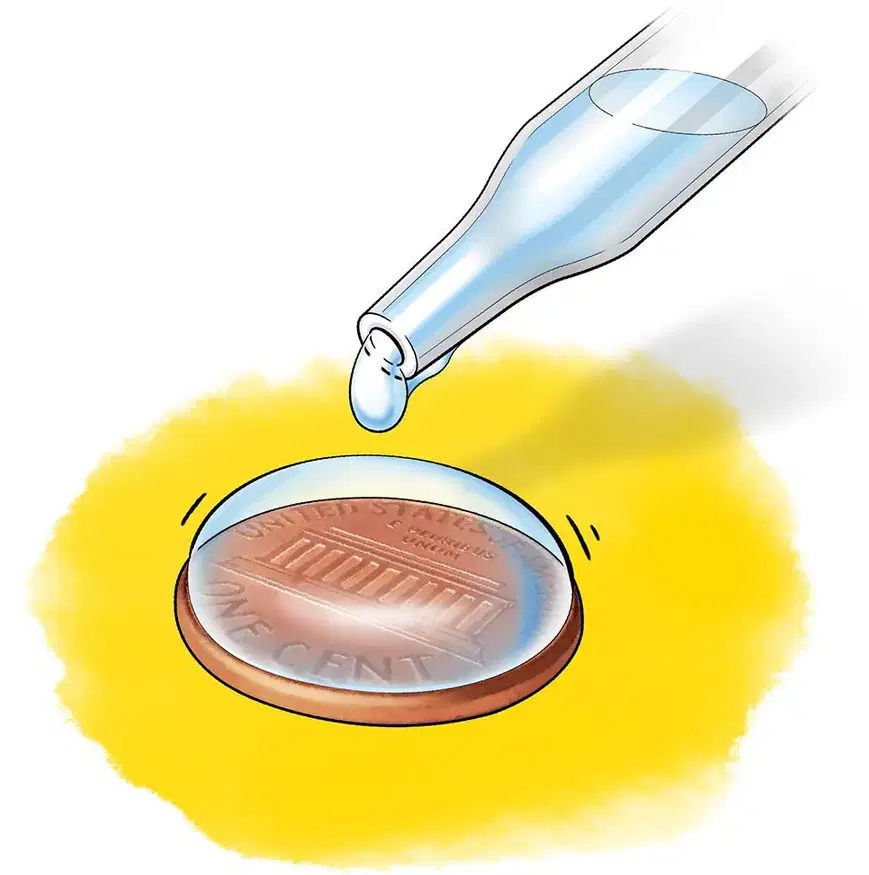
As drops of water are added to a coin, each drop sticks to other drops because of -

The attraction between molecules of different substances is called -
adhesion
cohesion

Which sample best represents a mixture?
A
B
C
D
Which sample best represents an element? Select two.
A
B
C
D

A sour taste is a characteristic of -
an acid
a base
a neutral substance
the pH scale
Your teacher tells you that a substance is acidic. This means the pH will be -
more than 7
7 exactly
less than 7
higher than 14

Pure water has a pH of 7. Pure water -
is a base
is a neutral substance
could be either an acid or a base
is an acid
If a solution is basic which ion will be more present?
H+
K+
OH-
H-
The pH scale ranges from -
1 to 7
1 to 5
0 to 14
1 to 14
Which of the following is most likely to be basic?
lemon juice
vinegar
laundry detergent
soda
When dissolved in water, acids produce -
pH is the measure of the concentration of -
acids
H+ ion
OH- ion
bases
Neutralization is the process of an acid and a base reacting to form an ionic salt and what else?
An ionic salt
Hydronium ions
NaCl
Water

Soap is -
an acid
a base
an acid and a base
neither an acid or a base
Which is the correct set of acidic properties?
sour taste, reacts with metals, change litmus paper blue
sour taste, reacts with metals, change litmus paper red
bitter taste, slippery, change litmus paper red
sour taste, slippery, change litmus paper red

Lemon juice is an example of -
a base
an acid
a neutral substance
When found in food, acids are -
sour
bitter
salty
slippery
When found in food, bases are -
sour
bitter
salty
soggy
_______ are corrosive substances characterized as having a strong smell, a sour taste, and a _______.
If an acid is combined with a base of equal strength, the result will most likely be -
a stronger base.
oxide
The pH scale measures -
the strength of an acid.
the strength of hydrogen ions.
the concentration of hydrogen ions.
the concentration of an acid.
Which of the following word pairs correctly completes the sentence below?
_______ are corrosive substances characterized as having a oily feel, a bitter taste, and a _______.
Acids; pH less than 7
Acids; pH greater than 7
Bases; pH greater than 7
Bases; pH less than 7
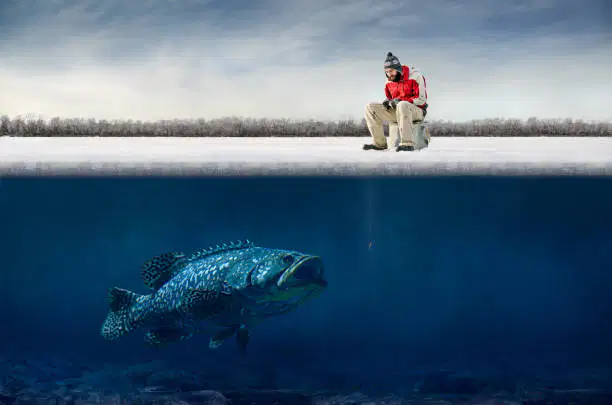
Why can fish survive winters in a pond?
Ice is less dense than liquid water so it will be on the top of a lake or pond allowing fish to swim beneath it.
Water is available in all three phases, so ice will be on the top of a lake or pond allowing fish to swim beneath it.
Water is polar so ice will be on the top of a lake or pond allowing fish to swim beneath it.
Adhesion occurs in water, so ice will be on the top of a lake or pond allowing fish to swim beneath it.
Why is water so good at dissolving so many substances?
it is polar
it is less dense as a solid
cohesion
adhesion
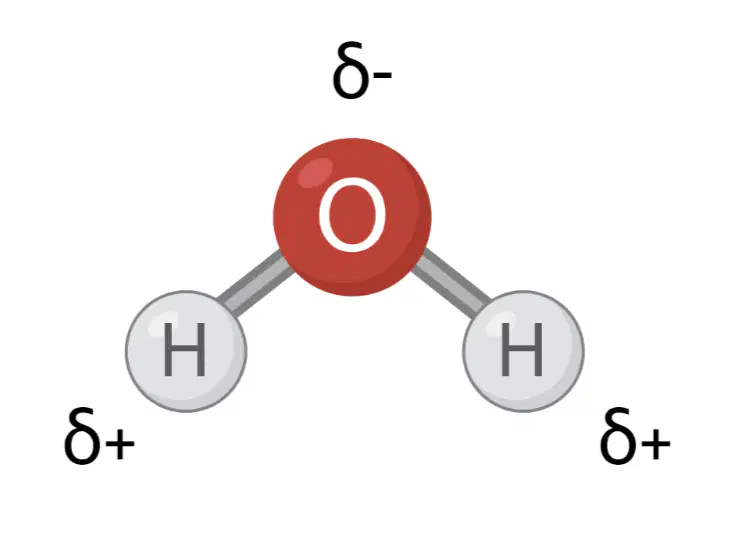
Water has a slightly positive end and a slightly negative end. This means water has -
polarity
cohesion
adhesion
specific heat
Water can hold a great deal of heat and help moderate the climate of a nearby landmass because of which property?
specific heat (high heat capacity)
cohesion
adhesion
polarity

Surface tension is caused by -
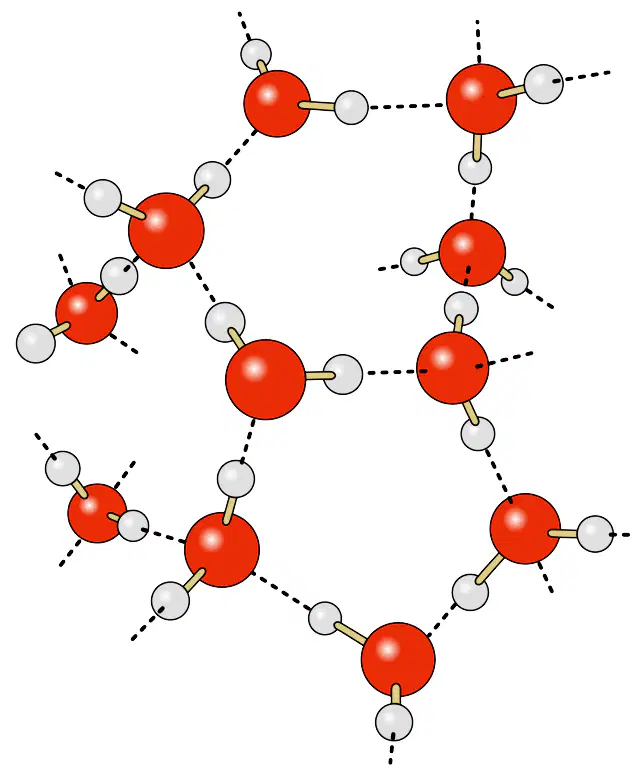
Attraction between water molecules is caused by -
covalent bonds
ionic bonds
polar bonds
hydrogen bonds
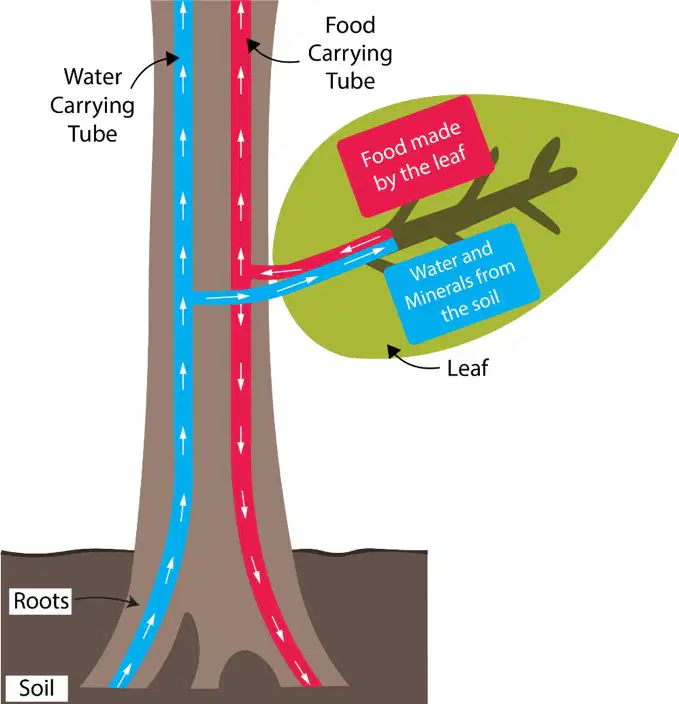
Water is pushed by solutes.
Capillary action pulls the water molecules like a chain.
Water is pulled by gravity.
Water’s cohesion causes it to “pull” towards the leaves.
Describe cohesion.
Water molecules attracted to other substances.
Water molecules climbing upwards against the force of gravity.
Water molecules dissolving many substances because of its polarity.
Water molecules attracted to other water molecules.
Describe adhesion.
Water molecules attracted to other substances.
Water molecules climbing upwards against the force of gravity.
Water molecules dissolving many substances because of its polarity.
Water molecules attracted to other water molecules.
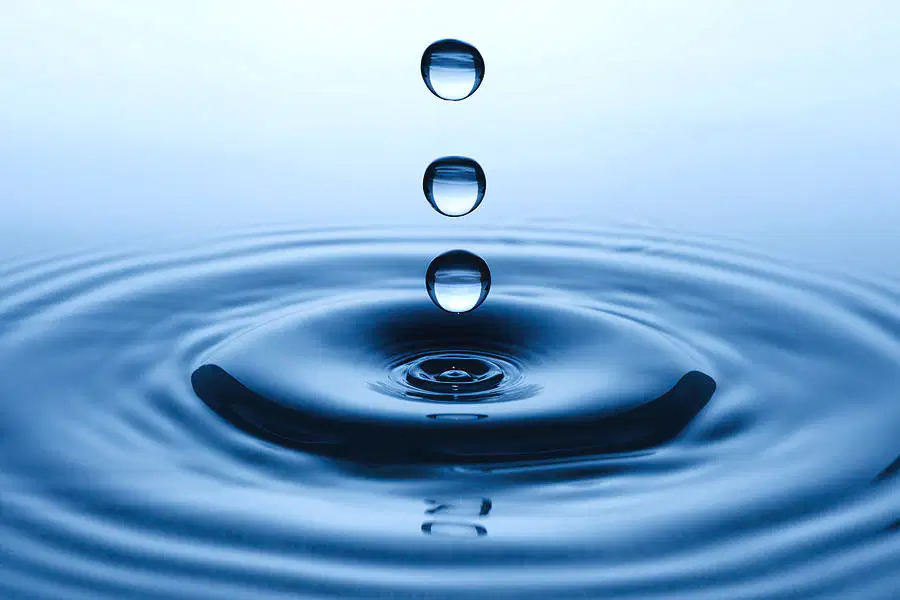
Water is a universal solvent because -
it can be found anywhere
it freezes when it gets cold
it floats when frozen
it dissolves most substances
What is the chemical formula for water?
HO
2HO
H2O
HO2
Which of the following shows a singular water molecule?


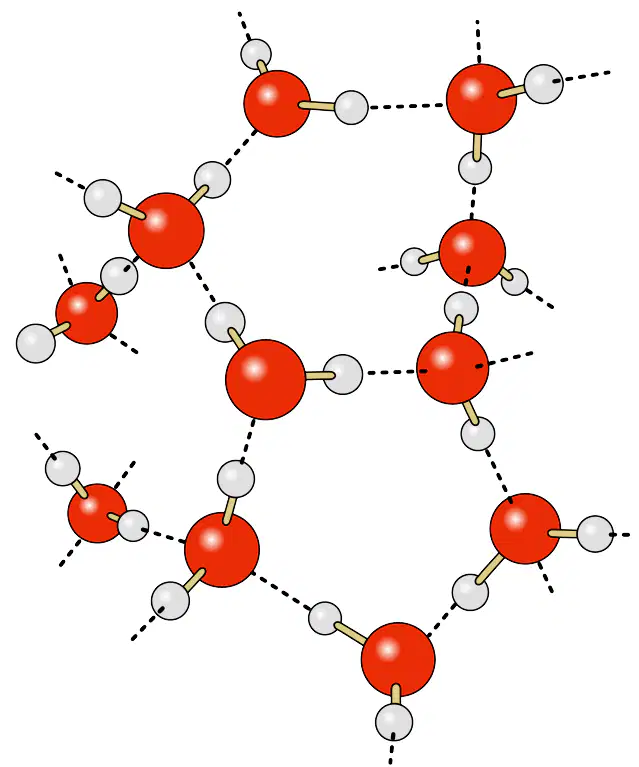

Which letter represents hydrogen?
A
B
C
D
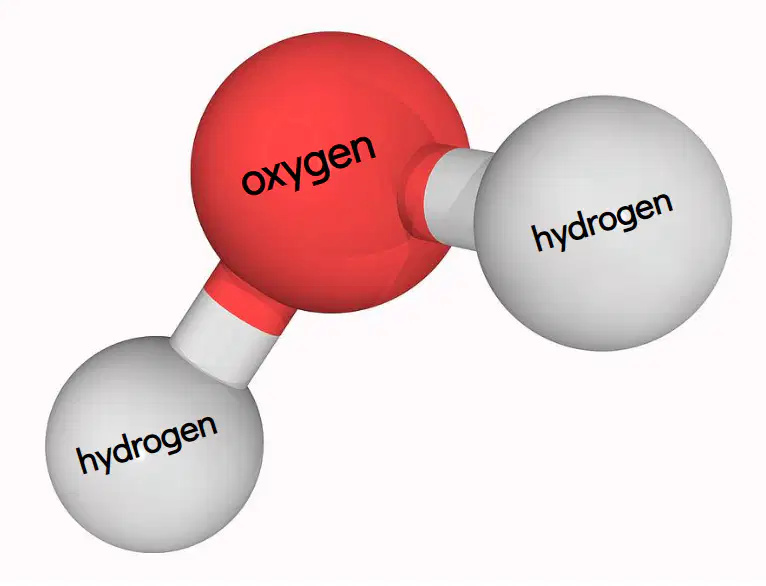
What is the charge on the hydrogen atom?
Positive
Negative
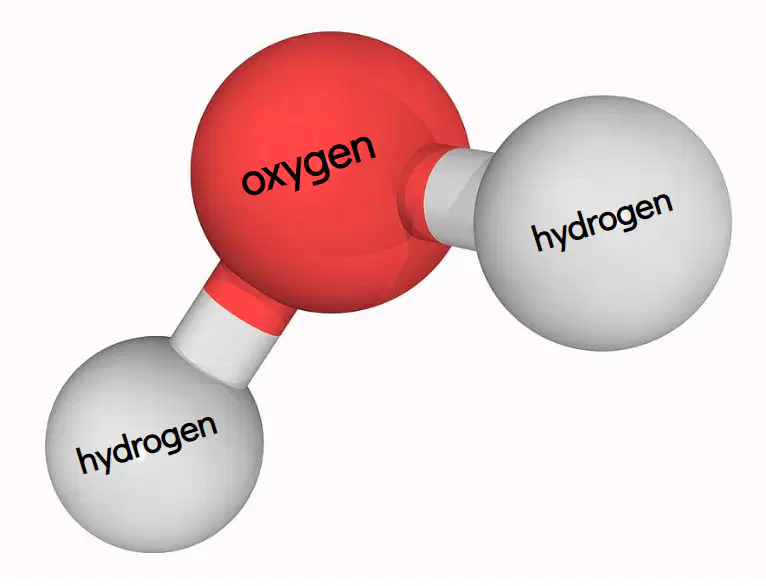
What is the charge on the oxygen atom?
Positive
Negative
Hydrogen (H)
Oxygen (O)
Carbon (C)
Helium (He)
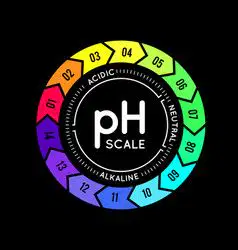
What do the letters "pH" represent?
solution safety
acidic or basic
presence of hydrogen
potential of hydrogen

