
 Worksheets
Ancient Greek Civilisation Quiz
Total questions: 75
Worksheet time: 1hrs 1mins
What were the main activities of the Mycenaean civilization?
Agriculture
Trade
Craftwork
What is the term used for maritime domination?
(a)
What period refers to the time before the rise of the Hellenic civilization?
(a)
This period is called Dark Ages because ......
people worked in mines
there isn’t much information on the different peoples active at this time.
the Persian Army conquered Greece
the Dorians were experts wirh using black ink
During the Dark Ages, these people came from northern Greece and moved south. They were experts with iron and they didn’t produce much art.
(a)
What was the first step in the colonization process?
Create rules and laws for the new colony.
Choose a location to create a new settlement
Consult the gods by using an Oracle and obtain their permission to establish the colony.
Distribute the land and start constructing the new settlements.
What was the significance of the Classical Period in Greek history?
A period of cultural decline.
A golden age in terms of political and cultural achievements.
The Mycenaeans became the dominant civilisation.
King Darius led the Persians to take over Rome.
Who conquered Asia Minor and Egypt?
(a)
Alexander the Great’s generals ANTIGONUS, SELEUCUS and PTOLEMY fought each other after he died. They DIVIDED the empire into THREE KINGDOMS
ANTIGONUS ruled GREECE and MACEDONIA. SELEUCUS ruled SYRIA and ASIA MINOR. PTOLOMY ruled EGYPT and PALESTINE.
ANTIGONUS ruled EGYPT and PALESTINE. SELEUCUS ruled SYRIA and ASIA MINOR. PTOLOMY ruled GREECE and MACEDONIA
ANTIGONUS ruled GREECE and MACEDONIA. SELEUCUS ruled EGYPT and ASIA MINOR. PTOLOMY ruled SYRIA and PALESTINE.
ANTIGONUS ruled SYRIA and MACEDONIA. SELEUCUS ruled GREECE and ASIA MINOR. PTOLOMY ruled EGYPT and PALESTINE.
What weakened the Greek poleis?
The Peloponnesian War
The Persian Wars
The Macedonian War
The Hellenistic Era
Who ruled Greece and Macedonia after Alexander's death?
Antigonus
Seleucus
Ptolemy
Philip II
What type of government did Athens have?
Democracy
Oligarchy
Monarchy
Dictatorship
What was the role of the Archons in Athens?
Military decisions
Political and religious decisions
Judicial decisions
Economic decisions
What was the government structure of Sparta?
Oligarchy
Democracy
Monarchy
Theocracy
What was the main focus of Spartan society?
War
Trade
Culture
Politics
What did the Gerousia do in Sparta?
Created laws
Enforced laws
Judged cases
Conducted elections
What was the significance of the Olympic Games?
Cultural festival
Political meeting
Military training
Religious ceremony
What were the two classes in Greek society?
Free people and slaves
Citizens and non-citizens
Nobles and commoners
Warriors and farmers
What rights did citizens have in Greek society?
Political rights
No rights
What were the obligations of citizens in Greek society?
Paying taxes
Defending the polis
What was the role of women in Greek society?
Managed the home
Had political rights
Who were considered property in Greek society?
Slaves
Citizens
What did the ancient Greeks worship?
Deities
Myths
What did Greek philosophers seek?
Rational explanations
Mythical stories
What subjects did boys in Athens study?
Mathematics
Literature
Sports
Music
What was the focus of Spartan education?
Military training
Music
Mathematics
What architectural orders did the Greeks develop?
Doric
Ionic
Corinthian
What materials were used in Greek sculpture?
Marble
Bronze
Athenas fought against (a) in the PELOPONNESIAN WAR
During the first Persian War, the Athenians stopped the Persians in the Battle of (a)
During the Second Persian War, the Greek poleis were defeated in the Batlle of ...
(a)
Athens: this institution voted on LAWS and could start or end WARS.
Boule
Heliaia
ecclesia
apella
In Sparta, ... created laws and decided punishments
strategos
archons
ephors
gerousia
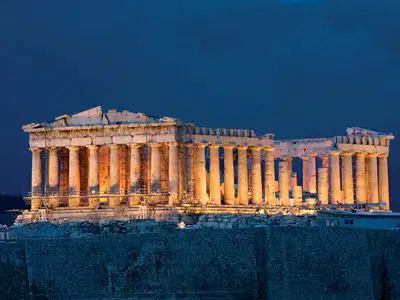
The Parthenon belongs to
Ionic order
Corinthian order
Doric order
Persian order
(a) were the most POWERFUL polis in ancient Greece at this time
They fought each other in the (a) war (431 BC–404 BC).
The government of Athens was a
(a)
The (a) made MILITARY DECISIONS in Athens
Athens: the (a) made POLITICAL AND RELIGIOUS DECISIONS
Athens: the (a) voted on LAWS and could start or end WARS
Sparta: a (a) ruled: TWO KINGS were in power at the same time
Sparta: The (a) , a group of 28 men over 60 years old who, with the kings, created LAWS and decided PUNISHMENT
The (a) approved or rejected the Gerousia's decisions
The poleis gathered at festivals like the OLYMPIC GAMES, which got its name from the first one held in (a) in 776 BC.
They were free and had political rights
They also had obligations like paying taxes and defending the polis
(a)
They were free but had to do everything men wanted
They managed the home and cared for children
They had no political rights
(a)
They were free but had no political rights
All foreign men had to pay taxes
They generally worked in commerce or crafts
(a)
They had no rights at all
They were considered property of their owners
They were generally men, women and children captured in wars
(a)
They communicated with the deities through (a) , who were PRIESTESSES who spoke with the gods.
Socrates, (a) , Aristotle were some important philosophers.
In Sparta, boys left home when they were 7 years old to begin military training known as (a) .
ARCHITECTURE:
Flat capitals with no decoration
Thick columns with no base
(a)
ARCHITECTURE:
Thin columns
Capitals with volutes
(a)
ARCHITECTURE:
Thin columns
Capitals decorated with leaves
(a)
The civilisation that developed on Crete was the (a) civilisation.
The Greeks believed that the gods lived on Mount (a)
The Mycenaeans developed on the (a) peninsula.
The period of cultural decline between 1100 and 800 BC is called the (a)
The battle in which the Athenians defeated the Persians in 490 BC was (a)

Style
(a)

Style
(a)
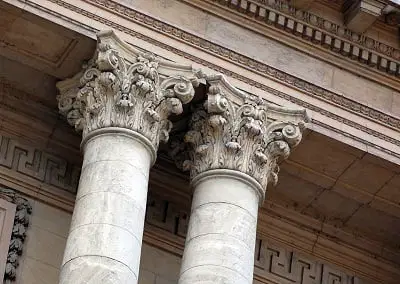
Style
(a)
Thin columns
Capitals decorated with leaves
(a)
Thin columns
Capitals with volutes
(a)
Flat capitals with no decoration
Thick columns with no base
(a)
In architecture, Greeks wanted to achieve PERFECTION and used (a) to create PROPORTION and HARMONY.
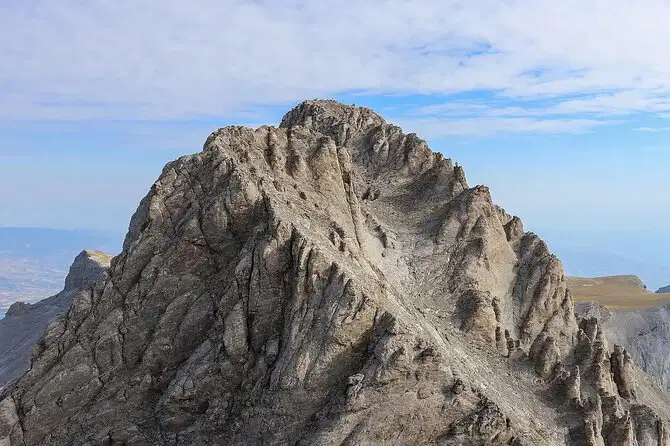
In this place gods lived
(a)

Name of this building
(a)

Name of this piece of art
(a)
Name given to Greece by the first Greeks
(a)
Main regions Hellas consisted
southern part of the Balkan peninsula
Asia Minor
Egypt
Islans and archipileagos of the Aegean Sea
This period developed on the island of Crete between 2000BC and 1400BC.
(a)
King who led the Persians during the 4 Persian War
(a)
2nd Persian War: the Persians were defeated at the Battle of
(a)
This Persian king conquered Northern Greece during the 2nd Persian War
(a)

