
 Worksheets
Heating powerpoint 4 quiz
Total questions: 46
Worksheet time: 23mins
What is the primary function of an air separator in plumbing?
To heat the water
To separate air from water
To filter impurities
To increase water pressure
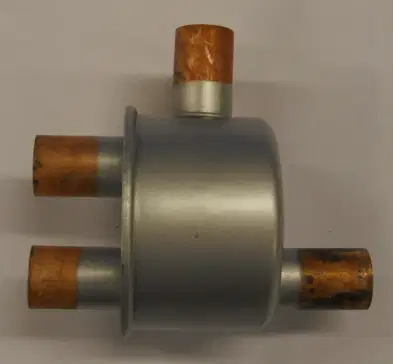
What type of pipe connections does an air separator have?
Hot feed and return pipe connections
Cold feed and vent pipe connections
Gas feed and exhaust pipe connections
Electrical conduit connections
What is one of the benefits of the correct layout of pipework and removal of air from a plumbing system?
Increases water pressure
Reduces noise in the system
Increases the risk of corrosion
Decreases water temperature
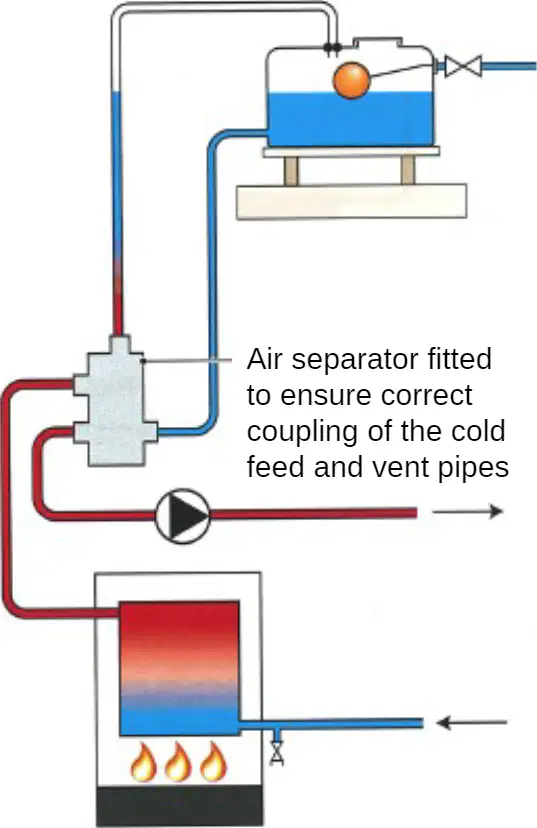
What does an air separator ensure in a plumbing system?
Correct coupling of the cold feed and vent pipes
Increase in water flow speed
Decrease in water temperature
Increase in system pressure
What is used to maintain the watertight seal in a circulator?
Metal washers
Rubber or fibre washers
Plastic washers
Wooden washers
What can be closed to allow the pump to be removed without draining the system?
Pressure valves
Full bore valves
Safety valves
Check valves
What might be the cause if radiators are not heating up and the hot water is only lukewarm?
A broken thermostat
A sluggish or poor performing pump
A clogged filter
A faulty heater
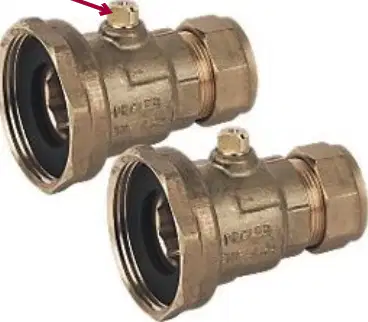
What is the purpose of isolation valves in a circulator pump system?
To increase water pressure
To allow easy maintenance
To reduce noise
To enhance water flow
Why is the positioning of the pump important in a plumbing system?
To produce positive pressure and avoid air entering the system
To increase water temperature
To reduce water flow
To decrease system pressure
What is the golden rule for the circulator in a plumbing system?
It must always draw on the cold feed
It must always draw on the hot feed
It must be positioned at the highest point
It must be turned off when not in use
What should be correctly set to allow the system to heat up efficiently without noise?
Speed settings of the circulator
Temperature settings of the boiler
Pressure settings of the pump
Flow rate of the water
Why is the position of the circulator important in a plumbing system?
It determines the water temperature.
It affects the system's positive pressure.
It controls the water flow speed.
It changes the water color.
What is the correct arrangement for a system under positive pressure?
Pushing into the cistern.
Pumping over the vent pipe.
Position of the vent and feed behind the pump.
Placing the pump above the cistern.
What configuration is commonly used instead of an air separator in plumbing?
T frame configuration
H frame configuration
L frame configuration
X frame configuration
Where should the vent and cold feed be installed in relation to the circulator?
On the discharge side of the circulator
On the suction side of the circulator
Above the circulator
Below the circulator
What is the maximum distance allowed between the vent and the cold feed?
100mm
150mm
200mm
250mm
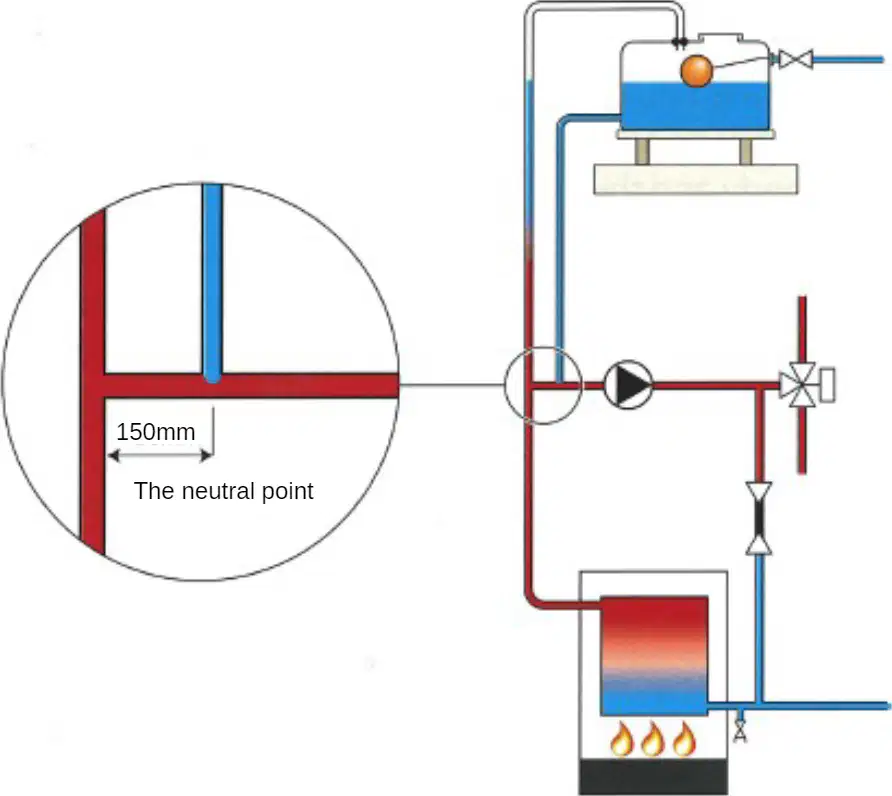
What is the purpose of the correct layout of pipework in a plumbing system?
To ensure the neutral point is at the base of the cold feed.
To increase water pressure.
To reduce water temperature.
To prevent pipe corrosion.
What is the primary function of a magnetic system cleaner in plumbing?
To heat the water
To collect corroded iron particles
To add chemicals to the water
To filter out dirt and debris
What is the name of the iron particles collected by the magnet in a magnetic system cleaner?
Hematite
Magnetite
Ferrite
Pyrite
What happens to the magnet in a magnetic system cleaner during servicing?
It is replaced with a new one
It is cleaned and reinstalled
It is removed to flush away magnetite
It is left in place
What is the primary function of an inhibitor in a central heating system?
To increase water temperature
To reduce noise levels
To provide chemical protection against scale and corrosion
To enhance the color of the radiator
How can an inhibitor be added to a central heating system?
Through the thermostat
Via the F&E or through a radiator
By adjusting the pressure valve
Through the gas supply
What do manufacturers claim about the use of inhibitors in heating systems?
They increase noise levels
They reduce the lifespan of the system
They extend the life of the system and ensure maximum efficiency
They increase fuel usage
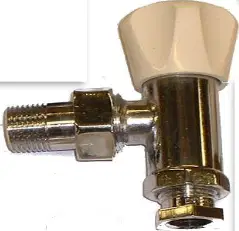
What is the purpose of the wheel head on a radiator valve?
To increase the temperature of the radiator
To alter the flow of water into the radiator
To change the color of the radiator
To turn the radiator on and off
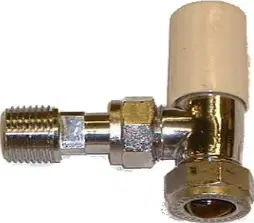
What is the function of a lock-shield valve on a radiator?
To heat the room faster
To provide a decorative finish
To give the engineer access for balancing purposes
To increase water pressure
What is the purpose of a Thermostatic Radiator Valve (TRV)?
To control the temperature of a single radiator
To increase water pressure in the system
To filter impurities from the water
To regulate the flow of electricity
What does the special head in a TRV react to?
Ambient air temperature
Water pressure
Electrical current
Humidity levels
What happens to the volatile liquid in a TRV when the room temperature increases?
It expands
It contracts
It evaporates
It solidifies
What action does the TRV take when the room cools down?
The liquid contracts, opening the valve
The liquid expands, closing the valve
The liquid evaporates, sealing the valve
The liquid solidifies, blocking the valve
According to Building Regulations, which radiator should be left without a TRV fitted?
The radiator in the kitchen
The radiator in the bathroom
The radiator in the same room as the room thermostat
Any radiator of choice
What should be fitted over the head to the valve if a radiator with a TRV is removed for decorating?
A plastic cover
A decorator’s cap
A metal shield
A rubber stopper
What can be installed if a customer has long curtains and requires a TRV to be fitted?
A remote head
A longer valve
A curtain clip
A radiator cover
What issue might occur if the water flows the wrong way through the valve body of a TRV?
The radiator will overheat
The valve seat will rattle and vibrate
The radiator will leak
The TRV will break
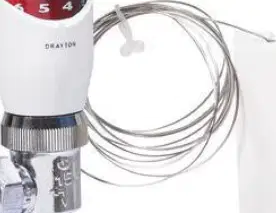
What is the purpose of fitting TRVs with remote sensors?
To enhance the aesthetic appearance of the radiator
To allow operation if long curtains or furniture interfere
To increase the heating capacity of the radiator
To reduce the cost of the radiator
What is the purpose of an Automatic Bypass Valve (ABV) in modern systems?
To increase the water temperature
To allow a build-up of system pressure
To decrease the system pressure
To stop the circulator from working
How does an ABV help in prolonging the pump life?
By increasing the water flow
By releasing pressure through the system pipework
By stopping the thermostatic radiator valves
By reducing the water temperature
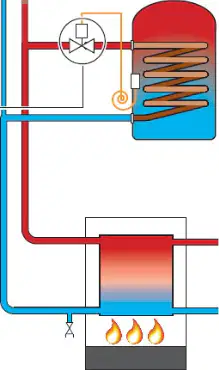
Where is the Automatic Bypass Valve (ABV) fitted in a plumbing system?
Between the primary flow and return pipes
At the end of the return pipe
Next to the boiler
Above the zone valves
What is the purpose of having an ABV installed in some boilers?
To increase water pressure
To allow water flow if TRVs and zone valves close
To reduce energy consumption
To heat water more efficiently
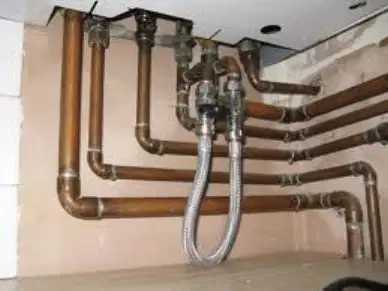
What is a filling loop used for in plumbing?
Permanent connection between mains and heating system
Flexible, temporary connection between incoming mains and central heating system
Connection for non-pressurised systems
Used only in open vented systems
According to Water Regulations, what must be done with the filling loop after use?
It should be left connected
It should be disconnected
It should be replaced
It should be tightened
What type of valve protects the incoming mains in a filling loop system?
Single check valve
Pressure relief valve
Double check valve
Ball valve
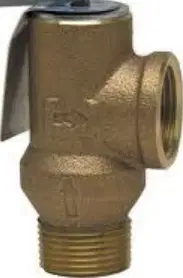
What is the purpose of a Pressure Relief Valve (PRV) in a sealed system?
To increase the pressure in the system
To discharge excess pressure safely
To reduce the temperature of the system
To add more fluid to the system
What is a common cause for the build-up of pressure in a sealed system?
The system is too cold
The expansion vessel fails or loses its charge
The pipes are too wide
The system is underfilled
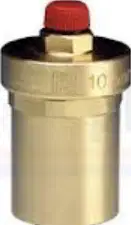
Where are automatic air release valves commonly found?
Inside radiators
Inside boilers
Inside water tanks
Inside air conditioners
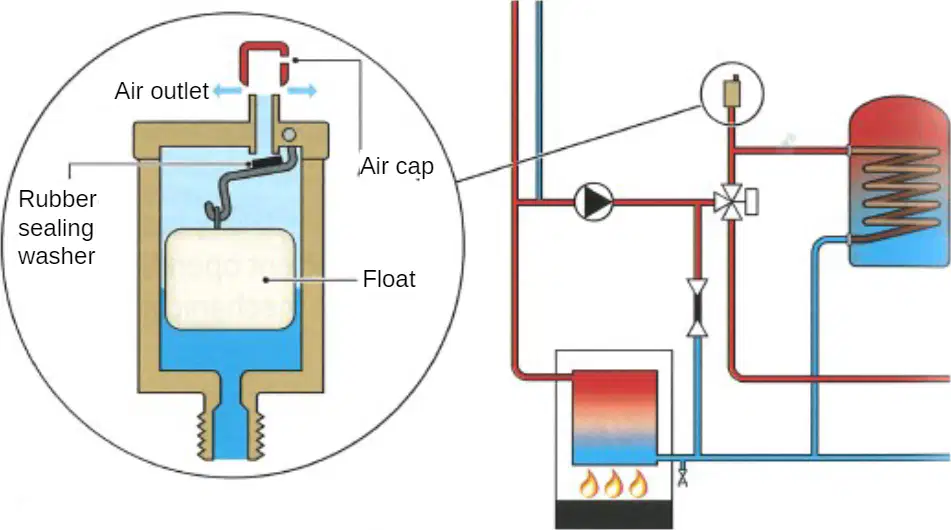
What is the primary function of an automatic air release valve?
To release water from the system
To release air from the system
To release steam from the system
To release gas from the system
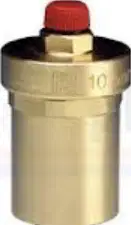
What component of the automatic air release valve helps it to close automatically?
Air cap
Rubber sealing washer
Float
Air outlet

