
 Worksheets
Unit 2, L-4 Review
Total questions: 53
Worksheet time: 35mins
Which of the following is a state of matter?
Solid
Light
Sound
Energy
Which state of matter has a definite shape and volume?
Gas
Liquid
Solid
Plasma
What happens to the particles of a substance when it changes from a solid to a liquid?
They move closer together.
They move farther apart.
They stop moving.
They become charged.
Which of the following is an example of a physical change?
Burning wood
Rusting iron
Melting ice
Baking a cake
What is the term for the change of state from liquid to gas?
Freezing
Condensation
Evaporation
Sublimation
Which of the following is a characteristic of gases?
Definite shape
Definite volume
Particles are tightly packed
Particles move freely
Which state of matter has particles that are close together but can move past one another?
Solid
Liquid
Gas
Plasma
What is the term for the change of state from liquid to solid?
Freezing
Melting
Evaporation
Condensation
Which of the following is NOT a state of matter?
Solid
Liquid
Energy
Gas
What is the term for the change of state from gas to liquid?
Freezing
Melting
Evaporation
Condensation
Which state of matter has particles that are far apart and move independently of one another?
Solid
Gas
Plasma
Liquid
Which state of matter is characterized by having a definite volume but no definite shape?
Plasma
Solid
Liquid
Gas
Which state of matter is characterized by having no definite shape and no definite volume?
Liquid
Plasma
Solid
Gas
What happens to the particles of a substance when it changes from a gas to a liquid?
They become charged.
They stop moving.
They move farther apart.
They move closer together.
Which of the following processes involves a change from liquid to solid?
Evaporation
Condensation
Freezing
Melting
What happens to the particles of a substance when it changes from a liquid to a gas?
They stop moving.
They move farther apart.
They become charged.
They move closer together.
What is the smallest unit of matter?
Molecule
Particle
Compound
Mixture
Which of these is a characteristic of a solid?
It has a definite shape and volume.
It takes the shape of its container.
It has no definite shape or volume.
It expands to fill its container.
Which of the following statements is true about gases?
They have a definite shape and volume.
They have a definite volume but no definite shape.
They fit the shape of their container.
They have a definite shape but no definite volume.
Which property of matter describes how an object feels?
Mass
Texture
Smell
Weight


Anything that has mass and takes up space
Mass
Matter
Solid
Physical Property
The forms matter can take, such as solid, liquid, and gas; sometimes called the phases of matter
Thermal Energy
Conductor
States of Matter
Insulator
Which of the following can be dissolved?
salt
sand
black pepper powder
pebbles
to spread out evenly in a liquid
Evaporation
Dissolve
Magnetic
Solute
to form a solution by mixing evenly
filtration
soluble
dissolve
insoluble

What phase of matter is this?
solid
liquid
gas

What phase of matter is this?
solid
liquid
gas

What phase of matter is this?
solid
liquid
gas
When ice melts, the water has the same _________ as the
temperature
state of matter
shape
mass
15 grams of sugar are dissolved into 300 grams of water. what is the mass of the mixture?
15
315
285
300

How are particles in a solid formed?
loosely packed
tightly packed together
very loosely packed

How are the particles in a gas formed?
able to fly around freely
loosely packed
tightly packed together

how are the particles in a liquid packed?
tightly packed together
loosely packed together
able to fry around freely.
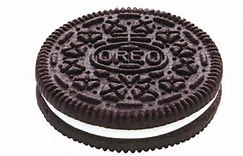
The Law of Conservation of Matter states that...
matter can simply appear.
matter can neither be created nor destroyed.
matter can simply disappear.
matter can change form between a solid, liquid, and gas.
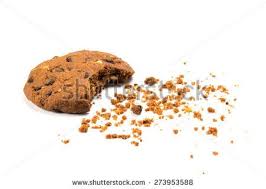
The Law of Conservation of matter states that the total amount of matter ______________ after it undergoes change.
disappears
stays the same
weighs less
explodes
The Law of Conservation of Matter states that...
matter can simply appear.
matter can neither be created nor destroyed.
matter can simply disappear.
matter can change form between a solid, liquid, and gas.

Kathy buys a 5-ounce cup of ice cream. The summer heat melts the ice cream before she can eat any. Which best describes the weight of the melted ice cream?
2.5 ounces
5 ounces
15 ounces
15 ounces
A jeweler melts silver to make jewelry. As the silver melts, the mass?
increases
decreases
is destroyed
stays the same

