
 Worksheets
IPC Unit 6 Test 3
Total questions: 24
Worksheet time: 1hrs 12mins
Name
Class
Date
1.
1. True or False. All waves need matter to move.
a)
True
b)
False
2.
2. Electromagnetic waves do not need
a)
space
b)
matter to move
c)
energy to move
d)
light
3.
3. A wave that must have a medium (matter) is called
a)
Electromagnetic
b)
Transverse
c)
Mechanical
d)
Compressional
4.
4. What is a sound wave considered?
a)
Mechanical
b)
Electromagnetic
c)
Transverse
d)
Microwaves
5.
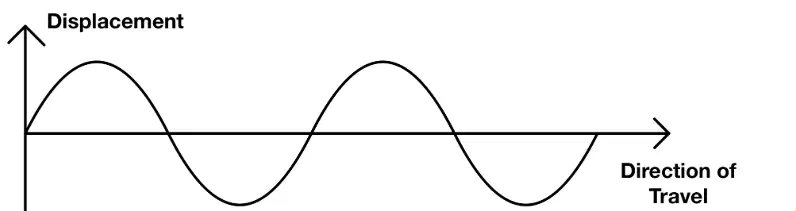
5. What is the wave pictured below?
a)
Compressional
b)
Longitudinal
c)
Transverse
d)
Mechanical
6.

6. What is the wave pictured below?
a)
Compressional
b)
Electromagnetic
c)
Transverse
d)
Mechanical
7.
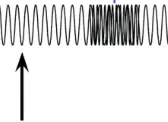
7. What part of the wave is the arrow pointing to?
a)
Crest
b)
Trough
c)
Compression
d)
Rarefaction
8.
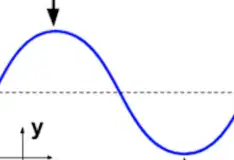
8. What part of the wave is the arrow pointing to?
a)
Crest
b)
Trough
c)
Compression
d)
Rarefaction
9.
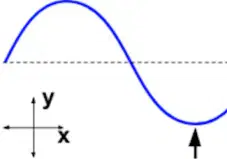
9. What part of the wave is the arrow pointing to?
a)
Crest
b)
Trough
c)
Compression
d)
Rarefaction
10.
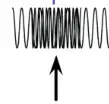
10. What part of the wave is the arrow pointing to?
a)
Crest
b)
Trough
c)
Compression
d)
Rarefaction
11.
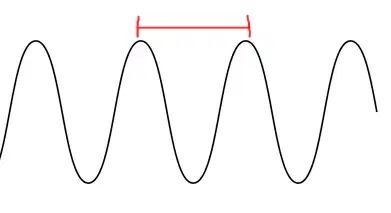
11. What is the distance between one point on a wave and the exact same place on the next wave?
a)
Frequency
b)
Wavelength
c)
Amplitude
d)
Wave speed
12.
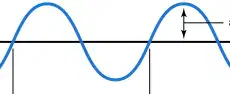
12. How far the wave moves from rest position is the
a)
Amplitude
b)
Frequency
c)
Wave speed
d)
Wavelength
13.
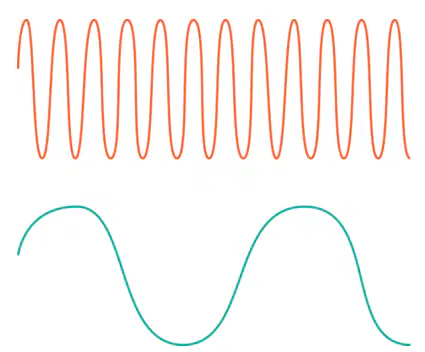
13. How many waves that go past a point in one second is the
a)
Amplitude
b)
Frequency
c)
Wave speed
d)
Wavelength
14.
14. Which is the correct formula to calculate wave speed?
a)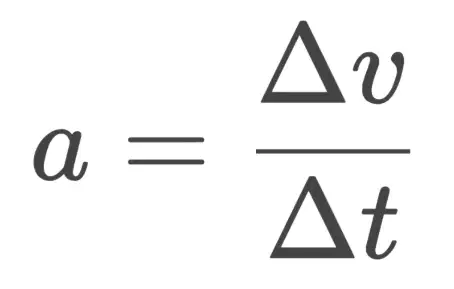
Option 1
b)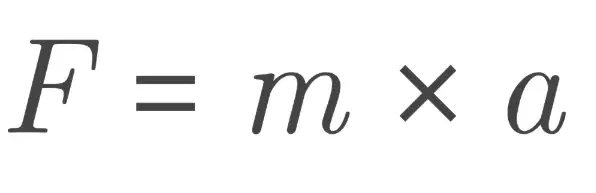
Option 2
c)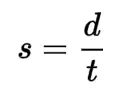
Option 3
d)
Option 4
15.
15. Which of the following is NOT a wave interaction?
a)
Reflection
b)
Refraction
c)
Wavelength
d)
Diffraction
16.
16. Reflection is
a)
When waves bounce off a surface
b)
When waves bend around objects
c)
When waves appear altered when placed in something else
d)
When two or more waves interact and meet
17.
17. Refraction is
a)
When waves bounce off a surface
b)
When waves bend around objects
c)
When waves appear altered when placed in something else
d)
When two or more waves interact and meet
18.
18. Diffraction is
a)
When waves bounce off a surface
b)
When waves bend around objects
c)
When waves appear altered when placed in something else
d)
When two or more waves interact and meet
19.
19. Absorption is
a)
When waves bounce off a surface
b)
When waves bend around objects
c)
When waves appear altered when placed in something else
d)
When waves are absorbed into a material
20.
20. Choose ALL of the following that are examples of wave reflection.
a)
Wave bouncing off a rock
b)
A pencil looking broken in water
c)
An echo in a cave
d)
Light reflecting off the ocean
21.
21. Which of the following is an example of refraction?
a)
An echo in a cave
b)
A pencil looking broken in water
c)
Hearing a teacher in the classroom down the hall
d)
Waves crashing into one another
22.
22. Which of the following is an example of absorption?
a)
An echo in a cave
b)
A pencil looking broken in water
c)
Hearing a teacher in the classroom down the hall
d)
Solar panels absorbing the sun's energy
23.
23. Which of the following is an example of diffraction?
a)
An echo in a cave
b)
A pencil looking broken in water
c)
Hearing a teacher in the classroom down the hall
d)
Waves crashing into one another
24.
24. True or False. In reflection, the angle at which the wave hits the surface will be the same as the angle that it leaves the surface.
a)
True
b)
False
100 %

