
 Worksheets
Biology Final Exam Sem 1 P1 - Dec 2024
Total questions: 25
Worksheet time: 25mins

What happens to blood vessels when body temperature falls?
Blood vessels dilate
Blood vessels constrict
Blood vessels remain unchanged
Blood vessels burst

What is the body's response when body temperature rises?
Blood vessels constrict
Sweat glands stop secreting fluid
Blood vessels dilate
Shivering occurs

What role do sweat glands play when body temperature rises?
They stop secreting fluid
They secrete fluid
They constrict
They generate heat

What is the effect of shivering on the body?
It cools the body
It generates heat
It dilates blood vessels
It stops sweat production

What happens to heat when blood vessels dilate?
Heat is retained
Heat is lost to the environment
Heat is generated
Heat is absorbed

What is the result of blood vessels constricting?
Heat is lost
Heat is retained
Heat is generated
Heat is absorbed

What happens to sweat glands when body temperature falls?
They secrete fluid
They stop secreting fluid
They dilate
They generate heat

What is the body's normal response to maintain temperature?
Blood vessels burst
Blood vessels dilate or constrict
Sweat glands always secrete fluid
Shivering always occurs

What happens to the body when heat is retained?
Body temperature rises
Body temperature falls
Body temperature remains constant
Body temperature fluctuates

What is the effect of fluid evaporation from sweat glands?
Heat is retained
Heat is lost from the body
Heat is generated
Heat is absorbed


What is the arrow pointing to?
vena cava
mitral valve
tricuspid valve
aorta
Which of the following are chambers of the heart?
Valves
Atrium and ventricle
Arteries and veins
Sinoatrial nerve
The right side of the heart contains...
Oxygenated Blood
De-oxygenated Blood
Both Oxygenated and De-oxygenated Blood
Water
The first chamber that blood enters in the Heart is...
The Atrium
The Ventricle
The Septum
The Aorta
What is the function of valves in the heart?
To keep the heart pumping
To create pressure
To prevent back flow of blood
To keep the blood warm
Your heart is an involuntary muscle that is always working.
True
False

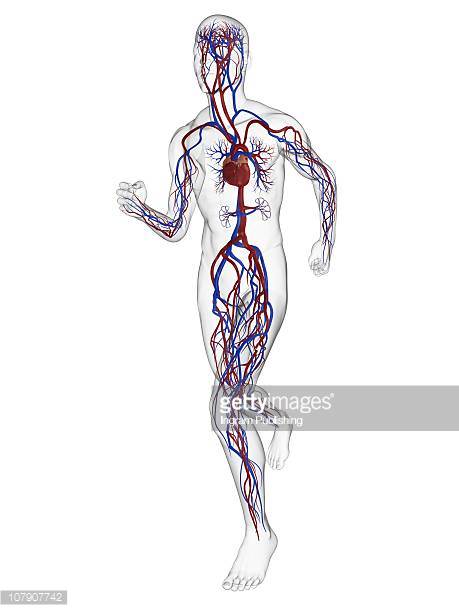
What is the main organ of the circulatory system?
small intestine
bone
lungs
heart
Arteries carry oxygen rich blood away from the heart.
True
False
Veins carry oxygen poor blood back to the heart.
False
True

