
 Worksheets
Energy Transfer, Ecosystems, Biomes
Total questions: 40
Worksheet time: 1hrs 7mins
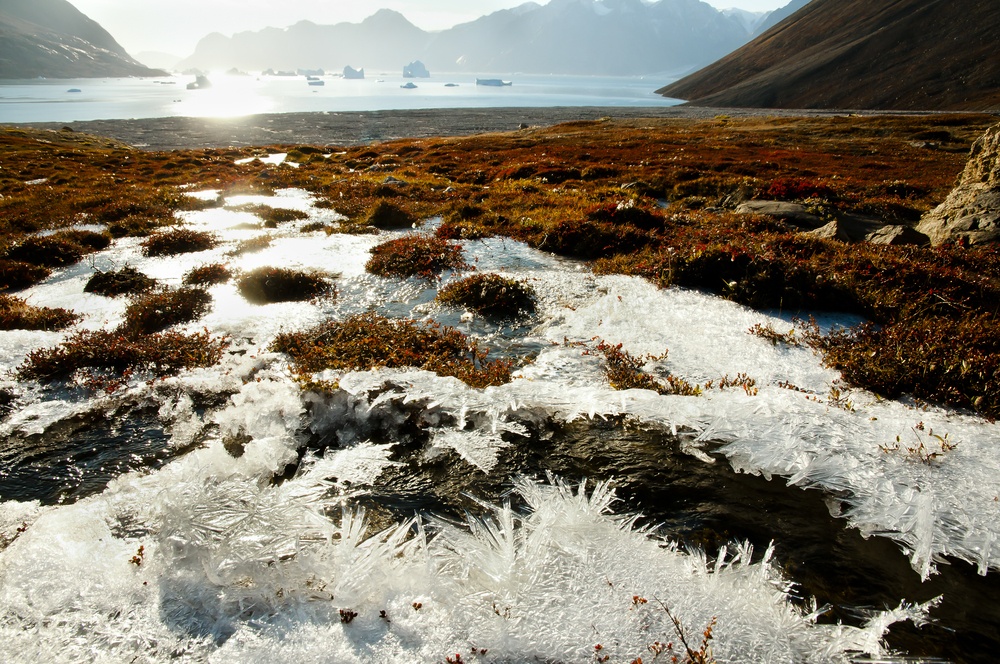
very cold dry biome that has a layer of permanently frozen soil
tundra
taiga
dessert
deciduous forest
What is permafrost?
frozen soil
top layer of all soil
a location where it snows
a dry area
Where can you find a mixture of fresh water and salt water?
estuary
wetlands
ocean
river
How do you classify a biome?
based on the climate and the plants and animals in it
location
weather
rainfall amount
A dense forest with a large variety of species and abundant rainfall.
Rainforest
Taiga/Boreal Forest
Deciduous Forest
Grassland
A forest located in northern regions consisting mainly of conifers.
Tundra
Taiga/Boreal Forest
Deciduous Forest
Rainforest
An area dominated by grasses instead of large shrubs and trees.
Desert
Grasslands
Deciduous Forests
Rainforest
A forest that contains trees that shed their leaves during a specific season.
Grasslands
Tundra
Taiga/Boreal Forest
Deciduous Forest
Which Biome receives the most rainfall per year?
Desert
Grassland
Rainforest
Tundra
Oak trees and maple trees can be found in which biome?
Desert
Deciduous Forest
Taiga/Boreal Forest
Rainforest
Which biome contains trees that generally lose their leaves in the fall?
Grassland
Deciduous Forest
Taiga/Boreal Forest
Tundra
Which animal would you find in the Tundra Biome?
Tiger
Polar Bear
Monkey
Alligator
Mountains and Ice are a biome.
True
False
A leafy roof formed by tall trees.
canopy
understory
deciduous trees
coniferous trees
A group of ecosystems with similar climates and organisms.
biome
tundra
desert
intertidal zone
A low-energy state similar to sleep that some mammals enter in the winter.
hibernation
intertidal zone
desert
savanna
Trees that produce their seeds in cones and have needle-shaped leaves.
coniferous trees
deciduous trees
canopy
understory
The area between the highest high-tide line and the lowest low-tide line.
intertidal zone
neritic zone
estuary
permafrost


In this energy pyramid, which level of organisms have the most energy available?
Producers
Carnivores
Herbivores
Top Predator
Why is the Coastal city of London, England relatively mild and rainy in winter for its latitude? Why is Quebec in central Canada, at the same latitude and during the same season, relatively dry and frigid?
London is near a warm water current, making it warmer.
London is near a cold water current making it cooler.
Quebec has a lot of trees making it cooler
Polar winds form north of London causing it to be warmer

San Diego, CA and Phoenix, AZ are located at similar lines of latitudes. Looking at the data, explain why San Diego, CA experiences different average temperatures than Phoenix, AZ.
San Diego, CA is near a warm water current, making it warmer.
Phoenix, AZ receives more precipitation than San Diego, CA causing it to have higher temperatures
San Diego, CA is near a cold water current, making it cooler.
Winds form high in the California mountains, making San Diego, CA cooler.

Examine the pictures, showing two sides of a mountain range. Which statement correctly identifies each side of the mountain?
Side A is the leeward side, while side B is the windward side
Side A is the windward side, while side B is the leeward side
Without knowing which side is East or West it is impossible to identify the Windward and leeward side
Both Mountain Side A and Side B are on the same side of the Mountain range but at different Latitudes

What will happen when warm, moist air in the prevailing wind has moved from the left side of the mountain to the right side of the mountain?
A rain shadow will form, causing heavy precipitation on the left side of the mountain
A rain shadow will form, causing heavy precipitation on the right side of the mountain
A rain shadow will form, causing little precipitation on the right side of the mountain
A rain shadow will form, causing little precipitation on the left side of the mountain
Which side of a mountain will be cooler - the windward or leeward side?
windward
leeward
both sides are cool
What is a rain shadow effect?
Darkened skies due to rainy weather
The inability to see shadows during the rain
An area where little precipitation occurs
A cloud containing a large amount of precipitation forms over one area
The _______ of a mountain range is the side that receives a lot of precipitation.
windward side
leeward side

California and Nevada are located at the same latitude but are separated by a mountain range. Which explanation best explains which state is on the windward side and which state is on the leeward side?
California is on the windward side due to the wind approaching from the south and it falls in the rain shadow effect zone.
California is on the windward side due to the wind approaching from the west and it has lots of vegetation due to rain.
Nevada is on the windward side due to the wind approaching from the west and it has little vegetation.
Nevada is on the leeward side due to the wind approaching from the east and it falls in the rain shadow effect zone.
Areas close to the sea have cooler summers and milder winters.
True
False

Cities that are closer to large bodies of water tend to have _____________ temperatures
more extreme temperature changes
less extreme temperature changes
4 distinct seasons
more sunshine

