
 Worksheets
24-25 S1 Final Exam Review
Total questions: 60
Worksheet time: 1hrs 10mins
This organelle takes food and turns it into ENERGY for plant and animal cells.
Chloroplast
Mitochondria
Endoplasmic Reticulum
Cell Membrane

Which part of the cell is often called "the brain of the cell"?
Chloroplast
Endoplasmic Reticulum
Nucleus
Mitochondria

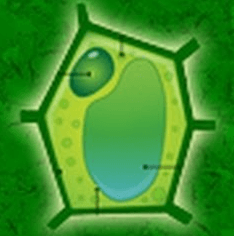
A rigid layer that lies outside the cell's membrane is...
Endoplasmic Reticulum
Nucleus
Cell Wall
Chloroplast

Name the organelle that makes food using energy from the sun.
Chloroplast
Mitochondria
Endoplasmic Reticulum
Nucleus


I store water in both plant and animal cells. What am I?
cytoplasm
Chloroplast
vacuole
Mitochondria

What is this?
mitochondria
cell wall
chloroplast
endoplasmic reticulum

Which organelle is the labeled "4" in this picture?
Nucleus
Cell Wall
Cytoplasm
Cell Membrane
Which organelle is the labeled "1" in this picture?
Nucleus
Cell Wall
Chloroplast
Mitochondria
Which organelle is the labeled "3" in this picture?
Cytoplasm
Chloroplast
Vacuole
Cell Membrane

What type of cell is in the picture?
plant
fungi
animal
bacteria

What is the function of this organelle?
make protein
make sugar
make energy
hold the cell up


What are the reactants of photosynthesis?
A series of chemical reactions that convert the energy in food molecules into a usable form of energy called ATP:
cellular respiration
diffusion
pinocytosis
osmosis
A ________ is a group of 2 or more organs working together to keep an organism alive.
cell
tissue
organ
Organ system
The ______ system helps you move, protects your organs, gives support to the body, and makes red blood cells.
skeletal system
muscular system
digestive system
respiratory system
The ________ system works with the skeletal system to help you move and provides shape and warmth.
skeletal
integumentary
muscular
digestive
The _____ system's function is to break down food into molecules that the body (cells) can use for energy.
muscular
digestive
respiratory
endocrine
The _____ system is a transport system, carrying oxygen, carbon dioxide, and wastes to and away from cells using the heart and blood.
endocrine
circulatory
respiratory
excretory
The ______ system's function is gas exchange. It brings oxygen in and exhales carbon dioxide with the lungs, trachea, and diaphragm
endocrine
excretory
circulatory
respiratory
This system controls the body using the brain, spinal cord, and nerves.
nervous system
endocrine system
excretory system
digestive system
The ______ system removes the body's wastes through the kidneys (cell wastes), digestive (feces), respiratory (CO2), and integumentary (salts/sweat)
excretory
digestive
respiratory
circulatory
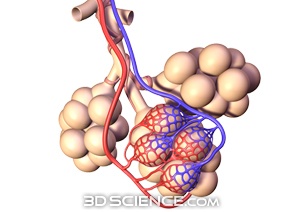
All living things are made up of structural units called
DNA
Cells
Blood
Seeds
Identify the main parts of the nervous system.
nerves
brain
heart
spinal cord
pancreas
Identify the main parts of the circulatory system.
veins
arteries
blood
capillaries
heart
Receives stimuli and transports impulses, coordinates actions and reactions in the body
Integumentary
Nervous
Circulatory
Respiratory
Which of the following is a component of the circulatory system?
heart
blood vessels
blood
all answers
What system provides padding for bones and allows the body to move?
Nervous System
Skeletal System
Muscular System
Digestive System
Respiratory System
What body system works with the nervous system to allow a person to take a deep breath before going under water?
Respiratory System
Skeletal System
Digestive System
Circulatory System
Muscular System
Which system in the human body includes the heart, blood, arteries, and veins?
cardiovascular
muscular
digestive
respiratory

Removes wastes from blood.
excretory system
lymphatic system
endocrine system
digestive system

Integumentary
Nervous
Circulatory
Respiratory

Allows movement of body parts.
skeletal system
digestive system
excretory system
muscular system
This organ is part of the digestive system.
lung
heart
brain
stomach
In pea plants, round seeds (R) are dominant to wrinkled seeds (r). Which of the following represents the genotype of a pea plant that is heterozygous?
RR
round
Rr
wrinkled
rr
In pea plants, round seeds (R) are dominant to wrinkled seeds (r). Which of the following represents the genotype of a pea plant that is homozygous dominant?
RR
round
Rr
wrinkled
rr
If black fur is dominant and white fur is recessive, what genotype would an organism with white fur have?
FF
Ff
ff


In the punnett square below, what belongs in the missing square

According to the Punnett Square, what is the probability of an offspring being purple?


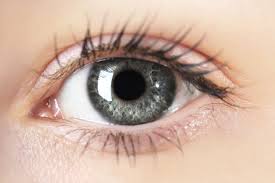

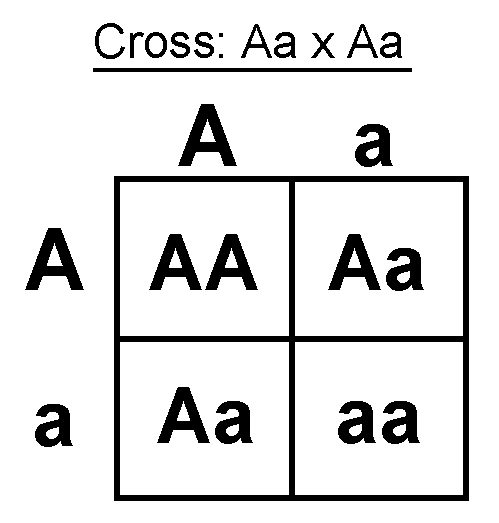
What are the possible phenotype(s) of the offspring? (A-Brown hair; a-blond hair)
50 % Brown Hair and 50% Blond Hair
25 % Brown Hair and 75% Blond Hair
75 % Brown Hair and 25% Blond Hair
0% Brown Hair and 100% Blond Hair
What are the possible phenotype(s) of the offspring? (A-Brown hair; a-blond hair)
50 % Brown Hair and 50% Blond Hair
25 % Brown Hair and 75% Blond Hair
75 % Brown Hair and 25% Blond Hair
0% Brown Hair and 100% Blond Hair

Brown eyes are dominant over blue eyes. What is the probability that the offspring will have brown eyes in this cross?
25%
50%
75%
100%
Who was Gregor Medel
A scientist and priest who studies pea plant traits.
The "father" of modern genetics.
He discovered patterns of inheritance.
All of the statements above are correct.

