
 Worksheets
Germ Theory, Bacteria vs. Viruses
Total questions: 20
Worksheet time: 24mins
Organize each as either belonging to Bacteria or Viruses.
protein coat called a capsid
non-living
needs a host
lytic and lysogenic cyles

living organism
single-celled
circular DNA called plasmid
has ribosomes for building proteins
binary fission, conjugation, budding

Scientific theories are based on...
evidence
opinion
belief

A bacteriophage is a virus that targets and kills bacteria. This can be beneficial to humans because some bacteria cause...
sexual reproduction by budding
the destruction of host cells
diseases such as strep throat, tuberculosis, and salmonellosis (food poisoning)
diseases such as COVID and HPV or HIV.

A bacteriophage virus harms its host bacteria cell by...
repairing its cell wall
disrupting the cell's metabolism
making more bacterial proteins
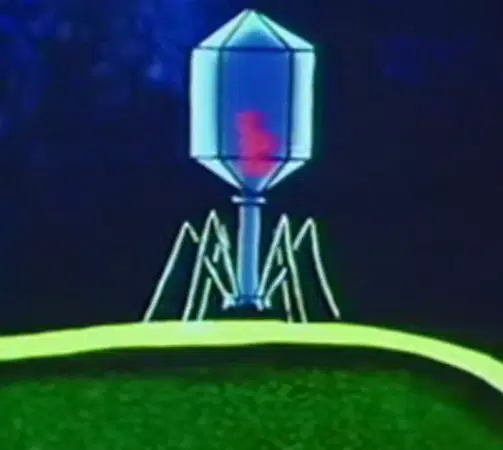
Once a virus binds to surface proteins on a host cell, it...
transmits its viral DNA by injecting it into the host cell
immediately breaks the cell open, releasing organelles
uses its enzymes to destroy organelles
Which of the following are parts of the virus' reproduction? Select all correct answers.
the host cell replicates the virus' genetic material
the host cell's ribosomes build viral proteins
new viruses assemble inside the host cell
the cell's lysosomes destroy viral proteins
Based on how these names are written, categorize them as either bacteria or viruses.
HSV-1
COVID-19
SARS-CoV-2
Streptococcus mutans
Escherichia coli
Vibrio cholerae
Which of the following bacteria species are in the same genus as Bacillus cereus?
Select all correct answers.
Match each domain of life to its description.
multicellular, eukaryotic, may or not have a cell wall
Eukarya
unicellular, prokaryotic, cell wall with NO peptidoglycan
Archaea
unicellular, prokaryotic, cell wall with peptidoglycan
Bacteria
What are some ways bacteria can reproduce? Select all correct answers.

Binary Fission

Conjugation

Budding

Meiosis
Match the the types of bacterial reproduction to their descriptions.
2 bacteria cells connect and exchange plasmid DNA
Conjugation
A small growth (bud) appears on a parent bacterium and then grows into an identical, separate bacterium.
Budding
A bacteria cell copies its DNA, elongates, and splits into 2 identical cells.
Binary Fission
Match each scientist and their contribution to Germ Theory.
proved that bacteria cause "contamination" using open vs. closed containers
Pasteur
sterilized tools before surgery and prevented infection
Lister
identified disease-causing bacteria under a microscope
Koch
Categorize each as living or nonliving.


Reorder the steps of virus reproduction:
The virus attaches to proteins on the cell's surface
The virus transmits its DNA to the inside of the host cell
The host cell's DNA is destroyed
The host cell replicates viral DNA and builds its proteins
New viruses assemble and then burst open the cell
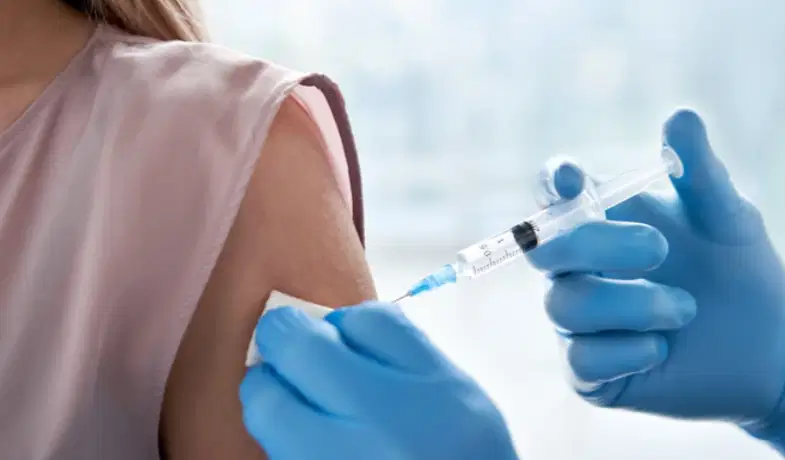
What is true about vaccines?
(select all correct answers)
They are not effective because some vaccinated people still get sick.
They can prevent diseases
They treat infection after it occurs
They mostly target viruses
They train your immune system to fight infection

Click on the image to view the graph.
What likely happened after 1960?
Cases of polio decreased once a vaccine was developed.
Cases of polio steadily increased because more people became immune.
Cases of polio decreased once antibiotics were developed to kill the virus.
Cases of polio increased when the virus mutated and spread.
What is true about antibiotic resistance?
(select all correct answers)
it is increasing
it is decreasing
it means germs are harder to kill
it means our antibiotics are more effective
it implies that bacteria are mutating and evolving
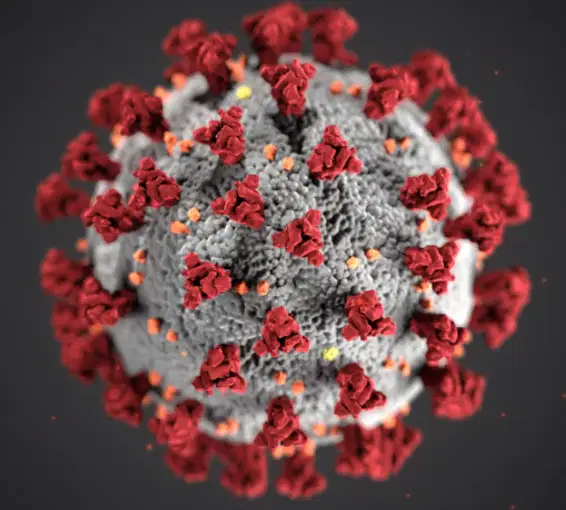
Most scientists consider viruses to be nonliving.
What virus characteristics might make a scientist consider it to be living?
(select all correct answers)
it has genetic material (DNA or RNA)
it is unicellular
it has organelles like ribosomes and mitochondria
it mutates and evolves
it can reproduce inside a host

Which characteristics belong to bacteria?
(select all correct answers)
cell wall made of peptidoglycan
protein coat called a capsid
circular DNA called a plasmid
organelles like ribosomes
reproduces via the lytic cycle
What is true about germ theory?
(select all correct answers)
it is not based on evidence
it supports that microbes like bacteria and viruses can cause disease
it is supported by the discoveries of Pasteur, Lister and Koch
it lead to public health practices like hand washing and sanitation.
it claims vaccines are not an effective way to stop the spread of disease

