
 Worksheets
Earth/Environmental Final (Short)
Total questions: 50
Worksheet time: 34mins
Cracks in rocks widen when the water in them freezes and thaws. How does this affect the Earth's surface?
Reduces soil formation rates.
Changes the chemical composition of the rocks.
Exposes rocks to higher rates of erosion and weathering.
Limits the exposure of rocks to acid rain.
Thermal energy is most closely associated with the creation of which types of rocks?
Igneous and Sedimentary
Sedimentary and Metamorphic
Igneous and Metamorphic
Igneous, Sedimentary, and Metamorphic
Which of the following soil particles is the largest?
Sand
Silt
Clay
Loam
Which of the following is most likely to contribute to chemical weathering?
Water
Wind
Acid
Ice
Which of the following landforms is most likely to be created by wind erosion?
Mountain ranges
Rift valleys
Sand dunes on beaches
Sinkholes
A family wants to build a house in an area where the risk of earthquake damage is low. Where would be the worst place to build their house?
Near a plate boundary
Near the coast
In the Appalachian Mountains
In the Piedmont
Which of the following geological hazards is the least likely to occur in North Carolina?
Flood
Landslide
Tsunami
Sinkhole
What are the two types of volcanic eruptions?
Slow eruptions and fast eruptions
Underground eruptions and surface eruptions
Explosive eruptions and effusive eruptions
Hot eruptions and cold eruptions
The Law of Superposition states that the top layer is the...
youngest
oldest
weakest
strongest
The water cycle has
a beginning and an end.
no beginning and no end.
only a beginning.
only an end.
Which energy source evaporates the most water from the Earth's surface?
volcanoes
the sun
lightning
wind
When water changes from liquid to solid it is known as...
fusion.
condensation.
freezing.
evaporation.

When water changes from a liquid to a gas in plants it is called...
condensation.
evaporation.
sublimation.
transpiration.
When water changes from solid to liquid it is known as...
melting.
condensation.
freezing.
evaporation.
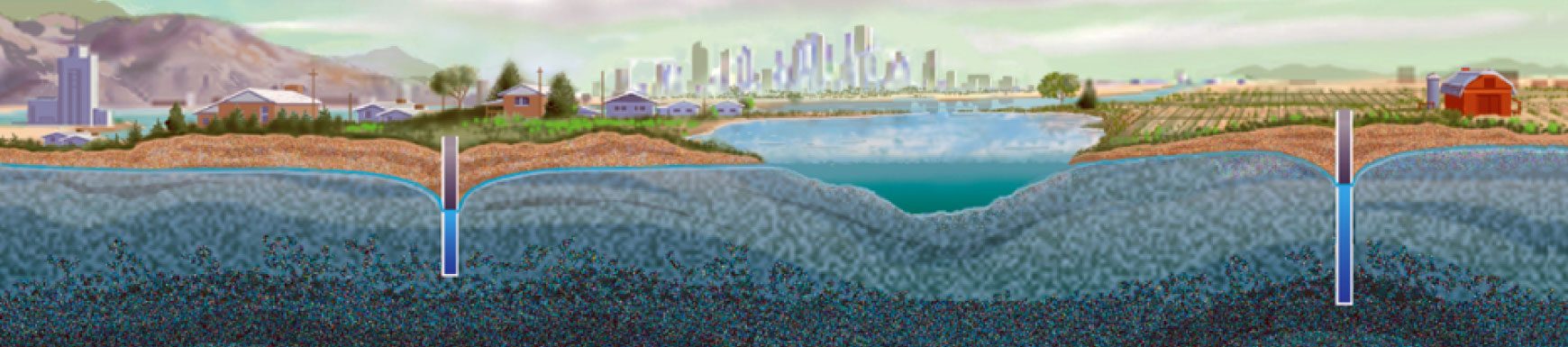
______________________ is the water that is beneath the earth's surface in sediments or rock formations.
watershed
water pollution
wastewater
groundwater
What is the correct chemical formula for water?
H2O
HO2
H2O2
2H1O
At what temperature does water freeze?
0o C
100o C
32o C
-273o C
Large bodies of water do not fluctuate rapidly in temperature. Why?
Water is a solvent.
Water has a high Specific Heat.
Water acts as a buffer.
Water is non-polar.
78% of the gas in the troposphere is...
argon
carbon dioxide
oxygen
nitrogen
Which gas in the stratosphere absorbs harmful ultraviolet light?
carbon dioxide
oxygen gas
ozone
argon
What is specific heat?
How hot something is, specifically.
Energy of water
The amount of energy needed to increase the temperature of something by 1 degree Celsius.
Energy of the earth
The transfer of thermal energy due to direct contact is called
Convection
Conduction
Radiation
Rotation
The transfer of thermal energy through liquids and gases due to uneven heating is called:
Convection
Conduction
Radiation
Revolution
The transfer of thermal energy by electromagnetic waves is called:
Convection
Conduction
Radiation
Uneven heating
A cold and dry air mass would be called -
continental tropical
continental polar
maritime polar
continental maritime

A meteorological front _____________ occurs when a cold air mass and a warm air mass meet, but cannot move each other, so both remain stationary for several days.
Cold
Warm
Stationary
Occluded
What type of weather is usually associated with a high-pressure system?
Sunny weather
Precipitation (rain, snow, etc.)
In which layer of the atmosphere do meteors burn up?
Troposphere
Stratosphere
Mesosphere
Thermosphere
Which layer of the atmosphere is the outermost layer?
Troposphere
Stratosphere
Mesosphere
Exosphere
What is the most important factor in determining the climate?
elevation
an ocean
latitude
mountain
A tropical climate in the U.S. would be?
Virginia
New York
California
Florida
A polar climate in the U.S.?
Virginia
New York
Maine
Alaska
How is the climate at the top of a mountain compared to the base of the mountain?
warmer
cooler
drier
more humid
Climates are classified according to which two main factors?
elevation & precipitation
latitude & temperature
elevation & latitude
precipitation & temperature
Is Virginia?
polar
temperate
tropical
desert
Which human activity contributes the most to climate change?
Planting trees
Recycling waste materials
Burning fossil fuels
Constructing more efficient buildings
What natural process removes carbon dioxide from the atmosphere?
forest fires
volcanic eruptions
cellular respiration
photosynthesis
What does "temperate" mean?
Average temperature
Hot
Cold
A wide range of temperature
Which of the following is NOT an example of a decomposer?
fungus
leaves
mold
worm
Example of a decomposer
fungus
mouse
plants
frogs

In the energy pyramid here, which organisms have the most energy available?
Producers
Carnivores
Herbivores
Top predator
By what percentage does energy decrease as you move up the pyramid?
100%
1000%
10%
1%
A system of food chains that shows the transfer of energy is called
food web
food chain
prey
predator
What happens when different species try to occupy the same niche?
The species compete with each other
The species cooperate with each other
The species coexist with each other
All of the above
What is a niche?
The habitat in which an organism lives
The “role” of an organism in an ecosystem
A type of consumer
The relationship between a producer and a consumer
The first organism in a food chain is ALWAYS a:
producer
consumer
decomposer
Any of the above
When the birth rate is high and the mortality rate is low...
the population increases
the population decreases
the population remains the same
all of these
In what type of relationship do both species benefit?
parasitism
mutualism
commensalism
predation
Barnacles grow on whales. The whales give the barnacles a place to live, but the barnacles neither help nor harm the whale. What type of relationship is this?
commensalism
mutualism
parasitism
predation
What are the 3 words to remember about rising air?
Secure, Contain, Protect
Cuddle, Comfort. Cushion
Pressure, Precipitation, Point Source
Cool, Condense, Clouds

