
 Worksheets
1st Semester Anatomy & Physiology Review
Total questions: 80
Worksheet time: 50mins

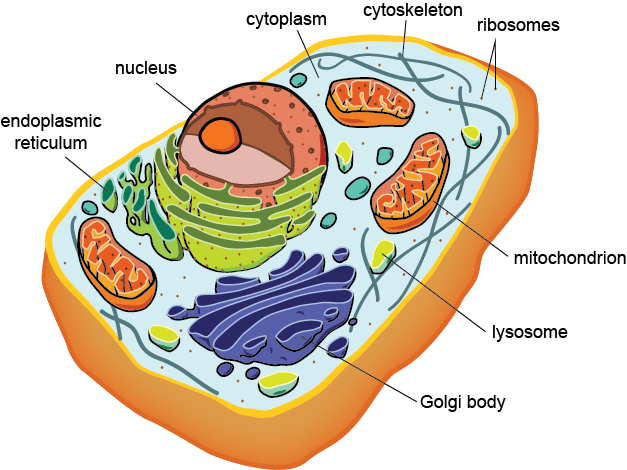
Unicellular organism that lacks a nucleus
Prokaryotic Cell
Eukaryotic Cell
A ____ is used at the BEGINNING of a word to indicate number, location, or time.
suffix
combining form
word root
prefix
Match the following
ology
study of
ologist
specialist
iatry
medical treatment
latrist
specialist providing treatment
otomy
making a cut /removing a part of
Gastro-
Small Intestines
Stomach
Gas
-al
Pertaining to
Many
Under
-pathy
Path
Movement
Disease
-algia
Joint
Fungus
Pain & suffering
Ot-
Ear
Outer
Bone
-plasty
Surgical repair
Plastic
Pus


What is anatomical position?
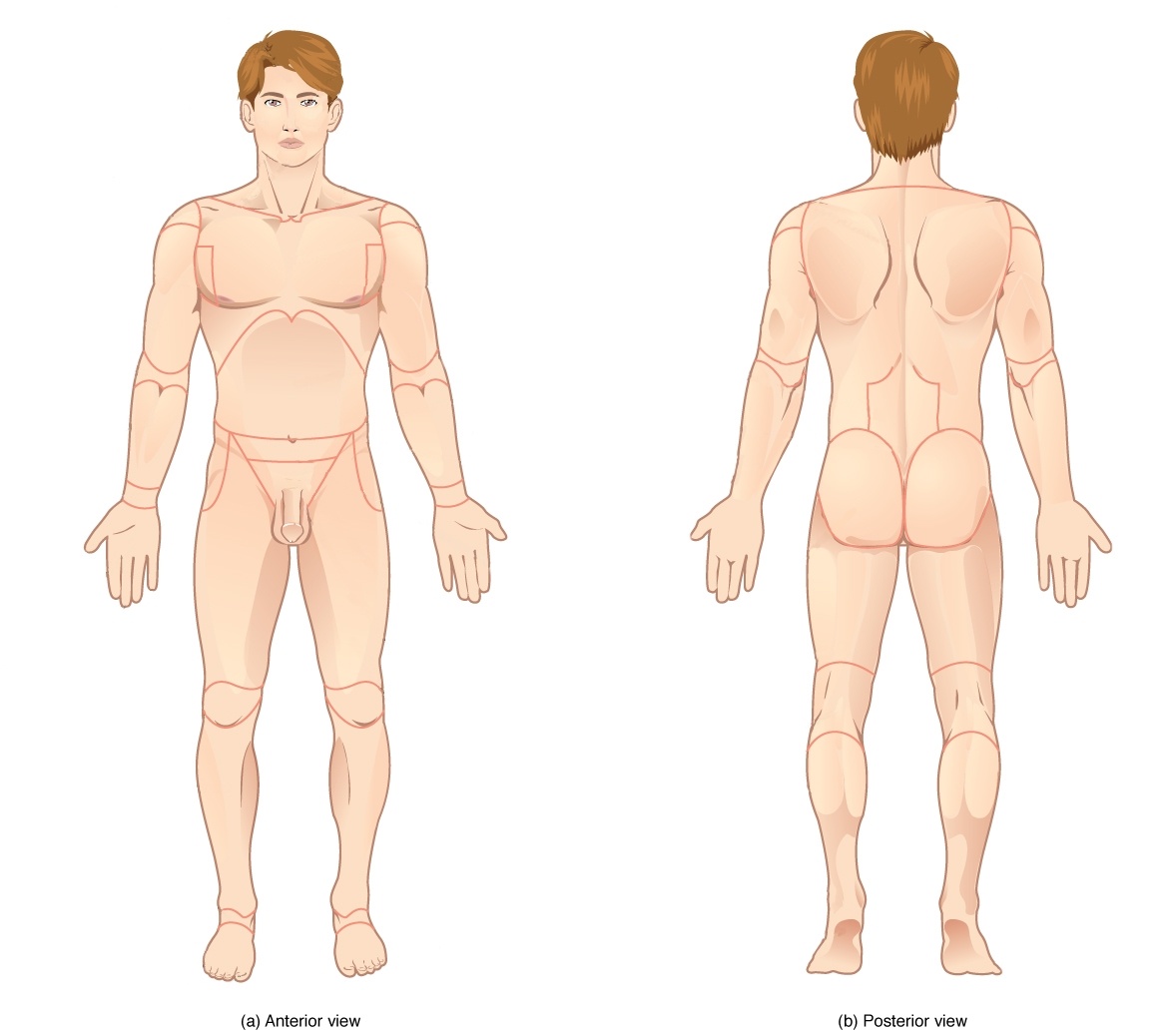
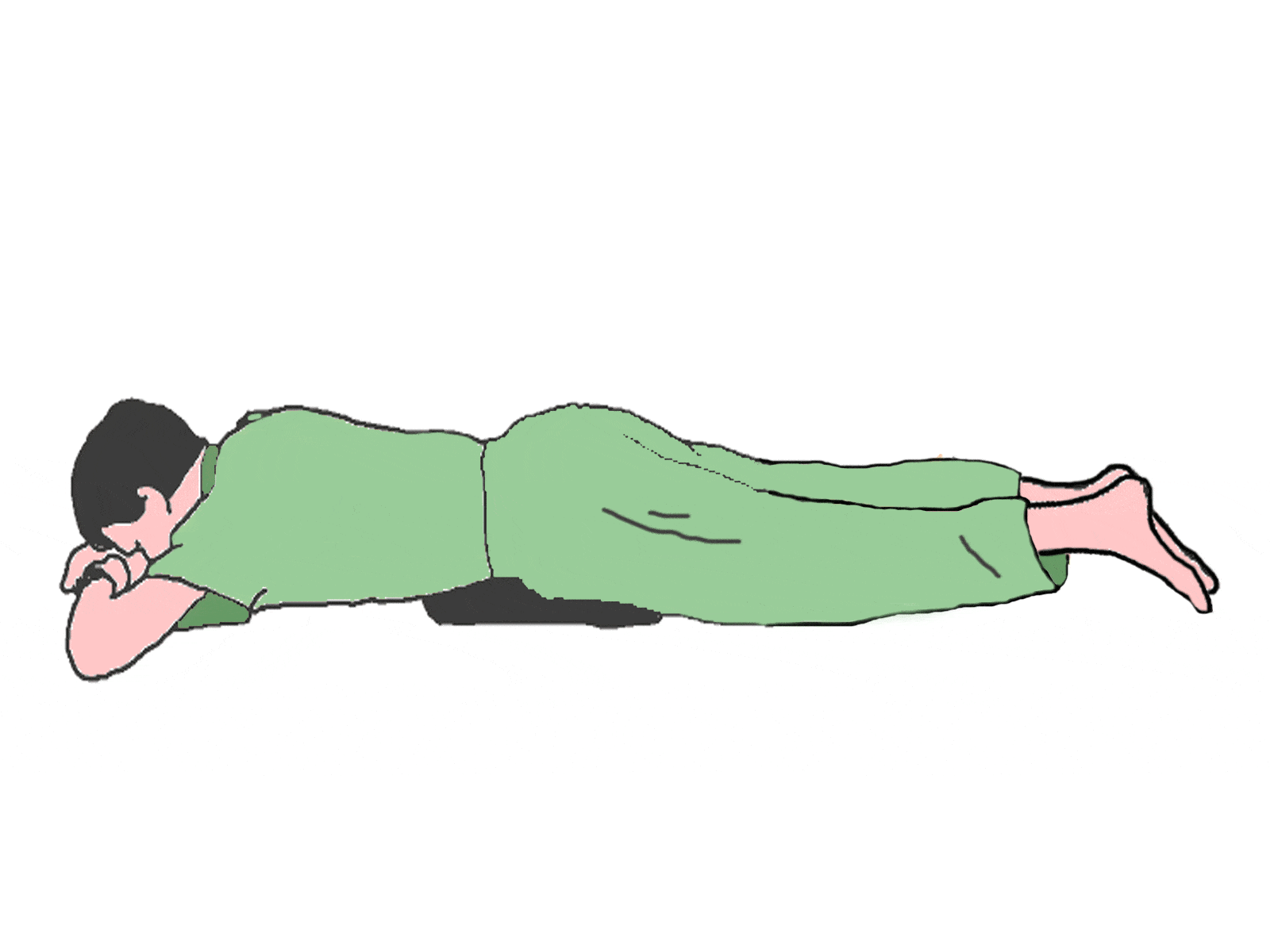
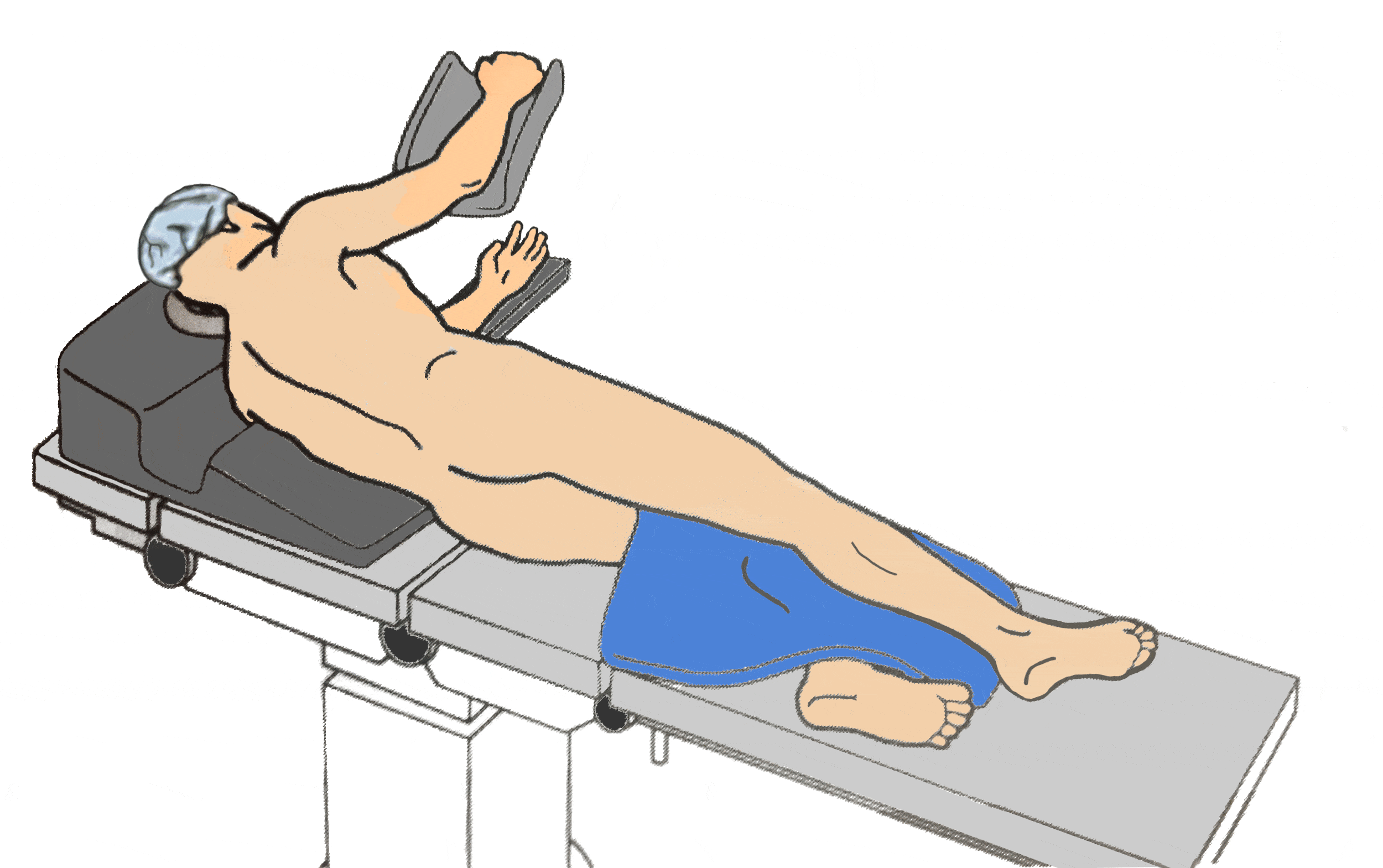
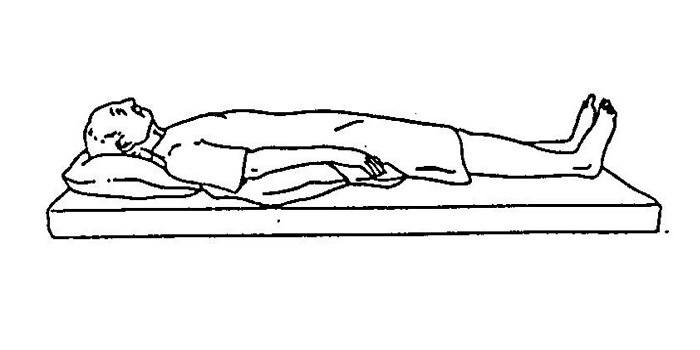
You find a patient laying face down, which position is this?
Supine
Anterior
Prone
Superior
A 47 year has fallen and is laying on her back, what position is this?
Lateral
Prone
Superior
Supine
Which term is used to describe the front of the human body?
Lateral
Medial
Anterior (ventral)
Superior
What term refers to the back of the human body?
Inferior
Posterior (dorsal)
Distal
Proximal
What does the term "medial" refer to in anatomical direction?
Away from the middle
Towards the side
Towards the middle
Away from the side
What does the term "lateral" refer to in anatomical direction?
Towards the middle
Towards the side
Above
Below
What does the term "inferior" refer to in anatomical position?
Above; Toward the head
Below; Away from the head
Toward the front of the body
Toward the back of the body
Which example is correct for the use of the term "superior" in anatomy?
Superior = Floor
Superior = Skull
Superior = Hand
Superior = Foot


Which of the following is the correct order of the Cell Cycle?
Interphase, Mitosis, Cytokinesis
Mitosis, Cytokinesis, Mitosis, Interphase
Prophase, Metaphase, Anaphase, Telophase
Interphase, Prohase, Cytokinesis

Cytokinesis is the first stage of mitosis.
True
False

The (a) system is unique because it is the largest and only single-organ system in the body. It protects the body from the external environment and helps regulate body temperature.

Which are part of the integumentary system?
Muscles, skeleton, bone marrow
Hair, skin, bones
Hair, skin, nails
Brain, spinal cord, nerves

What part of the integumentary system sends and receives messages?
Glands
Hair
Nails
Nerves

Which is not a function of the integumentary system?
Protection against foreign objects
Sweating/cooling
Insulating/warming
Urinating

How is your body cooled?
Hair
Fat
Oil glands
Sweat

How does your epidermis protect you from germs?
By oil secretions
By forming a boundary of protection
By hair as protection
By sweat

What is the largest organ of your body?
Liver
Kidneys
Skin
None of the above

How does hair protect us?
By keeping us cooler
By keeping us warmer
By providing a boundary against germs
Waterproofing

What is the last deepest layer of our skin? What is its function?
Epidermis--protection
Subcutaneous fat layer--glands and nerves
Fat--cooling and protection
Fat--warmth

Which does NOT show homeostasis of the skin?
Keeping foreign objects out
Sweating to maintain body temperature
Releasing excess salts through pores
Keeping oxygen levels healthy

Check ALL which are parts of the integumentary system.
Hair
Kidneys
Nails
Skin

Check ALL facts that are true about the integumentary system
Vitamin D is produced in the skin
Blood volume is regulated in the integumentary system
Skin is mostly dead
Integumentary systems works with the nervous system
Integumentary system works with the excretory system
What is the function of adipose tissue in the hypodermis?
Insulation
Production of sweat
Production of oil
Production of melanin
What happens to the skin in a third degree burn?
Only the epidermis is affected
Epidermis and part of the dermis are affected
Epidermis and all of the dermis are affected
Bones and muscles are affected
How do melanocytes protect the body?
They make melanin which filters UV radiation helping to prevent skin cancer
They make melanin which helps in keeping nutrients in
They make melanoma which is important in maintaining temperature
Melanocytes are responsible for all the girls named Melanie
How do first-degree burns differ from second-degree burns?
First-degree burns only affect the epidermis; second-degree burns can extend into the dermis
First degree-burns are painless; second-degree burns hurt a lot
First degree-burns can extend into the dermis; second-degree burns only affect the epidermis
First degree-burns hurt a lot; second-degree burns are painless
What type of sources do not cause burns?
Heat
Electricity
Radiation or Sun
Water
Third Degree burns penetrate all skin layers as well as tissue beneath the skin.
True
False
What should the 1st thing you do when getting a 3rd degree burn?
Apply antibiotic ointment
Dress the burn with gauze
Run cool water over the area
See a doctor right away
Match the following joint types to their images

ball and socket joint

hinge joint

fixed joint

pivot joint
What two minerals are bones primarily made up of?
Carbon and Nitrogen
Calcium and Phosphorus
Gold and Silver
Red bone marrow produces...
Fat
Energy
Blood Cells
We keep some of our cartilage to prevent our bones from...
breaking
rubbing up against each other
strong
healthy
Which joint allows little to no movement?
All joints
Immoveable joints
Moveable joints
Which type of joint allows you to bend and straighten your knee?
Hinge
Ball and Socket
Gliding
Pivot
How are moveable joints held together?
Tendons
Bones
Cartilage
Ligaments
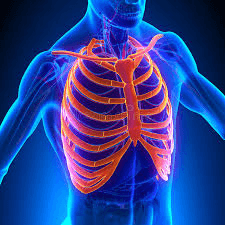
What bone is highlighted?
Ribs
Cranium
Clavicle
Femur

What bone is highlighted?
Vertebrae
Femur
Cranium
Ribs
What does the cranium protect?
heart
eyes
brain
lungs

4
radius
metacarpals
femur
humerus

What bone is in red?
carpals
humerus
radius
ulna

What bone is shown in red?
clavicle
humerus
radius
ulna

What bone is shown in red?
clavicle
humerus
scapula
ulna

What bone is shown in red?
clavicle
humerus
scapula
ulna

What bone is shown in red?
femur
fibula
patella
tibia
The ends of your fingers and toes are called
carpals
mandibles
phalanges
tarsals

What bones are shown in green?
carpals
metacarpals
metatarsals
tarsals

What bone is shown in red?
carpal
metacarpal
metatarsal
tarsal

What bones are shown in red?
pelvis
ribs
sternum
vertebrae

What bone is shown?
cranium
mandible
metacarpals
tibia

Name "a" (the end of the bone)
Epiphysis
Diaphysis
Articular Cartilage
Medullary Cavity

Name "b" (the shaft of the bone)
Diaphysis
Articular Cartilage
Medullary Cavity
Periosteum

Name "g" (yellow area)
Medullary Cavity
Articular Cartilage
Periosteum
Spongy Bone
Which layer of the skin is responsible for producing new skin cells?
Subcutaneous
Epidermis
Hypodermis
Dermis

