
 Worksheets
9. World Geography Post Test Review
Total questions: 43
Worksheet time: 23mins

Which cardinal direction is often associated with the "right" side?
North
East
South
West
(SSWG4-c) What is the name given to informal housing areas on the outskirts of Latin American cities?
(a)
(SSWG4-a) The demographic transition model explains changes in...
Population growth, birth rate, and death rate
economic development, urbanization, and industrialization.
migration patterns, fertility rates, and life expectancy.
agricultural practices, climate change, and resource distribution.
Which of the following is the least significant contributor to health issues in African countries?
Poor Sanitation
Political Instability
Encounters with Dangerous Wildlife
Lack of Healthcare Facilities
What was the main objective of the "One Child Policy" implemented by China in 1979?
boost the country's workforce.
limit the fast-growing population.
encourage the shift to urban areas.
accelerate economic progress.
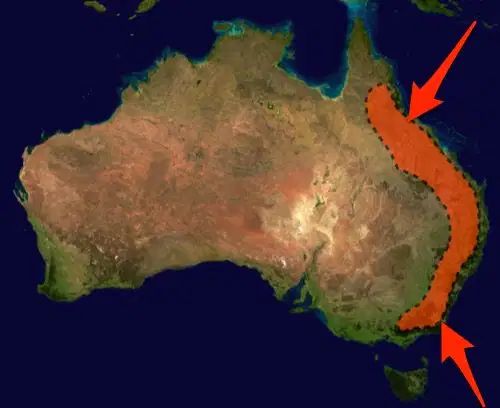
Which community was impacted by the 'Stolen Generations' policies in Australia?
(a)
(SSWG3-c) What was the primary conflict that resulted in the United States gaining independence from British rule?
Civil War
War of 1812
Mexican-American War
Revolutionary War
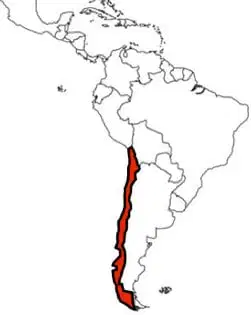
(SSWG3-b) Which country is highlighted on this map?
Peru
Ecuador
Chile
Venezuela
(SSWG3-b) How does a nation differ from a state in terms of cultural and political identity?
A nation is defined by its political boundaries, while a state is defined by its cultural identity.
A nation is a group of people with a common cultural identity, while a state is a political entity with defined borders and governance.
A nation is a political entity with a sovereign government, while a state is a cultural group with shared traditions.
A nation is a collection of states with similar political goals, while a state is a single entity with a unified culture.
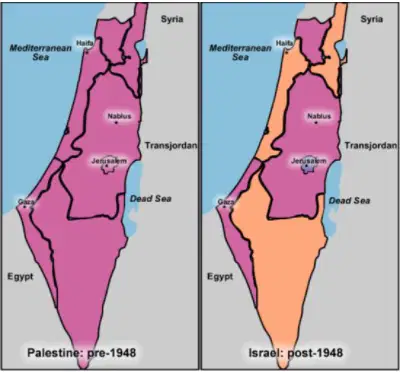
What was a significant reason for the establishment of Israel as a nation-state in 1948?
The League of Nations mandated the creation of a Jewish state after World War I.
The United Nations supported the establishment of a Jewish homeland following the Holocaust.
Palestine was divided to prevent Soviet influence in the region after World War II.
The United States aimed to establish a democratic ally in the Middle East to counter communism.
Which conflict led to the mass exodus of the "Lost Boys" from Sudan?
Boer Wars
World War 2
Second Sudanese Civil War
Rwandan Genocide
What significant political change occurred in 1947 concerning British India?
The division of India into separate states based on language
The creation of two sovereign nations, India and Pakistan
The establishment of a single unified Indian nation
The drafting of a new constitution for a united India
What was one of the main objectives of the Antarctic Treaty of 1961?
To prevent military operations in Antarctica.
To stop the creation of new nations.
To prohibit all human activities.
To restrict the building of permanent bases.
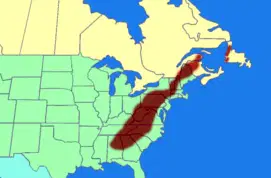
(SSWG1-a) Which mountain range extends from the northeastern United States to the southeastern United States?
Rocky Mountains
Appalachian Mountains
Sierra Nevada
Cascade Range
(SSWG5-c) Which of the following is a non-renewable energy source?
solar
wind
nuclear
hydropower
(SSWG5-c) What is one of the environmental consequences of deforestation?
Deforestation increases the amount of oxygen in the atmosphere.
Trees absorb carbon dioxide and give out oxygen.
Cutting down trees has no impact on soil erosion.
Trees are not important for the water cycle.
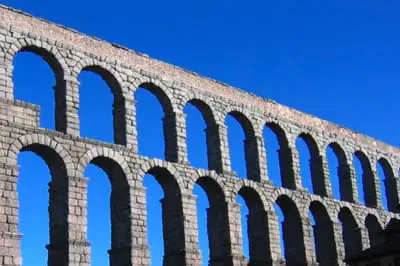
Why did the Romans build aqueducts?
To divert water from enemy territories.
To supply cities with water from distant sources.
To create waterways for transporting goods.
To perform rituals dedicated to water deities.
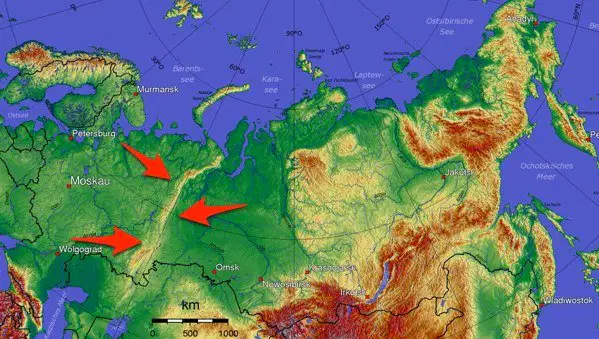
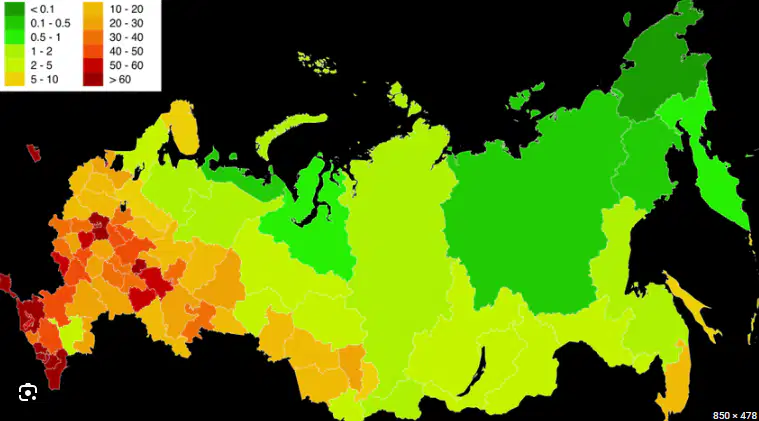
Which mountain range in Russia is indicated by the red arrows?
Himalayas
Andes
Urals
Rockies
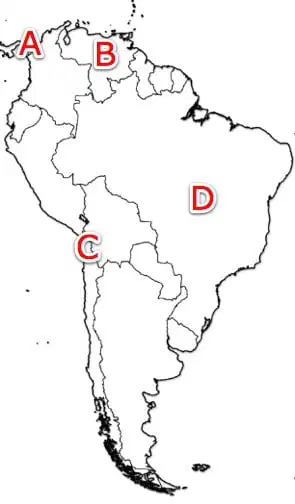
(SSWG1-b) Which of these letters is NEAREST to the Andes Mountains?
A
B
C
D
Which ancient civilization thrived in the region between the Tigris and Euphrates rivers?
Ancient Egypt
Indus Valley
Mesopotamia
Maya
The annual flooding of rivers such as the Nile and Tigris in ancient times resulted in:
a lack of permanent settlements due to unpredictable water levels.
the development of advanced irrigation techniques to manage water supply.
a scarcity of resources leading to frequent conflicts.
the abandonment of river valleys as unsuitable for agriculture.
Which geographical area has experienced several oil spill incidents affecting its ecosystem in recent years?
Lake Victoria
Congo River
Niger Delta
Kalahari Desert
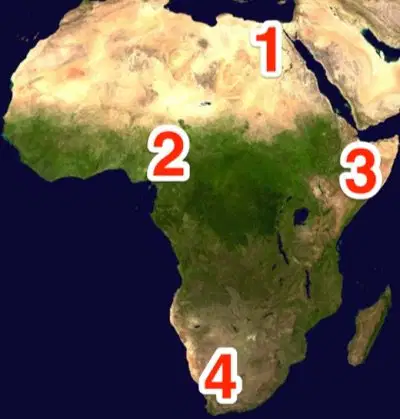
Which mineral is abundantly found in Australia and led to an influx of immigrants?
Gold
Copper
Nickel
Tin
(SSWG2-b) The concept of the United States as a "melting pot" suggests which of the following about its cultural dynamics?
Cultural differences are completely erased in favor of a single dominant culture.
Various cultures coexist without influencing each other.
Diverse cultures blend together to form a unified national identity.
Each culture remains entirely separate and distinct from others.
(SSWG2-e) Which scenario is an example of cultural diffusion?
Which ancient religion has significantly influenced the development of both Christianity and Islam?
Zoroastrianism
Confucianism
Judaism
Shinto
What term, derived from Afrikaans, describes the policy of racial segregation and discrimination enforced by the South African government from 1948 to 1991?
Segregation
Apartheid
Colonialism
Zionism
Which religion has the most followers in South Asia?
Islam
Christianity
Hinduism
Buddhism
Originating from Oceania, What is a haka?
Russia's strategic focus on its Arctic territories has positioned it as a global leader in the export of which resource?
timber.
natural gas.
diamonds.
coal.
(SSWG6-e) Which trade agreement, effective from 1994, facilitated free trade between the United States, Canada, and Mexico?
Trans-Pacific Partnership
North American Free Trade Agreement
Central American Free Trade Agreement
European Union Trade Agreement
(SSWG6-b) What impact does an increase in literacy rates have on economic development in Latin America?
Higher literacy rates have no impact on economic development
Increased literacy rates can lead to improved standards of living
Literacy rates only affect cultural development, not economic
Higher literacy rates result in decreased economic opportunities
What organization was established in 1960 to regulate the oil production policies of its member countries, primarily in the Middle East?
UNESCO
OPEC
ASEAN
Arab League
Which of the following is a significant illegal trade item originating from Africa?
Ivory from poached elephants
Counterfeit currency
Human trafficking
Endangered animal skins
Which ancient trade route significantly influenced global commerce during the Middle Ages?
Panama Canal
Silk Road
Suez Canal
Transatlantic Sea Route
What major event in the 19th century significantly increased migration to Australia?
Industrial Revolution
Gold Rush
World War I
Federation of Australia

