
 Worksheets
microbes
Total questions: 255
Worksheet time: 43mins
Bacteria is known as__________________ in an ecosystem when feeding on dead organisms.
Decomposers
Herbivore
Pathogens
Infections
Fungi is beneficial to us beacause of the following reason
They are a source of oxygen
They can clean up pollution
They are a source of antibiotics
They help to clean run off from waste
Influenza is a disease caused due to
bacteria
Virus
Protozoa
None of the above
A Bacteria responsible for curdling of milk is
Rhizobium
Oscillatoria
Lactobacillus
Plasmodium
The Fermentation process is discovered by
Louis Pasture
Alexander flaming
Edward jenner
John Mendal
Mushroom belongs to
Algae
Virus
Fungi
None of the above
Rhizobium bacteria
Help in Digestion
Help in nitrogen fixation
Cause diseases
All the above
Penicillium is a
Algae
Fungus
Bacteria
Yeast
Malaria is caused bby
Protozoa
Virus
Algae
Bacteria
Amoeba belongs to
Algae
Fungi
Virus
Protozoa
Bacteria is known as__________________ in an ecosystem when feeding on dead organisms.
Decomposers
Herbivore
Pathogens
Infections
Fungi is beneficial to us beacause of the following reason
They are a source of oxygen
They can clean up pollution
They are a source of antibiotics
They help to clean run off from waste
A Bacteria responsible for curdling of milk is
Rhizobium
Oscillatoria
Lactobacillus
Plasmodium
Rhizobium bacteria
Help in Digestion
Help in nitrogen fixation
Cause diseases
All the above
Penicillium is a
Algae
Fungus
Bacteria
Yeast
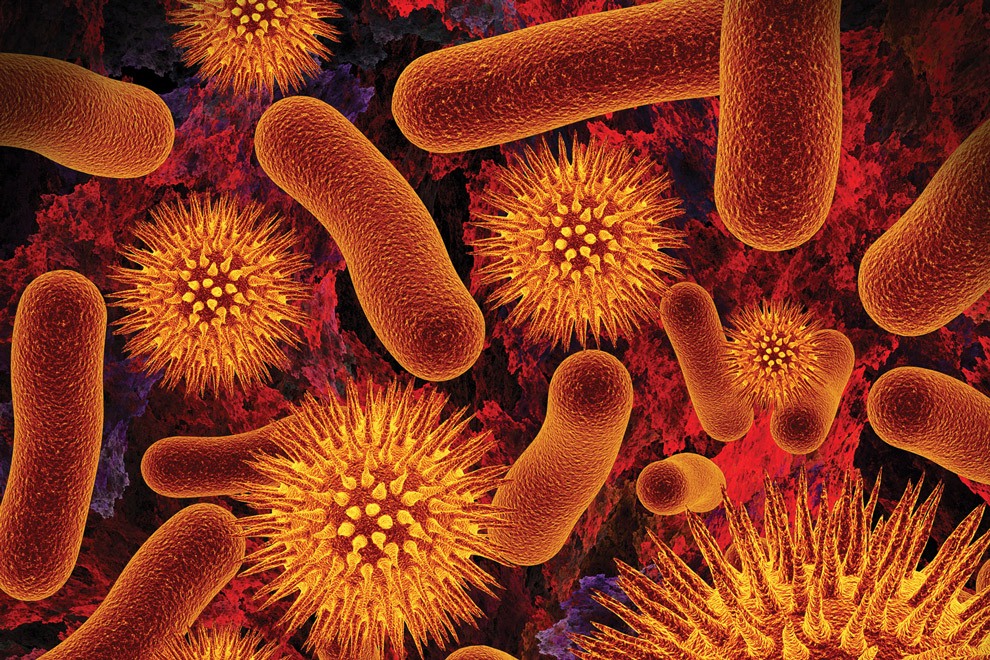


Bacteria is known as__________________ in an ecosystem when feeding on dead organisms.
Decomposers
Herbivore
Pathogens
Infections
A Bacteria responsible for curdling of milk is
Rhizobium
Oscillatoria
Lactobacillus
Plasmodium
What type of an organism is a mushroom
Bacteria
Fungus
Virus
None of the above
Rhizobium bacteria are present in the what part of leguminous plants.
Flowers
Roots
Leaves
Fruits
Which of these is a saprotroph?
Algae
Pitcher Plant
Fungi
Cuscuta
Which of the following does not have the capacity to reproduce outside the host cell?
Bacteria
Fungi
Algae
Virus
Organisms which take in nutrients from dead and decaying matter are called
Autotrophs
Heterotrophs
Saprotrophs
Autoheterotrophs
The shape of Bacillus bacteria is generally
Spherical
Comma shaped
Rod like
Spiral

The disease causing microbes are known as
Pathology
Pathogenesis
Pathogens
Antibodies
Influenza is a disease caused due to
Bacteria
virus
Protozoa
None of the above
------------------------------- was the person known to have observed bacteria under a magnifying glass.
(a)
Coccus bacteria living in pair is termed as:
Bacillus
Diplococcus
Spirillum
Vibrio
-------------------- is the only protozoan which includes chlorophyll within its cell.
(a)
The algae that fixes atmospheric nitrogen from air and thus enriches the soil with nitrogenous compound for plants is
Blue green algae
Chlorella
Diatoms
Chlamydomonas
Amoebic dysentery is caused by-------------------
(a)
Name a marine algae which is rich source of natural iodine----------
(a)
A fungus that grows on stale bread is:
Penicillium
Aspergillus
Rhizopus
None
A bacteria responsible for curdling of milk is:
Lactobacillus
Rhizobium
Oscillatoria
Plasmodium
An example of symbiotic relationship is found in:
Moulds
Bacteriophase
Aspergillus
Lichens
(a) causes malaria
Aedes mosquito acts as a carrier of (a) virus.
(a) is used for preserving fruit juices and squashes
(a) bacteria causing food poisoning.
The conversion of free atmospheric nitrogen into nitrogenous compounds is known as (a)
(a) bacteria can take atmospheric nitrogen and convert it into nitrogen compounds.
The ability of one's body to resist a disease is known as (a)
The bacteria which need oxygen for growth are called (a)
(a) bacteria help make curd from milk.
Disease -causing microorganisms are called (a)
To which kingdom does Bacteria belong to
Fungai Kingdom
Monera Kingdom
Protoctista Kingdom
Both A and B
If a bacteria could divide into 2 every 20 minuites how many bacteria would be formed in 10 hours
(a)
What type of an organism is a mushroom
Bacteria
Fungus
Virus
None of the above
Where are viruses present in the enviroment
In the air
Soil
Near seas and oceans
underground
On what are the Decomposers attracted
Smell
Blood
dead bodies
Both A and C
Rhizobium bacteria are present in the what part of leguminous plants.
Flowers
Roots
Leaves
Fruits
Which of these is a saprotroph?
Algae
Pitcher Plant
Fungi
Cuscuta
Mycology is the study of
Bacteria
Fungi
Insects
Parasites
Which of the following does not have the capacity to reproduce outside the host cell?
Bacteria
Fungi
Algae
Virus
What type of microorganism is yeast which is used in many food preparations?
Bacteria
Fungi
Algae
Virus
Which of these is an autotroph?
Cuscuta
Algae
Bacteria
Mushroom
Organisms which take in nutrients from dead and decaying matter are called
Autotrophs
Heterotrophs
Saprotrophs
Autoheterotrophs
The shape of Bacillus bacteria is generally
Spherical
Comma shaped
Rod like
Spiral
Who discovered the process of fermentation?
Edward Jenner
Louis Pasteur
Jonas Salk
William Harvey
What is shape of an amoeba?
Spherical
Elongated
Spiral
No definite shape
Which microbe produces oxygen?
Fungi
Algae
Bacteria
Protozoa
Malaria is caused by
Virus
Protozoa
Bacteria
Algae
Rhizopus (bread mould) is an example of
Virus
Fungi
Bacteria
Protozoa
Salt is used to preserve
Fish
Jam
Chips
Meat
Who discovered the first antibiotic (Penicillin)?
Louis pasteur
Alexander flaming
Edward Jenner
Microorganisms are of (a) types.
Typhoid is caused by
Virus
Bacteria
Protozoa
Fungi
__________ fixes atmospheric nitrogen.
Lightning
Rhizobium
Blue-green algae
Yeast
Pasteurisation is used to preserve
Jellies
Milk
Water
Chips
Microorganisms are helpful and harmful both.
True
False
The study of microorganisms is called __________ .
Scientists who study microorganisms are called ____________ .
micrology, micrologist
microbiology, micrologist
microstudy, micrologist
microbiostudy, micrologist
none of them
what is singular form of bacteria?
Bacterium
Bactrium
bactrum
Are microorganisms and microbes same?
yes
no
name the medicines made from fungus and bacteria
antibiotical
antibiotics
antibios
antionical
name any one disease cause by microorganisms
(a)
Amoeba is a
bacterium
virus
fungus
protozoa
A virus can be reproduce on its own
True
False

identify the image
microoganisms
virus
is bacteria used in preparation of curd and cheese?
yes
no
__________ causes the dangerous foot and mouth diseases in cattle?
microorganism
virus
fungus

Which of these microorganism causes common cold ?
bacteria
virus
antibiotic
Microorganisms are found
in air
on our hands
on surfaces
everywhere
Which of these are microbes ?
Bacteria
virus
fungi
Antibiotic
All microorganisms are harmful.
True
False
Bacteria, fungi, viruses and (a) are the major four groups in which microorganisms are classified.
Bacteria are ______ organisms.
multicellular
bicellular
unicellular
tricellular
The instrument used to view microorganisms is
(a)
Microorganisms can be found only in air and water.
True
False
Which of the following are the smallest of all microorganisms?
Virus
Bacteria
Algae
Fungi
The microorganism that contains chlorophyll.
Virus
Fungi
Algae
Bacteria
A bacteria responsible for curdling of milk is:
Lactobacillus
Rhizobium
Oscillatoria
Plasmodium
A fungus that grows on stale bread is:
Penicillium
Aspergillus
Rhizopus
None
Amoebic dysentery is caused by-------------------
(a)
Influenza is a disease caused due to
Bacteria
virus
Protozoa
None of the above
How many major types of microorganisms are there?
1
4
5
2
Influenza is caused by?
Bacteria
Fungi
Protozoa
Virus
What is commonly used to make antibiotics?
Fungi, Bacteria
dead or weakened microbes
is Lactobacillus a harmful bacteria?
Yes
No
______ discovered the vaccine for small-pox in ______
(a)
Female Anopheles mosqquito is the carrier of
Malaria
Dengue
Cholera
Bacteria causes which of the following?
TB
Typhoid
Polio
Cholera
What bacteria causes Anthrax disease?
(a)
What bacteria helps in nitrogen fixation in soil
(a)
Which of the following are preserved using salt?
meat
fish
milk
jam
Bacteria is known as__________________ in an ecosystem when feeding on dead organisms.
Decomposers
Herbivore
Pathogens
Infections
Fungi is beneficial to us beacause of the following reason
They are a source of oxygen
They can clean up pollution
They are a source of antibiotics
They help to clean run off from waste
Influenza is a disease caused due to
bacteria
Virus
Protozoa
None of the above
A Bacteria responsible for curdling of milk is
Rhizobium
Oscillatoria
Lactobacillus
Plasmodium
The Fermentation process is discovered by
Louis Pasture
Alexander flaming
Edward jenner
John Mendal
Mushroom belongs to
Algae
Virus
Fungi
None of the above
Rhizobium bacteria
Help in Digestion
Help in nitrogen fixation
Cause diseases
All the above
Penicillium is a
Algae
Fungus
Bacteria
Yeast
Malaria is caused bby
Protozoa
Virus
Algae
Bacteria
Amoeba belongs to
Algae
Fungi
Virus
Protozoa
What is the name of the only Autotrophic Protzoan ?
Euglena
Ameoba
Virus
Flagellum
Which organelle can locomote in bacteria?
(a)
What is the slimy coating present in Bacteria called?
(a)
Name the 2 types of autotrophs.
(a)
Viruses have all cell organelles present in them.
True
False
Are algae autotrophic and prokaryotic?
True
False
What are the colorless threads present in Fungi called?
Mycelium
Paramoecium
Hyphae
Microbes
Which type of Fungi do not show the presence of Rhizoids?
Salmonella
Mucor
Yeast
What is the name of the food used to feed fish?
(a)
Is it possible for Bacteria to grown immune to Antibiotics?
Yes
No
Maybe
What are disease causing Microorganisms known as?
Carriers which carry specific diseases are known as?
(a)
Can you write an example of a communicable disease?
Which animal has a bacteria which can cause Anthrax?
(a)
Can Fungi spoil only cooked foods?
Yes
No
Maybe
Blue- green algae can fix atmospheric_______ in the soil
Carbon
Nitrogen
Oxygen
All of the above
Cholera is caused by________________
Fungi
Bacteria
Algae
None of the above
The bread or idli dough rises because of
Heat
Grinding
Growth of yeast cells
fermentation
What are the major groups of microorganisms
Algae
Yeast
Bacteria
Fungi
Protozoa
Rhizobium bacteria___________
help in nitrogen fixation
help in digestion
causes various diseases
All of the above
Malaria is caused by
Protozoa
Virus
Algae
Bacteria
Penicillin is a
Algae
Fungus
Vaccine
Bacteria
Coci are ________shaped bacteria.
Rod-Shaped
Round-Shaped
Spiral
None of the above
Spirogyra is
a algae
a fungi
a protozoa
a bacteria
Vaccine for small pox was discovered by ____________
Louise Pasteur
Alexander Fleming
Edward Jenner
John Mendal
Which of the following is not responsible for spoilage of food?
Algae
Fungi
Bacteria
Chemical
Which of the following is an antibiotic
Sodium Bicarbonate
Streptomycin
Alchohol
Yeast
Which was the first antibiotic to be discovered
Crocin
Penicillin
Ayurveda
None of the above
Name a disease which is common in human and other animals
Rabies
Anthrax
Social anxiety
Cholera
What are some communicable diseases?
Cholera
Common cold
Chicken Pox
Alzheimer's
Dyslexia
The study of microorganisms is called
Microscope
Microorganisms
Microbiology
None of these
Microscope is a/an
instrument
magnifying tool
Both of these
None of these
Microorganisms can be divided into _______________ major groups.
3
4
5
6
We should clean the mirror of the microscope using a rough and dirty piece of cloth.
True
False
Maybe
None
Cocci bacteria is of __________________ shaped.
rod
spherical
curved
spiral
_______________ are the smallest organisms to be known.
Protozoa
Algae
Fungi
Viruses
Bacteria
An electron microscope can magnify up to _________________ times.
10,00,000
1,00,00,000
20,00,000
2,00,000
Which microorganism contains chlorophyll?
Protozoan
Fungus
Alga
Bacterium
Define fermentation.
Mode of transmission of tuberculosis is
Physical Contact
Water
Air
None of these

A tiny, nonliving particle that invades and then reproduces inside a living cell.
Bacteria
Virus
Protist
Fungi
A preparation of weakened or killed pathogens.
Bacteria
Antibiotic Resistance
Vaccine
Capsid
A eukaryotic organism that cannot be classified as an animal, plant, or fungus.
Protist
Virus
Bacteria
Capsid
Influenza is a disease caused due to
Bacteria
virus
Protozoa
None of the above

Organisms that cannot be seen with unaided eyes are?
Micrones
Microbials
Microorganisms
Microbiology

The type of corona virus that is currently causing pandemic worldwide is
SARS
MERS
COVID-12
COVID-19
Rust of wheat is caused by
Fungi
Bacteria
Virus
Algae

Yeast is used for making bread. Yeast is a
plant.
spice.
fungi.
bacteria.
Which microorganisms listed below can be harmful?
bacteria
fungi
protists
all of the above
Which statement is NOT true?
Microorganisms help dead things decay.
Microorganisms only live in soil.
Microorganisms cause disease.
Microorganisms are used to make cheese.
Name the groups in which microorganisms are broadly classified.
yeast
fungi
protozoa
algae
Microorganisms are classified into (a) major groups
Another name for a microorganism is (a)
Bacteria and yeast are alsohelpful for (a) of rice idlisand dosa batter

Beneficial or Harmful?
Plankton are a food source for small fish
beneficial
harmful
What are bacteria that cause disease?
viruses
pathogens
endospores
antibiotics
Assertion: Adding salt preserves the meat and fish for ages.
Reason: Salt draws water out of food and dehydrates the food.
Both A and R are true and R is the correct explanation of A.
Both A and R are true but R is not the correct explanation of A.
A is true but R is false. A is false but R is true.
Both A and R are false.
Penicillin is a
Algae
Fungus
Vaccine
Bacteria
Viruses have all cell organelles present in them.
True
False

Beneficial or Harmful?
yeast used to cause bread to rise
beneficial
harmful

Beneficial or Harmful?
fungus & bacteria decomposes tree limbs in forest
beneficial
harmful
Is it possible for Bacteria to grown immune to Antibiotics?
Yes
No
Maybe
Can Fungi spoil only cooked foods?
Yes
No
Maybe
Assertion: Copper used widely to conduct electricity.
Reason: Silver has the highest electrical conductivity of all metals.
Both A and R are true and R is the correct explanation of A.
Both A and R are true but R is not the correct explanation of A.
A is true but R is false. A is false but R is true.
Both A and R are false.
Vaccine for small pox was discovered by ____________
Louise Pasteur
Alexander Fleming
Edward Jenner
John Mendal

Beneficial or Harmful?
bacteria used in cheese and yogurt
beneficial
harmful

Beneficial or Harmful?
algae causes Red Tide
beneficial
harmful
Which of the following is not responsible for spoilage of food?
Algae
Fungi
Bacteria
Chemical
What describes the relationship of microorganisms to humans?
harmful
useful
both harmful and useful
nethier harmful nor useful
Vaccine for small pox was discovered by ____________
Louise Pasteur
Alexander Fleming
Edward Jenner
John Mendal
Examples of Spore formation are
Rhizopus and Mucor
Mucor and ameoba
E-coli and Rhizopus
None of these

Identify E in the following diagram
Nucleus
Plasmid
Flagellum
Mesosome
Researchers at which university found that loose , liquefiable sand can be turned into a solid cylinder ?
UC Mark
UC Davis
Harvard
Massachusetts Institute of Technology
What is the process in which yeast added to warm water with sugar forms cloudy formations
Farmentation
Spore releasing
Fermentation
micro synthesis
In some ways, synthetic biology is similar to another approach called "-----------" because both involve changing an organism's genetic code
Genome fixation
Genome editing
Genes change
Evolution
_______is a field of science that involves redesigning organisms for useful purposes by engineering them to have new abilities
Biotechnology
Synthetic Biology
Any new fact that you learnt from our exhibition? type it down below!
Any feedback?
Fungi is beneficial to us beacause of the following reason
They are a source of oxygen
They can clean up pollution
They are a source of antibiotics
They help to clean run off from waste
A Bacteria responsible for curdling of milk is
Rhizobium
Oscillatoria
Lactobacillus
Plasmodium
The Fermentation process is discovered by
Louis Pasture
Alexander flaming
Edward jenner
John Mendal
Mushroom belongs to
Algae
Virus
Fungi
None of the above
Rhizobium bacteria
Help in Digestion
Help in nitrogen fixation
Cause diseases
All the above
Penicillium is a
Algae
Fungus
Bacteria
Yeast


