
 Worksheets
Physics Exam Review
Total questions: 47
Worksheet time: 2hrs 21mins

What is the SI unit for mass?
Newton
Kilogram
Joule
Watt
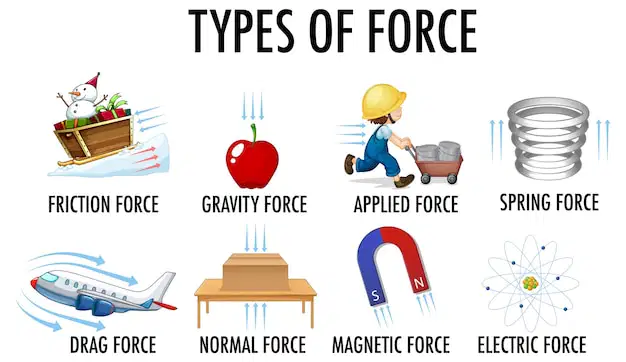
What is the SI unit for force?
Joule
Kilogram
Newton
Meter
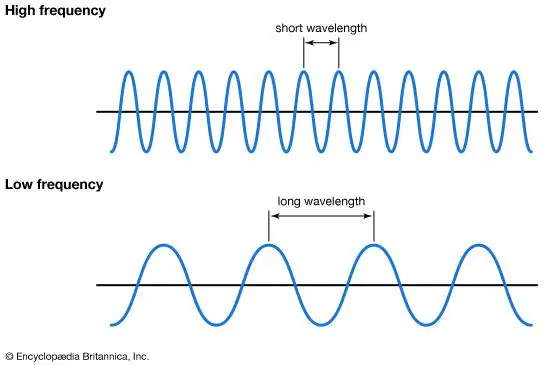
The SI unit for frequency is:
Second
Hertz
Meter
Joule

What is the SI unit for power?
Joule
Watt
Pascal
Newton
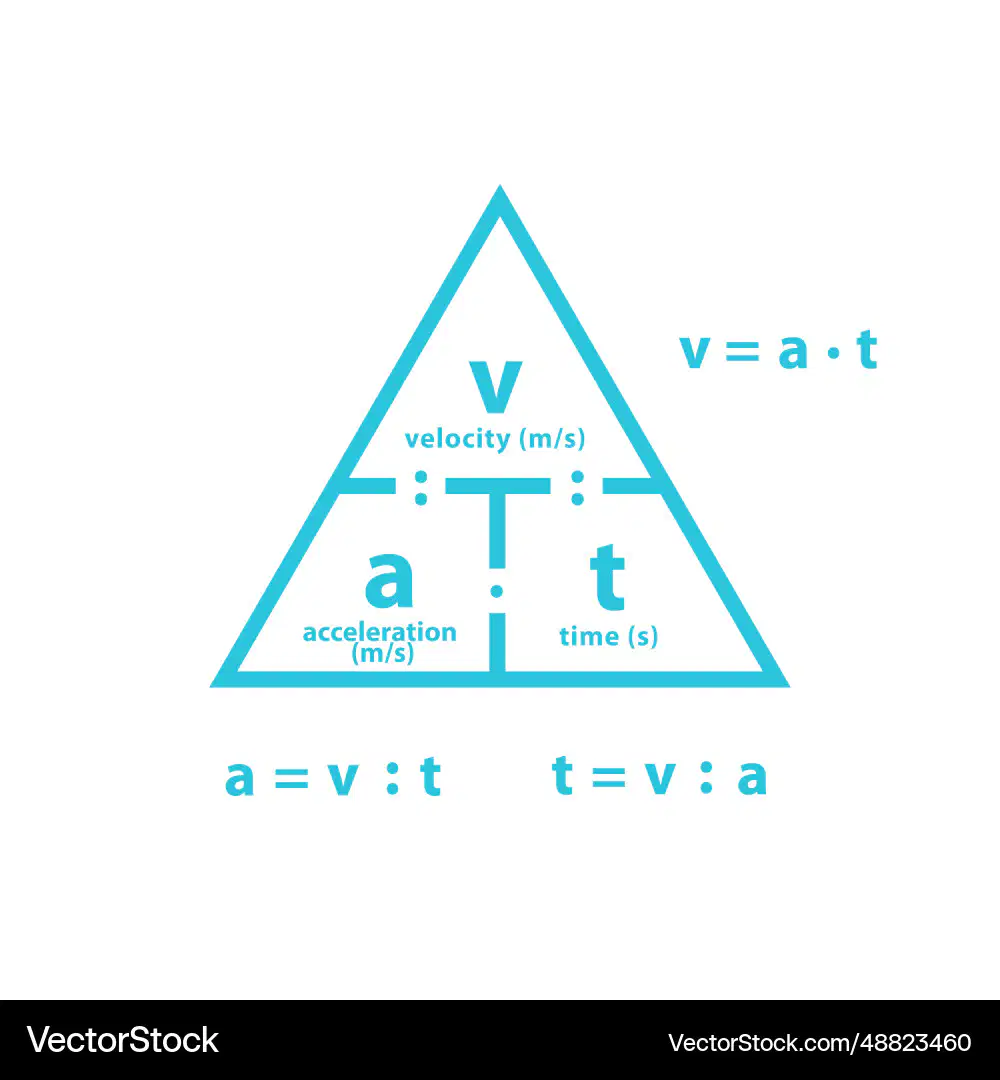
What is the SI unit for acceleration?
m/s²
m/s
N
J

What is the SI unit for time?
Seconds
Minutes
Hours
Milliseconds

The SI unit for energy is:
Newton
Joule
Watt
Pascal
What is the SI unit for velocity?
m/s
m
m/s²
N

The SI unit for wavelength is:
m
Hz
s
N
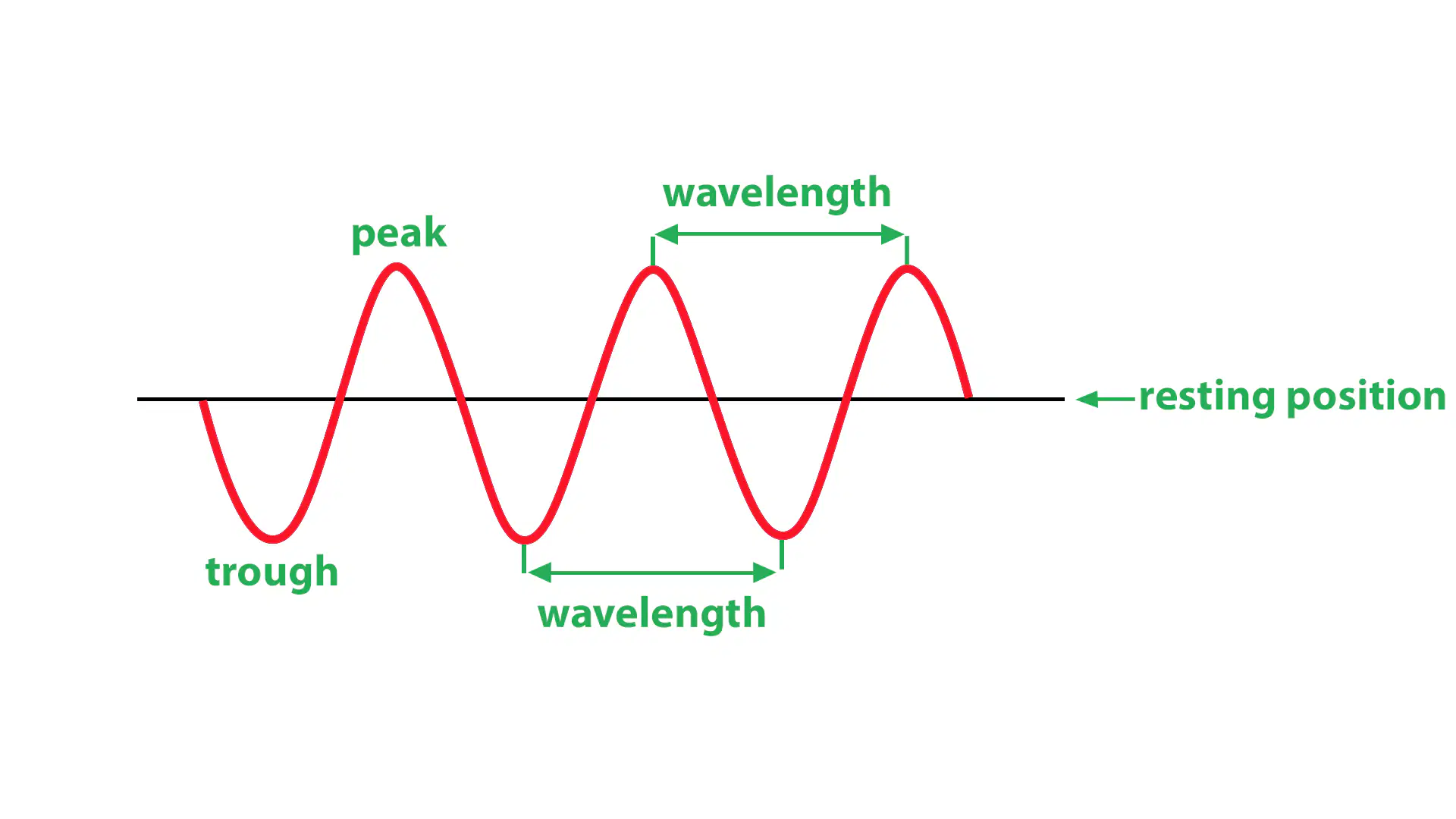
What is the SI unit for frequency of a wave?
Hertz
Meter
Second
Newton

A car accelerates at 4 m/s² for 5 seconds. How fast is it moving?
10 m/s
15 m/s
20 m/s
25 m/s

What does the slope of a position vs. time graph represent?
Velocity
Acceleration
Displacement
Energy
Sketch a position vs. time graph for an object moving at a constant speed in the positive direction.


You run 6 km in 40 minutes and walk back in 1 hour. What is your total displacement?
0 km
6 km
12 km
3 km
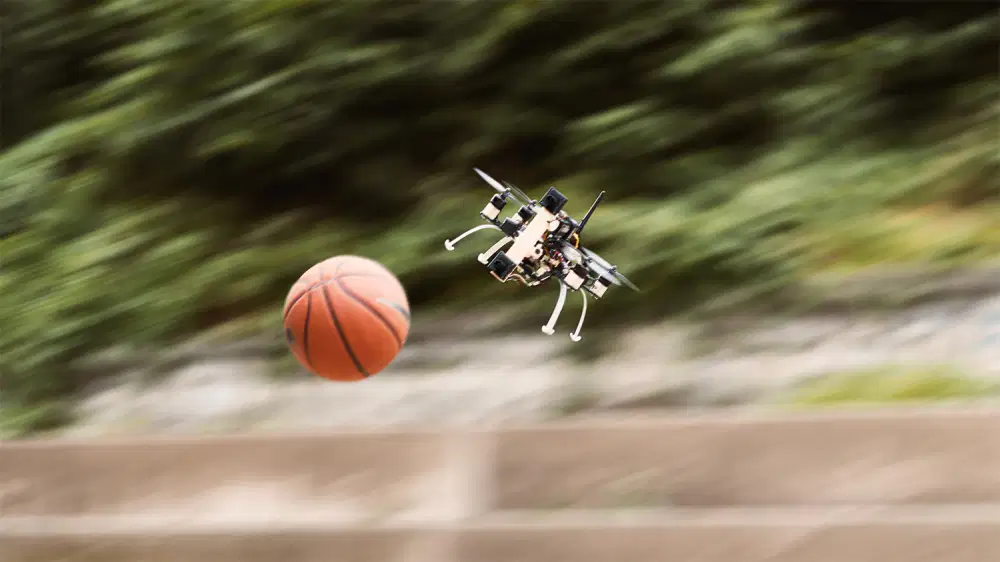
What is the speed of an object that travels 30 meters in 5 seconds?
5 m/s
6 m/s
7 m/s
8 m/s

A ball is dropped from rest. What is its velocity after 3 seconds? (g = 10 m/s²)
10 m/s
30 m/s
20 m/s
50 m/s

A car travels at 15 m/s for 10 seconds. What distance does it cover?
100 m
150 m
200 m
250 m

A train is moving at 40 m/s. How long will it take to travel 200 meters?
4 seconds
5 seconds
6 seconds
7 seconds

An object is accelerating. What does its velocity-time graph look like?
A straight horizontal line
A straight diagonal line
A curved line
A parabolic curve

A car starts from rest and accelerates at 3 m/s² for 10 seconds. What is its final velocity?
30 m/s
10 m/s
20 m/s
15 m/s

Newton’s First Law is also known as:
Law of Action-Reaction
Law of Inertia
Law of Energy
Law of Acceleration
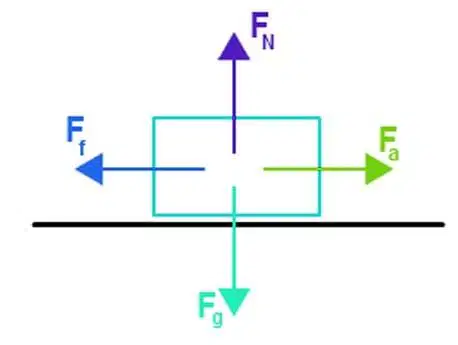
A 10 kg object accelerates at 3 m/s². What is the net force?
10 N
30 N
300 N
3 N
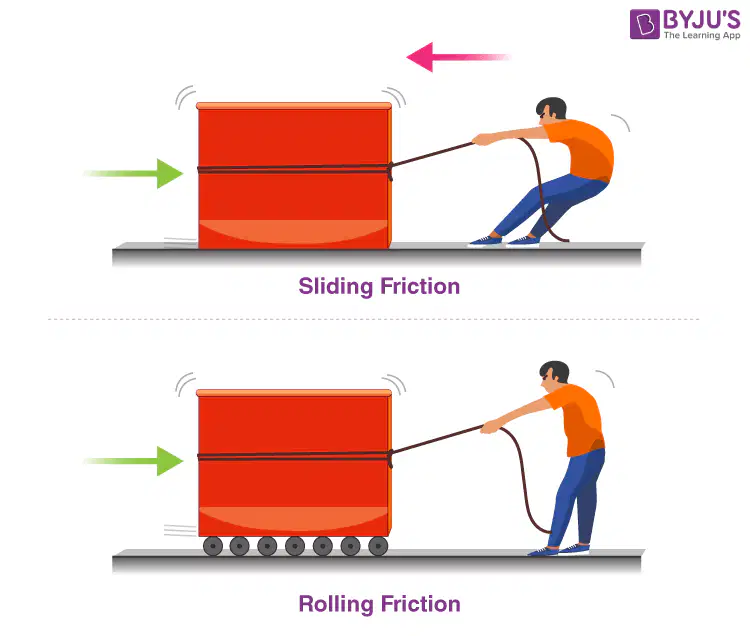
What type of force is friction?
Contact force
Field force
Normal force
Net force
True or False: A moving object must experience a net force.
True
False

What type of force is gravity?
Contact Force
Field Force
Magical Force
Mass Force

A car is moving at a constant velocity. What is the net force acting on it?
0 N
10 N
100 N
200 N

What is the acceleration of an object if the net force acting on it is doubled?
The acceleration stays the same
The acceleration doubles
The acceleration is halved
The acceleration quadruples

When you push a book on a table and it moves, which force is responsible for stopping it?
Friction
Gravity
Tension
Normal force
What happens when forces are balanced?
The object moves faster
The object remains at rest or moves with constant velocity
The object speeds up
The object stops

A force of 50 N is applied to a 25 kg object. What is the object's acceleration?
1 m/s²
2 m/s²
5 m/s²
10 m/s²
A 2 kg object is dropped from a height of 3 m. What is its potential energy? (Use g = 10 m/s²)
30 J
60 J
6 J
300 J

How much work is done to push a 200 N object 4 meters?
800 J
400 J
50 J
600 J

A 50 W bulb runs for 2 minutes. How much energy does it use?
100 J
1,000 J
6,000 J
50 J

The work done by a force is equal to:
Force × distance
Force × time
Mass × acceleration
Force × velocity
A machine does 200 J of work in 10 seconds. What is the power output?
10 W
20 W
200 W
2,000 W

What is the kinetic energy of an object with a mass of 5 kg moving at 10 m/s?
50 J
200 J
250 J
500 J

How much potential energy does an object with a mass of 1 kg at a height of 5 meters have? (Use g = 10 m/s2)
5 J
50 J
10 J
1 J

What happens to the potential energy of an object as it falls?
It increases
It decreases
It stays the same
It doubles

Which type of wave moves perpendicular to its direction of travel?
Transverse
Longitudinal
Standing
Mechanical

A wave has a frequency of 5 Hz and a wavelength of 4 m. What is its speed?
9 m/s
20 m/s
10 m/s
25 m/s

What properties of a wave change when light exits a diamond into air?
Frequency
Speed
Wavelength

Which color of visible light has the longest wavelength?
Blue
Green
Red
Violet
What is the wavelength of a wave traveling at 10 m/s with a frequency of 5 Hz?
2 m
1 m
10 m
0.5 m

What happens when two waves meet and are displaced in the same direction?
They cancel each other out
They create a larger wave
They become stationary
They stop moving

In refraction, light bends when it passes from air into water. What causes this?
Change in speed
Change in frequency
Change in amplitude
Change in energy

What is the frequency of a wave with a period of 0.2 seconds?
0.5 Hz
2 Hz
5 Hz
10 Hz
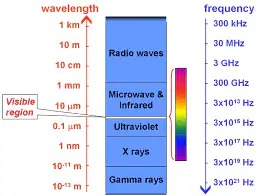
Which EM wave has the shortest wavelength?
Radio waves
Microwaves
Gamma rays
X-rays

