
 Worksheets
2025 first quiz
Total questions: 50
Worksheet time: 30mins
1. Can you describe a time when you had to work with a difficult team member?
- A) I avoided the team member and focused on my own work.
- B) I scheduled a one-on-one meeting to understand their perspective and find common ground.
- C) I reported the issue to my manager immediately.
- D) I ignored the differences and continued working as usual.
A
B
C
D
2. How do you handle stress and pressure?
- A) I stay organized and prioritize my tasks, taking short breaks to clear my mind.
- B) I try to avoid stressful situations as much as possible.
- C) I work longer hours to get everything done.
- D) I delegate all my tasks to others.
A
B
C
D
3. What motivates you to do your best work?
- A) The opportunity to learn and grow by taking on new challenges.
- B) Financial incentives and bonuses.
- C) Recognition and praise from my colleagues.
- D) The fear of failure.
A
B
C
D
4. How do you prioritize your work when you have multiple deadlines to meet?
- A) I assess the urgency and importance of each task, using tools like to-do lists and project management software.
- B) I work on the easiest tasks first to get them out of the way.
- C) I ask my manager to extend the deadlines.
- D) I focus on one task at a time, regardless of deadlines.
A
B
C
D
5. Can you give an example of a time when you showed initiative at work?
- A) I noticed a problem with a software tool and proposed a more efficient alternative, organizing a training session for my colleagues.
- B) I waited for my manager to address the issue.
- C) I ignored the problem and continued using the old tool.
- D) I asked a colleague to find a solution.
A
B
C
D
1. What is the first thing you should do when you come across an emergency situation?
- A) Start CPR immediately
- B) Ensure the scene is safe
- C) Call for help
- D) Check for breathing
A
B
C
D
2. If someone is choking and cannot breathe, what should you do?
- A) Give them water to drink
- B) Perform the Heimlich maneuver
- C) Pat them on the back
- D) Wait for them to cough it out
A
B
C
D
3. In the case of severe bleeding, what is the best immediate action to take?
- A) Apply a tourniquet
- B) Apply pressure to the wound
- C) Wash the wound with water
- D) Elevate the injured limb
A
B
C
D
4. What should you do if you suspect someone is having a heart attack?
- A) Give them a glass of water
- B) Encourage them to lie down and rest
- C) Call emergency services and provide aspirin if available
- D) Perform CPR immediately
A
B
C
D
5. How should you treat a burn injury?
- A) Apply ice directly to the burn
- B) Cover the burn with butter
- C) Run cool (not cold) water over the burn
- D) Pop any blisters that form
A
B
C
D
1. What is the most common initial rhythm observed in out-of-hospital cardiac arrests?
- A) Ventricular fibrillation (VF)
- B) Atrial fibrillation (AF)
- C) Nonshockable rhythms
- D) Sinus bradycardia
A
B
C
D
2. What is the first action you should take if you witness someone collapse and become unresponsive?
- A) Start high-quality CPR
- B) Check for a pulse
- C) Activate the emergency response system
- D) Provide rescue breaths
A
B
C
D
3. Which of the following is a critical component of post-cardiac arrest care?
- A) Hypoxic brain injury management
- B) Myocardial dysfunction treatment
- C) Systemic ischemia reperfusion response management
- D) All of the above
A
B
C
D
4. What is the recommended rate for chest compressions during CPR for an adult?
- A) 60-80 compressions per minute
- B) 80-100 compressions per minute
- C) 100-120 compressions per minute
- D) 120-140 compressions per minute
A
B
C
D
5. Which medication is commonly administered during cardiac arrest to improve the chances of return of spontaneous circulation (ROSC)?
- A) Atropine
- B) Epinephrine
- C) Lidocaine
- D) Amiodarone
A
B
C
D
1. What is diabetes?
- A) The body produces too much glucose
- B) The body does not make or use insulin properly
- C) Joints are stiff and painful
- D) Both A and B
A
B
C
D
2. Which of the following is/are symptoms of type 1 diabetes?
- A) Increased urination
- B) Increased thirst
- C) Increased hunger
- D) All of the above
A
B
C
D
3. What is the most serious immediate danger to a person with diabetes?
- A) Running out of diabetes supplies
- B) Forgetting a scheduled blood glucose monitoring
- C) Hypoglycemia (low blood glucose)
- D) Forgetting to refrigerate insulin
A
B
C
D
4. What causes hypoglycemia in people with diabetes?
- A) Too much insulin
- B) Too little food or delayed meal/snack
- C) Unanticipated physical activity
- D) All of the above
A
B
C
D
5. What is the best treatment for hypoglycemia?
- A) Water
- B) M&M’s
- C) 4 oz. of orange juice
- D) Carrot sticks
A
B
C
D
1. What is the capital of India?
- A) Mumbai
- B) New Delhi
- C) Kolkata
- D) Chennai
A
B
C
D
2. Who was the first Prime Minister of India?
- A) Mahatma Gandhi
- B) Jawaharlal Nehru
- C) Sardar Vallabhbhai Patel
- D) Dr. Rajendra Prasad
A
B
C
D
3. When did India gain independence from British rule?
- A) 1945
- B) 1946
- C) 1947
- D) 1948
A
B
C
D
4. Which river is considered the holiest in India?
- A) Yamuna
- B) Godavari
- C) Ganges
- D) Narmada
A
B
C
D
5. What is the national currency of India?
- A) Dollar
- B) Rupee
- C) Pound
- D) Yen
A
B
C
D
1. What is the primary purpose of the Hippocratic Oath in medicine?
- A) To ensure doctors earn a high salary
- B) To establish ethical guidelines for medical practice
- C) To promote medical research
- D) To regulate medical school admissions
A
B
C
D
2. Which of the following is a common symptom of diabetes?
- A) Frequent urination
- B) Hair loss
- C) Joint pain
- D) Blurred vision
A
B
C
D
3. What is the main function of red blood cells?
- A) To fight infections
- B) To carry oxygen from the lungs to the rest of the body
- C) To produce hormones
- D) To regulate body temperature
A
B
C
D
4. Which medical imaging technique uses magnetic fields and radio waves to create detailed images of the body?
- A) X-ray
- B) CT scan
- C) MRI
- D) Ultrasound
A
B
C
D
5. What is the primary cause of cardiovascular diseases?
- A) Bacterial infections
- B) Genetic disorders
- C) Lifestyle factors such as poor diet and lack of exercise
- D) Viral infections
A
B
C
D
1. What is a common respiratory issue faced by people living in Delhi?
- A) Asthma
- B) Tuberculosis
- C) Chronic Obstructive Pulmonary Disease (COPD)
- D) All of the above
A
B
C
D
2. What is a significant health risk associated with high levels of air pollution in Delhi?
- A) Skin rashes
- B) Cardiovascular diseases
- C) Hearing loss
- D) Digestive problems
A
B
C
D
3. Which vector-borne disease is prevalent in Delhi, especially during the monsoon season?
- A) Malaria
- B) Dengue fever
- C) Lyme disease
- D) Zika virus
A
B
C
D
4. What is a common cause of waterborne diseases in Delhi?
- A) Contaminated drinking water
- B) Air pollution
- C) Noise pollution
- D) Lack of exercise
A
B
C
D
5. What lifestyle-related health issue is increasingly affecting the population of Delhi?
- A) Obesity
- B) Malnutrition
- C) Vitamin D deficiency
- D) All of the above
A
B
C
D
1. What are the primary causes of air pollution in Delhi?
- A) Stubble burning in neighboring states
- B) Vehicular emissions
- C) Industrial activities
- D) All of the above
A
B
C
D
2. How does stubble burning contribute to Delhi's air pollution?
- A) It releases large amounts of smoke and particulate matter into the air
- B) It increases the temperature in Delhi
- C) It reduces the oxygen levels in the air
- D) It causes acid rain
A
B
C
D
3. What health issues are commonly associated with high levels of air pollution in Delhi?
- A) Respiratory problems like asthma and bronchitis
- B) Cardiovascular diseases
- C) Eye and throat irritation
- D) All of the above
A
B
C
D
4. Which season typically sees the worst air quality in Delhi?
- A) Summer
- B) Monsoon
- C) Winter
- D) Spring
A
B
C
D
5. What measures have been taken to reduce air pollution in Delhi?
- A) Implementation of the Graded Response Action Plan (GRAP)
- B) Banning the use of firecrackers
- C) Promoting the use of public transportation
- D) All of the above
A
B
C
D
1. Who was the first President of India?
- A) Dr. Rajendra Prasad
- B) Dr. S. Radhakrishnan
- C) Dr. Zakir Hussain
- D) Dr. A.P.J. Abdul Kalam
A
B
C
D
1. Which number should come next in the series: 2, 6, 12, 20, 30, ?
- (a) 40
- (b) 42
- (c) 44
- (d) 46
A
B
C
D
2. If 'CAT' is coded as 'XZG', then 'DOG' is coded as:
- (a) WLT
- (b) WLR
- (c) WLU
- (d) WLV
A
B
C
D
3. Find the odd one out:
- (a) Circle
- (b) Triangle
- (c) Square
- (d) Rectangle
A
B
C
D
4. Which word does NOT belong with the others?
- (a) Inch
- (b) Kilogram
- (c) Centimeter
- (d) Meter
A
B
C
D
5. If 'NOIDA' is written as 'OPJEB', then 'DELHI' is written as:
- (a) EFMAK
- (b) EFAMK
- (c) EFMIJ
- (d) EFMIK
A
B
C
D
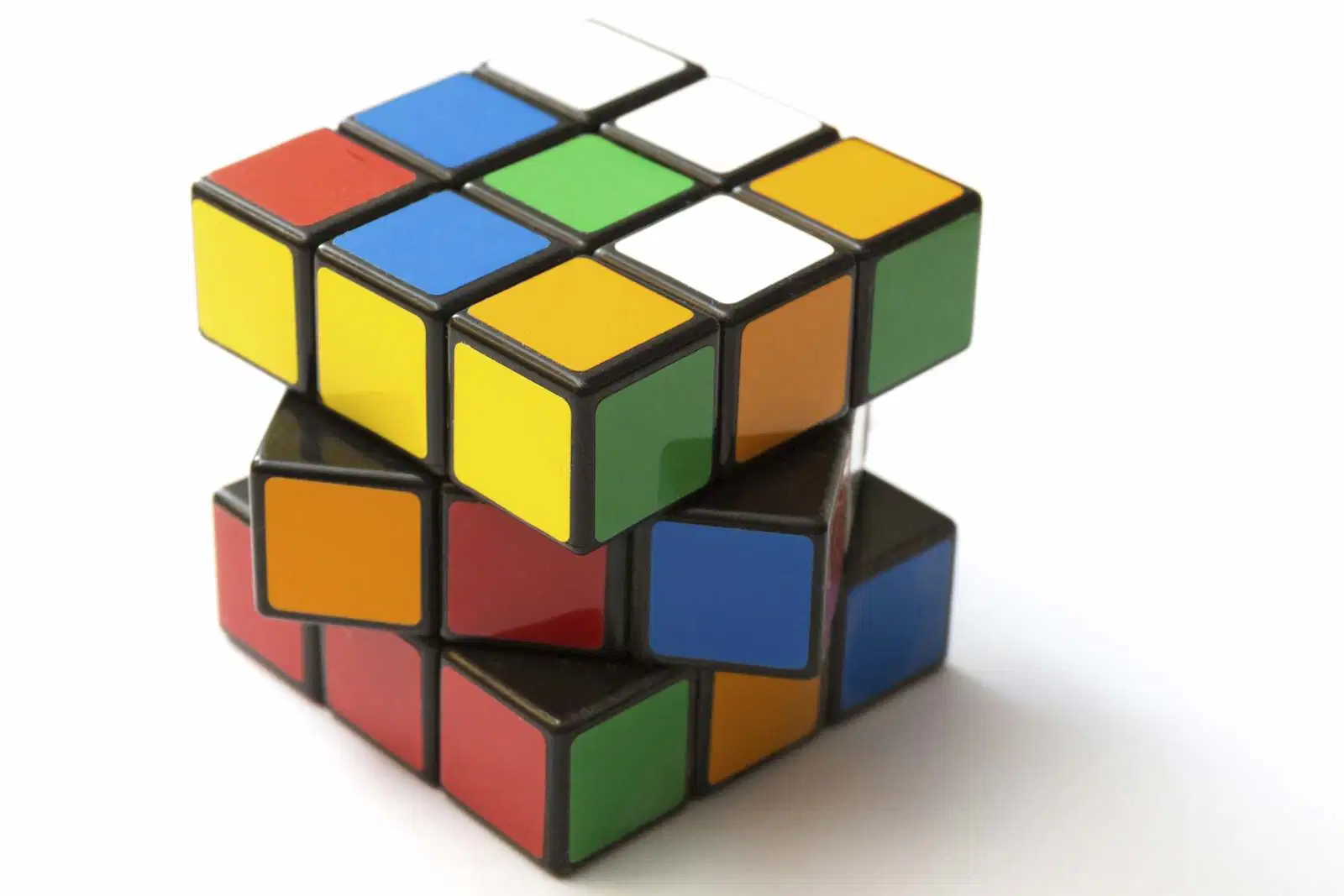
Name of this game ?
Monopoly cube
Tetris cube

Name of this ?
Tell me your weakness who it's not like a weakness?
Why are you study & why it is important to you?
(write your opinion)

