
 Worksheets
OC - WH - World History 1st Semester Final Exam -
Total questions: 150
Worksheet time: 2hrs 45mins

Which trade route connected the western and eastern parts of Eurasia during Classical Antiquity?
The Silk Road
The Spice Route
The Incense Route
The Amber Road
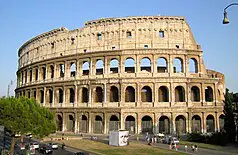
What event marked the end of Classical Antiquity around the year 500 CE?
The start of the Renaissance
The discovery of the Americas
The fall of the Western Roman Empire
The rise of the Mongol Empire
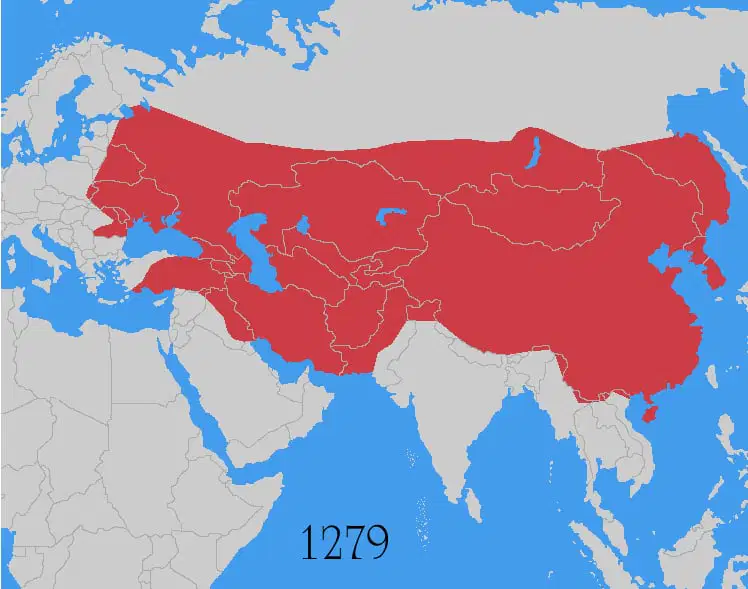
Which empire was the largest land empire of all time?
The British Empire
The Ottoman Empire
The Roman Empire
The Mongol Empire

What are the three common factors involved in the transitions between historical time periods?
Technological advances, economic changes, and political reforms
Religious movements, cultural shifts, and scientific discoveries
Climate events, mass migrations, and pandemics
Wars, treaties, and alliances
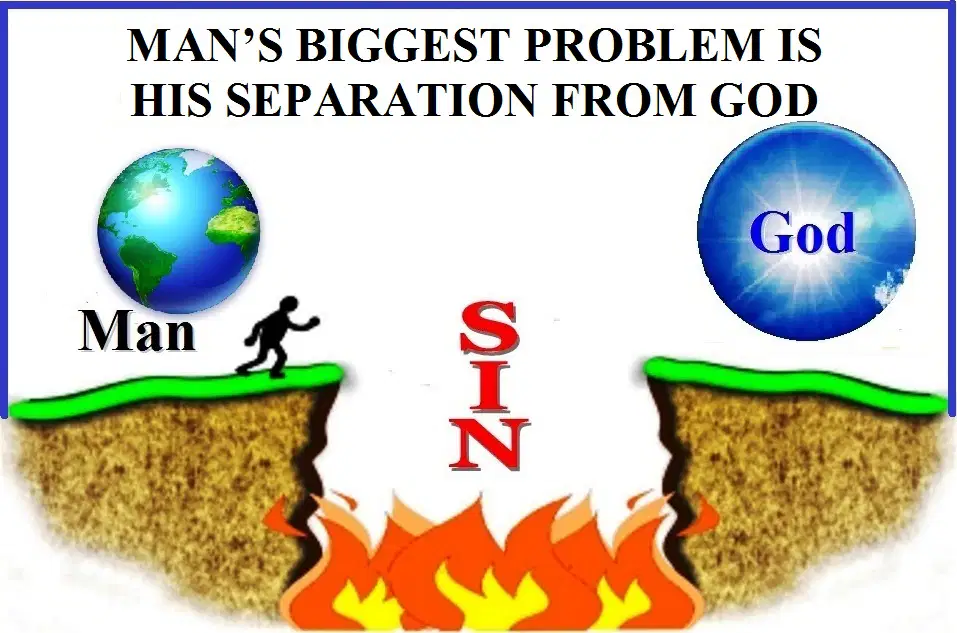
What event caused the separation between God and mankind?
The global flood
The fall of man
The tower of Babel
The exile to Babylon
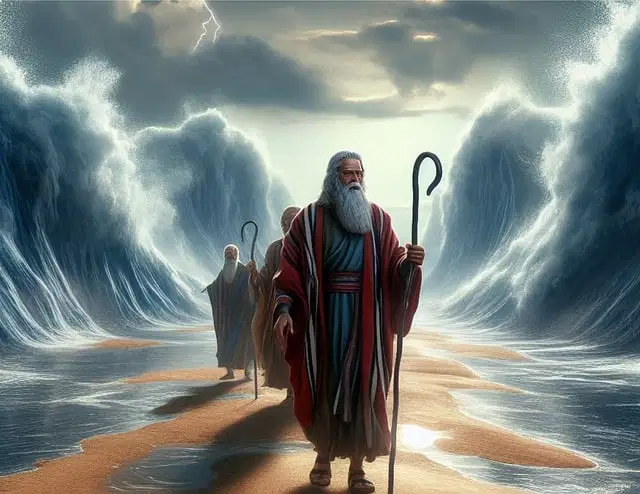
Who led the Israelites out of Egypt?
Aaron
Moses
Joshua
Caleb

Which king built the first temple in Jerusalem?
Saul
Hezekiah
Solomon
David

Which empire conquered the kingdom of Judah?
Persian Empire
Babylonian Empire
Roman Empire
Assyrian Empire

Who is considered the fulfillment of God's plan to reconcile humanity?
Jesus of Nazareth
John the Baptist
Moses
David
What significant event happened at Pentecost?
The sending of the Holy Spirit
The giving of the law
The building of the temple
Jesus' resurrection
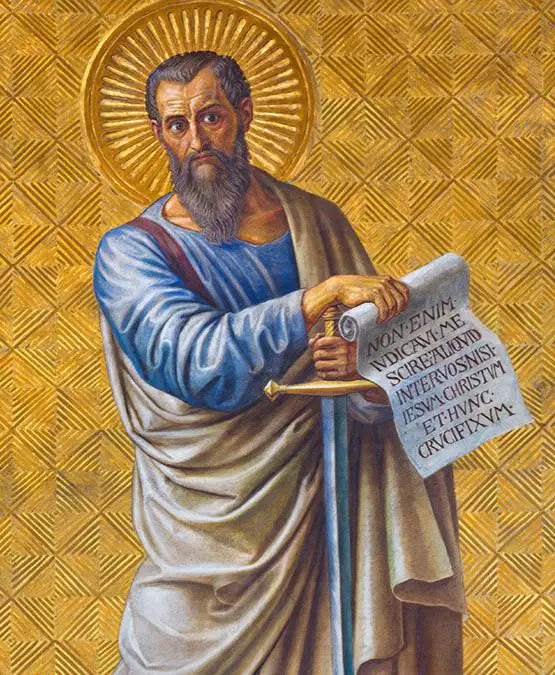
Who was the apostle that advanced the gospel message to the capital of the Roman Empire?
John
James
Paul
Peter

What does Victor Davis Hanson suggest about the historian's ability to predict the future?
Historians have a crystal ball
Historians can predict the future accurately
Historians provide an invaluable guide, but not a crystal ball
Historians should not study the past

What is the danger of assuming history will repeat itself exactly?
It always does
It sometimes does
It is unpredictable
It never does
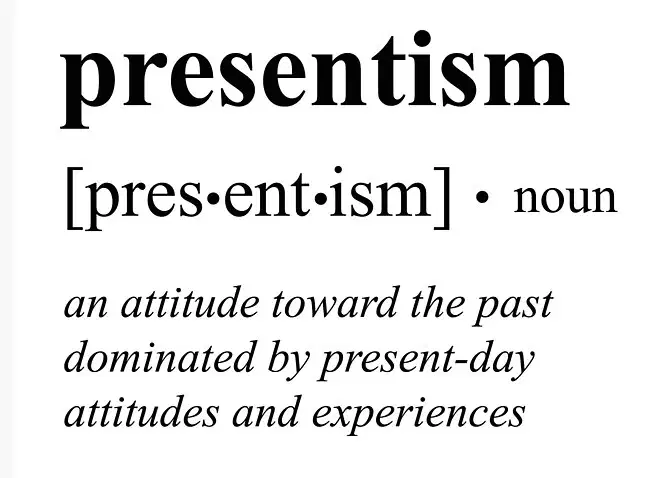
What is 'presentism' as described in the clip?
The study of the present
The belief that the present is the most prosperous period in history
The study of the future
The belief that history is irrelevant

What does Hanson suggest about human nature?
It gets worse over time
It is unpredictable
It remains the same over time
It improves with technology

What does the study of history teach us about making judgments?
To always judge by modern standards
To value caution over certainty
To be certain about who is good and bad
To ignore historical figures

What is the core biblical explanation for the concept of sin?
The desire to call the shots myself
The feeling of guilt
The act of disobedience
The punishment from God

What is the main theme of the Tower of Babel story?
The unity of humanity
The invention of the wheel
The consequences of human pride
The building of a great city

What does the story of the Tower of Babel illustrate?
The need for leadership
The danger of human autonomy from God
The importance of language
The power of technology
What foundational story is told in the first chapters of Exodus?
The creation of the world
The birth of Jesus
God rescuing the Israelites from Pharaoh
The fall of Jericho
How does God describe His own character to Moses?
Merciful and gracious
Indifferent and distant
Vengeful and wrathful
Joyful and carefree
What is the significance of the tabernacle's construction?
It is a place for trade
It marks the end of the journey
It symbolizes God's presence with Israel
It represents a new kingdom
How many total commands are given to ancient Israel in the Torah?
50
10
100
613
What did Jesus promise to send to help his followers fulfill the law?
Wealth and prosperity
A powerful army
God's Spirit
A new set of rules
Who are considered the Patriarchs in the biblical narrative?
Peter, Paul, and John
David, Solomon, and Saul
Moses, Aaron, and Joshua
Abraham, Isaac, and Jacob
Who was Abraham's first son?
Ishmael
Isaac
Joseph
Jacob
What was Jacob's name changed to?
Israel
Judah
Joseph
Benjamin
The Bible and the Timeline of World History - Which of these great civilizations were NOT in proximity with the Old Testament Israelites?
Egyptians
Assyrians
Persians
Han Dynasty

The Bible and the Timeline of World History - Which of the following great civilizations interacted with the Jews (located in modern-day Israel) during the Classical Antiquity Age?
The Romans
The Kush
The Han Dynasty
The Gupta Empire
What is the main event in the first half of the book of Exodus?
Moses leading Israel out of slavery from Egypt
The creation of the world
The building of the Tower of Babel
The story of Joseph and his brothers
What is the purpose of the Passover meal?
To honor the Egyptian gods
To mark the beginning of a new year
To commemorate God's justice and mercy
To celebrate the harvest
What is the main issue with the Israelites following the laws?
They didn't understand the laws
Their hearts were hard
They were not educated
The laws were too many
Who did God choose to bless all nations through his family?
Isaac
Abraham
Jacob
Moses
What did Jesus promise to send to help his followers fulfill the law?
God's Spirit
A new set of commandments
A written guide
A new prophet
What was a consequence of not having a permanent leader in Israel?
Economic prosperity
Cultural renaissance
Chaos and moral decay
Technological advancement
What did the elders of Israel ask Samuel to do?
Build a temple
Appoint a king like all the nations
Lead them into battle
Divide the land among the tribes
What was the state of Israel during the Period of Judges?
A centralized kingdom
A loose confederation of 12 tribes
A unified empire
A colony of Egypt
What was a consequence of establishing a monarchy in Israel?
Decreased taxes
Increased trade
Heavy taxes and conscription for armies
Improved education
What was significant about David's reign?
He expanded the kingdom
He established Jerusalem as the capital
He built the first temple
He conquered Egypt
What does the period of Judges and Kings demonstrate about Israel?
Economic growth
Struggle to balance earthly leadership with divine authority
Military expansion
Cultural development
What was David considered as a model king?
For his wealth
For his military conquests
For being “after God’s own heart”
For his architectural achievements

Which event in the Book of Acts marks the beginning of the Christian Church?
The conversion of Saul
The stoning of Stephen
The Day of Pentecost
The Council of Jerusalem

Besides filling the believers (as Jesus had promised) with the presence of God in Spirit, what other role did the Holy Spirit play during the Day of Pentecost?
To provide healing to the sick
To enable the apostles to speak in different languages
To perform miracles through Peter
To write the scriptures
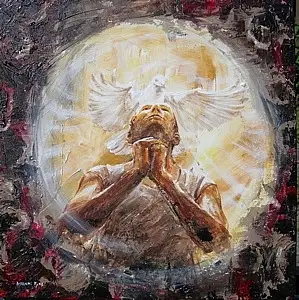
What was the significance of the stoning of Stephen in Acts?
He was the first "martyr" and It marked the beginning of widespread persecution of Christians
It led to the conversion of Saul
It resulted in the first Christian council
It was the first miracle performed by the apostles

Which apostle is associated with spreading Christianity to the Gentiles in Acts?
Peter
John
Paul
James
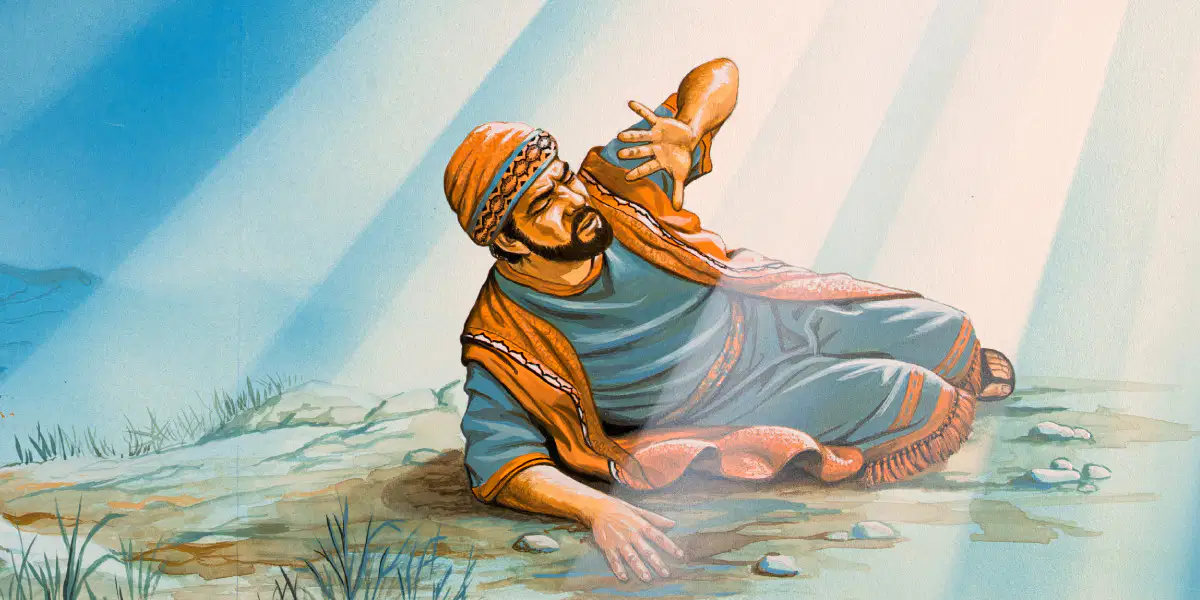
What did Saul intend to do in Damascus when his vision of Jesus Christ led to his conversion in Acts?
He was on his way to baptize new Christians
He was going to perform miracles and healings in the name of Jesus Christ
He was going to attend a meeting with Jews to plot to takeover Rome from the Romans.
He was going to persecute new Christian converts in Damascus.
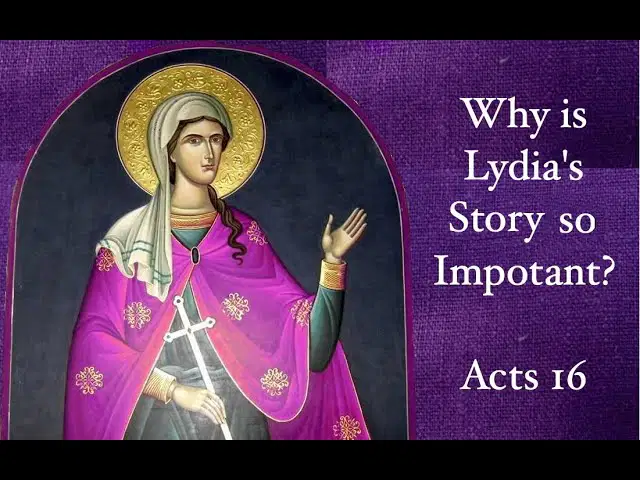
Lydia, Mary (the mother of Jesus), Tabitha (Dorcas), Priscilla (with Aquila), Rhoda, and the daughters of Philip are all in the Book of Acts. Which of the following is a signficance of that?
It demonstrates the important role women played in the early years and development of Christianity.
It demonstrated that God gave women more healing powers than men.
It showed that people from foreign lands outside of Jerusalem where important to Christianity
Trick Question. These people are found nowhere in the Book of Acts.

How did the apostles respond to the threat of persecution in the Book of Acts?
They fled to different regions to avoid capture
They stopped preaching publicly
They continued to preach boldly and prayed for strength
They sought protection from Roman authorities
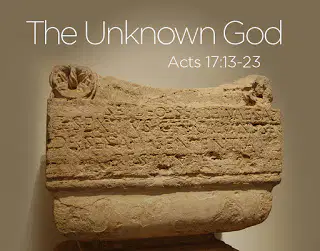
Paul gives an important speech about the "Unknown God" on one of his missions. It was significant because it helped bridge the cultural divide, introduced the concept of monotheism to the people, introduced the natural revelation of God, and was a call to repentance for all mankind.
Which important "Classical Antiquity" culture did Paul give this speech to?
Athenians (Ancient Greece)
Romans (Ancient Romans)
Han Chinese (Han Dynasty)
Ottoman Turks (Golden Age of Islam)
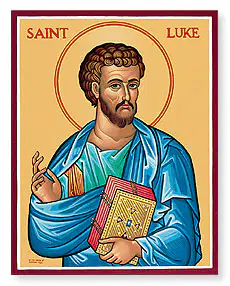
Luke, the author of Acts (which is the "sequel" to his Gospel of Luke), is a historical writer who is often noted for his accuracy and detail in comparison to other "historians" of his era. Which of the following supports this assertion?
He emphasizes eyewitness testimony and meticulous detail. (ex: "Beautiful Gate")
He uses specific historical context (ex: preconsul "Gallio")
His accounts include names of places, events, and political figures historians have found to be accurate.
Being a physician, his historical writing reflects a scientific and methodical approach
All of these are correct.

With so much to worry about as a threat from the outside, what does Paul often warn about in his letters to the churches he encountered on his three mission trips?
False teachers and internal corruption INSIDE the church
The Roman spies infilitrating the Church
The Sanhedrin (Jewish Leaders) as threats to Christians.
The merchants in a given city that could threaten them.

Which of the following BEST REPRESENTS the order of power in Roman Society during the early years of Christianity in the First Century C.E.?
1. Roman Authorities
2. Roman Citizens
3. Subjects (like the Jews in Judea)
4. Slaves
1. Roman Authorities
2. Subjects (like the Jews in Judea)
3. Roman Citizens
4. Slaves
1. Roman Citizens
2. Roman Authorities
3. Subjects (like the Jews in Judea)
4. Slaves
There was no order, ALL were equal.
While under house arrest for TWO YEARS in Rome (at the end of his life), Paul wrote "letters" to his churches that will become several "books" in the New Testament
True
False
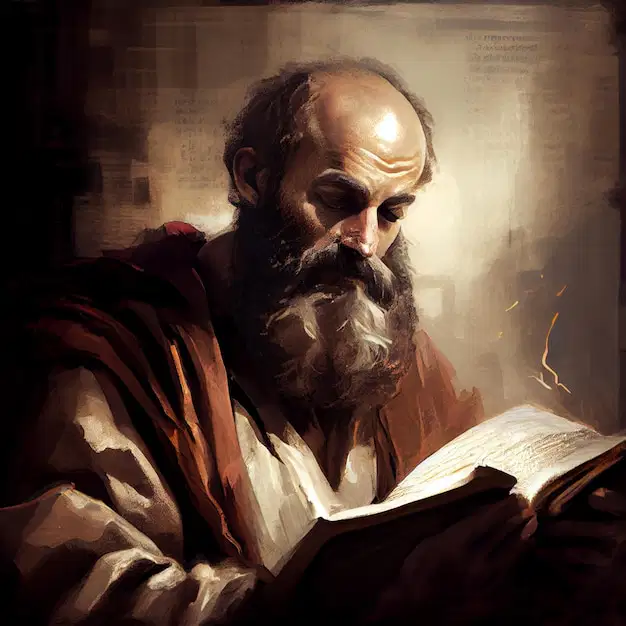
Though it DOES NOT tell us in the Book of Acts (Luke's early Christian history book), what does CHURCH TRADITION tell us ultimately happened to Paul?
He was acquitted (set free) and went on to live his life as an important missionary
He escaped with the help of Christians in Rome
He was found not guilty by Caeser, but held under house arrest for the rest of his life.
He was found guilty and sentenced to death and was beheaded.

Which of the following was the biggest conflict AMONGST Christians in the early years as evidenced by the book of Acts.
They argued about what they should wear to represent Christ.
Cultural issues between Jewish Christians and Gentile Christians
Who to follow, Peter or Paul...
Whether they should quit their jobs if they didn't honor God.
What is the Didache primarily known as in the context of early Christian writings?
A gospel
A letter
A teaching manual
A prophecy
Which two religions were often at odds with the Roman government? Why?
Judaism and Christianity - They prohibited the worship of other gods
Buddhism and Hinduism - They were monotheistic
Zoroastrianism and Shinto - They were not recognized by the Romans
Islam and Sikhism - They were polytheistic
What was the primary purpose of Roman aqueducts?
To provide a means of transportation
To supply water to cities and towns
To serve as a tourist attraction
To irrigate farmland
What was the impact of Roman law on the modern world?
It had no impact.
It formed the basis of many modern legal systems.
It was completely rejected by modern societies.
It was too complex to be understood.

How did Roman leadership from the
200s - 400s CE contribute to the fall of
the Roman Empire?
Roman leaders during this time were
focused on hurting their own people.
Roman leaders during this time worked
together to transition power peacefully.
Roman leaders during this time were
weak and fought over who had power.
Roman Leaders during this time made
peace with other Empires to conquer
Rome.
How did Rome's economy begin its descent?
The government began taxing the people too much, which forced people back into poverty and debt. Trade suffered as well.
People began stealing from the government funds and the people suffered because of it.
Emperor Constantine would make The Roman Empire universally __________ ?
Speek Greek
Speek Latin
Christian
Muslim

What does this diagram illustrate?
events that led to corruption in ancient Rome
effects of the collapse of the Roman Empire
patterns that develop when a government collects taxes
causes of the fall of the Roman Empire
A form of government in which citizens elect representatives to rule for them
democracy
monarchy
republic
oligarchy

Corruption is
dishonest or illegal behavior
a part of the desert that has water and plants
when a volcano explodes
Who attacked Rome's borders as it was falling apart?
Egyptians
Barbarians
Greeks
Persians
To cause a person or group suffering due to beliefs
persecution
consolation
prosecution
What single author wrote the greatest amount of the New Testament?
Peter
Paul
Luke
John
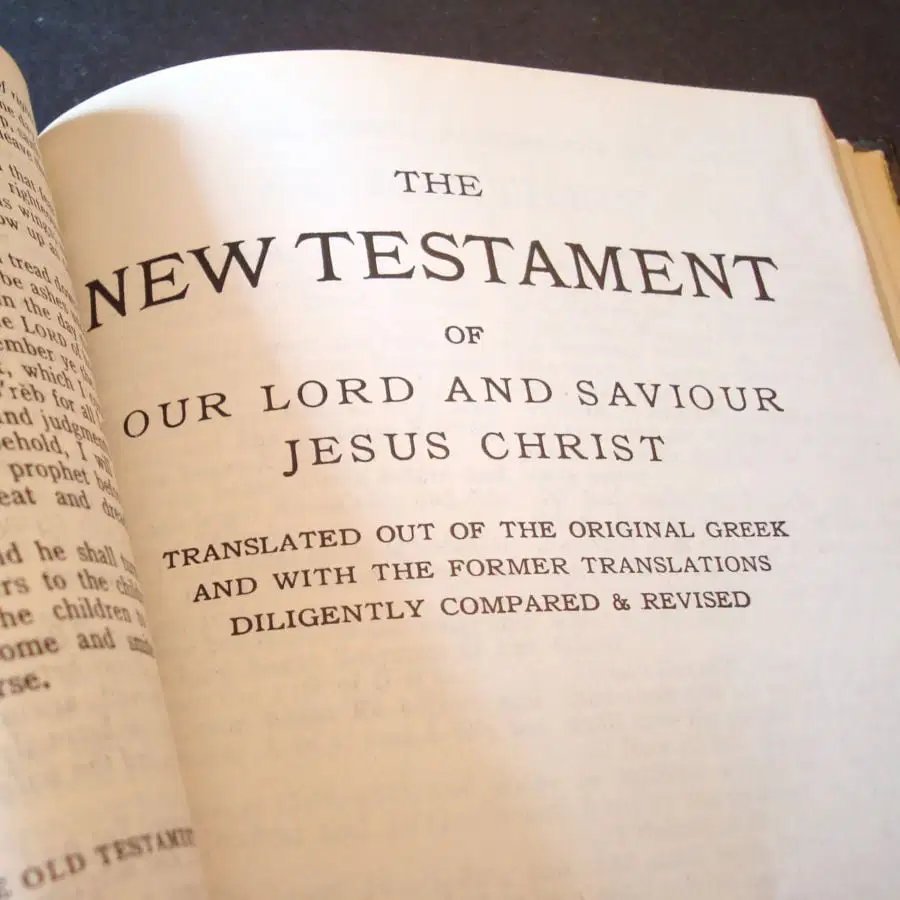
Which of these New Testament authors was an original disciple of Jesus, wrote a Gospel, three epistles, and Revelation?
Peter
Paul
Luke
John
How long did the middle ages last?
1000 years
850 years
300 years
750 years
What was the dominant social system in medieval Europe?
Feudalism
Capitalism
Socialism
Communism
The Middle Ages lasted from...
500 CE- 1500 CE
500 BC- 1500 BC
1000 BC- 1200 CE
1000 CE- 1500 CE

What was a primary reason for the Crusades according to Christian leaders?
Economic gain
Scientific exploration
Reaction to Islamic expansion
Cultural exchange

Which city was considered holy and significant to Christians during the Crusades?
Rome
Jerusalem
Mecca
Constantinople
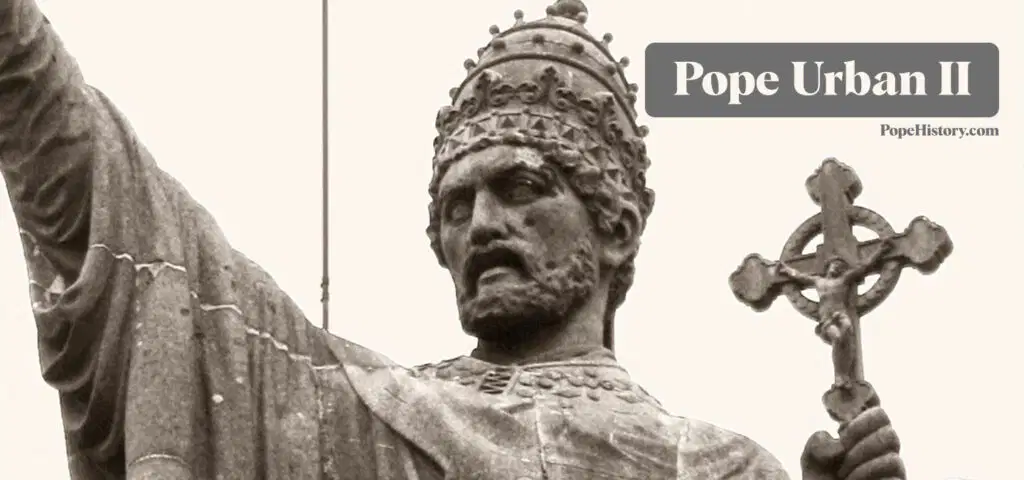
What was the purpose of the First Crusade according to Pope Urban II?
To expand trade routes
To protect fellow Christians and reclaim sacred lands
To establish new kingdoms
To promote cultural exchange
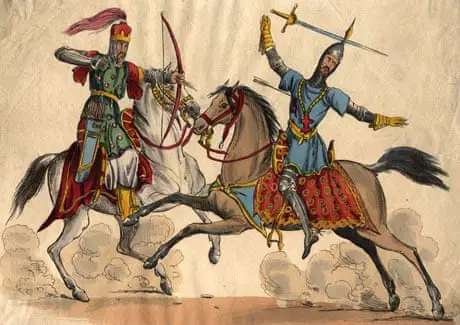
What did the Crusades force Muslim defenders to do?
Surrender their lands
Defend what they saw as the legacy of Islam
Convert to Christianity
Leave their territories

Who held absolute power in the feudal system?
Nobles
Monarchs
Common people
Merchants

What was the primary purpose of the Magna Carta?
To expand royal power
To limit royal power
To abolish monarchy
To establish a new king

Which king's abuse of power was a cause of the Magna Carta?
King Henry VIII
King Richard III
King John's
King Edward I
Which of the following is a key concept of the Magna Carta?
Absolute monarchy
Checks and balances
Unlimited taxation
Feudalism
What was one immediate effect of the Magna Carta on English monarchs?
Increased their power
Reduced their absolute power
Gave them more land
Strengthened their alliances
What was the primary cause of the spread of the Black Death?
Yersinia pestis bacterium carried by fleas on rats
Direct contact with infected individuals
Airborne virus transmitted through coughing
Consumption of contaminated water

How did the Black Death impact the European population?
Caused the population to remain stable
Had no impact on the population
Increased the population significantly
Significant decrease in population

What were some of the social consequences of the Black Death?
Decline in population, labor shortages, and changes in social structure
Stagnation in population, labor surplus, and no social changes
Rise in population, decrease in labor, and no impact on social structure
Increase in population, surplus of labor, and no changes in social structure
What were some of the economic consequences of the Black Death?
No impact on labor and wages
Labor shortages, increased wages, and decline in agricultural production
Increase in population and decrease in trade
Decrease in wages and increase in agricultural production

How did the medical community respond to the Black Death?
Implemented successful preventive measures
Developed a cure for the disease
Ignored the problem
Tried ineffective treatments

What cultural impact did the Black Death have on society?
The Black Death had no impact on cultural practices
The Black Death led to advancements in technology and science
The Black Death resulted in increased political stability
The Black Death led to significant changes in cultural practices, including shifts in religious beliefs, art, and literature.

How did the Black Death affect the feudal system in Europe?
It strengthened the feudal system by increasing the power of the nobility
It led to the abolition of the feudal system
It weakened the feudal system by causing a shortage of labor and increasing the bargaining power of serfs and peasants.
It had no impact on the feudal system
What were some of the political consequences of the Black Death?
Increased political stability and harmony
Decrease in political power and influence
Increased political unrest and upheaval
No significant impact on political structures

What was the societal response to the Black Death in Europe?
People embraced the disease as a divine punishment
People isolated themselves and avoided social gatherings
People continued their daily routines without any changes
People blamed certain groups for the spread of the disease

What were the psychological effects of the Black Death on the people of Europe?
It led to widespread optimism and happiness
It had no significant impact on people's mental health
It led to widespread fear, anxiety, and despair
It led to an increase in confidence and courage

What were some of the medical treatments used during the Black Death?
Herbal remedies and bloodletting
Antibiotics and vaccines
Prayer and divine intervention
Quarantine and isolation
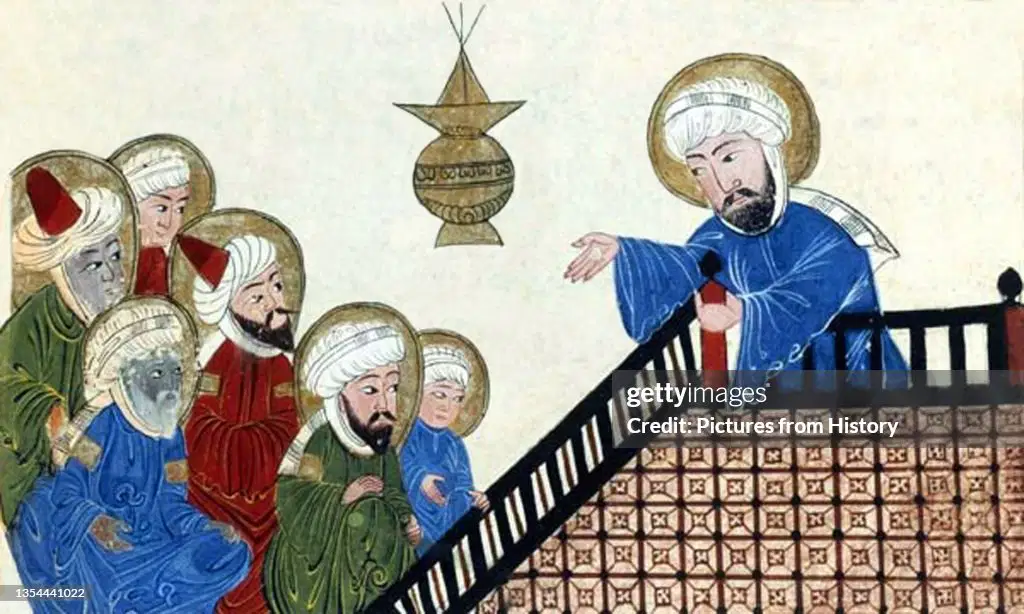


Feudalism developed as a way for medieval societies to
Rebuild cities
Build an empire
Protect themselves
Increase trade

peasants
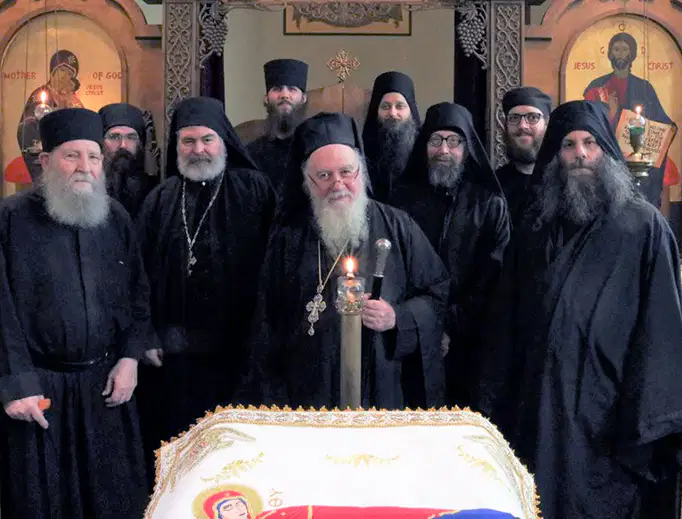
During the Middle Ages, what institution helped Catholicism (western Christianity) spread its faith, educate societies in a Christian Worldview, spread the Bible and religious writing through scribes, and provide bishops and monks for Europeans?
The Catechism
The Monastery
The Church
The Mass
What event or era in Europe FOLLOWED the Middle Ages after the Black Death?
The Renaissance
Industrial Revolution
Feudalism
Rise of Rome

Where did the Vikings come from that had a harsh environment forcing them raid societies all over Europe?
Northern Europe (Scandanavia)
Southern Europe
(Spain)
Western Europe (France)
Middle East
(Arabia)

What impact did the Vikings invasions have on Middle Ages Europe?
It forced them to strengthen their defenses (military, police, etc)
It led to the spread of Islam across Europe
It led to the Mongols invading Europe
It led to more freedom and democracy
What role did slavery play in the development of civilizations according to the text?
It was a minor aspect of economic systems.
It was central to the development and destruction of civilizations.
It was only significant in the Roman Empire.
It was primarily a cultural phenomenon.
What does the text suggest is essential for understanding the legacies of slavery?
Ignoring historical contexts.
Recognizing the impacts on modern economies, cultures, and human rights.
Focusing only on economic aspects.
Studying only the Roman Empire.
What was a unique aspect of Egyptian slavery compared to chattel slavery in the Americas?
It was more brutal.
It allowed for some upward mobility and legal protections.
It was entirely voluntary.
It was only for criminals.
What does the legacy of Egyptian slavery reflect according to the text?
The insignificance of human labor.
The centrality of human labor in building a civilization.
The decline of Egyptian society.
The isolation of Egyptian culture.
What modern connections are made in the text regarding the legacy of Egyptian slavery?
It has no modern connections.
It relates to ongoing conversations about labor exploitation and ethical concerns.
It is only relevant to historians.
It is solely a cultural interest.
What does the text imply about the justification of slavery in societies?
It was never justified.
Societies justified and institutionalized slavery in various ways.
It was only justified in ancient times.
It was always seen as a moral wrong.
What was a foundational aspect of the Roman economy and society?
Trade with Egypt
Slavery
Democratic governance
Industrialization
How could Roman slaves gain their freedom?
By escaping
Through manumission
By paying a ransom
By serving in the military
What legal rights were provided to slaves in Islamic law?
Right to vote
Right to own property
Pathways to manumission
Right to education
What led to the eventual abolition of slavery in the Americas?
Economic collapse of the mid-1800s in America
Resistance movements, abolitionist campaigns, and the outcome of the Civil War
Technological advancements made slavery no longer profitable.
International pressure forced the United States to outlaw it.
How many people are affected by modern slavery globally?
Over 10 million
Over 20 million
Over 30 million
Over 40 million
What do we call the common target of slavery throughout history (like African prisoners of war or undocumented immigrants in the United States? ?
Wealthy individuals
Vulnerable populations
Perpretrators of Slavery
Political leaders
What is a modern issue related to historical slavery systems?
Increased global trade
Worker exploitation and societal stratification
Technological advancements
Decline in population
What does the legacy of past slavery inform?
Global efforts to combat modern slavery
The abolition of all legal systems
The creation of new historical systems
The end of consumer awareness
What does the study of slavery highlight about humanity?
Capacity for both cruelty and resilience
Ability to abolish all legal systems
Focus on consumer awareness
Emphasis on ethical sourcing
What can you infer from the fact that the Ancient Greeks and Egyptians kept enslaved people?
Slavery ended during the Roman Empire
Throughout history, enslaved people have traditionally come from Africa
Slavery has existed since the dawn of civilization
The Greeks and Egyptians were especially cruel
All people who were enslaved by the Romans were unskilled and uneducated.
True
False
What was a significant factor in the spread of slavery in ancient civilizations?
Religious beliefs
Democratic governance
Military conquests and expansion
Technological advancements
How did the abolitionist movement impact the perception of slavery in the 19th century?
It reinforced the idea of slavery as a necessary evil
It led to increased support for slavery
It shifted public opinion towards viewing slavery as morally wrong
It had no significant impact
What role did economic interests play in the continuation of slavery in the Americas?
They were irrelevant to the institution of slavery
They only affected the northern states
They were a primary driver for maintaining the system
They led to the immediate abolition of slavery
Which slave society captured and utilized white eastern Europeans as slaves?
The Americas
Ancient Egypt
Islamic Lands (Ottomans)
In the Transatlantic Slave Trade in the Americas, how were African slaves most often captured?
Europeans invaded the coast and went into the interior and kidnapped Africans.
The Europeans fought wars with African nations and used the war captives as slaves.
Africans of one tribe or land would sell or trade Africans of a rival tribe or land to European slavers on the west coast of Africa.
What has increased the incidents of human trafficking (sadly including minors) in the United States, recently?
The illegal immigration crisis
Devastating hurricanes
Rise of the mafia
The Fentanyl Crisis
Slaves in many societies in history have been used to fight wars in the military.
True
False
Which of the following is TRUE concerning "Chattel Slavery"?
Slaves are considered property with no rights and their children are automatically slaves.
It created a system where slaves could earn freedom by fighting in the military and being successful
A slave in Chattel Slavery became a slave because they owed someone a debt they didn't repay.
It made slaves out of convicted criminals and never gave them a chance to earn freedom
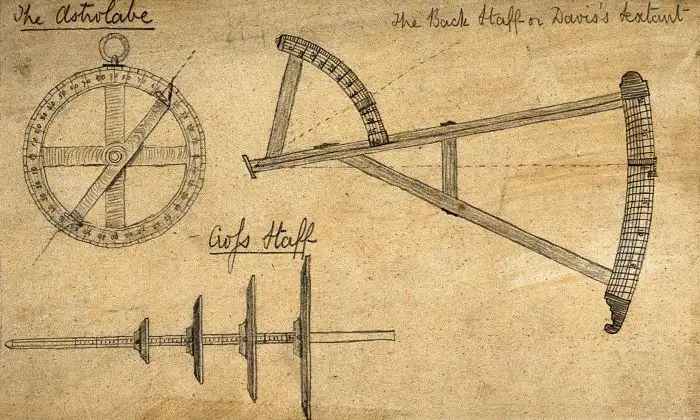
Which European nation was the FIRST to dominate ocean navigation (primarily around Africa to Asia) during the Age of Exploration (14th-15th centuries)? (HINT: Prince Henry the Navigator was a key "explorer" here)
England
Italy
Spain
Portugal
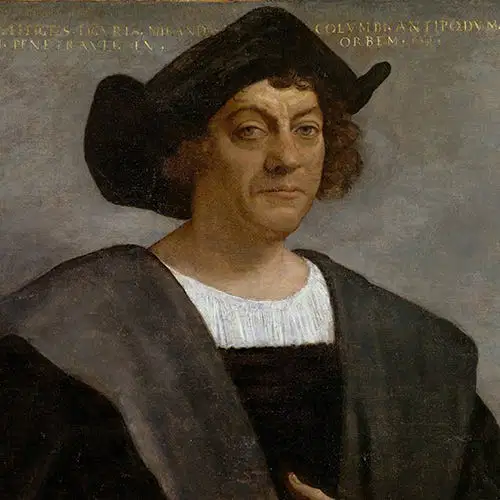
Christopher Columbus was the first European during the Age of Exploration to "discover" the New World when he landed on what is known today as the Bahamas. He was Italian, who was turned down by his home land and Portugal when he presented he asked for "sponsoring" of his voyage. Which EUROPEAN NATION finally sponsored Columbus and benefitted for centuries from that decision?
England
Netherlands (the Dutch)
France
Spain
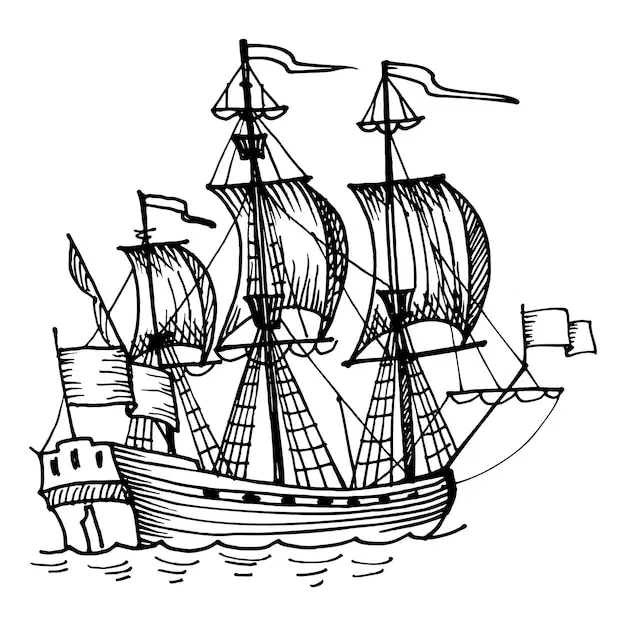
Which of the following was NOT A SIGNIFICANT technology that enabled the "Age of Exploration" by making ocean travel easier?
the Astrolabe
the Caravel
the Magnetic Compass
Improved, more accurate maps.
All of these were important innovations for navigation.

What was the SINGLE BIGGEST reason for loss of life amongst Native Americans during the exploration and colonization phases of the New World by Europe?
Major wars and military battles with Europeans
European genocide of Native Americans by slaughtering them when they conquered them.
European diseases that Natives were unable to naturally conquer.
Mass suicide of Natives who would rather die than be controlled by Europeans.
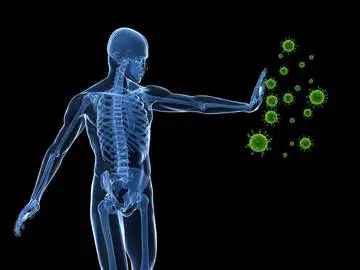
(True or False)...
Native American diseases that were passed to Europeans were not as lethal (causing death) as European diseases passed to Natives because Europeans had lived near each other and had contact with foreign diseases from Africa and Asia for centuries causing stronger immunity.
True
False

Which of the following was an example of a native New World crop that benefited Europe because it yielded more volume (more food) in the same space needed to grow it?
Wheat
Grapes
Olives
Potato
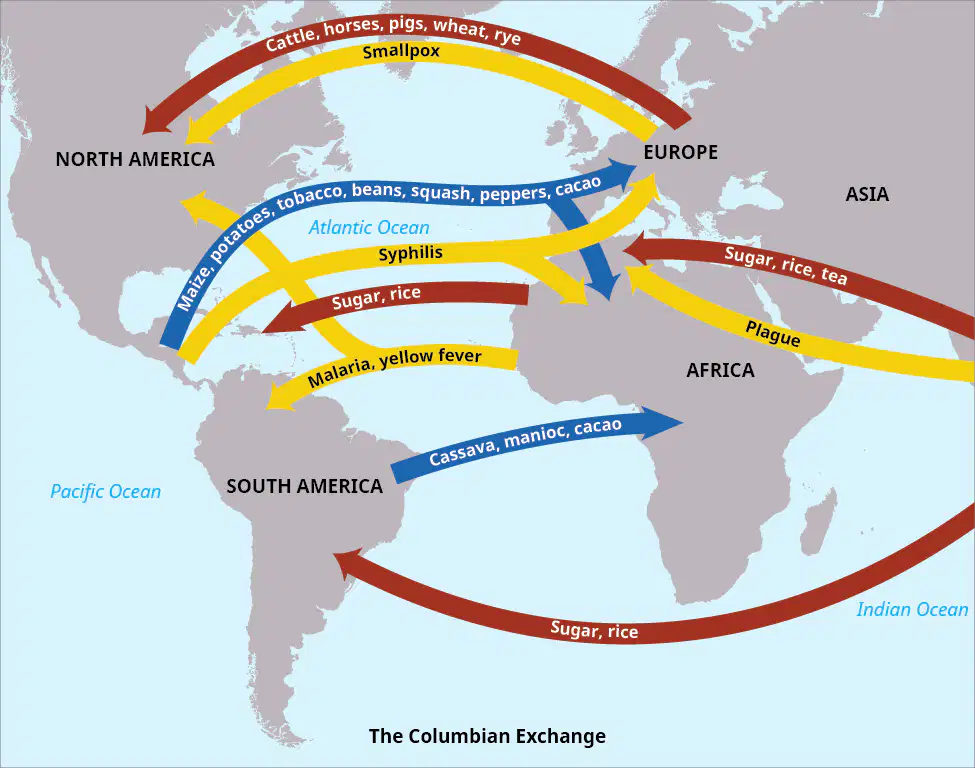
Which TWO (much choose both correctly) New World commodities (items of value) were the most significant for Europe's prosperity in the "Columbian Exchange"?
Bullion (Gold or Silver)
Industrial machines
Cash Crops (tobacco, cotton, etc.)
Grains (wheat, oats, barley, etc.)

As evidenced by the SINGLE MOST SPOKEN language in the Americas today, which European nation colonized more of the New World during the era of colonization?
England
Spain
France
Portugal
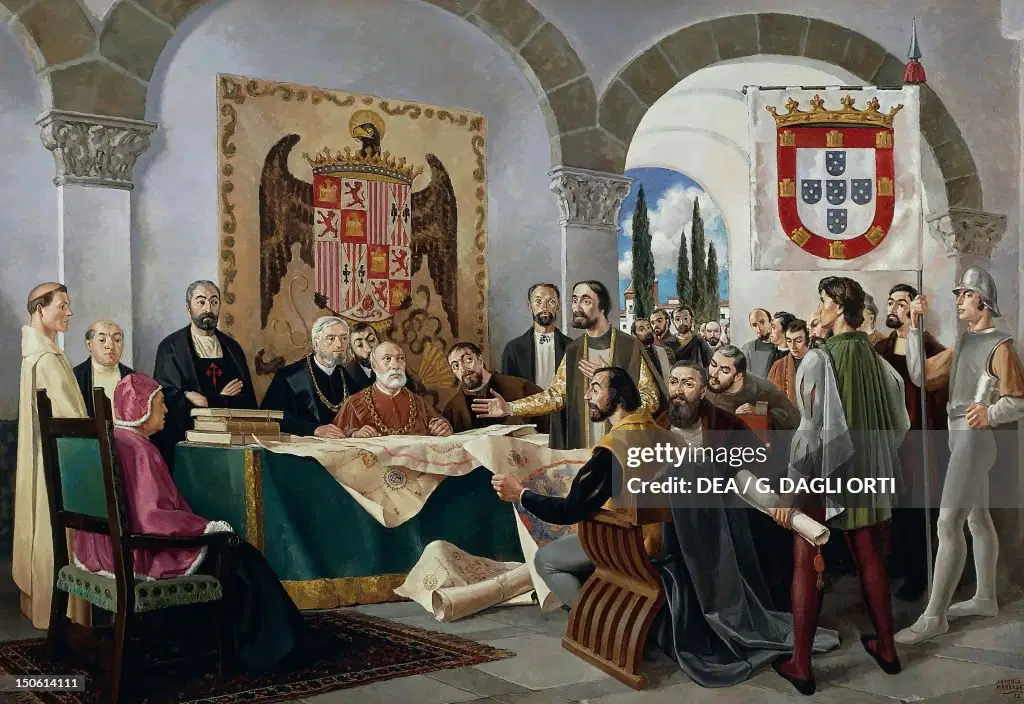
The Treaty of Tordesillas was an agreement that was negotiated with the help of the Pope in order to prevent two "Catholic nations" in Europe from going to war over land in the New World after the Age of Exploration. What TWO nations were given specific land in the Americas they could conquer, divided by the Pope? (Hint: they are the two most spoken languages in South America, today)
France and Spain
Spain and Portugal
England and France
Netherlands and Portugal

Many modern historians tell a negative story of Europeans conquering Native Americans during the age of colonization. However, many Christian missionaries (both Catholic and Protestant) worked hard to improve the lives of Native Americans and even advocated for justice for them by their own governments during this time.
True
False

Which of the following was NOT one of the "3 G's" that describe the motivations of explorers and conquerers of the New World during the Age of Exploration?
Glory
Gold
God
Germs

As Columbus set out across the Atlantic, what was he expecting to "discover"?
A shortcut to Asia sailing west across the Atlantic Ocean from Europe
The ancient mythical city of Atlantis
A "new" continent the Vikings had written about during the Middle Ages
A land of Giants as described in the Bible.
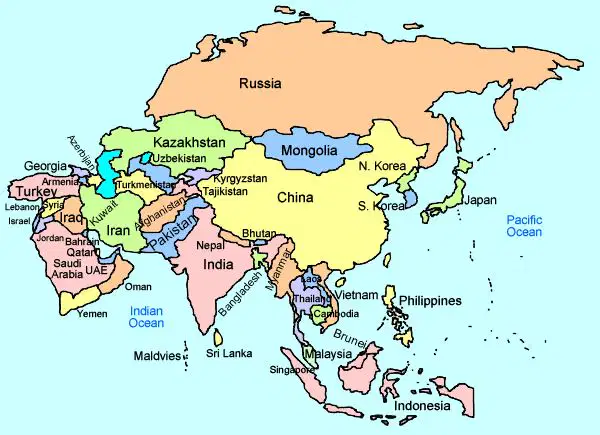
Where did Columbus think he was when he first hit land in the New World?
Japan
China
the Philippines
India
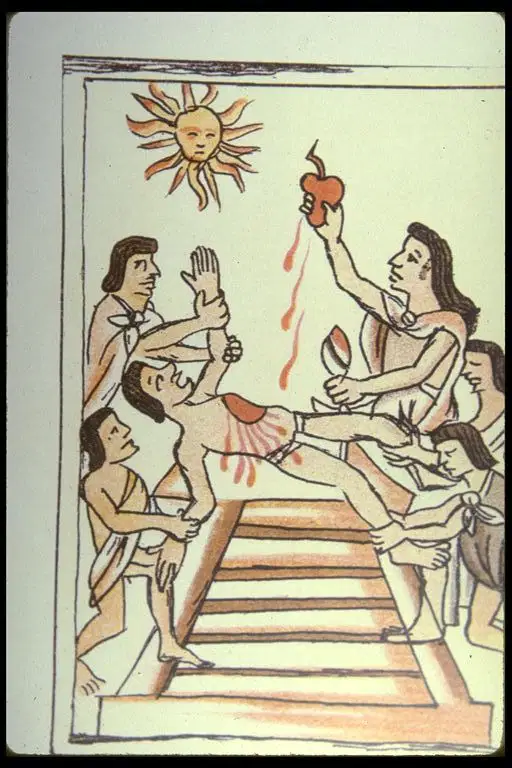
(True or False) Both Columbus (Hispaniola, Bahamas) and Cortes (Mexico), Spanish "Conquistadores" encountered dominant Native American tribes that practiced cannibalism, human sacrifice, and other brutal tactics to the other tribes around them.
True
False

Which of the "Revolutions" we covered in class this semester was the FIRST to occur and probably influenced the most revolutions that occured after it?
Brazilian Independence
French Revolution
Haitian Revolution
American Revolution

Which of the Revolutions we covered during the "Revolutionary Age" was ONLY successful slave revolt revolution in history?
Brazilian Independence
American Revolution
French Revolution
Haitian Revolution
Which of the Revolutions we covered during the "Revolutionary Age" was the bloodiest, most radical and led to the rise of Napoleon?
Brazilian Independence
American Revolution
French Revolution
Haitian Revolution
Which of the Revolutions we covered during the "Revolutionary Age" was the least bloody and most peaceful transition of leadership?
Brazilian Independence
American Revolution
French Revolution
Haitian Revolution

Current Events: (2024 Presidential Election) How do you "win" a Presidential election? Choose the BEST answer.
Win the most votes of the people overall in the nation (popular vote)
With 3/4 of the state legislatures and over 1/2 of Congress.
Receive 270 or more electoral votes
Win more total state elections than your opponent.
Current Events: (2024 Presidential Election) What is the term used to describe the states that could vote Republican or Democrat because they are pretty evenly split?
Partisan
Politico
Swing
Moderate
Current Events: (2024 Presidential Election) Going into the election in November about how many states were considered "swing states" that would determine the election?
7
17
27
37
Current Events: (2024 Presidential Election) How many swing states did President-Elect Trump win in the 2024 Election (leading to his victory)?
1/3 of them
1/2 of them
3/4 of them
All of them
Which famous author wrote the classic novel, "A Christmas Carol" as a statement against the negative consequences of the Industrial Revolution in Europe?
Ernest Hemingway
Frederich Engles
William Shakespeare
Charles Dickens

Which of the following is an accurate "symbolism" of the Industrial Revolution in "A Christmas Carol"?
Scrooge represented the wealthy industrialists who had no sympathy for the masses of people in poverty.
Tiny Tim represented the epidemic of Child Cancer that plagued the Industrial Revolution
The "3 Ghosts of Christmas (past, present, future)" represented the 3 Kings of the Industrial era.
Scrooge's transformation from heartless to heartfelt represented the trend wealthy industrialists were experiencing as they began serving society more often

