
 Worksheets
Midterm review (R)
Total questions: 140
Worksheet time: 2hrs 24mins
What is a city-state?
A city that controls surrounding villages and farmlands, with a king.
A small village with no government.
A large city with no surrounding lands.
A rural area with no central authority.
Which rivers are associated with Mesopotamia?
Tigris and Euphrates River.
Nile and Amazon River.
Yangtze and Ganges River.
Mississippi and Thames River.
What did food surpluses allow people to do?
Focus solely on agriculture.
Specialize in other skills.
Abandon farming completely.
Trade only within their village.
What was the belief system of Mesopotamians?
Polytheistic, believing in thousands of gods.
Monotheistic, believing in one god.
Atheistic, believing in no gods.
Dualistic, believing in two gods.
What was the Mesopotamian afterlife believed to be like?
Terrible, with humans doomed to eat dust and live in darkness.
Joyful, with eternal happiness.
Peaceful, with endless rest.
Nonexistent, with no afterlife.
What was the role of slaves in Mesopotamian society?
Build city monuments and work in farm fields.
Lead religious ceremonies.
Manage trade routes.
Oversee government functions.
Who is considered the 'Father of the Jews'?
Abraham
Moses
David
Hammurabi
Who was Narmer (Menes)?
A powerful leader of Nubia
A priest in Mesopotamia
A powerful leader of Egypt who united Egyptian and Nubian cities
A famous Egyptian warrior
What was the purpose of mummification in ancient Egypt?
To preserve the body for the afterlife
To display wealth
To punish criminals
To honor the gods
What was the belief about pharaohs in ancient Egypt?
They were ordinary humans
They were gods
They were merchants
They were slaves
How did ancient Mesopotamia farmers use the Tigris and Euphrates Rivers for agriculture?
Farmers grew their crops on artificial islands built in the rivers.
Farmers dug canals and channels to irrigate their fields.
Farmers used terraced farming to better use the water from the rivers.
Farmers based their planting system on the annual flooding of the rivers.
What does monotheism mean?
belief in one god
belief in many gods
belief in no gods
belief in all gods
What was the first law code in the world and which writing system was it written in?
Code of Hammurabi, Cuneiform
Code of Hammurabi, Sanskrit
Rosetta Stone, Hieroglyphics
Ten Commandments, Hebrew
Name two events the Hebrews suffered at the hands of two river valley civilizations
Captivity in Babylon
Slaves in Egypt
Famine in China
Plagues in India
What was the Mandate of Heaven?
the right to rule by divine authority
bread that fell out of the sky
another term for the Ten Commandments
a form of fortune telling using the stars
What was the important language development created by the Phoenicians?
Pictographs
Cuneiform
The Phonetic Alphabet
Hieroglyphics
Hammurabi's Code was important because _________
It enacted harsh punishments on any offenders
It was the first written set of Laws
It helped Hammurabi rise to power
It made people behave the right way
The rise and fall of Dynasties is referred to as _______
The Mandate of Heaven
Hammurabi's Code
Aristocracy
The Dynastic Cycle
What was the two early cities in the Indus River Valley?
What is an example of technology in the Indus River Valley?
Sewage systems and grid-streets
Ziggurats and canals
Hieroglyphics and pyramids
Dynastic cycle
Mesopotamians built massive temples in the center of the city called
pyramids
sphinxes
ziggurats
churches
A government ruled by religion or a religious figure
Who was the first king of Persia who established the Achaemenid dynasty?
Darius I
Xerxes
Cyrus the Great
Alexander the Great
Which dynasty did Cyrus the Great create?
Roman Empire
Byzantine Empire
Achaemenid Empire
Ottoman Empire
What is the significance of the Cyrus Cylinder?
It was a weapon used by Cyrus the Great.
It contains decrees of Cyrus and evidence of his religious tolerance.
It was a tool for building roads.
It was a currency used in the Persian Empire.
What is a centralized bureaucracy?
A system where local leaders have all the power.
A system with a single center of authority carrying out orders.
A system where everyone has equal power.
A system with no central authority.
How did standardized coins benefit the Persian Empire?
They made trade more difficult.
They allowed for easier business transactions.
They were used only for religious offerings.
They were not widely accepted.
What must one do to practice good deeds in Zoroastrianism?
Honor elders, be honest, avoid greed
Accumulate wealth, seek power, gain influence
Travel widely, learn languages, study history
Build temples, offer sacrifices, pray daily
Is Zoroastrianism monotheistic or polytheistic?
Monotheistic
Polytheistic

Whose empire is pictured in the map?
Alexander the Great's Empire
Persian Empire
Muslim Empire
Roman Empire
Which Persian King built the Royal Road?
Cyrus the Great
Darius I
Darius III
Xerxes
Which statements accurately describe the Persian Empire?
Choose all answers that are correct.
Darius I built a network of good roads for communication.
Cyrus allowed conquered peoples to keep their cultures.
The Persians avoided using ideas from the peoples they conquered.
The Persian army defeated the Athenians at the Battle of Marathon.
What was the primary religion of the Achaemenid Empire?
Christianity
Zoroastrianism
Islam
Hinduism
What role did satraps play in the Achaemenid Empire?
Military leaders
Religious leaders
Governors overseeing regions
Trade officials
What was a significant outcome of Cyrus the Great's conquest of Babylon?
Destruction of the city
Liberation of the Jewish people
Imposition of new taxes
Introduction of new languages
What are Qanats?
Special underground canals
Persian temples
Types of crops
Persian warriors
What is the main focus of Zoroastrianism?
Good thoughts, good actions, good words
Wealth, power, fame
War, conquest, victory
Silence, meditation, peace
What was the purpose of standardized coins in the Persian Empire?
To create a new form of taxation
To simplify trade and economic transactions
To commemorate victories in battle
To fund the construction of temples
What was the significance of the Royal Roads in the Persian Empire?
They were used for religious pilgrimages
They connected the empire for communication, trade, and travel
They served as a boundary for the empire
They were used exclusively for military purposes
Who is the god of light and truth in Zoroastrianism?
Ahura Mazda
Ahriman
Zeus
Odin
Who was the prophet that founded Zoroastrianism?
Zoroaster
Cyrus
Darius
Moses
The Eyes and Ears of the King was
A group of spies loyal to the Persian king who checked on each satrap in order to ensure they were following the king's orders
A group of governors for the Persian king
A group of prophets used to spread Zoroastrianism
A group of messengers that communicated across the Persian Royal Roads
Qanats (underground irrigation canals) were built because
To centralize the king's authority
To prevent water from evaporating in a desert environment
To promote business
Cyrus allowed freedom of movement, which
Spread Zoroastrianism
Kept people from moving up and down the social class system
Helped people seek out better paying jobs and businesses find better quality workers
Made the government divided

What ruler ended the period of the Warring States in 221 B.C.E.?
Shi Huangdi
Confucius
Lao Tze
Li Si
Which Eastern philosophy believes that strict rule and harsh punishment are the only ways to keep society in order.
Legalism
Confucianism
Daoism
Buddhism
Which statement summarizes Confucianism?
People are essentially evil and will do wrong unless there is strict order imposed by the government through clear laws.
Society benefits when people, who are naturally good, honor their social obligations and live virtuous lives.
People who live simply and let nature take its course by "going with the flow" will be burdened by sadness.
Rulers who unify large countries have the blessing of the gods and should continue to rule until they fail to meet their obligations.
Which of these Chinese philosophies is based on the idea that people are naturally evil and must be controlled through strict laws?
Meritocracy
Confucianism
Legalism
Daoism
Read this passage from The Analects, an important text containing many of Confucius's words and teachings.
The Master said, "Observe what a man has in mind to do when his father is living, and then observe what he does when his father is dead. If, for three years, he makes no changes to his father's ways, he can be said to be a good son."
Confucius, The Analects
Which of the following statements summarizes the passage?
Sons should be regularly evaluated by their fathers on their intentions and behavior.
Children are devoted to their fathers if they obey them both in life and after death.
Children should be able to distinguish between the wise and foolish actions of their fathers.
Sons should be specially honored by their fathers if they follow in their footsteps indiscriminately.


What did Emperor Qin Shihuangdi do about ideas he disagreed with or books he didn't like?
He forced people to read them.
He banned them and censored people.
He liked everything!
The _____ ____ of China is a massive project designed to protect China from enemies to the north.
(a)
The Terracotta Army tomb was built out of fear and respect for which ruler?
Qin ShiHuangdi
Han Wudi was a more tolerant emperor and promoted learning Confucianism to earn a spot in government based on merit (skill) through
Han Wudi promoted Confucian education in Han China through the
establishment of the Imperial University and promotion of Confucianism as state philosophy
Han Wudi mapped out the Silk Roads to help China export which money-making product?
Which of the following is an Indian Empire? (select all that apply)
Gupta
Qin
Maurya
Achaemenid
Who established (first emperor) the Mauryan dynasty?
Kautilya
Chandragupta Maurya
Ashoka
Chandra Gupta
Which of the following are attributed to the Gupta Empire? (select ALL that apply)
Invention of gunpowder
Advanced education
Plastic surgery
Decimal system
Chandra Gupta came to power through...
Religious influence
Conquest
Political marriages
Wealth
Achievements of intellectual, economic, and political capacities usually occur during a
Golden age
Empire
Dark age
Dynasty
Which mountains border India and China?
Ural
Pindus
Taklamakan
Himalayas
Kautilya promoted which policies to centralize power? (select all that apply)
Manipulation of religion
Allowing democracy
Nonviolence
Spreading misinformation with spies
Kautilya promoted ___ ______ for those financially overburdened, hoping they would spend more money on luxury goods
(a)
Ashoka Maurya converted to and promoted the values of which religion?
Hinduism
Zoroastrianism
Buddhism
Judaism
Ashoka Maurya's policy of erecting pillars with government laws and Buddhist values across the Mauryan Empire demonstrate that many people were likely
Literate
Religious
Violent
Wealthy
Kautilya promoted government welfare for who? (select ALL that apply)
Pregnant women
Poor farmers
Natural disaster victims
Elderly
The Maurya dynasty ended due to...
Invasion by the White Huns
Ashoka's adoption of Buddhism
Centralization
Plague
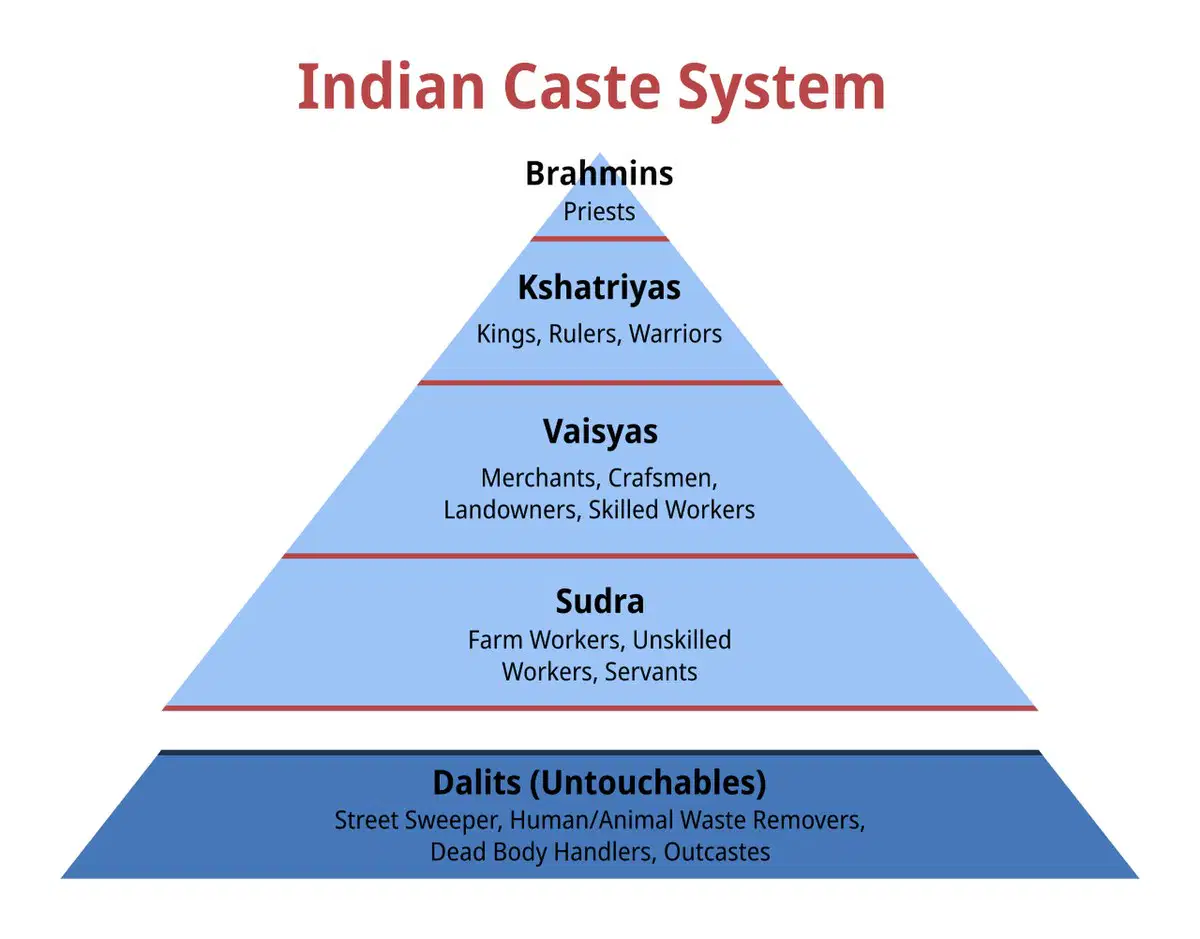
In the Hindu Caste System (social class system) your class is your
Karma
Moksha
Samsara
dharma
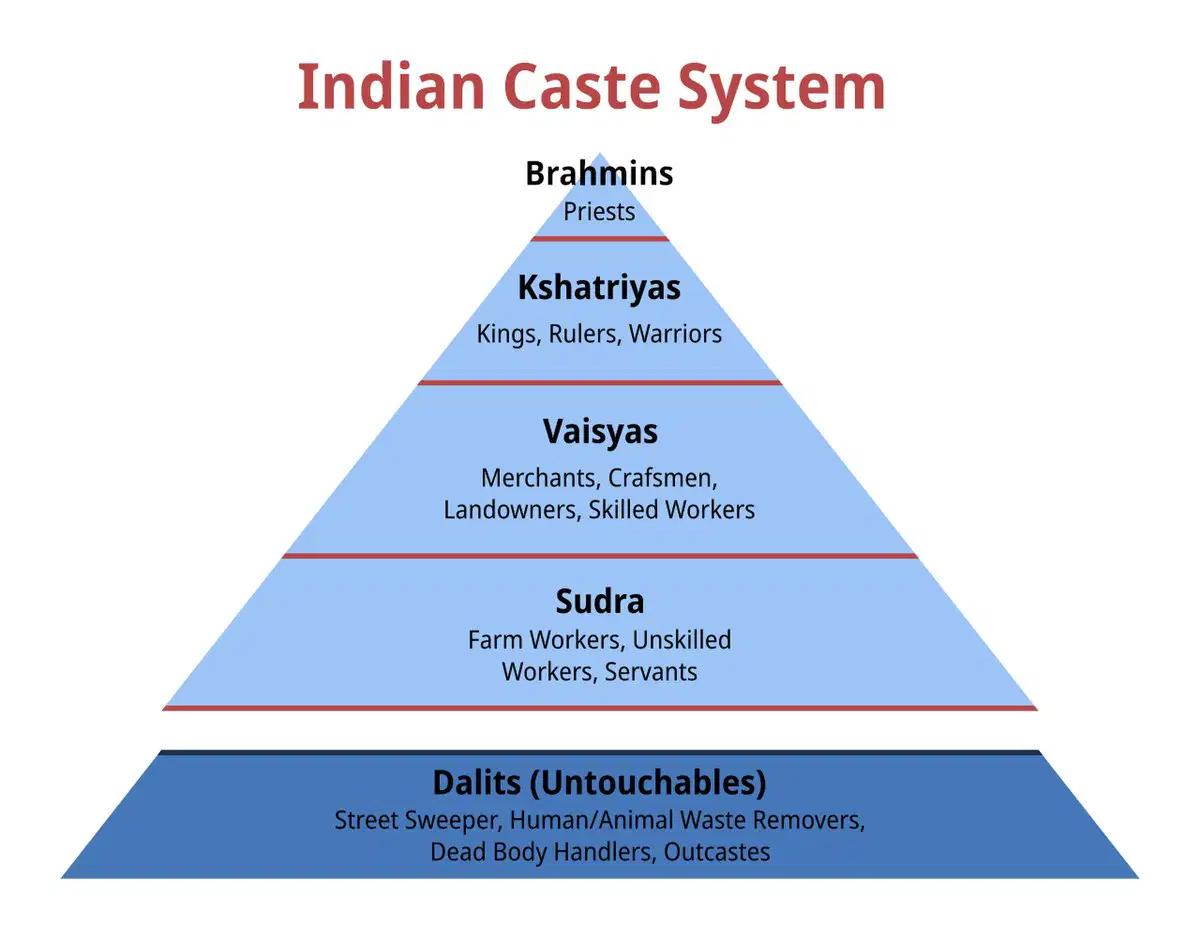
In Hinduism, one must patiently suffer through each life cycle until achieving Moksha after becoming a brahmin in a final life
True
False
To end suffering one must follow the
Middle Way
Dharma
The Eightfold Path
The Five Pillars
In Buddhism, one can end the cycle of suffering and rebirth if they correctly follow the Eightfold Path regardless of social class
True
False
Which was the golden age of India?
Maurya Dynasty
Gupta Dynasty
Which of the following is an excellent example of human-geography interaction?
Kautilya's social welfare program to elderly, pregnant women, and those who lost their homes
Indian sailors of the Gupta Dynasty using strong monsoon storm winds to sail far to Africa for trade
Hammurabi's Code being claimed by Hammurabi to come from the Mesopotamian gods
Pericles' promotion of education in Athens


Greek has many _________ (polis) that are like mini countries.


(Also, the largest city-state by a wide margin)
Which geographical feature caused all of the Greek polis (city-states) to vary in culture?
Only free, male citizens

One of the most famous ancient Greek poets who wrote the Iliad and the Odyssey was...
How did Sparta rely on Helots?
Helots farmed the food that Spartans needed
Spartans did not rely on Helots
The Helots revolted and killed all the Spartans
The Helots sailed the seas for them
A military and political alliance meant for mutual defense and headed by Athens
Peloponnesian League
Delian League
Corinthian League
Thessalonikian League
Plato is credited with what idea that is foundational to America?
The "veto"
Mixed government
Democracy
Dictatorship
Introduced the idea of the 3 branches, separation of powers, and tutored Alexander
Hippocrates
Socrates
Aristotle
Zeno
After he died, what happened to Alexander's empire?
Alexander's son ruled
His generals split it up among themselves
Athens had a golden age
Persia restored its rule
The Olympics were a form of
Persian religious ceremonies
Roman government
Panhellenic festivals
Wars
The Iliad, the Odyssey, and many other epic stories were based on the legendary battle between Mycenae and...
Shechem
Argos
Sparta
Troy
What became the center of achievement and learning under the Hellenistic Empire?
Pataliputra, India
Athens, Greece
Alexandria, Egypt
Persepolis, Persia
Alexander the Great's Hellenistic Empire was centralized because he borrowed administration strategies from the Persians, such as
the use of satraps for regional governance, and the Eyes and Ears f the King to spy on his satraps
Who brought Greece, Persia, Egypt, and India under the control of one authority at age 22?

This large temple in Athens, built during the golden age and dedicated to the Greek gods, is known as the...
Who led the Athenian golden age by fixing the democracy, beautifying Athens, and building up schools and government?
Which for of government refers to when a group of educated, wealthy elites take power and make decisions for everyone else?
What was one result of the Persian Wars on the Greece?
They became a single unified state
They felt a stronger sense of community
They were divided into smaller states
They lost their independence
What was one outcome of Solon's reforms regarding legal charges?
Only nobles could bring charges
Any citizen could bring legal charges
Legal charges were abolished
Only women could bring charges

What achievement brought fresh water into Roman cities?
Laws
Arches
Dome
Aqueducts

What Roman Achievement allowed for quicker travel?
Roads
Aqueducts
Domes
Baths

What rights did the Roman citizens have?
To raise taxes
vote, be elected to government, fair trials, equal protection between those in the same social class
To declare war
Lead armies
Rome had a republic, where citizens did not directly vote on laws but elected representatives to do so for them. This is also called a...
Representative democracy
defeat of Carthage during the Punic Wars
Romans borrowed mixed government and separation of powers into 3 branches from the Greeks, but then added to this to help prevent each branch from becoming to powerful by using...
Who became a "perpetual dictator" and ended checks and balances/democracy in the Roman Republic?

Who used Caesar's name and "god-status" to take power as Rome's first emperor, AND began PAX ROMANA?
Octavian (Caesar Augustus)
Emperor Tiberius
Emperor Nero
Emperor Trajan
What 200 year golden age of peace did Caesar Augustus (Octavian) begin as the first emperor of Rome?
Who do Christians believe Jesus is?
A historical figure with no divine status.
The leader of a political movement.
A prophet of Islam.
The Son of God/God
Christianity was spread due to...
Pax Romana and martyrdom
Conquest and violence
Education and the Silk Roads
Polytheism
Christians follow which of the following?
The 12 Tables
Zoroastrian Code
The 10 Commandments
Sharia
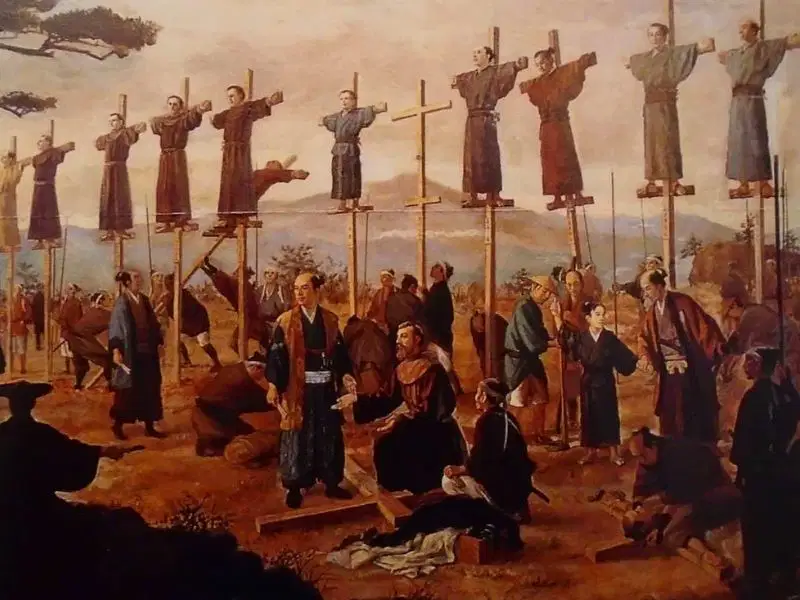
Christianity spread through martyrs who were
persecuted for their faith
Which is NOT an achievement from Pax Romana?
Roads
Aqueducts
Colosseum "Bread and Circusses"
Satraps
Which is NOT something protected by the 12 Tables (Roman Constitution)?
Everyone gets a fair trial
People are innocent until proven guilty
All Romans are completely equal
People within each social class are equal under the law
How was Emperor Constantine's conversion to Christianity a turning point in history?
It led to him legalizing Christianity which would become the majority religion of the empire
Which document legalized the practice of Christianity in the Roman Empire?
How was Constantine's decision to move the capital to Constantinople a turning point?
Constantinople was a better geographic location and the eastern half of the empire would survive the future fall of Rome
Which was NOT a cause of the fall of Rome?
Inflation
Invasions by Goths

