
 Worksheets
Atoms, Elements, Periodic Table
Total questions: 35
Worksheet time: 50mins
Identify the 3 alkali metals that are found in odd-numbered periods:
Gases
Liquids
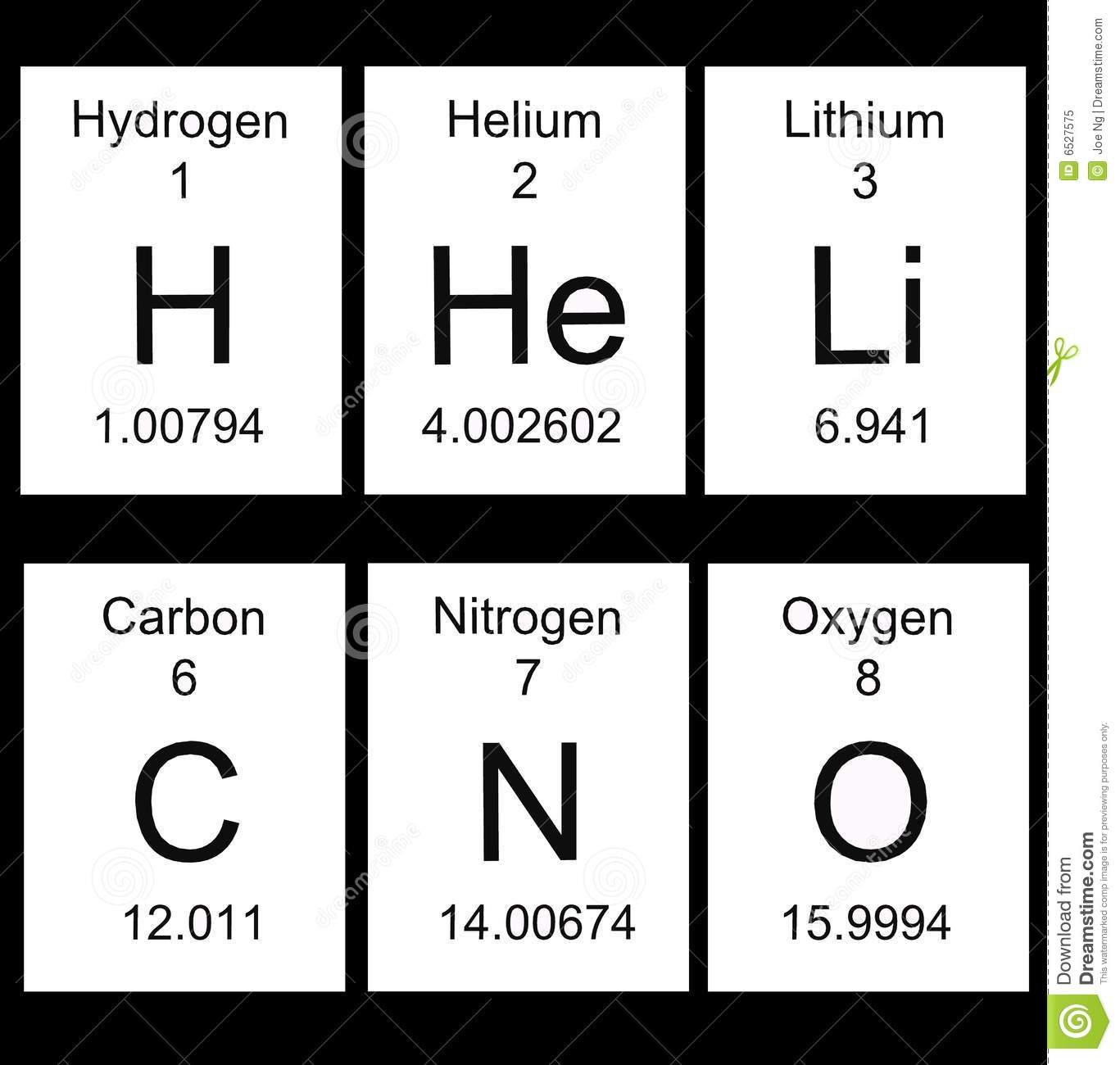
The number at the top of each square on the periodic table is the:


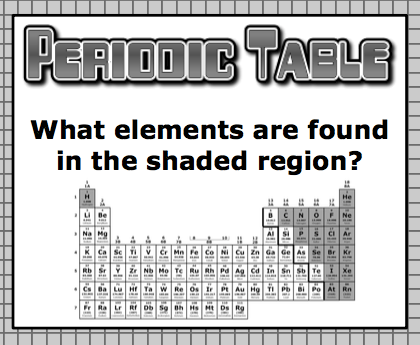
The atoms along the red-line staircase are called:

Which alkali metal is Na?

Identify the 3 Halogens found in even-numbered periods:

40.18


2 SRA students are writing a report on the properties of fluorine. They decide to include a brief section about other elements that transition like fluorine. In order to find these elements, they look up where fluorine is located on the Periodic Table of elements shown above. Which of the following sets of elements should be included?
Helium, sulfur, and argon, because they are diagonal from fluorine.
Oxygen, neon, and chlorine, because they are connected to fluorine.
Nitrogen, oxygen, and neon, because they are in the same period as fluorine.
Chlorine, bromine, and iodine, because they are in the same group as fluorine.
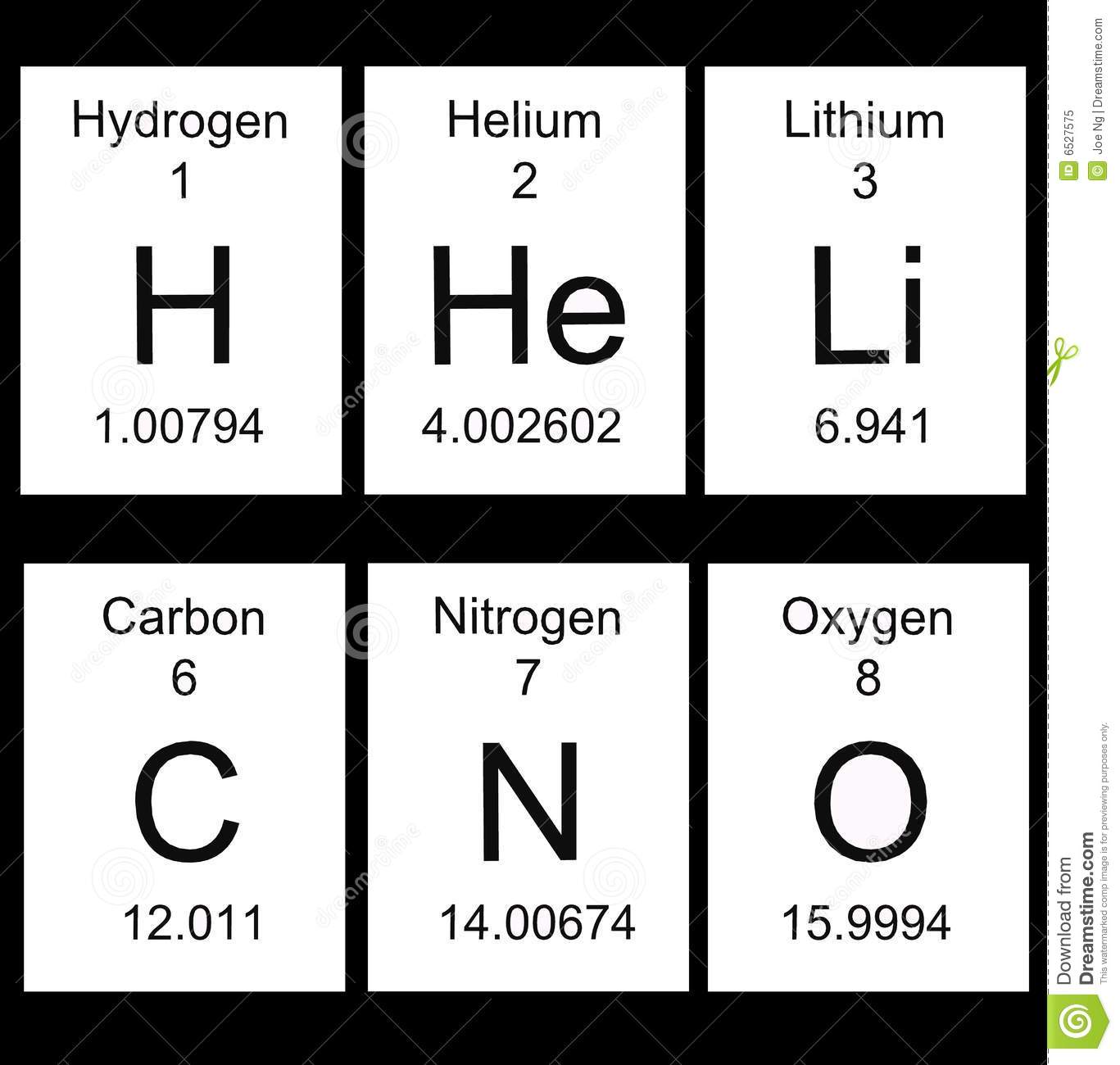

How do you find the number of neutrons in an atom?
Groups/Families
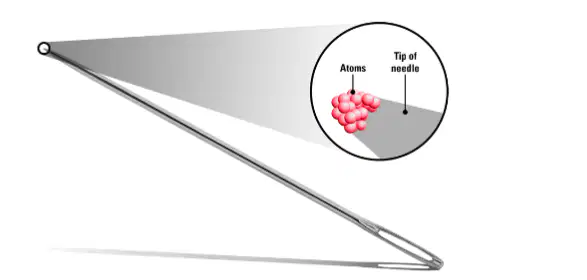
Using what you know about atoms, what is the best approximation of the number of hydrogen atoms that could fit on the tip of a needle?
5 atoms
5,000 atoms
50 atoms
5,000,000 atoms
An SRA student is writing a report on the properties of fluorine. She decides to include a brief section about other elements that are similar to fluorine. In order to find similar elements, she looks up where fluorine is located on the Periodic Table of elements shown above. Which of the following sets of elements should be included?
Helium, sulfur, and argon, because they are diagonal from fluorine.
Oxygen, neon, and chlorine, because they are connected to fluorine.
Nitrogen, oxygen, and neon, because they are in the same row as fluorine.
Chlorine, bromine, and iodine, because they are in the same family as fluorine.
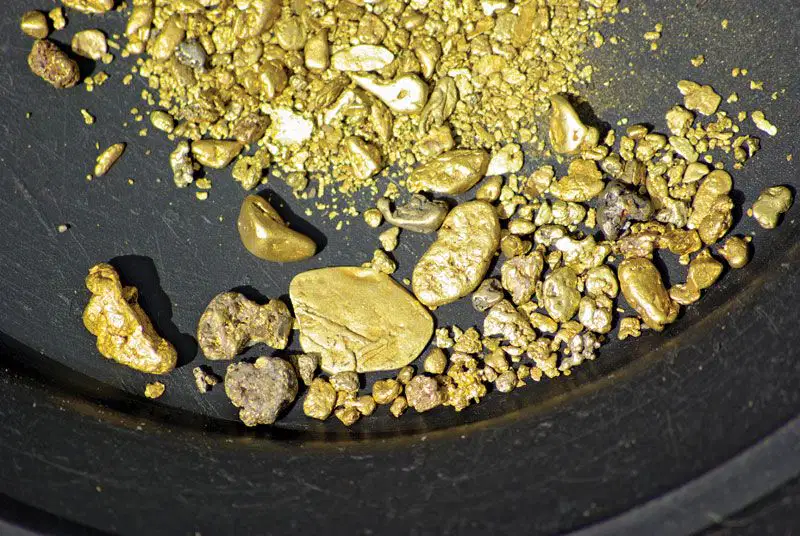
In the 1800s, pure aluminum metal was so valuable that it was worth as much as Au or ____.
Silver
Gold
Diamonds
Platinum

What is aluminum commonly used to make today?
Jewelry
Cars
Aluminum cans
Computers
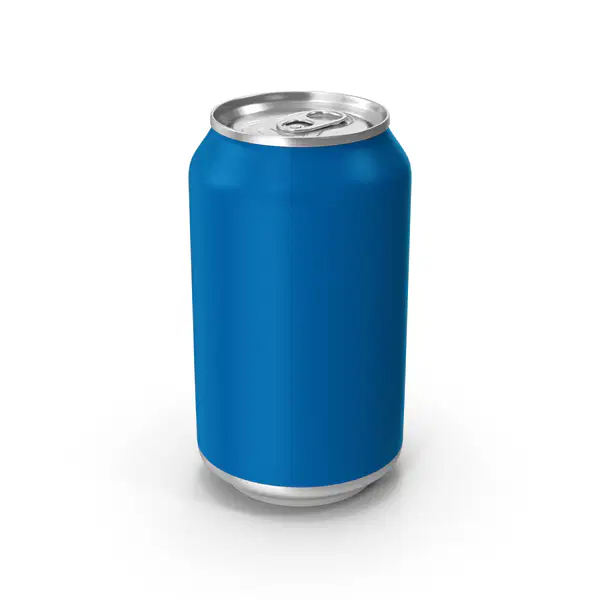
The mass of a single aluminum can is most likely measured in which unit?
Kilograms
Grams
Milligrams
Pounds

What unit is more appropriate for measuring the mass of a large block of recycled cans?
Grams
Milligrams
Kilograms
Ounces

Scientists use patterns in the periodic table to:
figure out how to turn a metal into a gas.
figure out how many elements there are.
predict what will happen when two elements mix.
predict which elements are expensive.
What is a chemical symbol?
a picture representation of an atomic number
any notation regarding an element made by a scientist
a shorthand notation that represents the name of an element
a sign that tells a scientist how safe it is to handle a particular element

Which of these is a benefit of using chemical symbols when talking about elements?
Chemical symbols are the same across languages.
Chemical symbols use all the letters of the alphabet
Scientists are able to label the elements in order of their degree of danger.
Scientists do not actually need to memorize what a chemical symbol stands for.

The smallest part of any element. Made up of protons, neutrons and electrons.
Atom
AMU
Ion
Isotope
An SRA student is writing a report about the element silicon. She notices that silicon is in a special group on the periodic table known as the metalloids. She wants to include at least three other elements that are directly above or below silicon that are also metalloids. Which ones would she include?
Boron, germanium, arsenic
Oxygen, carbon, nitrogen
Nitrogen, oxygen, hydrogen
Chlorine, bromine, phosphorus
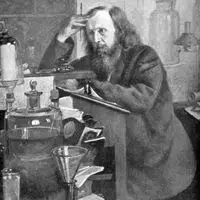
In 1869, Dmitri Mendeleev developed the first periodic table, organizing the elements according to atomic weight. When he ordered the elements, he noticed that there were patterns of repeating properties. The modern periodic table sequences elements from left to right by atomic number.
Who was the first person to organize a periodic table?
Neils Bohr
Dmitri Mendeleev
Democritus
Ernest Rutherford
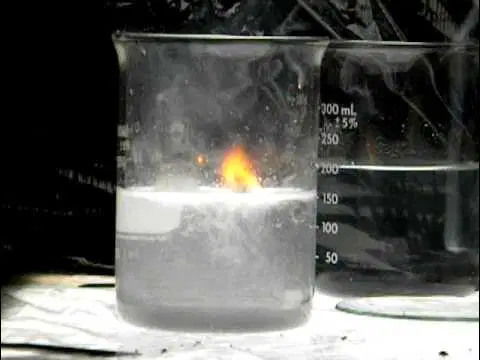
In the periodic table, similar elements are arranged in vertical columns called groups or families. Some of the major groups include Group 1: alkali metals; Group 2: alkaline earth metals; Group 17: halogens; and Group 18: noble gases. Elements within each group have similar properties and characteristic behaviors because of their similar numbers of valence electrons.
What do you think causes more reactivity as you progress down the group?
neutrons
electrons
protons
water
Identify 4 of the noble gases:
Period 2, Family 15
Period 3, Family 2.
Period 6, Family 11
Period 5, Family 17.
Period 2, Family 16
Period 5, Family 8.
The 1st and last Halogen Gas?
The 1st and last Alkali Earth Metals?

