
 Worksheets
7th grade exam friday
Total questions: 61
Worksheet time: 41mins


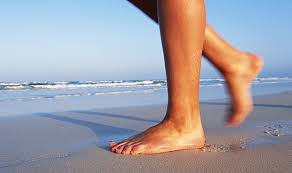
_________________ is the transfer of energy through or by electromagnetic waves.
Conduction
Convection
Radiation
Movements of water in a pot, molten mantle in the earth's crust and hot air rising in the atmosphere are examples of
Sublimation
Convection
Conduction
Radiation


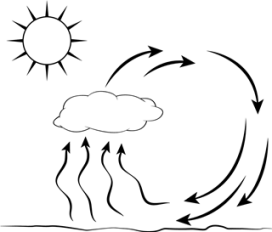
The moving of air in the image is an example of _?_.
radiation
convection
conduction
Which model is demonstrating what molecules in a gas look like.


A group of friends gather around a fire to stay warm. This is an example of _?_.
conduction
convection
radiation

Newton's 1st Law is also called the Law of ...
Friction
Inertia
Unbalanced forces
Newtons

What is Newton's 1st law?
Law of Force and Acceleration
Law of Inertia
Law of Action-Reaction
Law of motion

What Newtons law does this picture represent
Newtons 1st law
Newtons 2nd law
Newtons 3rdt law
Newtons 4rth law
A push or pull on an object is called...
Acceleration
Mass
Inertia
Force
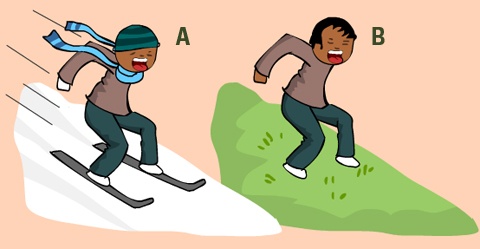

1st
Law of Motion
2nd
Law of Motion
3rd
Law of Motion

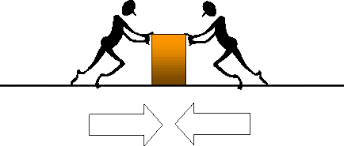
If one force of 30 N and another force of 85N result in a net force of 55 N, which term describes the two forces?
negative forces
balanced forces
unbalanced forces
A 20 kg bike accelerates at 10 m/s2. What was the force?
30 Newtons
2 Newtons
200 Newtons
10 Newtons

What was Newton's first name?
Isaac
Ivan
Michael
Iforgot

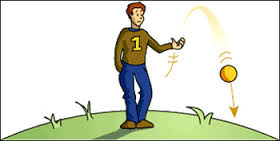
The reason a ball bounces up when it hits the ground:
The ball and ground repel each other.
The ball exerts a force on the ground, and the ground exerts a force on the ball.
What explains a quantity that has BOTH speed and direction?
Inertia
Force
Speed
Velocity

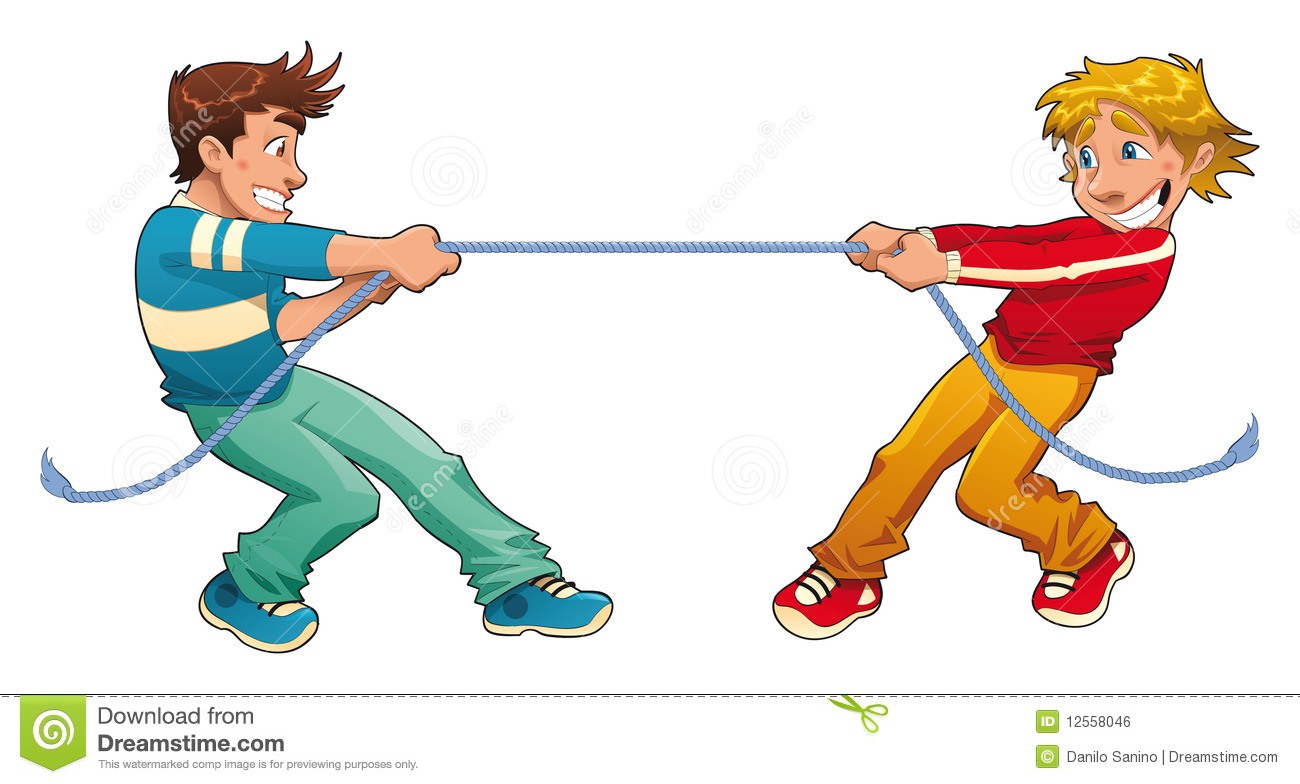
Are the forces balanced or unbalanced?
balanced
unbalanced
What is the net force on the rope?
0 Newtons
500 Newtons
1000 Newtons
Which way will the rope move?
to the left
to the right
it will not move

What is the net force on the rope?
50 Newtons
500 Newtons
450 Newtons
950 Newtons

Are the forces balanced or unbalanced?
balanced
unbalanced

The illustration shows the forces in Newtons (N) acting on three different blocks. Which blocks will move under these conditions?
Blocks 1 and 2
Blocks 2 and 3
Blocks 1, 2, and 3
Blocks 1 and 3

When a cannon fires a cannonball we observe Newton's third law. Which is the reaction force?
The cannon moving forward
The cannon moving backwards
The cannonball moving backwards
The cannonball moving forward

How is this an example of Newton’s Third law?
Only the ball is using the head
They are both exerting an equal force on each other
Only the head is pushing the ball

The forces on the object above are
Balanced
Unbalanced
The object above will...
Accelerate
Not Accelerate
What direction will this object Accelerate?
Up
Down
Left
Right
No Acceleration

The forces on the object above are
Balanced
Unbalanced
The object above will
Accelerate
Not Accelerate
What direction will this object accelerate?
Up
Down
Left
Right
No direction, the acceleration is zero!

The forces on the object above are
Balanced
Unbalanced

The forces on the object above are
Balanced
Unbalanced

The forces on the object above are
Balanced
Unbalanced

The forces on the object above are
Balanced
Unbalanced

The forces on the object above are
Balanced
Unbalanced

The forces on the object above are
Balanced
Unbalanced

The forces on the object above are
Balanced
Unbalanced
The object will
Not Accelerate
Accelerate
What direction will this object accelerate?
up
down
left
right
no acceleration
The object above will
not accelerate
accelerate
If forces on an abject are unbalanced what could happen to the motion of the object?
speed up
slow down
not move
continue moving at a constant velocity
If forces on an abject are balanced what could happen to the motion of the object?
speed up
slow down
not move
continue moving at a constant velocity

