
 Worksheets
Kitchen Knives
Total questions: 40
Worksheet time: 20mins
What is the most used knife in a chef's knife kit?
Paring knife
Bread knife
Chef knife
Boning knife
What is the typical length range for a chef knife?
5 to 10 inches
8 to 14 inches
12 to 18 inches
15 to 20 inches
Which blade length is the most popular for a chef knife?
8 inches
10 inches
12 inches
14 inches
What is the design feature of a chef knife that allows it to be used for chopping by rocking?
Serrated edge
Flat blade
Tapered point at the tip
Hollow edge
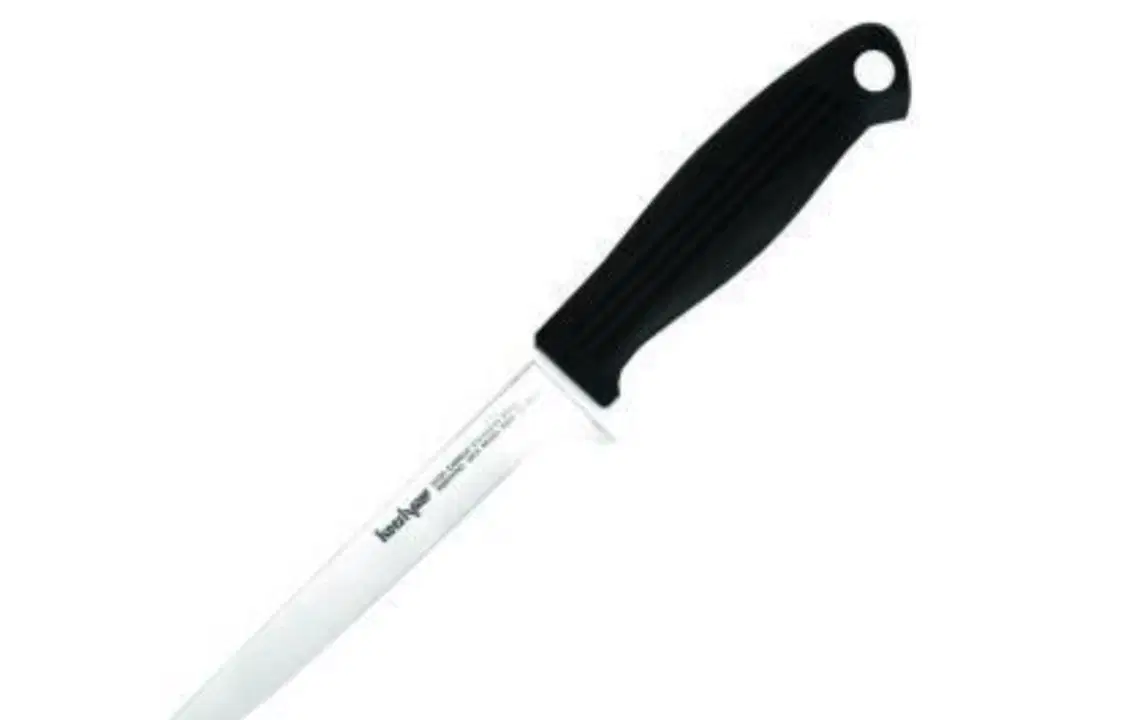
What type of knife is shown in the image?
Chef's Knife
Bread Knife
Boning/Filet Knife
Paring Knife
What is the approximate length of a boning knife blade?
4 inches
6 inches
8 inches
10 inches
What type of knife is used for separating muscle from bone on meat or poultry?
Chef knife
Bread knife
Boning knife
Paring knife
What are filet knives primarily used for?
Chopping vegetables
Slicing bread
Filleting and portioning fish
Cutting cheese
How are the blades of filet knives described?
Wide and rigid
Thick and heavy
Thin and flexible
Short and blunt
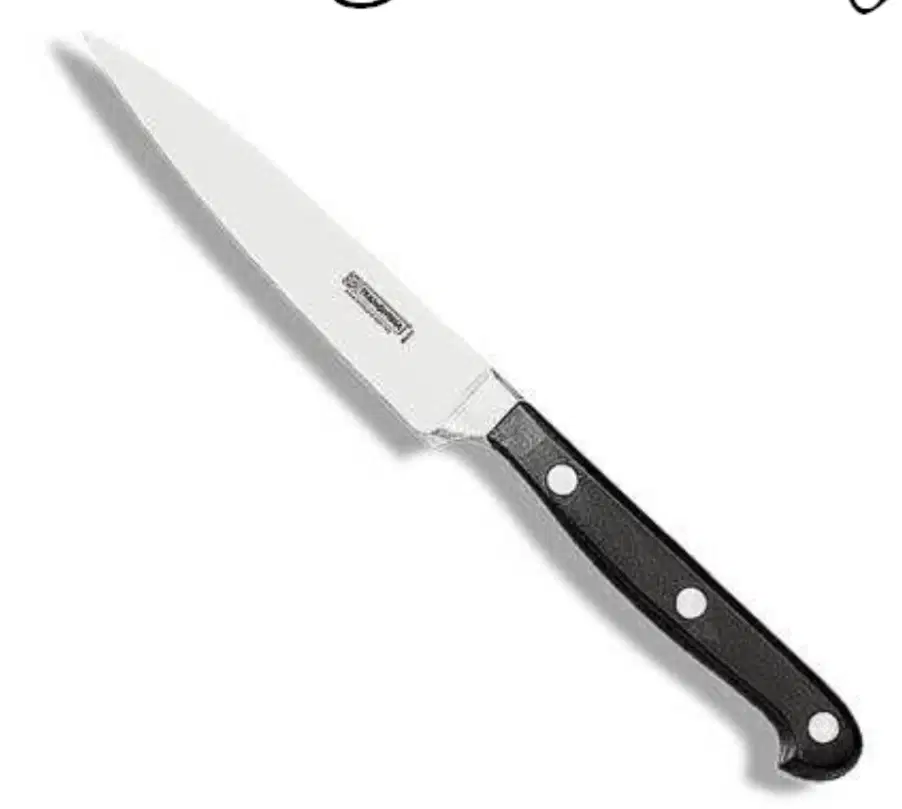
What type of knife is shown in the image?
Chef's Knife
Bread Knife
Paring Knife
Cleaver
What is the primary use of a paring knife?
Cutting away skin or peel
Chopping large vegetables
Slicing bread
Carving meat
What is a characteristic feature of paring knives?
Long, serrated blades
Small, short blades
Heavy, thick blades
Curved, flexible blades
For what type of work are paring knives also useful?
Cutting large fruits
Slicing through bones
Cutting intricate garnishes
Filleting fish

What type of knife is shown in the image?
Chef's Knife
Paring Knife
Serrated/Bread Knife
Cleaver
What is a characteristic feature of a serrated blade?
It is smooth and flat.
It has teeth like a saw.
It is short and blunt.
It is flexible and thin.
What is a serrated bread knife primarily used for?
Cutting meat
Chopping vegetables
Cutting breads and pastries
Slicing cheese
Why is a serrated bread knife preferred for cutting breads?
It is sharper than other knives.
It prevents crumbling or crushing.
It is easier to clean.
It is lighter in weight.
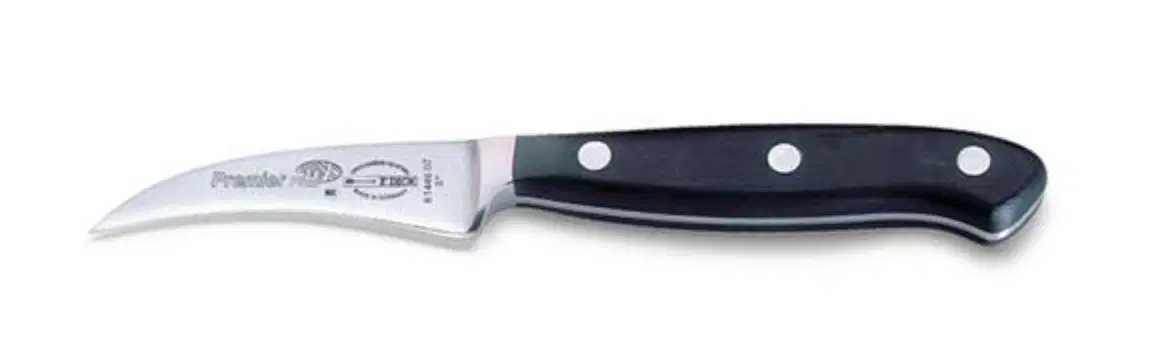
What is the name of the knife shown in the image?
Chef's Knife
Paring Knife
Tourne Knife
Bread Knife
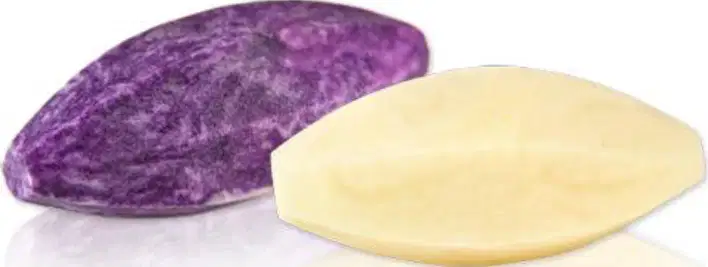
What is a tourne?
A type of fruit cut into a cube shape
A vegetable cut into a small barrel or football shape
A type of meat cut into strips
A fruit cut into a star shape
What feature of the tourne knife makes it easier to cut specific shapes?
Its straight blade
Its serrated edge
Its inwardly curved blade
Its long handle
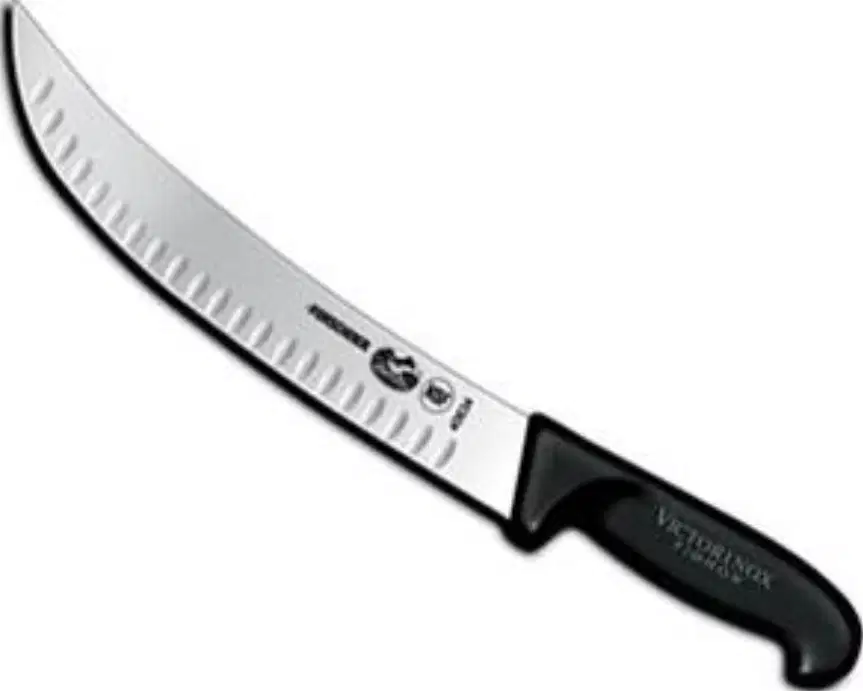
What is the name of the type of knife shown in the image?
Scimitar
Cleaver
Paring Knife
Bread Knife
What is a scimitar sometimes called?
Chef's knife
Butcher's knife
Paring knife
Bread knife
What is the primary use of a scimitar knife?
Slicing bread
Peeling fruits
Cutting steaks from large cuts of meat
Chopping vegetables
What is a characteristic feature of a scimitar blade?
Short and straight
Long, thick, and highly curved
Thin and flexible
Serrated edge
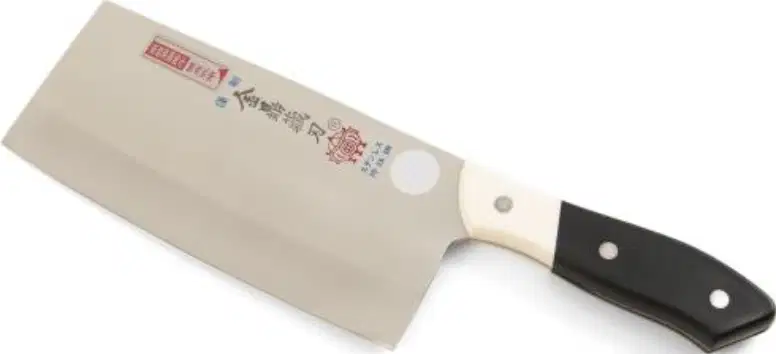
What is the name of the tool shown in the image?
Cleaver
Scalpel
Machete
Dagger
What is a cleaver primarily used for?
Slicing bread
Chopping
Peeling fruits
Filleting fish
How can a cleaver be easily identified?
By its small circular blade
By its long thin blade
By its large rectangular blade
By its serrated edge
What can heavier cleavers chop through?
Vegetables
Bread
Bones
Fruits
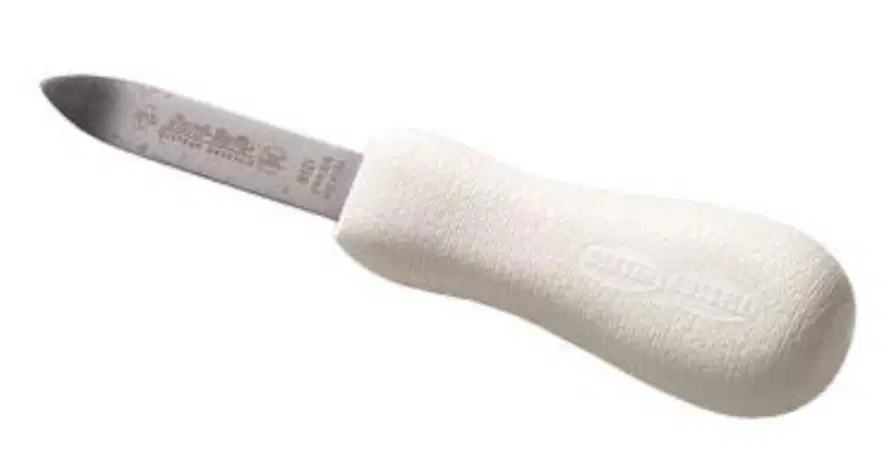
What is the tool shown in the image used for?
Cutting vegetables
Shucking oysters
Slicing bread
Peeling fruits
What is an oyster knife primarily used for?
Cutting vegetables
Prying apart oyster shells
Slicing bread
Carving meat
What is a characteristic of an oyster knife's blade?
Sharp and flexible
Narrow and rigid
Wide and dull
Serrated and sharp
How is the tip of an oyster knife described?
Blunt and rounded
Sharp and pointed
Pointed but not sharp
Flat and wide

What is the primary use of a clam knife?
Cutting vegetables
Opening clams
Slicing bread
Carving meat
What is the primary use of a clam knife?
Cutting vegetables
Opening clam shells
Slicing bread
Carving meat
How wide is the blade of a clam knife?
2 inches
1 inch
3 inches
0.5 inches
What characteristic of the clam knife blade makes it unsuitable for cutting?
It is too sharp
It is not honed sharp
It is too long
It is too flexible
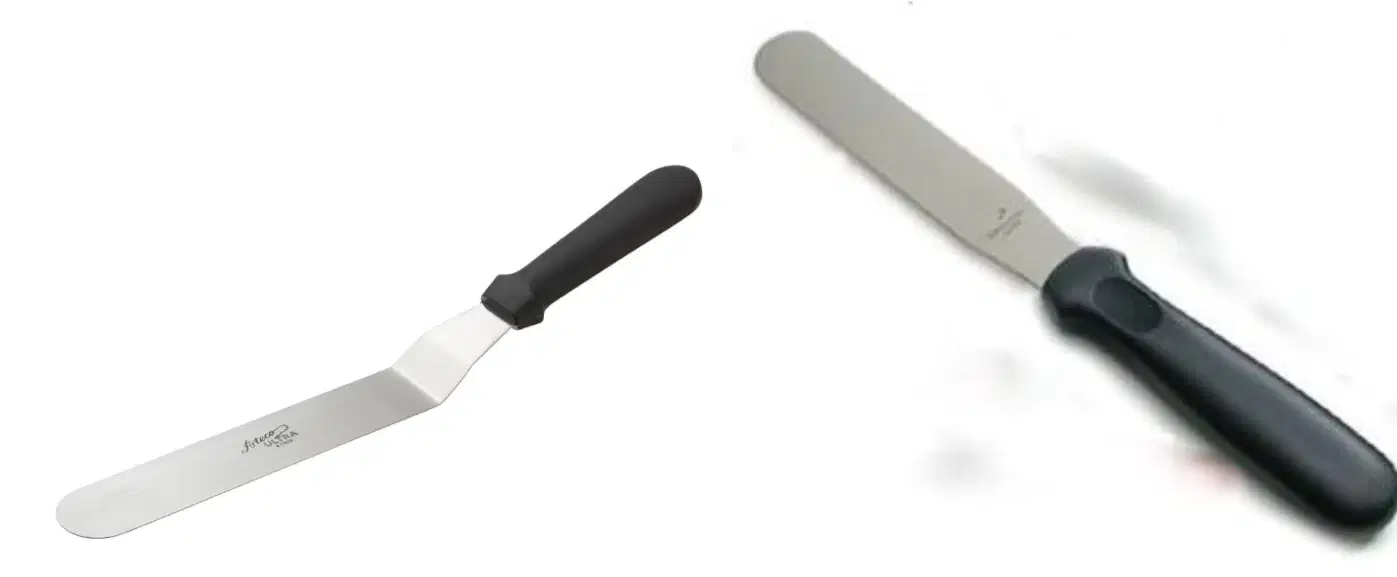
What are the tools shown in the image used for?
Cutting vegetables
Spreading icing or butter
Chopping meat
Peeling fruits
What is the primary function of a paring knife?
Carving meat
Chopping large vegetables
Peeling and trimming fruits and vegetables
Slicing bread
What is a Santoku knife best used for?
Chopping, slicing, and dicing
Filleting fish
Carving poultry
Peeling fruits
What is the primary use of a chef's knife?
Filleting fish
Chopping and slicing
Opening clams
Peeling fruits

