
 Worksheets
P6 PHYSICAL AND CHEMICAL CHANGES
Total questions: 150
Worksheet time: 2hrs 58mins

While camping, Nisa noticed that burning wood creates heat and light. This process is a
chemical change
physical change

Nita accidentally dropped a glass on the floor, causing it to shatter into pieces. This event is an example of a
chemical change
physical change

Dian is melting butter to prepare popcorn for movie night. This process is a
chemical change
physical change

After Angga put an ice pack in the freezer for an hour, it got cold. This is a
chemical Change
physical Change
Wawan put an ice pack in the freezer for an hour, and it got cold. This is a
chemical Change
physical Change
While conducting an experiment, Adi mixed vinegar and baking soda, resulting in bubbles and a fizzing reaction. This is an example of a change in which NEW substances are formed.
Chemical change
Physical change

Joko is making a saltwater solution by adding salt to a glass of water. What type of change is this?
physical change
chemical change

During the New Year's celebration, Mega set off some fireworks. Exploding fireworks is a
Physical Change
Chemical Change
Katy Perry Song

Rani is melting a chocolate bar for her dessert. This process is a
Physical Change
Chemical Change
Willy Wonka's Job
Adi and Dewi were discussing the changes that occur when ice melts. They wondered, which answer below makes a correct statement about physical changes?
Physical change only changes the color.
Physical change only changes the size.
Physical change changes the matter into something totally different.
Physical change begins and ends with the same matter.
Laila is conducting an experiment in her chemistry class. She mixes vinegar and baking soda in a beaker and notices some bubbles forming. Which of the following is a sign that a chemical reaction has occurred?
change in shape
melting
formation of a gas
dissolving
During art class, Tiara crumpled a piece of paper, Rudi sharpened his pencil, Mega accidentally shrank her clothing in the wash, and they all noticed that the old bike left outside had developed rust. Which of the following is NOT an example of a physical change?
crumpled paper
pencil sharpening
shrunken clothing
rust

During a science experiment, Tiara noticed that the color of a liquid changed when she mixed two solutions together. Is this change in color a physical change?
True
False
While conducting a science experiment, Joko noticed that when he mixed vinegar and baking soda, it started fizzing, foaming, and producing heat. These observations are all examples of
Chemical change
Physical change

Dewi noticed that an iron bar left outside had developed rust. Is this an example of a chemical change?
True
False

When Mega is chopping a log into small pieces for a campfire, is this a chemical change?
true
false
Which is an example of a chemical reaction that Ratna observed while baking?
paper cut into small pieces
chocolate melting in a pan
flour and sugar mixed in a bowl
cookies baking in an oven
Surya is studying the process of photosynthesis in plants. He wonders whether it is a physical change or a chemical change.
Physical change
Chemical change
Angga is mixing blue and yellow paint to create green. What type of change is this?
Physical change
Chemical change
While camping, Adi decided to roast a marshmallow over the fire.
Physical change
Chemical change
Eko is sitting by the campfire, watching the logs burn.
Physical change
Chemical change
A rotting strawberry that Heri found in the fridge
Physical change
Chemical change
Rani is cracking an egg to make an omelette.
Physical change
Chemical change
Adi is chewing his food, breaking it down in his mouth with his teeth.
Physical change
Chemical change
Yuni observed that water evaporates from the surface of the ocean
Physical change
Chemical change
Cutting a pizza for Susi and her friends
Physical change
Chemical change
Nita noticed that the snow melting in her driveway was creating puddles.
Physical change
Chemical change
Dian mixes yellow powder with water. Which observation would prove a CHEMICAL change occurred?
The powder DISSOLVED in the water
The water turned the COLOR yellow
The bag's TEMPERATURE changed
The STATE OF MATTER changed
Rudi is boiling water for his tea, and he notices that the water bubbles when heated. Which of the following examples provides evidence of a PHYSICAL change?
Wood is burned and releases ash and smoke
Iron rusts over time
When mixed, baking soda and vinegar form gas bubbles
Boiling water bubbles when heated
While camping, Sari noticed that when she burned some wood in the fire, it released ash and smoke. Which of the following options provides evidence of a CHEMICAL change?
Wood is burned releasing ash and smoke
Rocks separate when soil is sifted
Boiling water bubbles when heated
Salt dissolves in water

Joko dropped a white tablet into a glass of water. The water became cloudy and bubbles were produced. What type of change has occurred?
Physical change
Chemical change
No change

Laila is boiling water on a stove, producing steam. What conclusion can you make about the change that is occurring?
Boiling water bubbles indicate a chemical change
Steam indicates a state of matter change
Heat indicates a chemical change
The clear color indicates a chemical change
Nur and Laila were conducting an experiment in the lab. They mixed two clear solutions and observed an unexpected color change and a temperature change. What observations prove a chemical change occurred?
Dissolving and expected color change
Mixing and dissolving
State of matter change and boiling water bubbles
Unexpected color change and temperature change
Sari and Adi are mixing two liquids in a science experiment, and they notice that a solid forms as a result. What is this process called?
pre-color
precipitation
precipitate
pretest
When Nisa mixed milk and vinegar for her cooking project, a white, chunky, solid substance was formed. What has occurred?
Physical change: state of matter
Chemical change: precipitate
Physical change: freezing
Chemical change: rust
Surya is mixing vinegar and baking soda in a bowl. What can we conclude about the changes happening in the bowl?
A physical change produces a new substance
A chemical change does not produce a new substance
A physical change can produce a precipitate
A chemical change can produce a precipitate
When Yuni left her bicycle outside for a long time, she noticed that it started to develop a reddish-brown coating. This is an example of what?
A new substance forming
Color change: no new substance
Shape change: no new substance
Burning: a new substance
Adi was mixing vinegar and baking soda for a science project, and he noticed that new bubbles formed and the mixture fizzed. Changes in which one or more new substance is formed are called
phases of matter
chemical changes
physical changes
Dian was experimenting in the kitchen and noticed that when she melted some chocolate, it returned to its solid form once cooled. She wondered about the type of changes that do not form a new substance and are reversible. What would you call these changes?
phases
physical changes
chemical changes
While conducting an experiment in the school lab, Lina noticed a change in color, the production of light, and the release of gas when she mixed two substances. These observations are clues that a ___ change has occurred.
chemical change
physical change
change in state of matter
Surya noticed that the ice cubes in his drink were melting and turning into water. This process of water changing from a solid to a liquid is a
chemical change
physical change
change in the phase of matter
both a physical change and a change in phase of matter
Heri is mixing sugar into a glass of water. This process...
changes the physical properties of an object, but does not create a new substance.
creates a new substance and cannot be undone.

Hadi found a piece of bread in a sealed bag that had developed green mold. What does this picture represent?
physical change
chemical change
Hadi mixed vinegar and baking soda in a bottle. What type of change occurred during this reaction?
changes the physical properties of an object, but does not create a new substance.
creates a new substance and cannot be undone.

Is boiling water on the stove an example of a physical or chemical change?
physical
chemical

While sitting by the fireplace, Ratna noticed the logs burning brightly. What type of change is occurring as the logs burn?
Physical Change
Chemical Change

Wawan is frying an egg in a pan. What type of change is occurring during this process?
Physical Change
Chemical Change

Surya is considering bleaching or dying his hair. What type of change is this?
Physical Change
Chemical Change
While working on a science project, Titi melted a chocolate bar. This change describes a substance that changes shape, form, or appearance but is still the same substance. What type of change is this?
physical change
chemical change
What happens when a new substance is produced during a reaction in Sari's science experiment?
chemical change
physical change


Is this a physical or chemical change?
Physical
Chemical
Which of the following observations would indicate a chemical change has happened? Select ALL correct answers.
a solid precipitate forms
heat energy is released
breaks into smaller pieces
folded in half
a gas is produced
Bubbles form when water boils. Is this evidence of chemical change?
Yes, because water is changing.
Yes, because the water is reacting.
No, because the vapor is still water.
No, because water doesn't react with anything.
Wood is chopped into small pieces. Then, it is burned to cook food. This is an example of a ____ change followed by a ____ change.
chemical, physical
physical, chemical
physical, physical
chemical, chemical

True/False --- As this water freezes, the change in color means a chemical change has occurred.
True
False
A physical change...
changes the physical properties of an object, but does not create a new substance.
creates a new substance and cannot be undone.

Is this an example of a physical or chemical change?
physical
chemical
True or False!
Matter is everything around us!
Everything we see, touch, breathe!
True
False
Matter can be in different states, either solid, liquid, or gas.
Is an Ice Cube a solid, liquid, or gas?
Solid
Liquid
Gas
True or False?
A Physical Change changes the form or shape of a substance, not the identity.
True
False
When an Ice Cube melts it turns into a liquid, but the substance stays the same, H2O. Is ice melting a physical or chemical change?
Physical
Chemical
Someone puts a water bottle in the freezer and it turns to ice. Is this an example of a physical change?
Yes, because a new substance was not formed
No, because a change in state of matter occurred
If a students is combining two substances and see bubbles and fizzing, a _________ is probably taking place.
Physical Change
Chemical Change
When baking soda and vinegar are mixed, immediately there are bubbles and fizzing. What does this show?
Formation of a precipitate
Formation of a gas
Formation of a new liquid
What is a physical change?
A change in a substance.
A mixture
A change in a state of matter
A change where substances stays the same.
What is a chemical change?
A change to the substance that can't be undone.
A change to the substance that can be undone.
A change in a substance that does not create a new substance.
An expected color change
What is melting?
Solid-gas
Liquid-Solid
Solid-Liquid
Gas-Solid
Is a exothermic chemical reaction where the substance releases heat to cause the temperature to change?
True
False
Is a chemical change permanent?
True
False
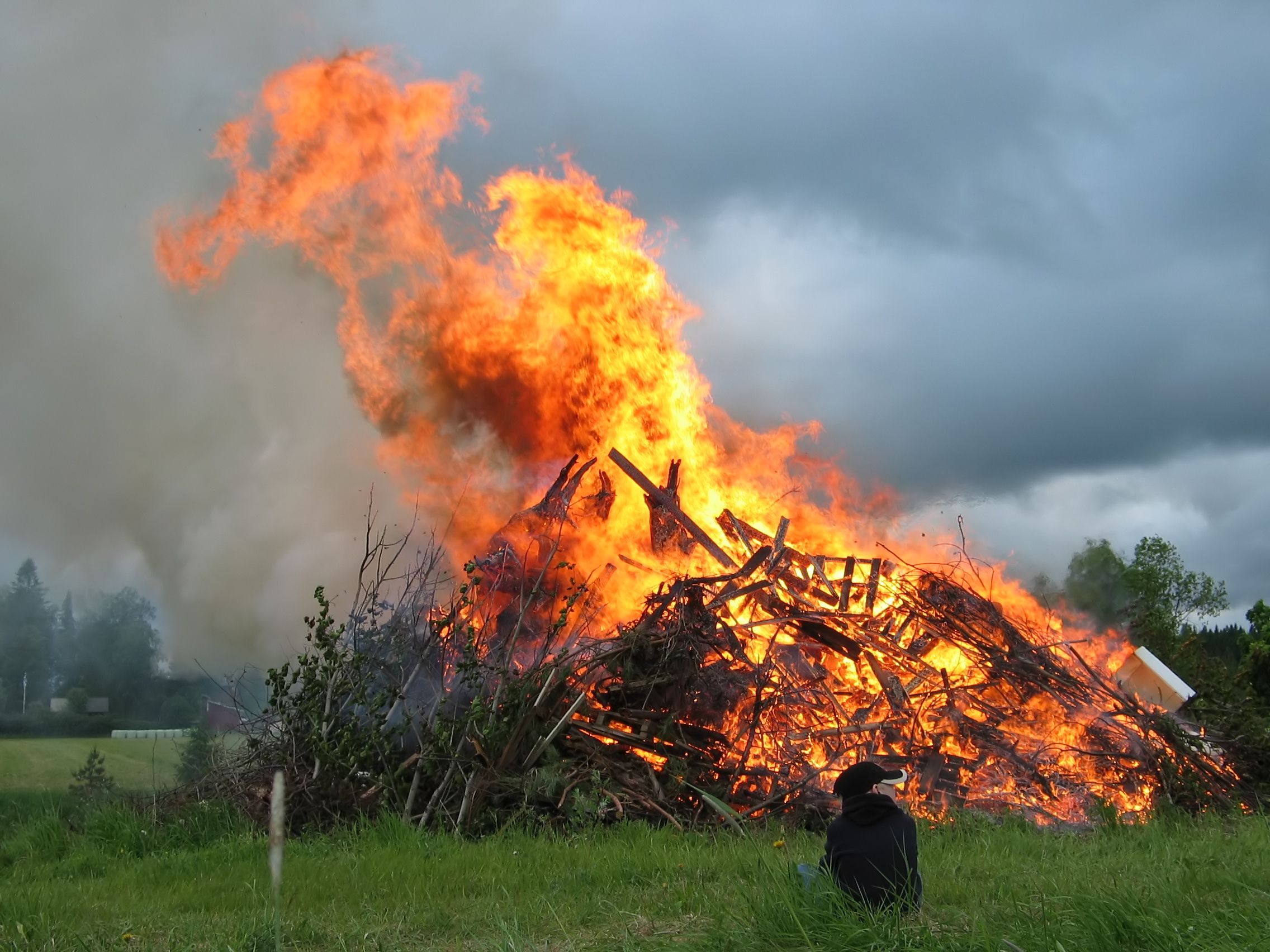
Wood that is burning in a brush pile has heat, and produces ashes.
Physical
Chemical
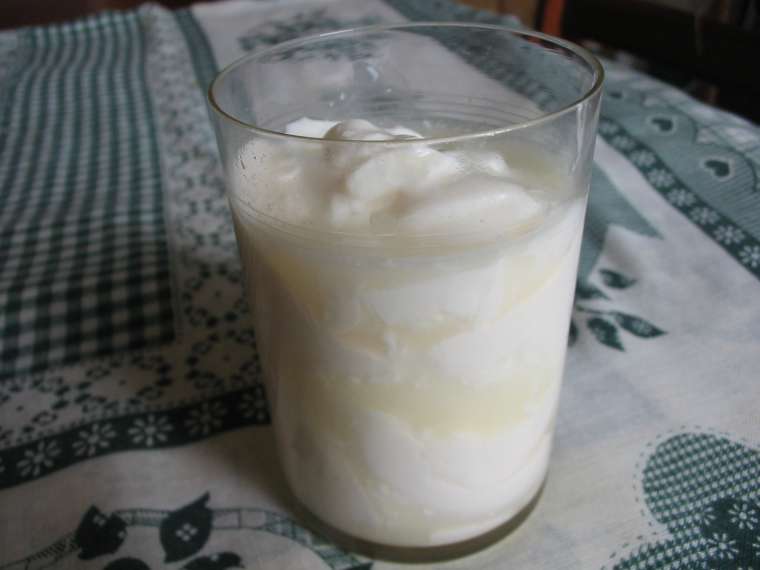
Is milk going sour a physical or chemical change?
Physical
Chemical
Which of the following is a physical change?
Dissolving
Rapid release of heat
Fizzing (release of gas)
Rusting
Describes how matter reacts with other matter. Examples: flammability and toxicity.
physical properties
chemical properties
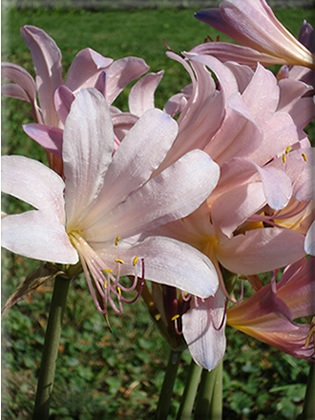


What changes did the water undergo?

Which student correctly recorded all the changes that took place?
Students observed a piece of iron change from shiny to rusty. What caused this change?
a chemical reaction
a heat reaction
a cold reaction
a physical reaction
Which is the best example of a new substance forming?
lighting a match
cutting a piece of paper
popping a balloon
hitting a nail with a hammer
Which is an example of a different substance being formed?
glass breaking
metal melting
water freezing
wood burning
Identify the change:
Wood burning
Physical
Chemical
Bending metal
Physical Change
Chemical Change
Boiling Water
Physical Change
Chemical Change
If enough heat it taken away or removed from a container of water, what will happen to the water?
It will begin to boil.
It will turn into a gas.
It will become a solid.
It will increase in weight.
What happens when a piece of wood burns?
A physical change takes place.
A chemical change takes place.
The wood loses its gravity.
The wood becomes a tree again.
Which answer below makes a correct statement?
Physical change only changes the color.
Physical change only changes the size.
Physical change changes the matter into something totally different.
Physical change begins and ends with the same matter.
Which is NOT an example of condensation?
A bucket of water left uncovered eventually becomes empty.
Dew is found on the grass on a summer morning.
Drops of water form on a cold can of soda on a hot day.
The walls of a bathroom are damp after someone takes a shower.
Students watched as small drops of water collected on the outside of a glass. Which statement BEST describes why the water vapor in the air formed liquid water on the outside of the glass?
The humidity outside of the glass turns the vapor to liquid water.
The water vapor pulls the water from inside the glass to outside the glass.
The temperature of the water inside the glass is colder than the air outside the glass.
The temperature of the water inside the glass is warmer than the air outside the glass.
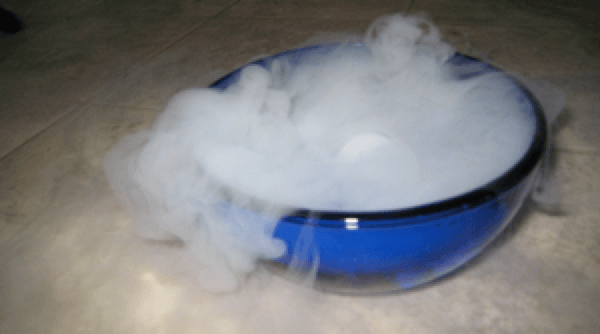

What type of change can be easily reversed?
chemical change
physical change
both chemical and physical changes
neither physical or chemical changes
Which of the following examples is a physical change but NOT a change of state of matter?
logs burning
water freezing into ice cubes
candle wax melting
paper being cut
Mixing baking soda and vinegar produces bubbles. What type of change is this?
Physical change
Chemical change
Which of the following is an example of a physical change?
Cooking an egg
Burning paper
Melting ice
Rusting iron
When a candle burns, it undergoes a change. What type of change is this?
Physical change
Chemical change
What type of change occurs when ice melts into water?
chemical change
physical change
Which of the following is an example of a physical change?
Rusting iron
Boiling water
Cooking an egg
Burning paper
When a candle burns, what type of change is taking place?
Chemical change
Physical change
Which of the following is an example of a physical change?
Rust forming on metal
Melting ice
Burning paper
What type of change occurs when a candle burns?
Chemical change
Physical change
What is an indication that a chemical change has occurred when vinegar is mixed with baking soda?
Temperature remains constant
Solid dissolves in liquid
Change in color
Formation of bubbles
Which of the following is an example of a physical change?
Iron rusting
Milk souring
Wood burning
Ice melting
When a candle burns, what type of change is taking place?
Chemical change
Physical change
Which of the following is an example of a physical change?
Rusting iron
Cooking an egg
Melting ice
Burning wood
What type of change occurs when a candle burns?
Chemical change
Physical change
Which of the following indicates a chemical change?
Change in size
Formation of a precipitate
Change in temperature without heat added
Change in state
What is the result of mixing vinegar and baking soda?
Physical change
Chemical change
Which of the following indicates a physical change?
Ice melting into water
Wood burning
Milk souring
Rust forming on metal
When a candle burns, what type of change is occurring?
Physical change
Chemical change
What type of change occurs when a candle burns and produces wax and smoke?
Physical change
Chemical change
Which of the following is an example of a physical change?
Rust forming on metal
Burning paper
Cooking an egg
Melting ice
When baking bread, the dough rises due to the production of gas. What type of change is this?
Physical change
Chemical change
Which of the following is an example of a physical change?
Milk souring
Wood burning
Ice melting into water
Rust forming on iron
What is a common indicator of a chemical change?
Change in temperature
Change in size
Change in color without heat
Change in state of matter
Which process is an example of a chemical change?
Boiling water
Freezing juice
Chopping vegetables
Burning gasoline
What type of change occurs when ice melts into water?
Chemical change
Physical change
Both chemical and physical change
Which of the following is an example of a chemical change?
Freezing water
Burning paper
Chopping wood
Melting ice
When vinegar is mixed with baking soda, what type of change occurs?
No change
Physical change
Chemical change
What is a common indicator that a chemical change has taken place?
Change in temperature
Formation of a gas
Change in color
Change in size
Which of the following processes is an example of a physical change?
Cooking an egg
Rust forming on iron
Mixing sand and salt
Burning paper
What type of change occurs when a substance undergoes a reaction and produces a new substance?
Chemical change
Physical change
Which of the following is an example of a physical change?
Burning paper
Cooking an egg
Melting ice
Rust forming on metal
What type of change occurs when a candle burns?
Chemical change
Physical change
Which observation indicates a physical change?
Temperature increases significantly
Substance dissolves in water
Color change occurs
Gas is produced
When a candle burns, it melts and produces wax and smoke. Which of the following is an example of a physical change?
Smoke produced
Burning wick
Color change of the wax
Melting wax
During a cooking experiment, Rina mixed flour and water to make dough. What type of change is this?
Chemical change
Physical change
When ice cream melts in the sun, it changes from solid to liquid. Is this an example of a physical change?
True
False
When a candle burns, the wax melts and changes shape. What type of change is this?
Chemical change
Physical change
After mixing two clear liquids, Rina observed that a solid formed at the bottom of the container. What is this process called?
Condensation
Precipitation
Evaporation
When you rust iron, it changes color and becomes brittle. This is an example of a
Chemical change
Physical change
When a candle burns, it undergoes a change. What type of change is this?
Physical change
Chemical change
During a science experiment, Amir mixed two clear liquids and observed a color change. What does this indicate?
Chemical change
Physical change
What type of change occurs when ice cream melts in the sun?
Physical change
Chemical change
When a candle burns, the wax melts and then solidifies again. What type of change is this?
Chemical change
Physical change
After mixing two clear liquids, Sam observed that a solid formed at the bottom of the container. This indicates a:
Chemical change
Physical change
While cooking, Maya noticed that the bread she was baking turned brown. This is an example of a:
Chemical change
Physical change
Rina is mixing flour and water to make dough. What type of change is this?
Chemical change
Physical change
When a candle burns, what type of change is taking place?
Chemical change
Physical change
During a science experiment, Amir observed that when he added salt to water, it dissolved completely. What type of change does this represent?
Chemical change
Physical change
When Rina mixed baking soda with lemon juice, a fizzing reaction occurred. What type of change is this?
Physical Change
Chemical Change
While making a salad, Amir chopped vegetables into smaller pieces. Is this a chemical change?
false
true
After leaving a metal spoon in water for a long time, it started to rust. This is an example of a
Chemical Change
Physical Change

