
 Worksheets
Land Air Water Resources
Total questions: 152
Worksheet time: 3hrs 57mins

Which practice would most effectively reduce soil erosion in an agricultural field after harvesting?
Burning crop residues to clear the land
Leaving crop stalks on the field
Increasing irrigation frequency
Applying chemical fertilizers

A region experiences severe soil erosion after deforestation. Which long-term strategy would best restore ecosystem stability?
Increasing fertilizer use to promote crop growth
Planting trees on cleared land
Expanding grazing areas for livestock
Constructing concrete barriers along slopes

Deforestation often leads to soil erosion. Which consequence of this process would have the greatest negative impact on biodiversity?
Increased mineral availability in soil
Loss of natural habitats
Enhanced water infiltration
Improved agricultural productivity
Details prompt: Rank uses of land in the United States by matching each approximate percentage to its use.
4
urban
20
agriculture
22
miscellaneous
26
grassland and pasture
28
forest
Characterize the change to land in the eastern United States from 1860 to the present. Choose the statement that best summarizes the sequence shown.
In 1860 the land was mostly forest; by 1920 many forests were cut down for fuel, products, and clearing for development and agriculture; now some forests have regrown but are not as tall or complex.
In 1860 the land was mostly forest and has continuously become denser; by 1920 forests were taller, and now they are the tallest and most complex ever.
In 1860 there were few forests; by 1920 forests expanded across the region; now forests are mostly untouched wilderness.
In 1860 forests were cut down; by 1920 forests recovered completely; now forests are taller and more complex than before.
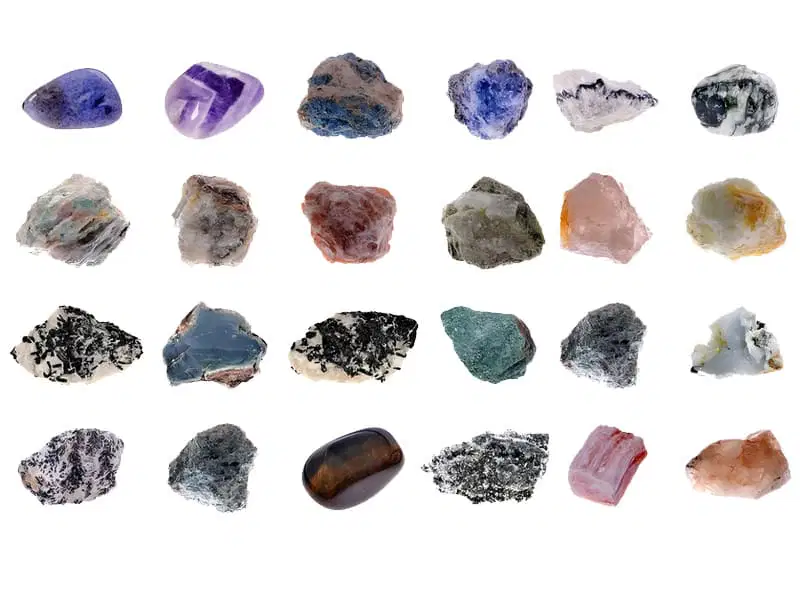
Describe mineral resources, and circle the category that comes from ores. Which category comes from ores?
Metallic
Nonmetallic
Organic
Renewable

Describe mineral resources using examples and uses. Which of the following are examples of metallic mineral uses? Select all that apply.
Aluminum in refrigerators
Iron in nails
Sulfur in paint
Fluorite in paint pigment
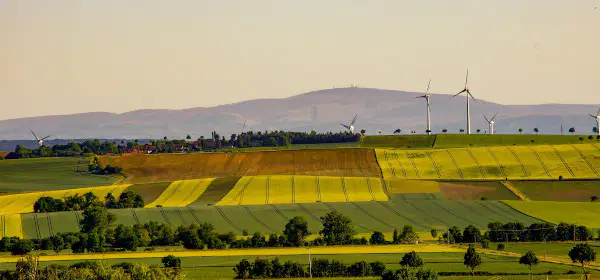
Assess advantages and disadvantages of using land resources. Match each item to Advantage or Disadvantage.
Supports agriculture and food production
Advantage
Provides building materials
Advantage
Habitat loss for wildlife
Disadvantage
Soil erosion and water pollution
Disadvantage
Elaborate on three problems associated with deforestation. Which effects are problems associated with deforestation? Select all that apply.
Loss of biodiversity
Increased soil erosion
Reduced carbon storage contributing to climate change
Improved air quality
Expansion of natural habitats
Assess advantages and disadvantages of using land resources. Select two advantages of using land resources.
Soil and forests are widely available.
Crops and trees are renewable.
Deforestation leads to soil erosion and loss of habitat.
Pollution is caused by runoff from mines.
Assess advantages and disadvantages of using land resources. Select two disadvantages of using land resources.
Soil and forests are widely available.
Crops and trees are renewable.
Deforestation leads to soil erosion and loss of habitat.
Pollution is caused by runoff from mines.
Elaborate on three problems associated with deforestation. Select all problems associated with deforestation.
Leads to soil erosion.
Leads to loss of animal habitat.
Can affect global climates.
Increases biodiversity in forests.
Identify three ways governments manage land resources. Select all that apply.
Preserve forests and other ecosystems.
Restore land mined for mineral resources.
Manage land to conserve soil and increase yield.
Encourage littering in parks.
Express three things individuals can do to help manage land resources wisely. Select all that apply.
Recycle.
Compost.
Community gardening.
Burn trash in open pits.
Synthesize It Explain some of the issues that must be debated when deciding whether to develop or preserve land. Select all statements that reflect these issues.
Land contains both renewable and nonrenewable resources that must be considered.
Development provides living space and materials for people but may reduce habitats for other species.
We should weigh the usefulness and availability of things people need to survive against environmental consequences.
Decisions should ignore environmental impacts to speed growth.
Which strategy would most effectively reduce both air and water pollution in a manufacturing facility?
Increase fossil fuel use for energy.
Adopt energy-efficient technologies.
Dispose chemicals in nearby streams.
Expand production without environmental controls.

Photochemical smog and acid rain are major pollutants. Which combined effect would most likely occur if these pollutants remain uncontrolled?
Enhanced crop productivity
Increased respiratory illnesses and ecosystem damage
Improved soil fertility
Reduction in greenhouse gas emissions
Why is fostering environmental responsibility considered a critical component of pollution management?
It focuses only on government regulations
It empowers individuals to adopt sustainable practices
It eliminates the need for technological solutions
It prioritizes short-term economic gains over ecological health
“Air and water are essential resources needed for life and ecological balance on Earth.” What is the main reason air and water are important according to this summary?
They are essential resources for life and help maintain ecological balance.
They are mainly used to generate electricity and power factories.
They are only needed by humans, not other living things.
They are optional resources with little impact on ecosystems.
“Sources of Pollution”: Pollution arises from fossil fuel use, industry, and agriculture causing smog, acid rain, and water contamination. Which set of activities listed in the summary are identified as sources of pollution?
Fossil fuel use, industry, and agriculture
Recycling, tree planting, and composting
Art, music, and physical education
Solar energy, wind power, and hydroelectric dams
“Management Strategies”: Laws like the Clean Air Act and Clean Water Act plus personal conservation reduce pollution effects. What combination of actions is described as reducing pollution effects?
Environmental laws together with personal conservation
Increasing fossil fuel consumption and industrial output
Ignoring regulations while relying on nature to recover
Using only technology without any laws or personal actions
“Role of Responsibility”: Collective and personal actions are vital for protecting air and water quality and ensuring sustainability. According to the summary, which actions are vital for protection and sustainability?
Collective and personal actions
Government actions only
Waiting for natural processes to fix problems
No actions are necessary
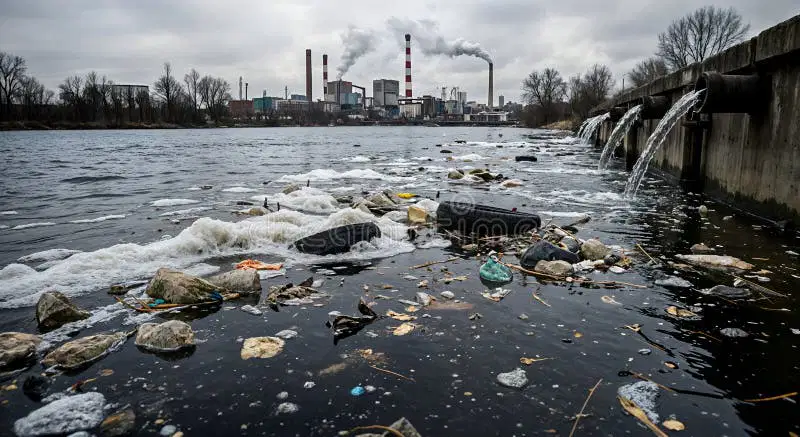
The worksheet image shows a facility with several smokestacks releasing thick clouds of emissions next to a body of water. What environmental issue is primarily illustrated by the photo?
Air pollution from industrial emissions
Soil erosion on farmland
Deforestation in tropical forests
Indoor air quality problems in homes
Which of the following is NOT a primary pollutant?
nitric oxides
smog
sulfur dioxide
volatile organic compounds
Source of carbon monoxide
Incomplete combustion of fossil fuels
Combustion of fossil fuels
Decomposition of plant and animal matters
Photochemical reaction of CO2
Smog is an example of a (a)
secondary pollutant
primary pollutant
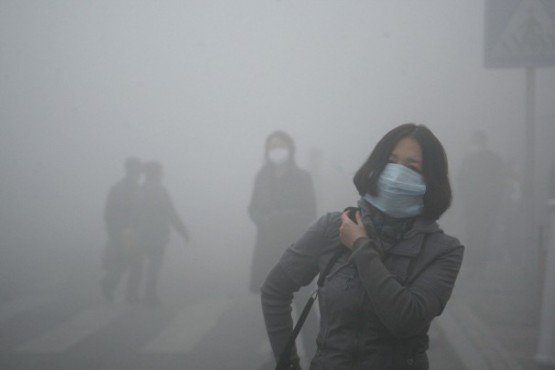
This picture shows people walking through a highly-polluted city in China. From what type of pollution are they protecting themselves based on what they are wearing?
air pollution
water pollution
land pollution
noise pollution
___________ is any waste that is a risk to the health of humans or other living things.
hazardous waste
politics
sewage
water runoff
How does deforestation primarily affect the global climate?
By increasing the amount of oxygen in the atmosphere
By reducing the Earth's temperature
By contributing to global warming through the release of stored carbon dioxide
By increasing the amount of land available for agriculture
Match the system to the way to protect or conserve it.
Hydrosphere
taking a shorter shower
Atmosphere
bike more, drive less
Biosphere
Plant flowers and trees
Geosphere
Dispose of chemicals properly
Which of the below are non-renewable resources? (a) (b) (c)
oil
gas
fossil fuels
plants
animals
Match the following words with their examples
windmills and turbines
wind power
dams and waterfalls
hydroelectric power
geysers and magma pockets
geothermal power
wood chips, corn stalks, sugar cane, animal manure
biomass power
tides from ocean waves
tidal power
Renewable
resources are natural resources that can be replenished in a short period of time.
Non-Renewable
resource that cannot be re-made or re-grown at a scale comparable to its consumption
Resource or Product Map
shows natural
resources and products of an area
Match the descriptions with the correct terms.
The use of the wealth and resources in a place
economy
An underground layer of porous rock that holds water
aquifer
the amount of water in the air
humidity
similar to a hill, but with a top that is flat
mesa

Which renewable resource uses the natural resource in the picture below to produce energy?
wind
tidal
biomass
geothermal

Any productive resource existing in nature, including wild plants, minerals, wind, oil, and water:
Unnatural Resources
Artificial Resources
Natural Resources
Essential Goods
Which of the following is a way a person could conserve natural resources?
recycling waste materials like plastic, glass, paper, and aluminum
limiting water use when showering, brushing teeth, and shaving
using rechargeable batteries
all of the above are good conservation practices
Which of the following is a direct consequence of excessive use of chemical fertilizers in agriculture?
Increased water pollution due to runoff
Decrease in soil erosion
Reduction in air pollution
Enhanced forest growth
What is the primary benefit of using renewable energy sources like solar and wind power?
They reduce dependence on fossil fuels and lower pollution
They contribute to acid rain formation
They increase greenhouse gas emissions
They deplete natural resources faster
Which action best demonstrates individual responsibility in reducing environmental pollution?
Leaving trash in public parks
Ignoring recycling programs
Properly disposing of hazardous household waste
Using single-use plastics frequently
A greenhouse gas is
a large scale cutting and/or burning of forests
a gas in the atmosphere that absorbs Earth's outgoing infrared radiation
all the members of species living in a given area
The greenhouse effect is
natural process that occurs when certain gases in the atmosphere absorb and reradiate thermal energy from the sun
an increase in Earth's average surface temperature
rain or snow that has a lower pH that that of normal rainwater
Desertification is
the process of restoring land damaged by mining
large scale cutting or burning of forests
development of desertlike conditions due to human activities or climate change

The process of reclaiming products such as metal, glass, paper, and plastic and reusing them to create new products is called
mining.
incineration.
composting.
recycling.
Most air pollution is visible to humans.
False
True
A farmer is holding a lot of manure next to a river, including the natural fertilizers contained within the manure. What type of pollution would this cause?
Toxic
Nutrient
Does the Nitrogen Cycle affect the atmosphere?
Yes, free nitrogen has to be fixed by bacteria on legumes before becoming bioavailable.
Yes, we absorb our free nitrogen directly from the air.
No, animals eat their nitrogen from plants so it doesn't involve the atmosphere.
No, nitrogen cycle is contained within the lithosphere.

Rain and snowmelt that infiltrates the ground is called
backflow
groundwater
spongate
infiltrate
Most of Earth's water is:
Salty
Fresh
Imagine you are a geologist studying water resources. What would you call an underground area of rock and soil that is soaked with water?
An aquifer
A marsh
A river
A well

What is the relationship between soil type/particle size and permiability (as shown by the bar graph below)?
The larger the particle size, the slower the permeability rate
The smaller the particle size, the faster the permeability rate
There is no relationship between particle size and permeability
The larger the particle size, the faster the permeability rate
Salt water in the oceans makes up what percent of Earth's water?
97%
79%
82%
85%
What does radioactive waste give off?
A glow
Heat
Cold
Radiation
What is the best option to create less waste?
Recycle
Reuse
Incineration
Reduce
What are TWO ways oil can cause water pollution?
Oil can pollute water in a river or ocean
Oil can be stored in trucks and pollute them
Oil can be stored underground and leak which pollutes soil and groundwater
Oil doesn't qualify as water pollution
Why is it important to conserve water and prevent water pollution? (Select ALL of the correct options)
Most of Earth's water is not available for human use.
The water cycle cannot replace water as fast as people use it.
The polluted water may not get cleaned up as fast as people need it
Droughts could occur if the area doesn't receive enough rainfall
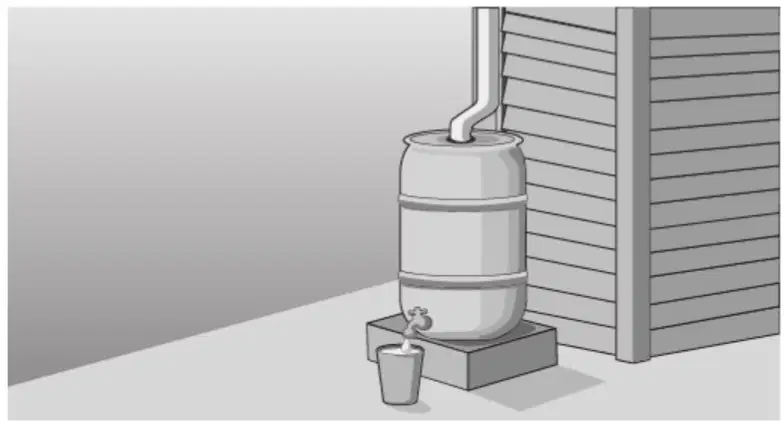
How can a rain barrel help manage water resources?
It is a technology that helps purify water to be reused again.
It increases the efficiency of how water is used which ultimately reduces the total amount of water a household uses.
It is a technology that replaces a household's need for purified water.
It is a conservation method that can help reduce the amount of purified water a household uses.
Air purifiers in cities are often positioned on the top of skyscrapers. How can air purifiers help reduce air pollution? Why are they placed on top of skyscrapers?
Air purifiers filter pollutants and are placed on skyscrapers to cover a larger area.
Air purifiers are decorative and placed on skyscrapers for aesthetic reasons.
Air purifiers are used for cooling and are placed on skyscrapers to save space.
Air purifiers are noise-cancelling devices and are placed on skyscrapers to reduce city noise.
Which of the following management strategies is the most important to reduce air pollution?
Developing technologies to reduce emissions from pollution sources.
Implementing programs to have people keep track of their emissions.
Increasing technology to measure the amount of oxygen in the atmosphere.
Finding ways to adapt to lower air quality.
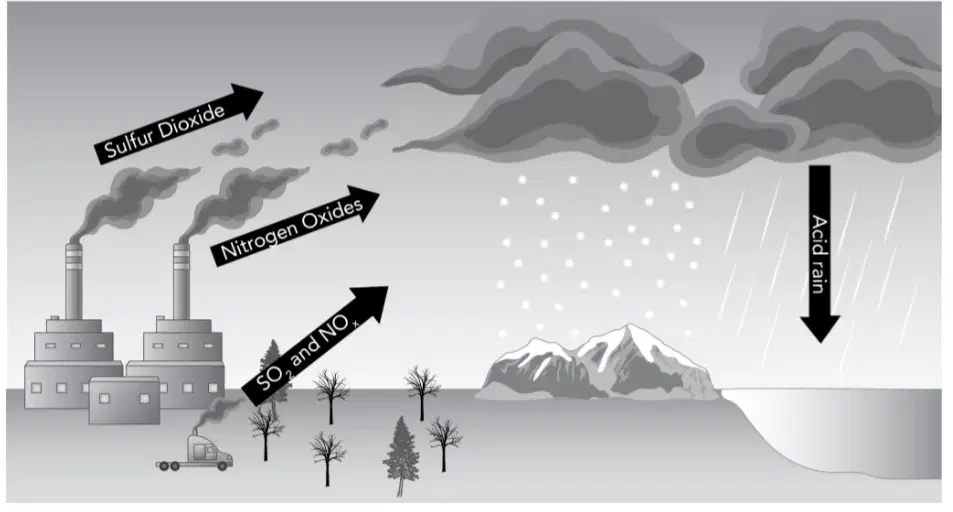
Look at the diagram for how acid rain forms. Which statement below describes how acid rain harms Earth?
A. Pollution in the atmosphere affects precipitation which can affect living things and water.
B. Pollution in the atmosphere can change precipitation to be more beneficial for plants and ecosystems.
C. Pollution that enters the atmosphere always stays in the atmosphere.
D. Air resources continually need to be replaced because gas particles are lost during precipitation.
Humans extract groundwater, a natural resource from underneath the land. Which of the following is NOT a way that humans depend on groundwater?
Agricultural Irrigation
Drinking Water
Hygiene
Argon Gas Extraction
Humans extract metal ores, which are natural resources, from the land. Which of the following is a product made from the metals in metal ores that humans depend on? Select all that apply.
Steel Frames
Aluminum Foil
Tin Cans
Plastic Milk Jugs
Humans extract petroleum, a natural resource from the land. Which is NOT a petroleum product that humans depend on? Select all that apply.
Gasoline
Steel
Plastic
Ceramics
The word "extract" has multiple meanings. What is the meaning behind that word in the following statement?
"Petroleum is extracted from land." Select the best answer.
a short passage taken from a piece of writing, music, or film.
remove or take out, especially by effort or force.
a preparation containing the active ingredient of a substance in concentrated form.
having no living members; no longer in existence.
Which of the following statements best describes a natural resource?
Natural resources are resources humans take from the environment for use.
Natural resources are ways to produce energy from Earth’s substances.
Natural resources are elements that must be mined from the environment.
Natural resources are minerals found in rocks within Earth’s surface.
__________ __________ convert sunlight into electrical energy that can be used.
Wind turbines
Geothermal vents
Solar panels
Lightning panel
_______________ refers to the ability of something to be maintained at a certain rate or level.
Capability
Depletion
Selection
Sustainability
Which statement best describes our dependence on natural resources? Select the best answer.
If there were fewer natural resources available we would be less likely to survive.
We do not depend on natural resources.
We depend on synthetic resources but not natural ones.
If there were more natural resources available we would be less likely to survive.
Which of the following are the three main categories of natural resources?
biosphere, oceanic, and terra firma
air, wind, and water
minerals, coal, and oil
inexhaustible, renewable, and nonrenewable
Renewable resources are materials that__________. Select the best answer.
we have an unlimited supply of from the environment.
we use over and over again.
we use from the environment that nature replaces.
we replace faster than we use.
Non-renewable resources __________.
can be reproduced by nature
cannot be recycled or reused
cannot be reproduced by nature
can be sustained to make them renewable
Which of the following practices is important for protecting our current supply of natural resources? Select the best answer.
reducing watersheds
practicing sustainability
manufacturing synthetics such as plastic
integrated resource management
___________ means something is unable to be used up because it exists in abundance.
Inexhaustible
Exhaustible
Exponential
Exhaust
Gasoline is a nonrenewable energy resource used in most cars and trucks. Gasoline is made from which source? Select the best answer.
Oil
Metal
Diesel
Glass
Which is an advantage of using renewable resources? Select the best answer.
They will reduce the demand for electricity.
Renewable resources always make energy more affordable.
Renewable resources make electricity safer to use.
They will be available for many years and can be replenished.
The chart shows the sources of energy use of the United States for 2006.
Annual Energy Use
Review for 2006
Oil 40% Coal 23% Natural gas 22% Nuclear 8% Hydroelectric 3% Biomass 3% Geothermal,
solar, wind 1%
According to the data above, what percentage of energy came from renewable resources?
15%
7%
30%
85%
Which of these statements about nonrenewable resources is true? Select the best answer.
They are inexpensive.
They are used because they are easily removed from the ground.
They help keep the air clean.
They can take millions of years to form.
Which is the best explanation for where different types of minerals are found in the world? Select the best answer.
The types of minerals were once evenly distributed in earth's crust, but the movement of the tectonic plates have caused uneven distribution of minerals.
The types of minerals were once evenly distributed in earth's crust, but humans have removed many mineral deposits, causing uneven distribution of minerals.
The different types of minerals are evenly distributed in Earth's crust.
The geological history of each region determines what minerals formed there, causing uneven distribution of minerals.
Why is a significant portion of Earth’s oil reserves are found in the Middle East? Select the best answer.
This area is near a fault line and experiences frequent earthquakes.
This area used to be part of a shallow sea ecosystem that accumulated large amounts of dead matter.
This area has many active volcanoes that help to generate oil.
This area has large rivers that regularly flood.

What are some reasons deforestation occurs?
clearing land for agriculture, ranching, and mining
just wanting to destroy things
Population moving from rural areas to cities
to make room for infrastructure
What are examples of natural resources?
water
trees
soil
all of the above

Carbon is released into the atmosphere through all of the following ways except:
respiration
cow flatulence
photosynthesis
all of the above
Soil erosion can increase when humans remove trees and other vegetation from an area. What is this process called?
Decomposition
Conservation
Deforestation
Urbanization

This image is an example of what type of land degradation
Desertification
Deforestation
Urban Sprawl
Urbanization

Increase in which gas is primarily responsible for increased global warming?
Carbon dioxide
Water vapor
Methane
Nitric oxides

How does planting trees help the environment?
It makes leaves fall everywhere for nutrients.
It helps reduce air pollution.
It provides homes for wildlife like bugs and birds.
It reduces the risk of wildfires.
Which of these is not a natural resource?
ocean
lake
stream
pool
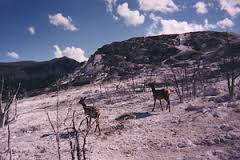
What is the most dramatic result of deforestation?
land is no longer green and full of life
pictures from space show deforestation
loss of habitat for approximately 70% of the worlds species
people can't explore rainforests
When wind, water, ice, or gravity transports soil and sediment from one area to another it is called
Erosion
Desertification
Deforestation
Urbanization
Please identify the natural resource.
lamp
light bulb
sunlight
flash light
What is a natural resource?
things we need to survice
materials found in nature that are useful or necessary to life.
materials that are man made
the people who work for a business

This image is an example of what type of land use
Residential
Commercial
Agricultural
Recreational
Land use for roads and train tracks is called
Transport land
Industrial Land
Residential Land
Agricultural Land
High biodiversity makes the food web more complex and better able to support the most species, even if some populations decrease.
True
False
High biodiversity ensures that many different ecological niches (jobs, roles) are filled, which helps the ecosystem function well.
True
False
High biodiversity makes it more likely that the ecosystem will be able to keep functioning after a disturbance, such as disease or natural disaster.
True
False
A stable ecosystem typically has high biodiversity.
True
False
High biodiversity is a sign of a healthy ecosystem.
True
False
High biodiversity makes an ecosystem more sustainable because the food web is stronger and organisms perform a wider variety of functions.
True
False
Which of these drawings would be found in a healthy ecosystem?


True or false: An ecosystem with high genetic diversity is healthier than an ecosystem with low genetic diversity.
True
False

High biodiversity is
having a lot of the same organism.
having a few of the same organism.
having a lot of variety of different organisms.
only having one of each organism.
The greater the ____________________, the more likely a species is to survive changes to their environment
Genetic Diversity
Species Diversity
Ecosystem Diversity
Greater ____________________ means there are more habitats to support different types of organisms.
Ecosystem Diversity
Species Diversity
Genetic Diversity
What are the 3 types of biodiversity (SELECT 3)
Genetic
Species
Ecosystem
Size
Biotic

What does biodiversity mean?
Only one species in an area.
The different amount of species in an area
All abiotic life
Nitrogen fixation
How could a global decrease in plant diversity affect the biosphere?
It could cause an increase in the amount of oxygen gas available for plants and animals.
It could cause an increase in animal diversity in the biosphere.
It could cause a decrease in animal populations in the biosphere.
It could cause a decrease in the amount of water available for plants and animals.
Which action will most likely cause a negative impact on the biodiversity of a small region?
planting native species in a bare field to attract wildlife
draining a wetland for the development of a new park
reducing the amount of pesticides and fertilizers used
having a controlled burn to remove undergrowth of a forest
Why is it difficult to create a terrarium ecosystem that will last a long time without human help?
Terrarium ecosystems cannot get enough sunlight.
Terrarium ecosystems cannot get enough oxygen.
Ecosystems with few species are weak and unstable.
All ecosystems require thoughtful human management.
What is the mixture of gases surrounding the Earth called?
carbon
concentration
atmosphere
emissions

Which layer of the atmosphere contains ozone (O3) that protects us from radiation?
Troposphere
Thermosphere
Exosphere
Stratosphere
What is Global Warming?
Increasing temperature in Earth's atmosphere
Decreasing temperature in a city
Increasing rain rates in Earth
Decreasing temperature rates

Burning fossil fuels is one of the main causes for global warming.
True
False

Polder
Is reef that is reclaimed by diking and draining the sea.
Is land that is reclaimed by diking and draining the sea.
Is land that is reclaimed by diking and draining the a bath tub.
Wind Turbines-Wind turns the propeller blades of a turbine around a rotor, which spins a generator, which creates electricity.
Question: Humans have adapted to the (a) and make the best use of the (b) .
environment
wind
sun
water
fire
Europe’s Water Reuse-Using Technology for Water
(a) (b) can increase investment in innovative treatment (c) and competitiveness in the market.
technologies
water
Reusing
deveolping
oil
science
What is the environmental impact of mining?
Environmental degradation
Decreased water pollution
Improved air quality
Preservation of natural habitats
What are some methods of land reclamation after mining?
Backfilling, regrading, and planting vegetation
Dumping waste into nearby water bodies
Building more mining facilities
Leaving the land as it is and moving to a new area
What are some challenges in mining reclamation?
Environmental impact, soil and water quality, and ecosystem restoration
Cost of equipment and labor
Lack of government regulations
Minimal impact on surrounding environment
How can mining reclamation provide economic benefits?
By causing environmental degradation
By reducing the value of the land
By creating new opportunities for land use
By increasing pollution in the area
What are the negative environmental effects of mining?
Deforestation, habitat destruction, and pollution
Increased biodiversity
Preservation of natural habitats
Clean air and water
What government regulations are in place for mine reclamation?
Mine reclamation is solely the responsibility of the mining companies
There are no government regulations for mine reclamation
Government regulations for mine reclamation only apply to certain types of mines
The government regulations for mine reclamation vary by country and region, but generally include requirements for restoring the land to a safe and environmentally sustainable condition after mining activities have ceased.
What are some economic benefits of successful mining reclamation?
Job creation, increased property values, and potential for future land use development
Environmental degradation, decreased property values, and limited future land use development
Which statement best describes deforestation?
Planting trees in damaged ecosystems
Expanding cities into natural areas
Large-scale removal of trees from forests
Land becoming dry and desert-like
A mining company fills in pits, smooths the land, and plants grasses and trees. Which process does this describe?
Urbanization
Deforestation
Reclamation
Desertification
What kinds of mines are open pit and quarry mines?
Shaft mines
Subsurface mines
Surface mines
Radiant mines
Used in the removal of minerals located deep within Earth.
Water canons
Subsurface mining
Radiant grading
Surface mining
What is the goal of achieving sustainable development?
Reducing emissions and increasing productivity
Balancing environmental, social, and economic factors
Using renewable energy and stopping resource wastage
Charging for the use of air and water
What is the role of clean technologies in achieving sustainable development?
Reducing emissions and increasing productivity
Balancing environmental, social, and economic factors
Using renewable energy and stopping resource wastage
Charging for the use of air and water
What is the cost-related advantage of sustainability?
Reducing emissions and increasing productivity
Balancing environmental, social, and economic factors
Using renewable energy and stopping resource wastage
Lessening the cost of making goods
What is needed for achieving sustainable development?
Government regulation and people's concern
Balancing environmental, social, and economic factors
Using renewable energy and stopping resource wastage
Charging for the use of air and water
What economic model is needed for sustainable development?
Reducing emissions and increasing productivity
Balancing environmental, social, and economic factors
Using renewable energy and stopping resource wastage
Recognizing natural limits and pricing resources
What does the government control to lessen the destruction of ecosystems?
Land use
Energy consumption
Water pollution
Air quality
Why is biodiversity valuable to humans?
it gives us interesting things to look at
it tells us about many other species
it contributes to medicine and agriculture
it provides us with resistance to disease
Which of the following threaten biodiversity? Check ALL that apply
biological magnification of toxic compounds
habitat fragmentation
introduced (invasive/alien) species
habitat preservation
Why should researchers follow basic principles of ecology when solving an environmental problem?
ecological solutions are usually easy to implement
people are interested in saving the environment
ecology uses science to identify the cause of the problem & best practices to solve the problem
ecologists are good at influencing government officials into changing laws to improve the environment
Which of the following is not a renewable resource?
trees
solar energy
fossil fuels
wind energy

Why is solar energy considered renewable energy?
It's cheaper than fossil fuels
The sun's energy would not run out for billions of years
Solar energy recharges batteries
All of them
Renewable energy resources produce less_____________ than fossil fuels.
pollution
energy
wind
light
What is a disadvantage of wind power?
We have too many rainy days in US
It is not always windy in some places
Companies charge too much to make the wind blow
The sun is not always out
Water is renewable because it.......
can be frozen
important to all life
can be replaced constantly
can evaporate
What are two advantages of geothermal energy?
cheap and a lot pollution
expensive and a lot of pollution
cheap and little pollution
expensive and little pollution
One benefit of geothermal energy is that ________________________________.
a plant can be built ANYWHERE
it doesn't cost a lot of money to build
it can provide power 24 hours a day
it harms ecosystems where it's built
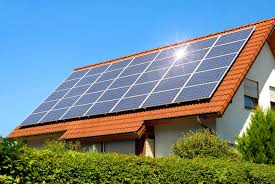
Why are not American's roofs crammed with more solar panels?
They are ugly.
They are uninformed.
Expensive start-up cost
People enjoy paying bills.
How does biomass reduce our carbon footprint by producing less CO2 than fossil fuels?
Plants absorb the same amount of CO2 that is released when it is burned.
Plants remove CO2 from the atmosphere and put it permanently into the ground.
Biomass filters CO2 to make it more environmentally stable.
Biomass doesn't release any CO2 when burned.
Which of the following energy sources has the lowest negative environmental impacts?
Biomass
Nuclear
Natural Gas
Solar
a downside to relying on biomass as a primary fuel source for a nation is that
it can cause soil erosion, water pollution, and habitat loss
it requires little land use
it produces no pollution
it produces more pollution than coal
Name three examples of renewable energy sources.
Geothermal power
Biomass energy
Coal power
Solar power, wind power, hydropower
What is renewable energy?
Energy generated from nuclear reactions
Energy derived from fossil fuels
Energy collected from naturally replenished resources.
Energy obtained from non-renewable sources
Why is hydropower considered a renewable energy source?
Hydropower is considered renewable because it relies on the water cycle.
Hydropower is considered renewable because it relies on nuclear energy.
Hydropower is considered renewable because it relies on fossil fuels.
Hydropower is considered renewable because it relies on wind energy.
Organize the energy examples below into renewable and non-renewable energy
Wind
Solar
Hydroelectric
Geothermal
Hydrogen
Coal
Oil
Natural Gas
Nuclear
Diesel
__________ is renewable organic matter such as wood, soy, corn, sugarcane fibers, rice hulls, and animal manure.
Geothermal Energy
Biomass
Hydroelectric Energy
Nuclear Energy

