
 Worksheets
END OF YEAR
Total questions: 152
Worksheet time: 5hrs 21mins

True or False: The continental plates move so quickly that we can feel them.
True
False

Most geologists think that the movement of Earth's tectonic plates is caused by
the rotation of the Earth.
the Earth's magnetic field.
subduction.
convection currents.

When plates collide we get ________.
crumbles
volcanos
trenches
mountain ranges


Which layer of Earth flows slowly and causes the crust to move?
Crust
Mantle
Inner Core
Outer core

What is the correct order (starting from the surface) of Earth’s layers?
crust, outer core, inner core, mantle
mantle, outer core, inner core, crust
crust, mantle, outer core, inner core
outer core, inner core, crust, mantle

Subduction means.....
one plate goes under another plate
two plates slide past each other
two plate collide and form folded mountains

Sea-floor spreading explains how.....
new crust is created at a divergent boundary
volcanoes are formed on continents
deep sea trenches are formed
An opening on the Earth's crust through which hot molten rock flows out from deep inside the Earth.
Volcano
Fault line
Fold
Crater
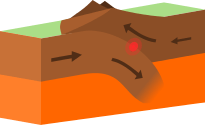
Why did no one believe Wegener's thoery that the continents were once together?
He could not explain HOW the continents moved
He didn't have evidence
His data was wrong
He didn't use the right technology to gather data
The fact that similar fossils are found on both sides of the ocean is evidence of
magnetic reversal
global positioning
continental drift
oceanic drift
A push or pull exerted on a object
Net force
Force
Inertia
a unit of measure that equals the force required to accelerate 1 kilo of mass at 1 meter per second
Newton
Friction
Action/Reaction
sum of forces acting on a particle or body.
Net force
Balnced
Acceleration
two forces acting in opposite directions on an object, and equal in size
Friction
F=ma
Balanced Force
Friction
one that causes a change in the motion of the object to which the force is applied
Action/Reaction
Unbalanced Force
Acceleration
a tendency to do nothing or to remain unchanged
Inertia
Newtons
F=ma
in every interaction, there is a pair of forces acting on the two interacting objects.
Friction
Action/Reaction
Net Force
Letting go of a balloon full of air is demonstrating Newton's ______ _______ ________ _________ because the air comes out of the back and the balloon moves forward.
1st law of motion
2nd law of motion
3rd law of motion
13th law of motion
The more mass an object has, the _______ force it takes to accelerate it.
more
less
When a student runs and kicks a ball, they have applied an ___________ force to move the ball.
Balanced
Magnetic
Spring
Unbalanced
When the teacher rearranges the desks in the classroom, she must apply ____________ to push and pull the desks around.
acceleration
force
weight
magnets
Walking down the hall and speeding up when you turn and go down the stairs is an example of ____________.
acceleration
weight
gravity
friction

A person not paying attention while skateboarding hits a rock. The skateboard stops...they don't.
The Law of Inertia (1st law)
The Law of Acceleration (2nd law)
The Law of Conservation of Momentum
Action Reaction Law (3rd law)

What is this graph representing?
Constant Speed
Acceleration (speeding up)
Deceleration (slowing down)
No motion

Describe the motion in the graph:
Constant Speed (positive slope)
Stopped (at rest)
Acceleration (increasing speed)
Return Home (negative slope)

Describe the motion in the graph:
Constant Speed (positive slope)
Stopped (at rest)
Acceleration (increasing speed)
Return Home (negative slope)

Describe the motion in the graph:
Constant Speed (positive slope)
Stopped (at rest)
Acceleration (increasing speed)
Return Home (negative slope)
A wave that has the vibration perpendicular to the direction of the wave is called:
Longitudinal
Transverse
A wave that has the vibration parallel to the direction of the wave is called:
Longitudinal
Transverse

What do all waves transfer?
Matter
Heat
Electricity
Energy

What is the number of complete waves passing a fixed point in a given amount of time?
Amplitude
Intensity
Wavelength
Frequency

Which type of waves have the longest wavelength?
Visible light
Radio waves
X-rays
Gamma-Rays

Shorter wave lengths can carry more energy. Which of these probably carries the MOST energy:
Infrared light
Visible light
X-rays
UV light

What does #1 represent?
Period
Frequency
Wavelength
Amplitude

What does #2 represent?
Period
Frequency
Wavelength
Amplitude


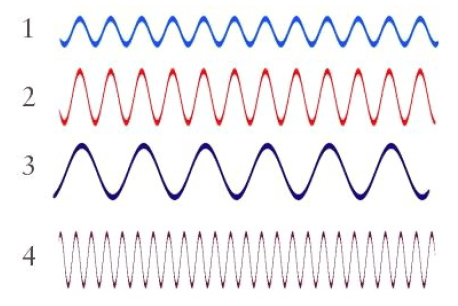
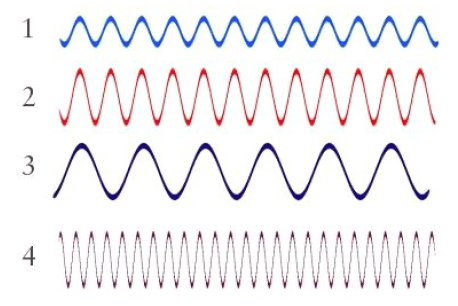

The image provided is a _________ signal.
Analog
Digital

The image provided is a _________ signal.
Analog
Digital
A cassette tape
Analog
Digital
Used in cell phones
Analog
Digital
Easily degrades over time
Analog
Digital
Transmitted via pulses of light or electric signal
Analog
Digital
Used to create the earliest recording of music/sounds
Analog
Digital
A more reliable way to store information
Analog
Digital
Data that can shared electronically
Analog
Digital
Can travel long distances
Analog
Digital
Data that can be corrupted for hacked
Analog
Digital
This type of signal is more affected by noise and greatly affects the quality of the signal
Analog
Digital
What image show light being reflected?


What image show light being absorbed?
What image show light being transmitted?
Sunlight hits dark, black clouds. What is happening to the light waves in the clouds?
light is being reflected
light is being absorbed
light is being transmitted
The point where the earthquake begins.
epicenter
fault
focus
seismic waves
This is considered as the fastest kind of seismic waves.
Love waves
Body waves
Primary waves
Secondary waves
Two types of surface waves
Love waves and Rayleigh Waves
P waves and S waves


Which of the following seismic waves can travel through gases, liquids, and solids?
P-wave
S-wave
both
none
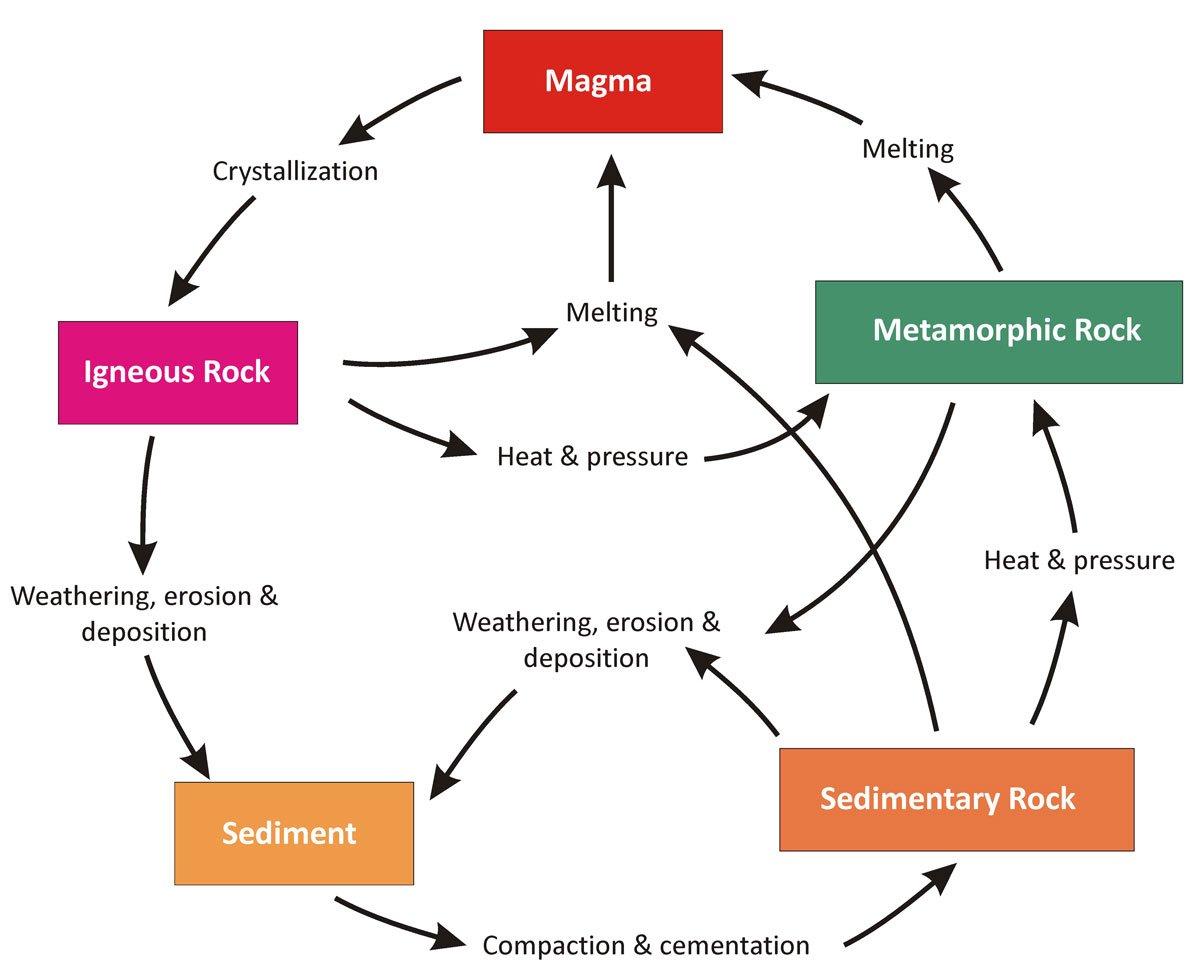

This rock is formed in layers.
Sedimentary
Igneous
Metamorphic

Fossils are often found in this rock.
Sedimentary
Igneous
Metamorphic
This rock is often found near water.
Sedimentary
Igneous
Metamorphic
You would most likely find this rock near a volcano.
Sedimentary
Igneous
Metamorphic

What kind of rock is "Granite"?
Sedimentary
Igneous
Metamorphic

What kind of rock is "Marble"?
Sedimentary
Igneous
Metamorphic
This rock is usually made up of pieces of rock called sediments that have been pressed and cemented together.
Sedimentary
Igneous
Metamorphic

A geologist is studying three layers of sedimentary rock in an area. The layers have not shifted from their original positions. The geologist records the relative ages of the rocks. What did the geologist use to determine the relative ages of the rocks?
Radioactive dating
Mineral content
Absolute dating
The Law of Superposition

Based on the law of superposition, what is the order of these rock layers, from oldest to youngest?
1, 2, 3, 4
2, 1, 4, 3
3, 2, 1, 4
4, 3, 2, 1
The Big Bang Theory suggests that our universe formed as the result of a huge explosion that sent all existing matter flying outward from a single point. The Big Bang Theory is supported by which of these observations?
All matter in the universe is composed of the same atoms.
All galaxies appear to be moving away from all other galaxies.
All stars in the universe are approximately the same age.
The universe is relatively the same temperature in all locations.
What is happening to the Universe to this day?
The universe is getting smaller and hotter.
The universe is staying the same.
The universe is getting cooler and bigger.
Light emitted from a star or galaxy can be separated into a band of colors, called a ________.
Red Shift
Wave Length
Spectrum
Microwave
As galaxies move away from our galaxy
a shift on the electromagnetic spectrum
(EMS) is noticed. This phenomena is
called _____________.
redshift
blueshift
unshift
blackshift
What is Redshift
Objects move away us, give off red light
Objects move towards us, give off blue light
Objects move towards us, give off red light
Objects move away us, give off blue light

The spectral lines for the Galaxy in the Local Group are ___, indicating it is moving ___ us.
Las líneas espectrales de la Galaxia en el Grupo Local son ___, lo que indica que se mueve ___ hacia nosotros.
red-shifted, toward
red-shifted, away from
blue-shifted, toward
blue-shifted, away from


Wha type of tide would this arrangement of earth-moon-sun create?
full moon tide
new moon tide
neap tide
spring tide


Why are some forces considered to be noncontact forces?
Objects must be far apart in order to exert a force.
Objects push each other apart to increase the distance between them.
Objects do not have to touch each other to experience a force.
Objects must be large in size in order to exert a force that is strong enough to notice.

All of these are noncontact forces, except
friction
gravity
electricity
magnetism

What are two factors that affect the strength of magnetic forces?
poles and gravity
distance and material
distance and direction
electricity and gravity

A magnetic field of a magnet gets _____________ the further magnetic object moves away from the magnet.
positive
weaker
negative
stronger

What two factors determine the strength of the gravitational force between two objects?
acceleration and distance
mass and distance
speed and distance
mass and speed

When the mass increases, the strength of the gravitational field _______.
increases
decreases
stays the same
constantly changes
As the MASS of an object increases, its gravitational pull _________.
Stays the same
Decreases, then increases, then decreases
Decreases
Increases
When two objects are closer to one another, the force of gravity between them ____________.
Increases
Decreases
Stays the same
Divides by a factor of 100

Which electromagnet is stronger?
A
B

Which electromagnet is stronger?
A
B

Which electromagnet is stronger?
A
B

Which electromagnet will pick up LESS paper clips?
A
B
Which electromagnet will pick up MORE paperclips?
A
B
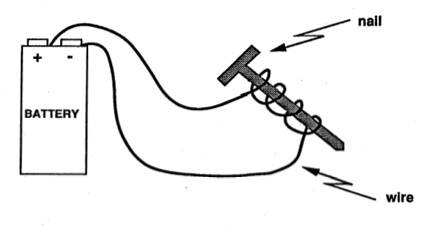
Which of the following will increase the strength of an electromagnet?
Increase the voltage of the battery
Decrease the voltage of the battery
Wrap the coils around the core less times
Motors are devices that convert ____ energy into ____ energy.
electrical; mechanical
chemical; mechanical
mechanical; electrical
potential; kinetic

In an electric motor, the energy transformation begins as ---
electrical and becomes chemical
mechanical becomes electrical
electrical and becomes mechanical
mechanical and becomes chemical

What energy do you put IN to a generator?
Thermal
Mechanical
Electrical
Potential

What type of energy comes OUT of a generator?
Electrical
Potential
Mechanical
Thermal
Evolution is the result of a process called ____________
Natural Selection
Artificial Selection
Survival of the Weakest
Supernatural Selection
According to natural selection, organisms more suited to their environment are better able to
Sleep
Survive
Perish
Migrate
Natural selection happens when an individual's genes ______________ from the genes of other members of its species.
Become different
Stay the same
Become separated
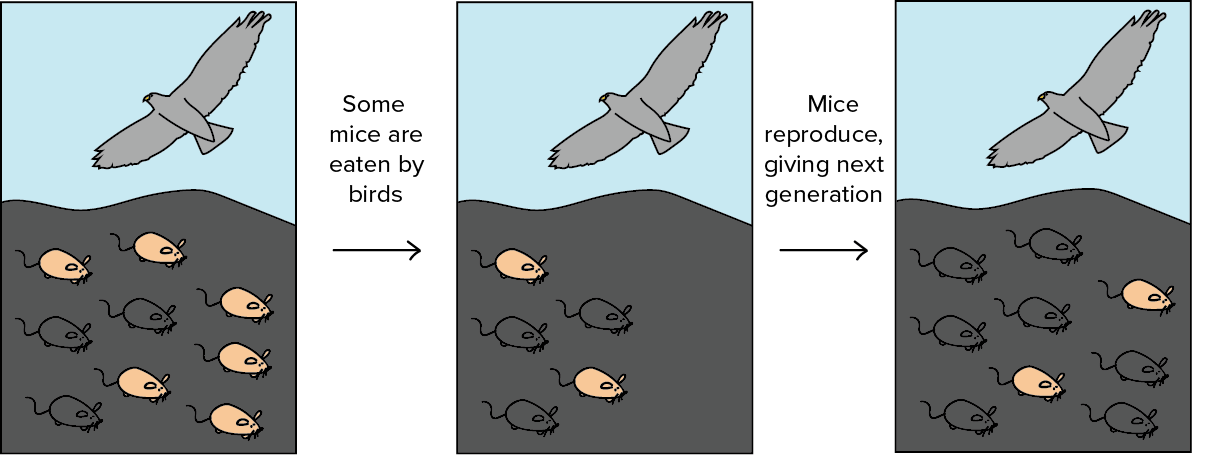
The light mice can reproduce more successfully than the dark mice
The hawks eat more dark mice than light mice because the dark mice taste better
The hawks eat more light mice than dark mice because they can see the light mice more easily
The hawks eat more dark mice than light mice because they can see the dark mice more easily
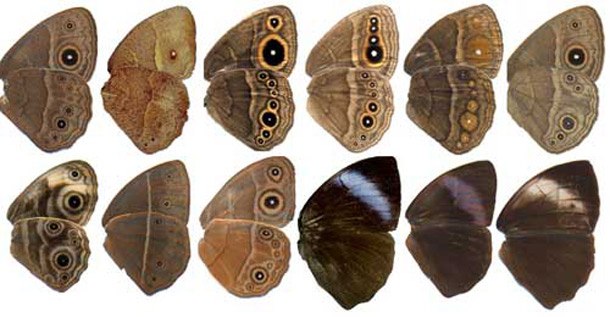
Natural Selection
Variation
Homeostasis
Extinction

This makes an organism more suited to its environment
species
lifespan
adaptation
mutation
An example of selective breeding is
a dog breeder mating 2 dogs to make more dogs
a farmer grows bees to pollinate the plants on his farm
a person pollinates 2 white rose plants to only create white roses
What is the likely cause of analogous traits?
Two species share a common ancestor
Two species face similar environmental pressures
A remnant of a trait that no longer serves a function

What
type
of structure?
Homologous
Analogous
Embryological
Vestigial

What
type
of structure?
Homologous
Analogous
Embryological
Vestigial

What
type
of structure?
Homologous
Analogous
Embryological
Vestigial

What
type
of structure?
Homologous
Analogous
Embryological
Vestigial

What
type
of structure?
Homologous
Analogous
Embryological
Vestigial

According to this image, which two domains of life are most related?
Bacteria & Archaea
Archaea & Eukarya
Eukarya & Bacteria
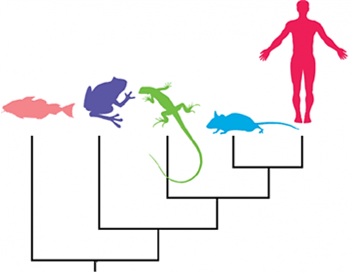
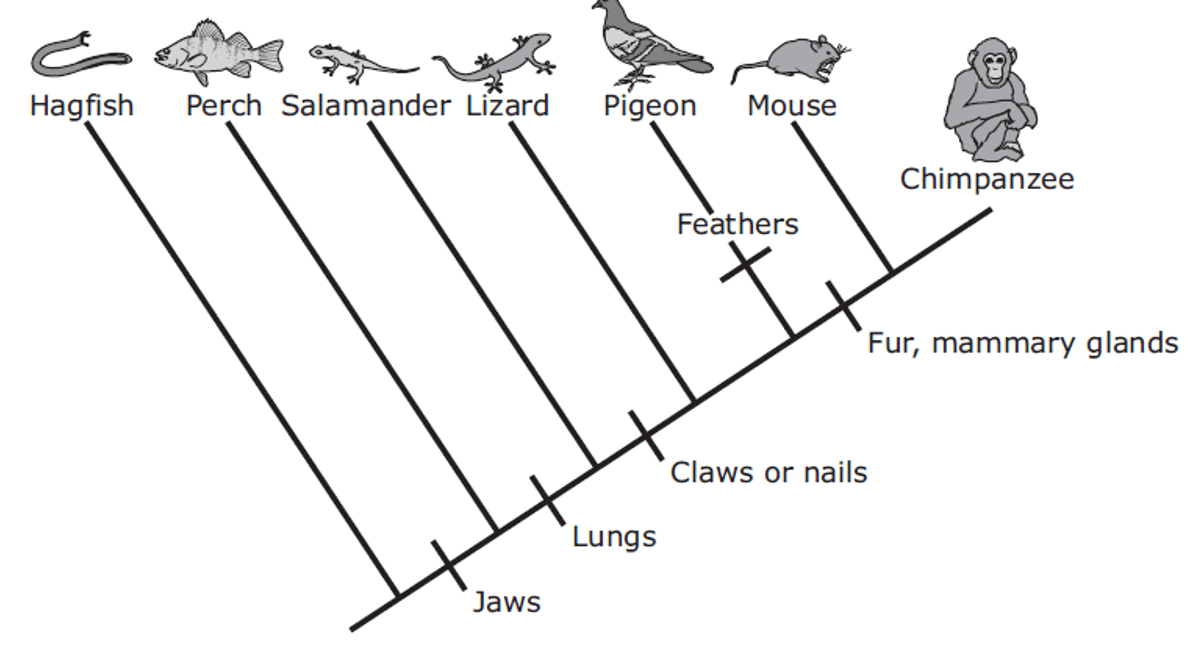
What is the human most closely related to?
Fish
mouse
Salamander
Human

Which group of animals on this tree are most closely related to birds?
Saurischian dinosaurs
Ornithischian dinosaurs
Crocodiles
None of these are related to birds

Where is the alligator and T. rex's common ancestor?
Point A
Point B
Point C
Point D


If the net force is equal to zero, the forces acting on the object are
balanced
unbalanced
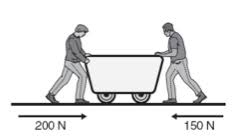
What type of force is shown in the picture?
Unbalanced Force
Balanced Force
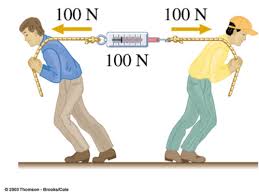
What type of force is shown in the picture?
Unbalanced Force
Balanced Force

