wayground logo

Free Printable Worksheets

Font size

S
M
L
XL
Worksheets

DCA Review Fall

Total questions: 152

Worksheet time: 3hrs 21mins

Name
Class
Date
1.
Every living organism is made up of one or more cells
a)
True
b)
False
2.
Which of the following are NOT found in animal cells
a)
chloroplasts and cytoplasm
b)
chloroplasts and cell wall
c)
cell wall and cell membrane
d)
mitochondria and nucleus
3.

1. What letter represents the cytoplasm?

a)

A

b)

B

c)

C

d)

D

4.

1. What is the name and function of A?

a)

Cytoplasm – liquid jelly inside of cell

b)

Nucleus – has DNA

c)

Cell membrane – controls what enters and exits

d)

Cell wall – extra strength and structure

5.

What two organelles does the plant cell have that the animal cell does NOT?

a)

Cytoplasm and cell membranes

b)

mitochondria and cell wall

c)

Cell wall and chloroplast

d)

cytoplasm and chloroplast

6.

What is the name and function of B?

a)

Vacuole – storage of water, food and waste

b)

Cell wall – extra strength and structure

c)

cell membrane – controls what enters and exits

d)

nucleus – control center, has DNA

7.

What is the name and function of D?

a)

Vacuole – storage of water, food and waste

b)

cell membrane – controls what enters and exits

c)

nucleus – control center, has DNA

d)

Cell wall – extra strength and structure

8.
What is the formula for density?
a)
density = mass x volume
b)
density = mass / volume
c)
density = mass + volume
d)
density = mass - volume
9.
Frank has an eraser. It has a mass of 4g, and a volume of 2cm3. What is its density?
a)
8 g/cm3
b)
2 g/cm3
c)
1/2 g/cm3
d)
24 g/cm3
10.

What organelle is this?

a)

mitochondria- stores water, food, waste

b)

mitochondria- makes ATP energy for the cell

c)

Lysosome- removes waste

d)

Ribosome- makes ATP energy for the cell

11.

Animal cells and plant cells are

a)

always probiotic

b)

always prokaryotic

c)

never eukaryotic

d)

always eukaryotic

12.

Plant cells are...

a)

eukaryotic

b)

prokaryotic

c)

bacteria

d)

round

13.

What organelle creates energy?

a)

Ribosome

b)

Nucleus

c)

Mitochondria

d)

Cytoplasm

14.

What is the smallest to largest?

a)

gene, chromosome, nucleus, cell

b)

gene, cell, chromosome, cell,

c)

gene, cell, nucleus, chromosome

d)

chromosome, gene, nucleus, cell

15.

What is the length of the hotdog in inches?

a)

8 in

b)

5 in

c)

3 in

d)

13 in

16.
Autotroph or Heterotroph?
a)
Autotroph
b)
Heterotroph
17.
Autotroph or heterotroph?
a)
Autotroph
b)
Heterotroph
18.

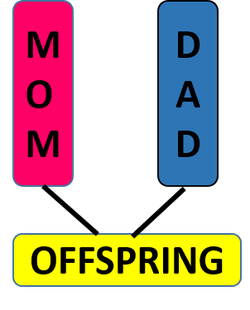
Who do you get chromosomes from?

a)

Aunt and Neighbor

b)

Mom and Dad

c)

Uncle and Grandma

d)

Cousin and brother

19.

Which of these are all true examples of genes?

a)

long fingers, brown hair with purple stripes

b)

loves burgers, hates to dance, loves to take long showers

c)

blue eyes, blonde hair, loves rap, plastic surgery

d)

brown hair, hazel eyes, breast cancer, long fingers, round face

20.

What is this?

a)

Pair of Chromosomes

b)

Nucleotide

c)

Nucleus

d)

DNA

21.

True or false? Genes are inherited traits.

a)

False

b)

True

22.
Look at the picture.
Speaking different languages.
a)
inherited
b)
learned
23.
a)
5 inches
b)
8 inches
c)
3 inches
d)
2 inches
24.
I am the outer most layer of an animal cell. What am I?
a)
cell wall
b)
nucleus
c)
cell membrane 
d)
cell skin
25.

Chloroplasts are found in ONLY plant cells

a)

True

b)

False

26.

Mitochondria are found in BOTH plant and animal cells

a)

true

b)

false

27.
Which statement reflects one of the major components of the cell theory?
a)
All living things are multi-cellular.
b)
Organs are the basic unit of structure and function for all living things.
c)
All cells come from previously existing cells.
d)
Every organism has a reproductive system to ensure survival of the species.
28.
Rocks are not living because
a)
they never move
b)
they aren't needed for humans
c)
they are not made of cells
d)
they don't break down
29.
Bacteria
a)
Eukaryote
b)
Prokaryote
c)
Both
30.
The offspring from asexually reproduced organisms are?
a)
Different than their parents
b)
Identical to parents
c)
Like a combination from both parents
d)
A different species
31.

Requires two parents

a)

sexual

b)

asexual

32.
Sexual reproduction requires _____ parents and asexual reproduction requires ___ parents
a)
1,1
b)
2,2
c)
2,1
d)
1,2 
33.
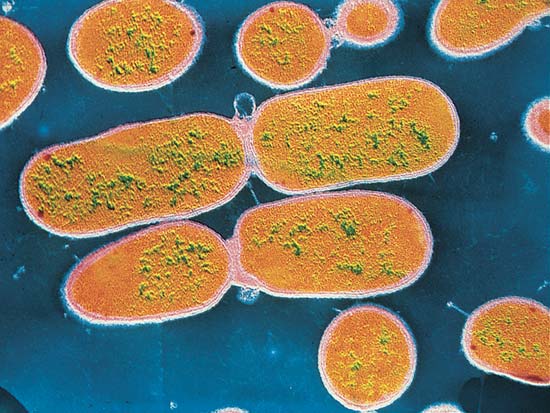
Type of reproduction?
a)
sexual; binary fission
b)
asexual; binary fission
c)
sexual; budding
d)
asexual; budding
34.
Type of reproduction?
a)
sexual; budding
b)
asexual; budding
c)
asexual; regeneration
d)
asexual; binary fission
35.
Type of reproduction?
a)
asexual; budding
b)
asexual; regeneration
c)
sexual; budding
d)
sexual; regeneration
36.
The smallest unit of life...
a)
atom
b)
organism
c)
tissue
d)
cell
37.

What type of asexual reproduction is taking place?

a)

Binary Fission

b)

Budding

c)

Fragmentation

d)

Regeneration

e)

Vegetative Reproduction

38.

What type of asexual reproduction is taking place?

a)

Binary Fission

b)

Budding

c)

Fragmentation

d)

Regeneration

e)

Vegetative Reproduction

39.

What type of asexual reproduction is taking place?

a)

Binary Fission

b)

Budding

c)

Fragmentation

d)

Regeneration

e)

Vegetative Reproduction

40.

DIVERSE

a)

characteristic

b)

reproduction

c)

offspring

d)

different

41.

OFFSPRING

a)

babies or children

b)

different

c)

the same

d)

a characteristic that describes you

42.

TRAIT

a)

different

b)

a characteristic that describes you

c)

babies or children

d)

the same

43.

I provide plant cells their rigid shape. I am the...

a)

Basketball that Nic Quarne left in Mr. Woller's room last week

b)

Cytoskeleton

c)

Cell Membrane

d)

Cell Wall

44.

identify the cell part

a)

cytoplasm

b)

chloroplast

c)

centrioles

d)

golgi body

45.
I store water in both plant and animal cells. What am I?
a)
cytoplasm
b)
ribosomes
c)
vacuole
d)
lysosomes
46.
What type of tropism response to light? 
a)
Gravitropism
b)
Thigmotropism
c)
Phototropism
d)
Hydrotropism
47.
What type of tropism response to gravity?
a)
Hydrotropism
b)
Phototropism
c)
Thigmotropism
d)
Gravitropism
48.
What type of tropism response to water? 
a)
Hydrotropism
b)
Gravitropism
c)
Thigmotropism
d)
Phototropism
49.
What type of tropism response to touch? 
a)
Gravitropism
b)
Phototropism
c)
Thigmotropism
d)
Hydrotropism
50.

Wilting is a plant's response to:

a)

High turgor pressure

b)

Low turgor pressure

c)

Gravity

d)

Sunlight

51.
Asexual reproduction in organisms produce offspring that are______________
a)
different from the parent plant
b)
identical to the parent plant.
c)
highly charged organism
d)
not like the parent plant.
52.
Look at the picture.
Eye color.
a)
inherited
b)
acquired
53.
Look at the picture.
The ability to play basketball.
a)
inherited
b)
learned
54.
What word means "not living"?
a)
acquired
b)
abiotic
c)
biotic
d)
community
55.
What word means "living"?
a)
acquired
b)
abiotic
c)
biotic
d)
community
56.
Temperature, light, air, water, and soil are all  _____  parts of the environment
a)
alive
b)
biotic 
c)
abiotic
d)
living
57.
What part of the plant cell stores water?
a)
nucleus
b)
vacuole
c)
chloroplast
d)
ribosome
58.
A group of similar cells that perform the same function.
a)
tissue
b)
organelle
c)
mass
d)
tendon
59.

A group of organs that work together to make an

a)

organ system

b)

tissue

c)

organism

d)

cell

60.

Which of the following is the correct order of levels of organization from most basic (simple/small) to most complex (big)?

a)

a. Organism, cell, tissue, organ, organ system

b)

a. Organ system, organ, tissue, cell, organism

c)

a. Cell, tissue, organ, organ system, organism

d)

a. Cell, organ, tissue, organ, organism, organ system

61.

Which level of organization are the pictures above?

a)

cell

b)

organ

c)

organism

d)

organ system

62.
Which is an example of an organism?
a)
a beetle
b)
a lake
c)
a rock
d)
a shell
63.
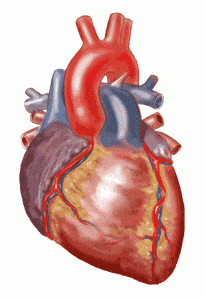
This is a example of........ 
a)
organ system
b)
cells
c)
organ
d)
tissue
64.
This is a example of ........
a)
cell
b)
organ system
c)
organ
d)
tissue
65.

Is sunlight an abiotic or biotic factor?

a)

abiotic

b)

biotic

66.
This tube is made of smooth muscle and carries food from your mouth to your stomach.
a)
trachea
b)
intestines
c)
esophagus
d)
urethra
67.
Your body couldn’t breathe without this system. Which one is it?
a)
circulatory
b)
skeletal
c)
respiratory
d)
urinary
68.
With circulation, the heart provides your body with which of the following? Choose the best answer. 
a)
oxygen
b)
nutrients
c)
a way to get rid of waste
d)
all of the above
69.
Urine is stored in this organ.
a)
kidney
b)
bladder
c)
peeing bag
d)
intestines
70.
Each bone has a particular job. What is the job of the skull?
a)
pumps blood to the brain
b)
protects the brain
c)
helps the body to make decisions
d)
tells the brain what to do
71.
This system controls everything you do.
a)
nervous system
b)
olfactory system
c)
digestive system
d)
circulatory system
72.
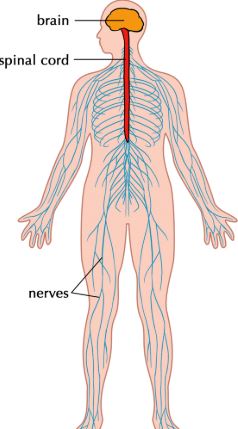
The nervous system is made up of these three parts:
a)
Brain, heart, and spinal cord
b)
Brain, spinal cord, and nerves
c)
Nerves, arteries, and veins
d)
Nerves, liver, and heart
73.
What body system makes your body move? 
a)
Circulatory
b)
Respiratory
c)
Skeletal
d)
Muscular
74.
What body system removes the waste from your body? 
a)
Circulatory
b)
Excretory
c)
Digestive
d)
Respiratory
75.
The main purpose of the ________ system is to produce hormones for the body.
a)
excretory
b)
digestive
c)
reproductive
d)
endocrine
76.
The skin is the major organ in which system?
a)
Integumentary
b)
Muscular
c)
Endocrine
d)
Immune
77.
Which system of the body uses veins, blood, and arteries?
a)
The nervous system
b)
The circulatory system
c)
The respiratory system
d)
The blood system
78.

What are the levels of organization in order?

a)

Cell, Tissue, Organ, Organ System, Organism

b)

Cell, Tissue, Organ, Organ System

c)

Cell, Tissue, Organ, Organism, Organ System

d)

Cell, Organ, Tissue, Organ System, Organism

79.

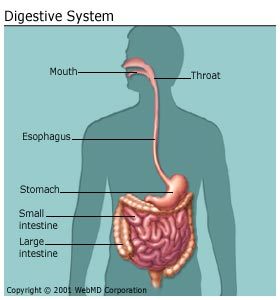
What are these?

a)

Stomach

b)

Esophagus

c)

Lungs

d)

Testes

80.

What system is pictured?

a)

Skeletal

b)

Circulatory

c)

Nervous

d)

Muscular

81.
Which system is responsible for creating red blood cells?
a)
Skeletal
b)
nervous
c)
digestive
d)
circulatory
82.

Which two body systems are working together to make this type of physical movement from the basketball player?

a)

Circulatory and Excretory

b)

Skeletal and Muscular

c)

Nervous and Digestive

d)

Respiratory and Skeletal

83.
What do the bones create?
a)
white blood cells
b)
platlets
c)
red blood cells
d)
flying turkeys
84.
Muscles that you can control at will are called _______.
a)
Smooth
b)
Voluntary
c)
Cardiac
d)
Heart
85.

The epiglottis is a flap of tissue that closes when we eat so food doesn't not go down the trachea. The trachea is apart of what body system?

a)

circulatory

b)

digestive

c)

reproductive

d)

respiratory

86.

What is the body's first line of defense?

a)

skin

b)

inflammatory response

c)

white blood cells

d)

b and t cells

87.

The skin protects your body from the sunlight.

a)

False

b)

True

88.

The _______ in your skin help you feel what you touch.

a)

bones

b)

muscles

c)

nerves

d)

Mrs. Jones' dog

89.

This makes your skin goes darker...

a)

Melania

b)

Melinen

c)

Melanin

d)

Melosa

90.

Why do we sweat?

a)

Response to an increase in heart rate

b)

Response to an increase in appetite

c)

Response to an increase in body temperature

d)

Response to an increase in blood pressure

91.
What is the difference between biotic and abiotic?
a)
Biotic are non-living things
b)
Abiotic are living organisms
c)
Biotic is life,
Abiotic is non-living
d)
Biotic is non-living, Abiotic is living
92.

A scientist makes a model of a animal cell. Which parts should she include in her model? (Select ALL that apply)

a)

Nucleus

b)

Cell Wall

c)

Cytoplasm

d)

Cell Membrane

e)

Chloroplast

93.
Which of the following is an example of a HETEROTROPH?
a)
Grass
b)
Algae
c)
Lemon Tree
d)
Bear
94.

Both physical digestion occurs in the mouth & stomach

a)

False

b)

True

95.

The respiratory system of humans functions to bring oxygen into the body. What gas does the respiratory system assist the body in eliminating?

a)

Carbon dioxide

b)

Nitrogen

c)

Argon

d)

Helium

96.

Inherited traits are physical characteristics that an offspring inherits from its parents. Which of the following traits is NOT an example of an inherited trait?

a)

Dimples

b)

Hair color

c)

Height

d)

Pierced ears

97.

The first physical changes that occur in the digestive system of humans are caused by the —

a)

teeth

b)

stomach

c)

large intestine

d)

small intestine

98.

Three husky puppies come from the same litter. They all have a similar appearance but different color markings on their face and body. Which of these cell components are most involved in determining the color markings in each puppy?

a)

Genes, chromosomes, and nucleus

b)

Chromosomes, chloroplasts, cytoplasm

c)

Nucleus, chromosomes, and vacuoles

d)

Cytoplasm, genes, and chloroplasts

99.
Chewing food with teeth is an example of a
a)
physical change
b)
chemical change
100.
Changes the size, shape, or color of food:
a)
Physical digestion
b)
Chemical Digestion
101.
Acids and enzymes are used in 
a)
physical digestion
b)
chemical digestion
102.
Digestion begins here.
a)
mouth
b)
stomach
c)
San Antonio
d)
small intestine
103.
_____________________ cells do NOT have a nucleus.
a)
Animal
b)
Large
c)
Prokaryotic
d)
Complex
104.

Which diagram represents the most complex level of organization?

a)
b)
c)
d)
105.
Using this image, what organelle is C?
a)
Cell Wall
b)
Mitochondria
c)
Large Cell Vacuole
d)
Chloroplast
106.

How much DNA does one parent give to its offspring in sexual reproduction?

a)

all

b)

none

c)

half

107.

How much DNA does a parent in asexual reproduction give to its offspring?

a)

half

b)

all

108.
How is a physical change different from a chemical change?
a)
There is absolutely no difference
b)
Chemical changes produce a new substance, physical changes stay the same substance
c)
Chemical changes create and destroy matter, physical changes don't
d)
Physical changes create and destroy matter, chemical changes dont
109.
Name the tool.
a)
spring scale
b)
graduated cylinder
c)
hand lens
d)
ruler
110.
Which of the following is a learned behavior of a kitten?
a)
Having gray fur
b)
Playing with yarn
c)
Drinking Water
d)
Having two ears
111.
What does cell theory say?
a)
All Living things are made of cells
b)
All cells come from pre-existing cells
c)
cells are the basic unit of life
d)
All of these answers are correct
112.
What is the formula for density?
a)
density = mass x volume
b)
density = mass / volume
c)
density = mass + volume
d)
density = mass - volume
113.
Poison Ivy growing on a tree by touch.
a)
Geotropism 
b)
Phototropism
c)
Thigmotropism
d)
Hydrotropism
114.
What type of tropism is seen here with the ivy plant growing around the wooden stake?
a)
phototropism
b)
geotropism
c)
thigmotropism
d)
hydrotropism
115.
What happens when the vacuole is empty or skinny?
a)
Mild Turgor pressure
b)
Low turgor pressure
c)
High turgor pressure
d)
Regular turgor pressure
116.
How does turgor pressure relate to a plant wilting?
a)
A wilting plant = high turgor pressure
b)
A wilting plant = high photosynthesis
c)
A wilting plant = low turgor pressure
d)
They are not related
117.

Asexual reproduction in organisms that produce offspring that are_____________?

a)

Diffrent from the parent plant

b)

highly charged organim

c)

identical to the parent plant

d)

not like the parent plant

118.

A plants roots grow thicker towards the stream than away from the stream. To what stimulus is the plant responding to?

a)

thigmotropism

b)

gravitropism

c)

photoropism

d)

hydrotropism

119.
A plant growing in response to the sunlight. 
a)
Gravitropism 
b)
Phototropism
c)
Thigmotropism
d)
Hydrotropism
120.
What gas is released by plants during photosynthesis?
a)
sulfur
b)
carbon dioxide
c)
oxygen
d)
hydrogen
121.
The main source of energy for all life comes from ____.
a)
the Earth
b)
the moon
c)
the sun
d)
the food we eat/make
122.
If a plant experiences a gravitropism, then it will do what?
a)
Grow toward or away from light. 
b)
Grow away from light. 
c)
Grow toward light.
d)
Grow in response to gravity. 
123.
Which statement best describes why the plant is growing like it is?
a)
The plant is displaying the effects of hydrotropism as its roots and growing down in search of water
b)
The plant is displaying the effects of gravitropism as its leaves and stem are growing upward against gravity.
c)
The plant is displaying the effects of phototropism as its stem and leaves are pointing up in search of light.
d)
The plant is displaying the effects of thigmotropism as the plant grows and is in continual contact with the pot.
124.
These sunflowers seem to follow the path of the sun as it travels across the sky during the day. Plants bending toward or following light is a response called:
a)
hydrotropism
b)
photosynthesis 
c)
thigmotropism
d)
phototropism
125.
Which measurement is found when using a triple beam balance?
a)
pounds
b)
temperature
c)
yards
d)
grams
126.

Within a human being, many cell types are present. Cells from two different areas of the body —

a)

produce energy on their own

b)

contain cell walls

c)

have the same size and shape like all cells that exist

d)

require food from other organisms and cannot make their own energy

127.

Starfish reproduce asexually. Asexual reproducers depend on what for variations in their DNA?

a)

Mutations

b)

Gametes

c)

Pollination

d)

Time

128.

A major difference between plant and animal cells is that plant cells contain a chloroplast. The chloroplast contains the cellular machinery necessary to —

a)

retain water

b)

store minerals

c)

produce food

d)

fight off invaders

129.

Which statement best describes the function of this human body system?

a)

Breaks down food into nutrients and wastes

b)

Provides support and movement for the body

c)

Produces and secretes hormones which regulate metabolism, growth, and development

d)

Supplies O2 to the blood and delivers O2 to all parts of the body

130.

Cell walls are found in —

a)

animals

b)

viruses

c)

molecules

d)

plants

131.

There are different types of asexual reproduction. Which is not a form of asexual reproduction?

a)

Budding

b)

Fission

c)

Fragmentation

d)

Fertilization

132.

According to the cell theory, what is the basic unit of structure?

a)

Atoms

b)

Bacteria

c)

Cells

d)

DNA

133.
Biotic means:
a)
Living
b)
Non-living
c)
Man made
d)
Found in nature
134.
Urine is one way that our body gets rid of ___________.
a)
pee
b)
liquids
c)
waste
d)
carbon dioxide
135.

Which body system is shown on the left?

a)

Muscular System

b)

Circulatory System

c)

Digestive System

d)

Nervous System

136.
What system carries oxygen to the blood?  
a)
Cardiovascular System
b)
Respiratory System
c)
Nervous System
d)
Endocrine System
137.
What system moves the body?
a)
Endocrine System
b)
Muscular System
c)
Cardiovascular System
d)
Skeletal System
138.
What is the main function of the excretory system?
a)
to remove cellular wastes from the body
b)
to strengthen skeletal muscles
c)
to protect the nervous system
d)
to bring oxygen to body cells
139.
These organs are responsible for what?
a)
storing urine
b)
storing water
c)
filtering blood
d)
they don't have a particular job 
140.
How many kidneys do you have?
a)
1
b)
3
c)
5
d)
2
141.
What organ is C pointing to?
a)
Ureters
b)
Bladder
c)
Kidney
d)
Urethra
142.
Which of the following is NOT part of the integumentary system?
a)
Skin
b)
Cartilage 
c)
Nails
d)
Hair
143.
What body system removes the waste from your body? 
a)
Circulatory
b)
Excretory
c)
Digestive
d)
Respiratory
144.
This system carries oxygen, nutrients and waste around the body.
a)
Lymphatic
b)
Urinary
c)
Respiratory
d)
Circulatory
145.
What is the main function of the respiratory system?
a)
to provide oxygen and remove carbon dioxide from the body
b)
to bring oxygen to the body
c)
to break down food and absorb nutrients
d)
to remove oxygen from the body and deliver carbon dioxide
146.
a)
9 inches
b)
1 inch
c)
10 inches
d)
6 inches
147.
a)
7 inches
b)
5 inches
c)
3 inches
d)
2 inches
148.
Frank has a paper clip. It has a mass of 9g and a volume of 3cm3. What is its density?
a)
3 g/cm3
b)
1/3 g/cm3
c)
27 g/cm3
d)
39 g/cm3
149.
Put the liquids in order from most dense to least dense?
a)
4, 3, 2, 1
b)
1, 2, 3, 4
c)
3, 4, 2, 1, 
d)
4, 3, 1, 2
150.
An object with which of the following densities will float on water?
a)
0.7 g/cm3
b)
1.2 g/cm3
c)
3.5 g/cm3
d)
11.4 g/cm3
151.
Helium balloons rise on earth because
a)
helium is less dense than air
b)
helium is more dense than air
c)
helium is cooler than air
d)
helium is warmer than air
152.
A student knows the mass of an object. What other variable does the student need to know to calculate the object's density?
a)
Color
b)
Weight
c)
Volume
d)
Length