
 Worksheets
Weather Factors and Climate
Total questions: 149
Worksheet time: 4hrs 55mins





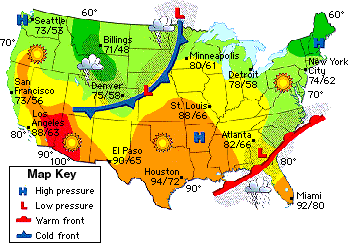
A cold front is approaching Minneapolis. What will happen to the air temperature?
stay the same
increase
decrease

Which city is experiencing thunderstorms?
Denver
New York
Miami
Boise

Which city is currently experiencing a snow storm?
Seattle
Los Angeles
Chicago
New York

Which city has the highest the highest temperature?
Dallas
Chicago
Los Angeles
Miami

Which city is experiencing cloudy skies and rain?
New York
Seattle
Dallas
Boise
Scientists who study weather and try to predict it are called?
astronomers
volcanologists
meteorologists
weatherologists
Instrument for measuring temperature?
temperature vane
hygrometer
thermometer
rain gauge


What direction is indicated by the number 6?
north
east
south
west


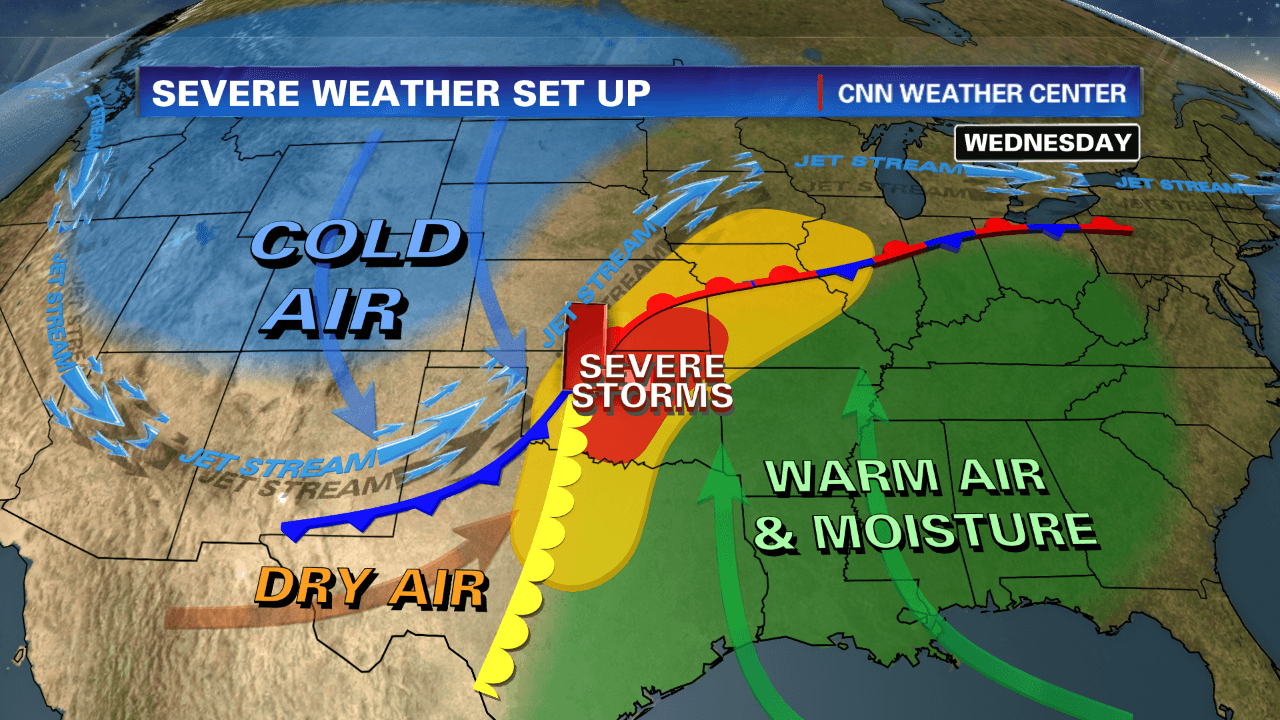





Thunderstorms are a type of storm that has lightning, thunder, heavy rain, strong winds, and sometimes hail.
Tornadoes are a type of storm that has a rapidly whirling funnel-shaped cloud that reaches down from a storm cloud.


Temperature is affected by
Latitude
Altitude
Distance from large bodies of water
Ocean Currents
All of the above
Many mountains areas have
warmer climate
colder climate
moderate climate
Areas near the equator have
colder climate
warmer climate
moderate climate
The main factors affect the precipitation are
prevailing winds
mountain ranges
seasonal winds
all of the above
Climate is the average, year-after-year conditions of
temperature
precipitation
winds
clouds
all of the above
Between the tropical zones and the polar zones are the
moderate zones
temperate zones
high zones
low zones
all of the above
Much of the west coasts of North America, South America, and Europe have
Polar Climates
Continental Climates
Marine Climates
The winds that usually blow in one direction in a region are
Seasonal Winds
Prevailing Winds
Monsoon Winds
Inland regions of North America and Asia have
Marine Climates
Polar Climates
Continental Climates
None of the above


What factors do scientists consider as they classify climates? Choose 2 answer options!
Temperature
Vegetation
Precipitation
Clouds
Arid regions that get less than 25 cm of rain yearly
desert
tundra
rain forest
steepe
Forest in which abundant rain falls year-round
desert
tundra
rain forest
subarctic
Climate is wet and warm, but not as hot as the tropics
permafrost
savanna
humid subtropical
rain forest
Tropical grassland
humid subtropical
steppe
savanna
highlands
Permanently frozen tundra soil
permafrost
ice cap
ice cube
tundra
Semiarid, also called a prairie or grassland
tundra
steppe
desert
savanna
The ___ climate is the coldest climate region and includes the tundra and ice cap climates.
rainy
polar
freezing
____ climates include semiarid and arid climates.
dry
highland
desert
hot
The tropics are areas that have 2 types of ____ climates: tropical wet and tropical-wet-dry.
climate regions
rainy
highland
Which BEST describes why latitudes closest to the equator have warmer climates?
they are at lower elevations
they receive more solar energy
they are nearer to ocean currents
they get more winds that carry energy in the form of heat

What chemical is responsible for breaking up the ozone?
CFCs
Carbon Dioxide
Nitrogen
Oxygen

Which of these sets of three items produce CFCs
cars, factories, and cardboard
spray cans, cardboard, insulation
spray cans, refrigerant, cardboard
spray cans, refrigerant, insulation
This protects us from harmful UV rays from the sun _____.
Troposphere
Stratosphere
Greenhouse Effect
Ozone Layer

What is created because land heats and cools more quickly than the water?
Trade winds
Polar easterlies
Sea and land breezes
Doldrums
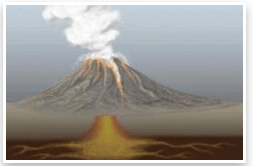


What is in store for our oceans if ocean waters continue to warm?
Bottom-dwelling creatures will have better conditions.
Fish and plant life will be reduced.
Larger fish will thrive.
Stronger currents and wave patterns will occur.

