
 Worksheets
Physical Science Final Exam Review 2021
Total questions: 151
Worksheet time: 3hrs 25mins


What type of force is this man using to push his grocery cart?
Normal Force
Gravity
Air Resistance
Applied Force

Is this an example of a balanced or unbalanced force?
Balanced force
Unbalanced force
I don't know

In this force diagram, which arrow is representing the Normal Force?
A
B
C
D

How do you know if this object is balanced?
It's not balanced; it's Net Force is 14 N
It is balanced because its Net Force is 0 N.
It's not balanced; it's Net Force is 10 N left and 4 N up.
I don't know how to tell.

According to this force diagram, is this object balanced or unbalanced?
Balanced
Unbalanced

What is the net force on this object?
80 N West
80 N East
40 N West
40 N East

What is the Net Force on this object?
11 N, right
8 N, right
3 N, left
5 N, right
If the net force is equal to zero, the forces acting on the object are
balanced
unbalanced

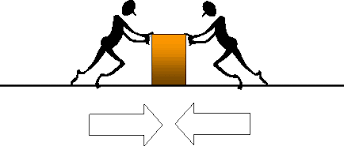
Forces that have a net force of zero.
Balanced force
Unbalanced force




Two forces act on an object to the right at the same time. What force is required to bring the object into equilibrium?
9 N to the right
9 N to the left
3 N to the left
18 N to the left

A push or a pull that starts, stops or changes the direction of an object
force
energy
gravity
motion
MASS x ACCELERATION =
Force
motion
speed
push/pull
The SI unit for force is _______
Newtons
Gravity
Meter
Joules
If both forces are going in the same direction you should______ those forces
Add
Subtract
Divide
Multiply
When forces are going in the opposite direction of each other you should do what do find the net force
Subtract
Add
Divide
Multiply
What happens to an object if equal forces are pushing from opposite directions?
Does not move
Pushed up
Pushed down
Explodes
Without air resistance objects drop,
at the same time
faster depending on mass
depends on the object
there will be no gravity


A force is ____.
a push or pull that can cause movement
a magnet
when someone does not work
Gravity is ____.
a force that attracts objects towards each other
a force that moves objects away
a push or pull
Which energy transformation occurs when a match is lit?
chemical to heat energy
heat to potential energy
electrical to heat energy
kinetic to potential
A girl threw a ball. As the ball moves through the air, what type of energy does it have?
heat energy
chemical energy
electrical energy
mechanical energy
Energy that flows through an electrical circuit is ____________ energy?
chemical
electrical
heat
solar
A falling rock has kinetic energy. Where does that kinetic energy go when it hits the ground and stops?
It is reduced until it disappears
It is converted into potential energy again
It is converted into heat and sound
It is converted into matter

In an investigation, a ball was released from the three difference positions shown. The speed of the ball was measured at the bottom of the ramp, after the ball was released from each position.
Why was the speed greatest when the ball was released from the top position "1"?
The ball lost energy to the environment as it rolled down the ramp.
The ball had more potential energy at the top of the ramp.
The ball gained potential energy as it rolled down the ramp.
The ball had more kinetic energy at the top of the ramp.

A student wound up a propeller in the toy plane shown. After he wound it up, he let it go.
What energy transformation occurred when he released the propeller?
Gravitational potential energy transformed into kinetic energy.
Elastic potential energy transformed into kinetic energy.
Chemical kinetic energy transformed into spinning kinetic energy.
Elastic kinetic transformed into spinning kinetic energy.

Does all of the electrical energy produced by this battery transform into light energy?
Yes; because of the Law of Conservation of Energy.
No; because the mass of the battery changes.
Yes; because light bulbs are light producing devices.
No; because some of it transforms into heat energy.
A student wants to model how energy is conserved. She holds a book above the floor and explains that the book now has potential energy. She then drops the book.
What energy transformation occurs after she drops the book?
It changes from potential to kinetic and back to potential.
it changes from potential to kinetic to zero energy.
It changes from potential to kinetic to sound and thermal.
It changes from potential to kinetic to elastic.
Which of these would have the greatest mechanical potential energy?
A roller coaster at the top of a hill.
A roller coaster half-way up the hill.
A roller coaster half-way down the hill.
A roller coaster at the bottom of the hill.
Which of the following is an example of friction converted into heat energy?
the sun
a snickers bar
a generator
rubbing your hands together
Batteries are an example of which of the following forms of energy?
solar
thermal
chemical
mechanical
The turkey is Erik's favorite part of Thanksgiving dinner.
What form of energy is turkey that Erik will eat?
electrical
kinetic
chemical
nuclear

As an archer pulls back on the bow string before shooting; an arm, the bow and the string have ___________ potential energy.
Chemical
Elastic
Gravitational
Kinetic
Which statement best defines energy?
Energy is the force applied over a distance.
Energy is the ability to do work.
Energy is the rate at which work is done.
Energy is the motion of objects.

Phillip is holding a book near shoulder-height. What happens to the gravitational potential energy of the book if he places it on shelf B?
increases
stays the same
decreases
have zero gravitational potential energy
Which activity directly converts energy from the Sun into chemical energy?
a snake lying on a sunny rock to keep warm
a rabbit using energy from food it has eaten to run
a bean plant making its own food to grow
a person burning firewood to cook food
A battery has chemical energy, which can be used to generate thermal and radiant energy in a lightbulb. Which best explains that happens to the amount of energy in this scenario?
The total energy in the system increases because chemical energy creates thermal and radiant.
B. The total energy in the system decreases because chemical energy disappears as thermal and radiant energy are generated.
The total energy in the system remains the same as the decrease in chemical energy equals the increase in thermal and radiant energy.
The total energy in the system remains the same as the increase in chemical energy equals the decrease in thermal and radiant energy.

What form of energy do plants use during photosynthesis?
electrical
kinetic
thermal
solar, which is a type of radiant energy

Water being released behind a dam is an example of what energy transformation?
chemical to heat
potential to kinetic
electrical to mechanical
solar to kinetic

A student measured the temperature of a beaker full of water. She then placed the beaker outside in the sun. She measured the temperature change and graphed the results as shown below.
What can you infer about the energy change that occurred?
chemical energy from the sun increased the thermal energy of the water
radiant energy from the sun decreased the thermal energy of the water
thermal energy from the sun decreased the chemical energy in the water bonds
radiant energy from the sun increased the thermal energy of the water

Electrical energy is classified as _________ energy.
kinetic
potential

Chemical energy is classified as _________ energy.
kinetic
potential

Sound energy is classified as _________ energy.
kinetic
potential

Thermal energy is classified as _________ energy.
kinetic
potential

Energy form stored in bonds between atoms and molecules
chemical
nuclear
thermal
electromagnetic

Energy form characterized by the flow of electrons
electrical
electromagnetic
elastic
chemical

Energy form characterized by the movement of energy in waves through empty space
electromagnetic
electrical
chemical
nuclear

Energy form stored in the center of an atom
nuclear
chemical
electromagnetic
thermal

Energy form based on the movement of particles within an object
thermal
elastic
chemical
nuclear
Which energy transformation below matches...
Water moving over a dam to move a generator?
potential to kinetic to chemical
potential to kinetic to electrical
solar to kinetic to electrical
Talking and a radio are examples of which form of energy?
sound
light
mechanical
chemical
Light bulbs and the Sun are examples of which form of energy?
mechanical
chemical
heat
light
Batteries, food, and gasoline have which form of energy?
light
heat
chemical
mechanical
What is energy?
energy in motion
a form of potential energy that is stored in chemical bonds
the ability to do work or cause change
a change from one form of energy to another
What is electrical energy?
chips and salsa
the energy of moving electrons
a forces that cause an object to move in a circle
the relationship between electricity and magnetism
What is electromagnetic energy?
the rate at which velocity changes.
the energy of compressed objects.
the ability to do work or cause change
the energy of light and other forms of radiation, which travels in space as waves.
What is the law of the conservation of energy?
the tendency for an object to resist change
the rule that energy cannot be created or destroyed.
newton's laws
a force produced when magnetic poles interact.
True or false? Energy cannot be created or destroyed
True
False
Where would an object have the most potential energy?
The bottom of a hill
The top of the hill
On the way down the hill
It never has potential energy
A firefly transforms what kind of energy into a new form of energy?
Chemical to radiant
Chemical to nuclear
Electrical to chemical
Electrical to radiant
How does a windmill change forms of energy?
Kinetic to electrical
Electrical to mechanical
Mechanical to light
It is unable to change forms
If you create water vapor/steam, what kind of energy does this represent?
Mechanical
Chemical
Thermal
Nuclear
Which of these represent chemical energy?
Plants
Sun
Battery
Food
What unit do we use to measure energy?
E
J
Joule
PK
The ability to do work or cause change describes what?
Mechanical
Energy
Transformation
Motion
Which energy transformation below occurs in a blow dryer?
electrical ----> thermal
electrical -----> chemical
chemical -----> thermal
thermal ------> electrical

This diagram is showing which of the following transformations?
light energy ----> thermal energy
thermal energy ----> light energy
light energy ----> chemical energy
chemical energy ----> light energy
What type of energy is made by vibrations and does not travel through empty space?
sound energy
light energy
electrical energy
chemical energy
Almost all energy systems produce this type of energy...
light energy
chemical energy
thermal energy
electrical energy
Which transformation best explains what happens in a glow stick when you shake it to make it glow?
chemical to mechanical
mechanical to chemical
light to chemical
chemical to light
Which tool is used to measure the average kinetic energy of a substance?
beaker
hot plate
triple beam balance
thermometer

What energy transformation occurs during photosynthesis?
Chemical --> Radiant
Thermal --> Chemical
Radiant --> Chemical
Mechanical --> Thermal
What do sound energy, radiant energy, and thermal energy all have in common?
They're all forms of kinetic energy
They're all made of similar atoms and molecules
They're all made by plants during photosynthesis
All of these choices

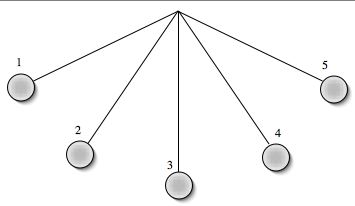

Why won't a basketball bounce forever?

Which location will a pendulum have the most kinetic energy?
the left side
the right side
The center/middle
either the right or left side

At what point does the roller coaster have the highest amount of potential energy?
At the bottom of the first hill.
At the top of the third hill.
At the end of the ride.
At the top of the first hill.

The molecules of a given substance are rapidly expanding at an excited state. What type of energy is present?
Mechanical Energy
Thermal energy
Sound energy
Vibratory energy
Which of the following is true for sound waves?
They require a medium.
They are unrelated to vibrations.
They cannot travel through liquids
They can travel in a vacuum
A student asks a series of questions about a wave. The answer to which question will allow the student to determine whether the wave is electromagnetic or mechanical?
Does it require a medium in order to travel?
Can it pass through air and water?
Does it have a measurable speed?
Does it have a measurable frequency?
How do electromagnetic and mechanical waves compare?
Mechanical waves can only travel through a vacuum, but electromagnetic waves can travel through a solid, liquid, or gas.
Mechanical waves can travel through a solid, liquid, or gas, but electromagnetic waves can only travel through a gas.
Mechanical waves can only travel through a solid, liquid, or gas, but electromagnetic waves can travel through a vacuum.
Mechanical waves can travel through a solid, liquid, or gas, but electromagnetic waves can only travel through a solid.
A student is measuring the distance between the crest and the rest position of both a mechanical wave and an electromagnetic wave. Which question is the student trying to answer?
What is the speed of the waves?
What is the amplitude of the waves?
What is the wavelength of the waves?
What is the frequency of the waves?

Which distance represents the wavelength?
W
X
Y
Z

Which distance represents the amplitude?
W
X
Y
Z
What do radio waves, microwaves, X-rays, and gamma rays all have in common?
They all have the same wavelength.
They are electromagnetic waves.
They are detected in the same way.
They store the same amount of energy.

How many wavelengths separate point A and point B?
1.5
2.0
2.5
3.0
How many wavelengths separate point A and point B?
1.5
2.0
2.5
3.0

Point A represents what?
Trough
Midpoint
Crest
node
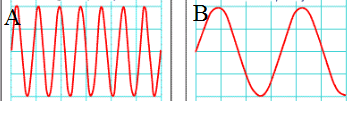
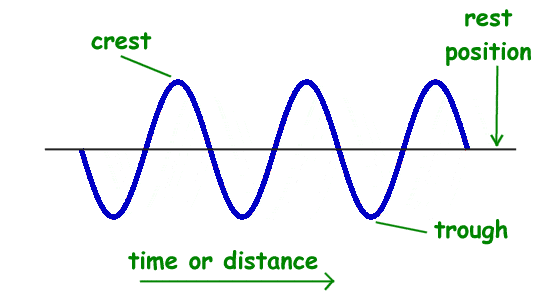
What is measured from crest to crest or trough to trough?
mediums
resting position
wavelength
origin
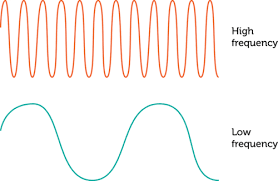
If a wave has a greater frequency, what happens to the wavelength?
increases
decreases
stays the same
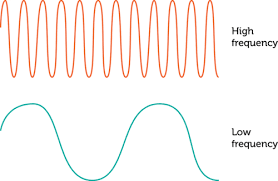
If a wave has a greater frequency, what happens to number of waves per second?
increases
decreases
stays the same
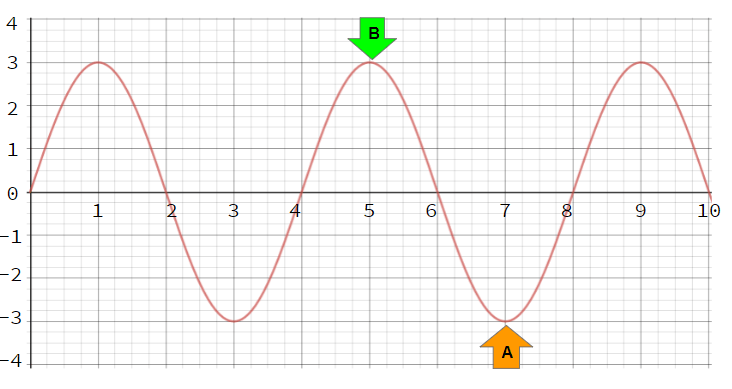
What is the amplitude of this wave?
2
3
6
10
What is the wavelength of this wave?
1
2
3
4
What is the wavelength of this wave?
1
2
3
4
What property does the orange arrow (A) represent?
Crest
Trough
Wavelength
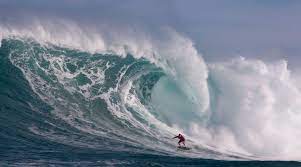
A disturbance that transfers energy from place to place through matter or space
wave
position
time
protein
How are Electromagnetic waves different from Mechanical waves?
EM waves have very short wavelengths
EM waves transmit energy instead of matter
EM waves can travel through the vacuum of space (without particles)
EM waves can change direction by reflection
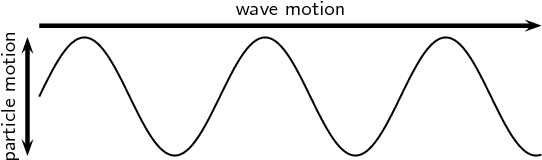
Select the correct order of waves on the EMS from low to high energy
Radio, Micro, Infra, Visible, Ultra, X-ray, Gamma
Gamma, X-ray, Ultra, Vis, Infra, Micro, Radio
Vis, Micro, Infra, Ultra, X-ray, Gamma, Radio
Micro, Radio, Vis, Infra, Ultra, X-ray, Gamma
Which has the LONGEST wavelength and, therefore, the LOWEST frequency/energy
Gamma Rays
Ultraviolet
Visible Light
Infrared rays
Which type of EM waves has the shortest wavelength?
radio wave
visible light
gamma ray
ultraviolet
Which electromagnetic wave possesses the least energy?
microwave
radio wave
infrared
gamma ray
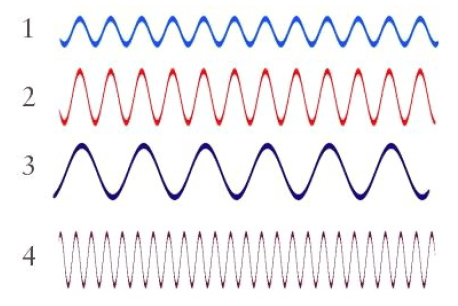


Electromagnetic waves vary in
the speed they travel in a vacuum.
wavelength and frequency.
the way they reflect.
the orientation of their electric and magnetic fields.
The full range of frequencies of electromagnetic radiation is called
visible light.
radio waves.
the electromagnetic spectrum.
invisible radiation.

The _______________ determines the color of visible light.
wavelength (and frequency)
speed
amplitude
particles of the medium

