wayground logo

Free Printable Worksheets

Font size

S
M
L
XL
Worksheets

Macromolecules Review A_Smith

Total questions: 145

Worksheet time: 4hrs 1mins

Name
Class
Date
1.
Proteins are made of monomers called ___________
a)
Nucleotides
b)
Monosaccharides
c)
Amino Acids
d)
Glycerol and fatty acids
2.
DNA and RNA are examples of 
a)
Carbohydrates
b)
Lipids
c)
Proteins
d)
Nucleic Acids
3.
Nucleotides are monomers of
a)
Carbohydrates
b)
Lipids
c)
Proteins
d)

Nitrogen Bases

4.

Monosaccharides(sugars) are monomers of

a)
Carbohydrates
b)
Lipids
c)
Proteins
d)
Nucleic Acids
5.
Waxes, oils and fats are examples of
a)
Carbohydrates
b)
Lipids
c)
Proteins
d)
Nucleic Acids
6.
What is the function of nucleic acids?
a)
store genetic information
b)
store energy (long-term)
c)
store energy (short-term)
d)
build skin, hair, nails, muscles
7.

Which of the following organic compounds is the main source of quick energy for living things?

a)
carbohydrates
b)
lipids
c)
nucleic acids
d)
proteins
8.
Which macromolecule stores energy, insulates us, and makes up the cell membrane?
a)
lipids
b)
proteins
c)
carbohydrates
d)
nucleic acids
9.
All polymers are made up of...
a)
monosaccharides
b)
monomers
c)
proteins
d)
None of these
10.
Building blocks of the body, hair , muscles etc.
a)
protein
b)
nucleic acid
c)
lipids
d)
carbohydrates
11.
Is found in the cell membrane as a bilayer. 
a)
lipids
b)
protein
c)
nucleic acid
d)
carbohydrate
12.

Which is an example of a lipid?

a)
Candy
b)

Olive Oil(doesn't dissolve in water)
c)
DNA
d)
Meat
13.
The building blocks of carbohydrates are?
a)
amino acids
b)
fatty acids
c)
monosaccharides 
d)
nucleotides
14.
An example of a carbohydrate would be?
a)
potatoes 
b)
T-bone steak
c)
chicken leg
d)
cheese
15.
The function of nucleic acids, such as DNA are for building proteins and carrying the ___________ info.
a)
genetic
b)
disease fighting 
c)
bone building 
d)
energy
16.
What are the building blocks for nucleic acids?
a)
monosaccharides 
b)
amino acids
c)
nucleotides
d)
fatty acids
17.
Glycerol and fatty acids combine to form...?
a)
Carbohydrates
b)
Lipids
c)
Proteins
d)
Nucleic Acids
18.
Glucose (sugar) is an example of a
a)
Carbohydrate
b)
Lipid
c)
Protein
d)
Nucleic Acid
19.
Which is a Carbohydrate's monomer?
a)
Sugar
b)
Amino acids
c)
Monosacharide
d)
Nucleotide
20.
I am responsible for long term energy storage in mammals.
a)
Protein
b)
Lipid
c)
Carbohydrate
d)
Nucleic Acid
21.
Which macromolecule stores energy, insulates us, and makes up the cell membrane?
a)
lipids
b)
proteins
c)
carbohydrates
d)
nucleic acids
22.
Which group of biomolecules provide quick energy to organisms?
a)
proteins
b)
carbohydrates
c)
lipids
d)
nucleic acids
23.
Enzymes are..
a)
nucleic acids 
b)
carbohydrates 
c)
lipids 
d)
proteins 
24.
How many sugar units make up polysaccharides?
a)
one
b)
two
c)
more than two
d)
zero
25.
What biomolecule do enzymes belong to? 
a)
Carbohydrate
b)
Lipid
c)
Nucleic Acid
d)
Protein
26.
Which biomolecule is a main source of quick energy?
a)
Nucleic Acid
b)
Protein
c)
Lipid
d)
Carbohydrate
27.
Which biomolecule is found in fats, oils, and waxes and is a source of long-term energy
a)
Proteins
b)
Nucleic Acid
c)
Lipids
d)
Carbohydrate
28.
What is the function of a nucleic acid?
a)
Stores genetic information
b)
Stores energy
c)
Quick source of energy
d)
Builds structures
29.
Carbon, Hydrogen, Oxygen and Nitrogen are elements in what biomolecule?
a)
Carbohydrate
b)
Lipid
c)
Protein
d)
Nucleic acid
30.

Which biomolecule is made of nucleotides and contains your DNA?

a)

Carbohydrate

b)

Lipids

c)

Protein

d)

Nucleic Acid

31.

Which biomolecule helps form muscles?

a)

Nucleic Acid

b)

Carbohydrate

c)

Protein

d)

Lipids

32.
What elements are common to all 4 biomolecules?
a)
Carbon, hydrogen, nitrogen
b)
Carbon, Nitrogen, Phosphorus
c)
Carbon, Hydrogen, Oxygen
d)
Carbon, Hydrogen, Phosphorus
33.
What are the four biological molecules?
a)
proteins, carbohydrates, lipids, nucleic acids
b)
A, T, C, G
c)
water, air, earth, and fire
d)
Joe, Nick, and Kevin Jonas
34.
Which biomolecule is made of amino acids?
a)
Nucleic Acid
b)
Carbohydrate
c)
Protein
d)
Lipid
35.

Which biomolecule makes up cell membranes?

a)

Protein

b)

Carbohydrate

c)

Lipid

d)

Nucleic acid

36.
Which biomolecule are in starches and fibers?
a)
Lipid
b)
Protein
c)
Nucleic Acid
d)
Carbohydrate
37.
Which biomolecule is responsible for insulation and energy storage?
a)
Protein
b)
Nucleic Acid
c)
Lipid
d)
Carbohydrate
38.
Which biomolecule contains fats and oils?
a)
Proteins
b)
Nucleic Acid
c)
Lipids
d)
Carbohydrate
39.
What is the monomer for a protein?
a)
Monosaccharide
b)
Triglyceride
c)
Amino Acid
d)
Nucleotide
40.
Which foods are high in protein?
a)
Meats, cheeses, milk, eggs
b)
Breads, pasta, grains
c)
Butter, oil, lard
d)
Apples, Bananas, Grapes
41.
Which of the following is an example of a nucleic acid?
a)
Glucose
b)
Phospholipid
c)
Enzymes
d)
DNA
42.
Which foods are a good energy source?
a)
Meats, Yogurt, Cheese
b)
Ice Cream, Candy, Cookies
c)
Fruits, Vegetables, Whole Grains
d)
Butter, Lard, Oil
43.

What do you call a large organic molecule in any living organism?

a)

biological molecule

b)

monomer

c)

disaccharide

d)

monosaccharide

44.

Which carbohydrate is in plant cell walls?

a)

chitin

b)

sucrose

c)

cellulose

d)

glucose

45.

Which biomolecule stores and transports genetic information?

a)

proteins

b)

lipids

c)

carbohydrates

d)

nucleic acids

46.
Which biomolecule is found in pastas and breads? (Hint: it is a polymer)
a)
Lipid
b)
Protein
c)
Simple Carbohydrate
d)
Complex Carbohydrate
47.
Which biomolecule is made of nucleotides and include your DNA? (Hint: they carry genetic information)
a)
Carbohydrate
b)
Lipids
c)
Protein
d)
Nucleic Acid
48.
The monomer (building block) of a nucleic acid is
a)
Monosaccharide
b)
Amino Acid
c)
Nucleotide
d)
Polysaccharide
49.
ALL polymers (large molecules) are made up of...
a)
monosaccharides
b)
monomers
c)
proteins
d)
None of these
50.
Monomers combine to form ________ through the process of ________.
a)
polymers; hydrolysis
b)
polymers; dehydration synthesis
c)
monomers; hydrolysis
d)
monomers; dehydration synthesis
51.
Which of the following is NOT a biomolecule?
a)
Water
b)
Nucleic Acid
c)
Protein
d)
Lipid
52.
What are the single sugars that are the building blocks of carbohydrates?
a)
monosaccharides
b)
disaccharides
c)
polysaccharides
d)
amino acid
53.
What biomolecule do enzymes belong to? 
a)
Carbohydrate
b)
Lipid
c)
Nucleic Acid
d)
Protein
54.
Which biomolecule is a main source of quick energy?
a)
Nucleic Acid
b)
Protein
c)
Lipid
d)
Carbohydrate
55.
Which biomolecule is found in fats, oils, and waxes and is a source of long-term energy
a)
Proteins
b)
Nucleic Acid
c)
Lipids
d)
Carbohydrate
56.
What is the function of a nucleic acid?
a)
Stores genetic information
b)
Stores energy
c)
Quick source of energy
d)
Builds structures
57.
Carbon, Hydrogen, Oxygen and Nitrogen are elements in what biomolecule?
a)
Carbohydrate
b)
Lipid
c)
Protein
d)
Nucleic acid
58.

Which biomolecule is made of nucleotides and contains your DNA?

a)

Carbohydrate

b)

Lipids

c)

Protein

d)

Nucleic Acid

59.

Which biomolecule helps form muscles?

a)

Nucleic Acid

b)

Carbohydrate

c)

Protein

d)

Lipids

60.
What elements are common to all 4 biomolecules?
a)
Carbon, hydrogen, nitrogen
b)
Carbon, Nitrogen, Phosphorus
c)
Carbon, Hydrogen, Oxygen
d)
Carbon, Hydrogen, Phosphorus
61.
What are the four biological molecules?
a)
proteins, carbohydrates, lipids, nucleic acids
b)
A, T, C, G
c)
water, air, earth, and fire
d)
Joe, Nick, and Kevin Jonas
62.
Which biomolecule is made of amino acids?
a)
Nucleic Acid
b)
Carbohydrate
c)
Protein
d)
Lipid
63.

Which biomolecule makes up cell membranes?

a)

Protein

b)

Carbohydrate

c)

Lipid

d)

Nucleic acid

64.
Which biomolecule are in starches and fibers?
a)
Lipid
b)
Protein
c)
Nucleic Acid
d)
Carbohydrate
65.
Which biomolecule is responsible for insulation and energy storage?
a)
Protein
b)
Nucleic Acid
c)
Lipid
d)
Carbohydrate
66.
Which biomolecule contains fats and oils?
a)
Proteins
b)
Nucleic Acid
c)
Lipids
d)
Carbohydrate
67.
What is the monomer for a protein?
a)
Monosaccharide
b)
Triglyceride
c)
Amino Acid
d)
Nucleotide
68.
Which foods are high in protein?
a)
Meats, cheeses, milk, eggs
b)
Breads, pasta, grains
c)
Butter, oil, lard
d)
Apples, Bananas, Grapes
69.
Which of the following is an example of a nucleic acid?
a)
Glucose
b)
Phospholipid
c)
Enzymes
d)
DNA
70.
Which foods are a good energy source?
a)
Meats, Yogurt, Cheese
b)
Ice Cream, Candy, Cookies
c)
Fruits, Vegetables, Whole Grains
d)
Butter, Lard, Oil
71.

What do you call a large organic molecule in any living organism?

a)

biological molecule

b)

monomer

c)

disaccharide

d)

monosaccharide

72.

Which carbohydrate is in plant cell walls?

a)

chitin

b)

sucrose

c)

cellulose

d)

glucose

73.

Which biomolecule stores and transports genetic information?

a)

proteins

b)

lipids

c)

carbohydrates

d)

nucleic acids

74.
Which biomolecule is found in pastas and breads? (Hint: it is a polymer)
a)
Lipid
b)
Protein
c)
Simple Carbohydrate
d)
Complex Carbohydrate
75.
Which biomolecule is made of nucleotides and include your DNA? (Hint: they carry genetic information)
a)
Carbohydrate
b)
Lipids
c)
Protein
d)
Nucleic Acid
76.
The monomer (building block) of a nucleic acid is
a)
Monosaccharide
b)
Amino Acid
c)
Nucleotide
d)
Polysaccharide
77.
ALL polymers (large molecules) are made up of...
a)
monosaccharides
b)
monomers
c)
proteins
d)
None of these
78.
Which of the following is NOT a biomolecule?
a)
Water
b)
Nucleic Acid
c)
Protein
d)
Lipid
79.
What are the single sugars that are the building blocks of carbohydrates?
a)
monosaccharides
b)
disaccharides
c)
polysaccharides
d)
amino acid
80.
REVIEW: Which of the following represents a formula for a chemical compound?
a)
H2O
b)
P2
c)
C6
d)
H
81.

What is ATP?

a)

A form of energy that cells can use.

b)

A type of long term storage

c)

A macromolecule used to maintain cell structures

d)

Allows the cell to move

82.

What are the building blocks of proteins?

a)

Amino acids

b)

Nucleic acids

c)

DNA

d)

RNA

83.

What are DNA and RNA made out of?

a)

Nucleotides

b)

Amino Acids

c)

Proteins

d)

Cells

84.

Fats are examples of what macromolecule?

a)

Lipids

b)

ATP

c)

DNA

d)

Carbohydrates

85.

Which macromolecule is used for long-term energy storage?

a)

Lipids

b)

ATP

c)

Carbohydrates

d)

Proteins

86.

Which molecule is responsible for short-term energy storage?

a)

ATP

b)

Fats

c)

Lipids

d)

Cells

87.

DNA and RNA are made out of

a)

Nucleotides

b)

Proteins

c)

Lipids

d)

Amino Acids

88.

What is the function of proteins?

a)

Provide structure and function for the cell

b)

Store DNA

c)

Store RNA

d)

Stores energy

89.

Which molecule stores genetic information?

a)

DNA

b)

Amino acids

c)

Proteins

d)

Nucleotides

90.

What is the function of carbohydrates?

a)

Provides quick/short-term energy storage

b)

Provides slow, long-term energy storage

c)

A structure used to create proteins

d)

A structure used to create amino acids

91.
The building blocks of carbohydrates are?
a)
amino acids
b)
fatty acids
c)
monosaccharides 
d)
nucleotides
92.
An example of a carbohydrate would be?
a)
potatoes 
b)
T-bone steak
c)
chicken leg
d)
cheese
93.
The function of nucleic acids, such as DNA are for building proteins and carrying the ___________ info.
a)
genetic
b)
disease fighting 
c)
bone building 
d)
energy
94.
The three main parts of a nucleotide are the sugar, the phosphate group, and the _____________  base.
a)
carbon
b)
oxygen
c)
nitrogen
d)
hydrogen
95.
What are the building blocks for nucleic acids?
a)
monosaccharides 
b)
amino acids
c)
nucleotides
d)
fatty acids
96.
Glycerol and fatty acids combine to form...?
a)
Carbohydrates
b)
Lipids
c)
Proteins
d)
Nucleic Acids
97.
Glucose (sugar) is an example of a
a)
Carbohydrate
b)
Lipid
c)
Protein
d)
Nucleic Acid
98.
Which is a Carbohydrate's monomer?
a)
Sugar
b)
Amino acids
c)
Monosacharide
d)
Nucleotide
99.
I am responsible for long term energy storage in mammals.
a)
Protein
b)
Lipid
c)
Carbohydrate
d)
Nucleic Acid
100.
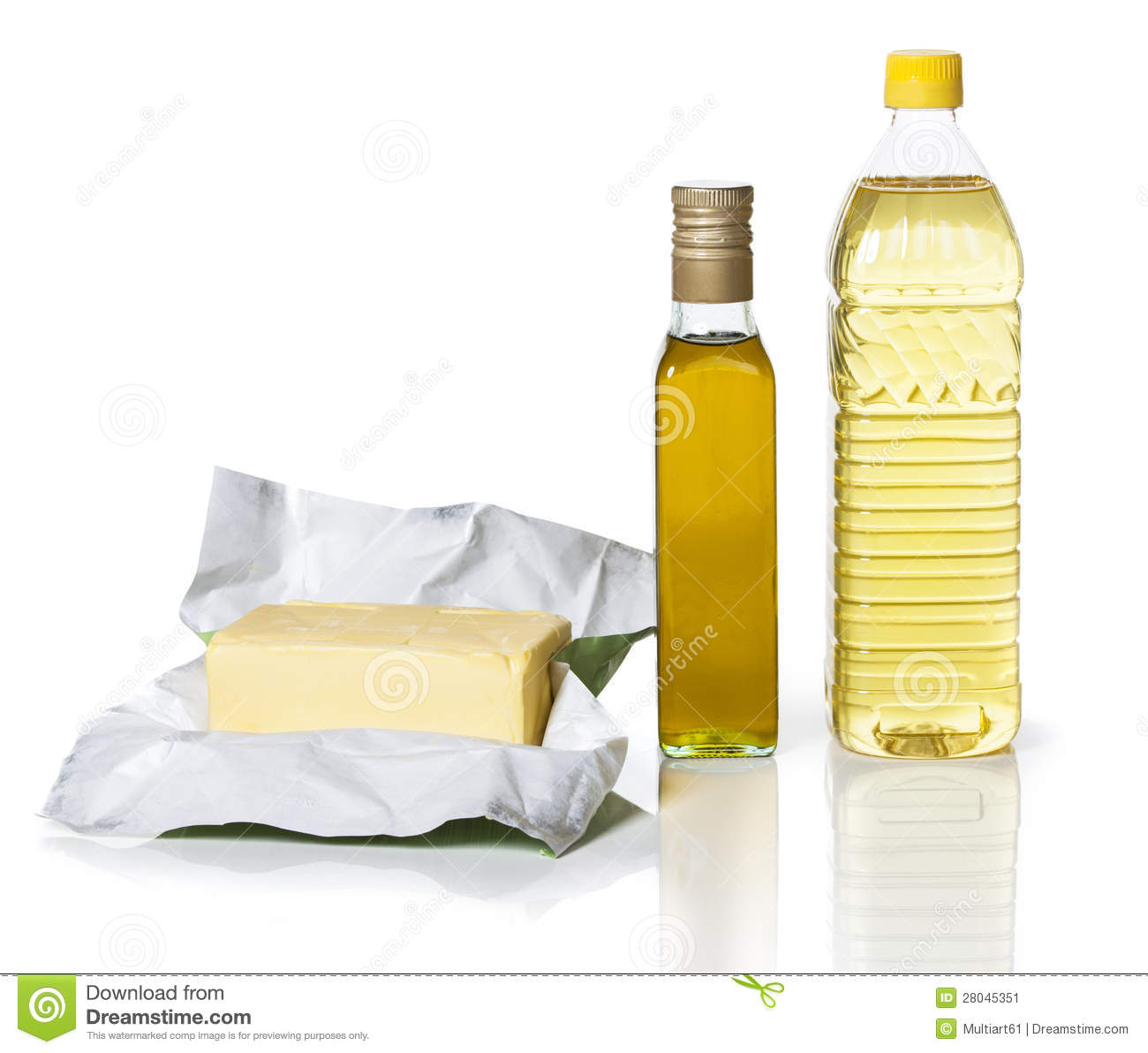
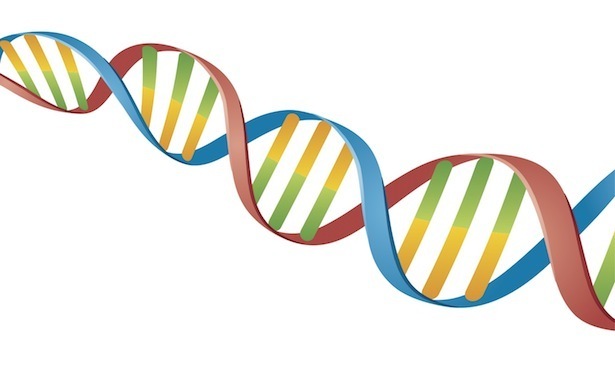
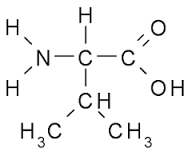
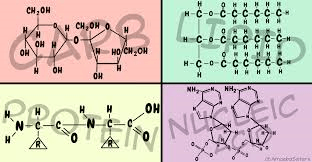
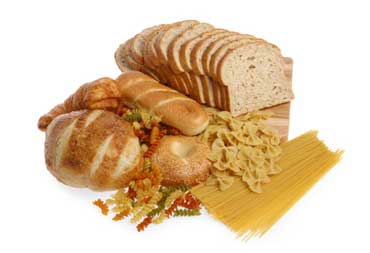
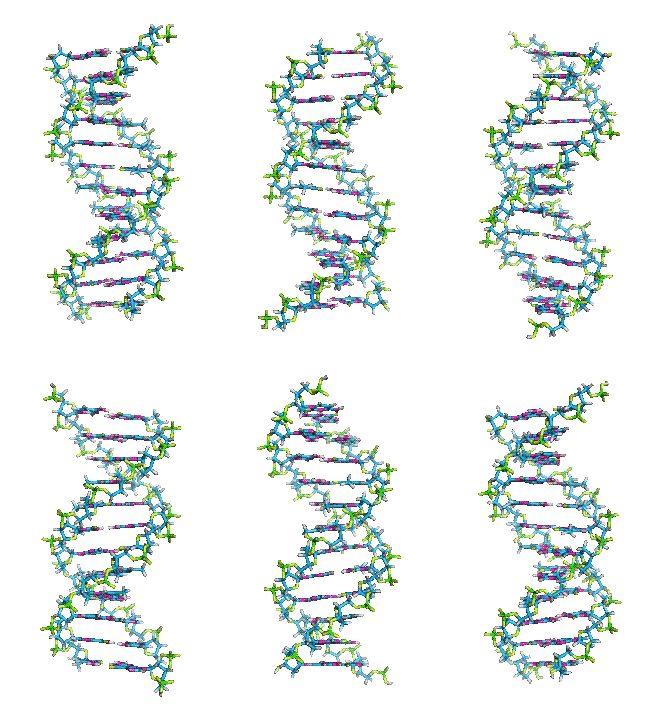
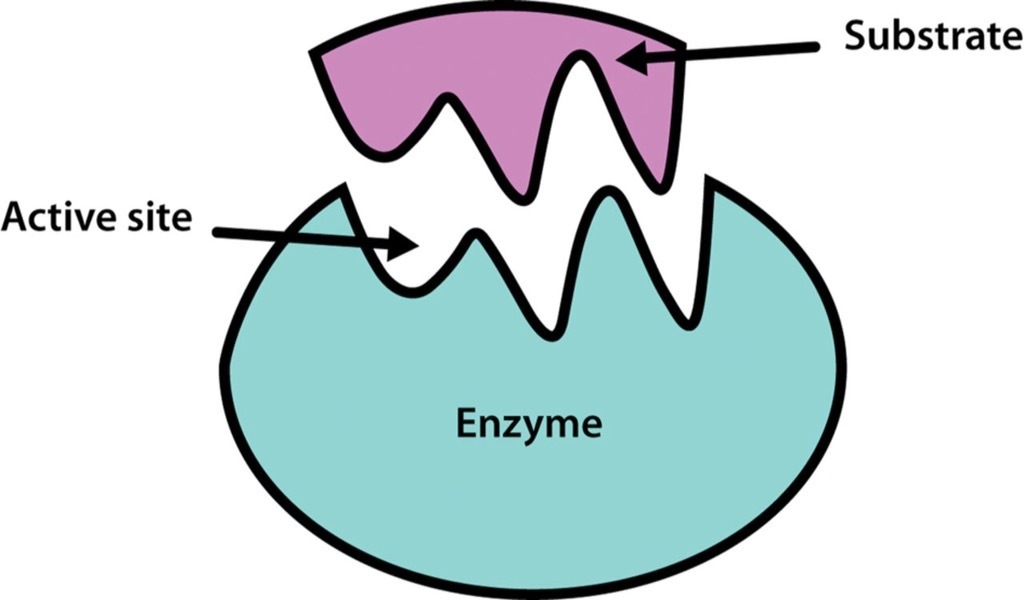
What type of macromolecule is being represented in this image? 
a)
carbohydrate
b)
lipid
c)
protein
d)
nucleic acid
101.
Which macromolecule stores energy, insulates us, and makes up the cell membrane?
a)
lipids
b)
proteins
c)
carbohydrates
d)
nucleic acids
102.
Which group of biomolecules provide quick energy to organisms?
a)
proteins
b)
carbohydrates
c)
lipids
d)
nucleic acids
103.
Enzymes are..
a)
nucleic acids 
b)
carbohydrates 
c)
lipids 
d)
proteins 
104.
How many sugar units make up polysaccharides?
a)
one
b)
two
c)
more than two
d)
zero
105.
What are the four macromolecules?
a)
Lipids, Carbon, Hydrogen, Protein
b)
Lipids, Proteins, Carbohydrates, Nucleic Acids
c)
Lipids, Proteins, Nucleus, Carbon
d)
Proteins, Monomers, Lipids, Carbon Dioxide
106.
Nucleic Acids contain which elements?
a)
Hydrogen, Oxygen, Carbon, Nitrogen and Phosphorous
b)
Hydrogen, Oxygen and Carbon
c)
Hydrogen, Carbon and Nitrogen
d)
Hydrogen, Oxygen, Carbon and Nitrogen
107.
Which macromolecule is the only one that contains the element phosphorous?
a)
Lipid
b)
Protein
c)
Carbohydrate
d)
Nucleic Acid
108.

Which Macromolecule(s) contain the elements Carbon, Hydrogen and Oxygen?

a)

Carbohydrates & Proteins

b)

Carbohydrates & Nucleic Acids

c)

Carbohydrates & Lipids

d)

Just Carbohydrates

109.
Proteins are made of monomers called ___________
a)
Nucleotides
b)
Monosaccharides
c)
Amino Acids
d)
Glycerol and fatty acids
110.
DNA and RNA are examples of 
a)
Carbohydrates
b)
Lipids
c)
Proteins
d)
Nucleic Acids
111.
Nucleotides are monomers of
a)
Carbohydrates
b)
Lipids
c)
Proteins
d)
Nucleic Acids
112.
Monosaccharides are monomers of
a)
Carbohydrates
b)
Lipids
c)
Proteins
d)
Nucleic Acids
113.
Waxes, oils and fats are examples of
a)
Carbohydrates
b)
Lipids
c)
Proteins
d)
Nucleic Acids
114.
What is the function of nucleic acids?
a)
store genetic information
b)
store energy (long-term)
c)
store energy (short-term)
d)
build skin, hair, nails, muscles
115.
Which of the following organic compounds is the main source of energy for living things?
a)
carbohydrates
b)
lipids
c)
nucleic acids
d)
proteins
116.
Which macromolecule stores energy, insulates us, and makes up the cell membrane?
a)
lipids
b)
proteins
c)
carbohydrates
d)
nucleic acids
117.
What are the monomers of DNA?
a)
glycerols
b)
amino acids
c)
fatty acids
d)
nucleotides
118.
Lipids can be digested into what smaller subunits?
a)
nucleic acids
b)
amino acids
c)
fatty acids
d)
glucose
119.
All polymers are made up of...
a)
monosaccharides
b)
monomers
c)
proteins
d)
None of these
120.
All organic compounds contain the element
a)
carbon
b)
nitrogen
c)
phosphorus
d)
sulfur
121.

Enzymes belong to which class of macromolecules?

a)

lipids

b)

carbohydrates

c)

proteins

d)

nucleic acids

122.

DNA belongs to which class of macromolecules?

a)

proteins

b)

nucleic acids

c)

carbohydrates

d)

lipids

123.

Sugar belongs to which class of macromolecules?

a)

proteins

b)

lipids

c)

nucleic acids

d)

carbohydrates

124.

A cell membrane is made primarily of what macromolecule?

a)

Carbohydrates

b)

Proteins

c)

Lipids

d)

Nucleic Acids

125.

hydrophobic

a)

joining monomers

b)

breaking down polymers

c)

water loving

d)

water fearing

126.

hydrophilic

a)

joining monomers

b)

breaking down polymers

c)

water loving

d)

water fearing

127.

Select the option that is NOT a function of proteins

a)

store and transmit heredity

b)

help to fight disease

c)

control the rate of reactions and regulate cell processes

d)

used to form bones and muscles

128.

Monosaccharides are the monomer of which polymer?

a)

Carbohydrates

b)

Lipids

c)

Nucleic Acids

d)

Proteins

129.

Amino Acids are the monomer of which polymer?

a)

Carbohydrates

b)

Lipids

c)

Nucleic Acids

d)

Proteins

130.

Glycerol and fatty acids are the monomer of which polymer?

a)

Carbohydrates

b)

Lipids

c)

Nucleic Acids

d)

Proteins

131.

Nucleotides are the monomer of which polymer?

a)

Carbohydrates

b)

Lipids

c)

Nucleic Acids

d)

Proteins

132.

Which element must be found in all organic molecules?

a)

Carbon

b)

Calcium

c)

Oxygen

d)

Nitrogen

133.

What is the monomer of a carbohydrate?

a)

Amino Acid

b)

Fatty Acid

c)

Monosaccharide

d)

Nucleotide

134.

What is the monomer of a lipid?

a)

Amino Acid

b)

Fatty Acid

c)

Monosaccharide

d)

Nucleotide

135.

What is the monomer of a nucleic acid?

a)

Amino Acid

b)

Fatty Acid

c)

Monosaccharide

d)

Nucleotide

136.

What is the monomer of a protein?

a)

Amino Acid

b)

Fatty Acid

c)

Monosaccharide

d)

Nucleotide

137.

Which macromolecule stores energy for organisms for long-term use?

a)

Carbohydrates

b)

Lipids

c)

Nucleic Acids

d)

Proteins

138.

Which macromolecule stores helps to build tissues and controls cellular reactions?

a)

Carbohydrates

b)

Lipids

c)

Nucleic Acids

d)

Proteins

139.

Which macromolecule provides quick energy for cells to carry out cellular functions?

a)

Carbohydrates

b)

Lipids

c)

Nucleic Acids

d)

Proteins

140.

RNA and DNA are examples of which macromolecule?

a)

Carbohydrates

b)

Lipids

c)

Nucleic Acids

d)

Proteins

141.

Sucrose and cellulose are examples of which macromolecule?

a)

Carbohydrates

b)

Lipids

c)

Nucleic Acids

d)

Proteins

142.

Cell membranes are composed mainly of which macromolecule?

a)

Carbohydrates

b)

Lipids

c)

Nucleic Acids

d)

Proteins

143.

Fruits and grains provide a good source of which macromolecule in our diets?

a)

Carbohydrates

b)

Lipids

c)

Nucleic Acids

d)

Proteins

144.

Meat and nuts provide a good source of which macromolecule in our diets?

a)

Carbohydrates

b)

Lipids

c)

Nucleic Acids

d)

Proteins

145.

Plant oils provide a good source of which macromolecule in our diets?

a)

Carbohydrates

b)

Lipids

c)

Nucleic Acids

d)

Proteins