
 Worksheets
Unit 4: Human Impact on the Environment
Total questions: 145
Worksheet time: 1hrs 26mins
True or False:
Deforestation can lead to loss of animal habitats.
(a)
True or False:
Deforestation can lead to soil erosion.
(a)
Deforestation can lead to increases in Earth's average surface temperature.
True or False
(a)
Which of the following does NOT help to make acid precipitation?
car exhaust
sulfur and nitrogen gas
water and oxygen in the atmosphere
a decrease in the pH of a lake
Which best describes something that would decrease the amount of carbon dioxide in the atmosphere?
Planting more trees to increase the size of a National Forest and reducing deforestation
Which does NOT describe acid precipitation?
It can form when moisture combines with sulfur dioxide from power plants.
It increases when air pollution levels are low.
It can be rain or snow.
True or False
Spraying with water to clear leaves off a porch is a good way to conserve water.
(a)
Which describes an effect of laws like the US Clean Water Act and the Safe Water Drinking Act?
They are a step toward reducing water pollution.
The Great Pacific Garbage Patch is a large area of floating trash in the Pacific Ocean that is caused, in part, by ocean currents. Which is a step people can take to minimize its effect on Earth's water?
Design new and better ways to recycle.
Which of the following causes air pollution?
volcanic eruptions
forest fires
burning fossil fuels
all of these
Decreasing the use of fossil fuels like coal and oil will decrease all of the forms of air pollution except:
CFC's
Particulate Matter
Photochemical smog is caused when nitrogen and carbon react in sunlight. Which describes a way humans can decrease the amount of photochemical smog?
Using sources of energy other than fossil fuels
Plants need light from the sun in order to go through photosynthesis. Which type of air pollution would most likely decrease the amount of sunlight a plant can absorb?
acid precipitation
Particulate matter
CFC's
What is given off when gas, oil and coal are burned?
True or False:
The rise in Earth's average surface temperature during the past 10 years is often called global warming.
(a)
Which of the following is a way a 13 year old in America can help control greenhouse gases?
all of these
planting trees
recycling
conserve electricity
Which describes a recyclable object?
It is an example of a positive impact people can have on the environment.
All of these describe recyclable objects.
It is suitable to be processed and used again.
It is a way of helping to fix the problems humans have caused in Earth's environment.
True or False:
Human activities have both negative and positive impacts on the environment.
(a)
Petroleum is a fossil fuel used to make plastic. Which idea would best reduce the environmental impact of plastics and fossil fuels at the same time?
Convert plastic bags into fuel for cars, trucks and planes

Part of the environment that supplies material useful or necessary for the survival of living things.
natural resources
conservation
global warming
coral bleaching

The removal of large areas of forests for human purposes.
pollution
aquifer
deforestation
climate

The development of towns and cities on previously natural areas.
Air pollution
Recalamation
Urbanization
Greenhouse

The contamination of the environment with substances that are harmful to life.
coral bleaching
pollution
aquifer
climate change

The careful use of Earth's materials to reduce damage to the environment.
conservation
confirmation
smog
precipitation

Process of planting trees to replace trees that have been cut or burned down.
reclamation
reforestation
urbanization
deforestation

A process in which mined land is restored with soil and replanted with vegetation.
air pollution
climate change
reforestation
reclamation

An area of permeable sediment or rock that holds significant amounts of water.
Greenhouse Effect
Global Warming
Aquifer
Water

The contamination of air by harmful substances including gases and smoke.
Smoke
Air Pollution
Particulate Matter
Aquifer
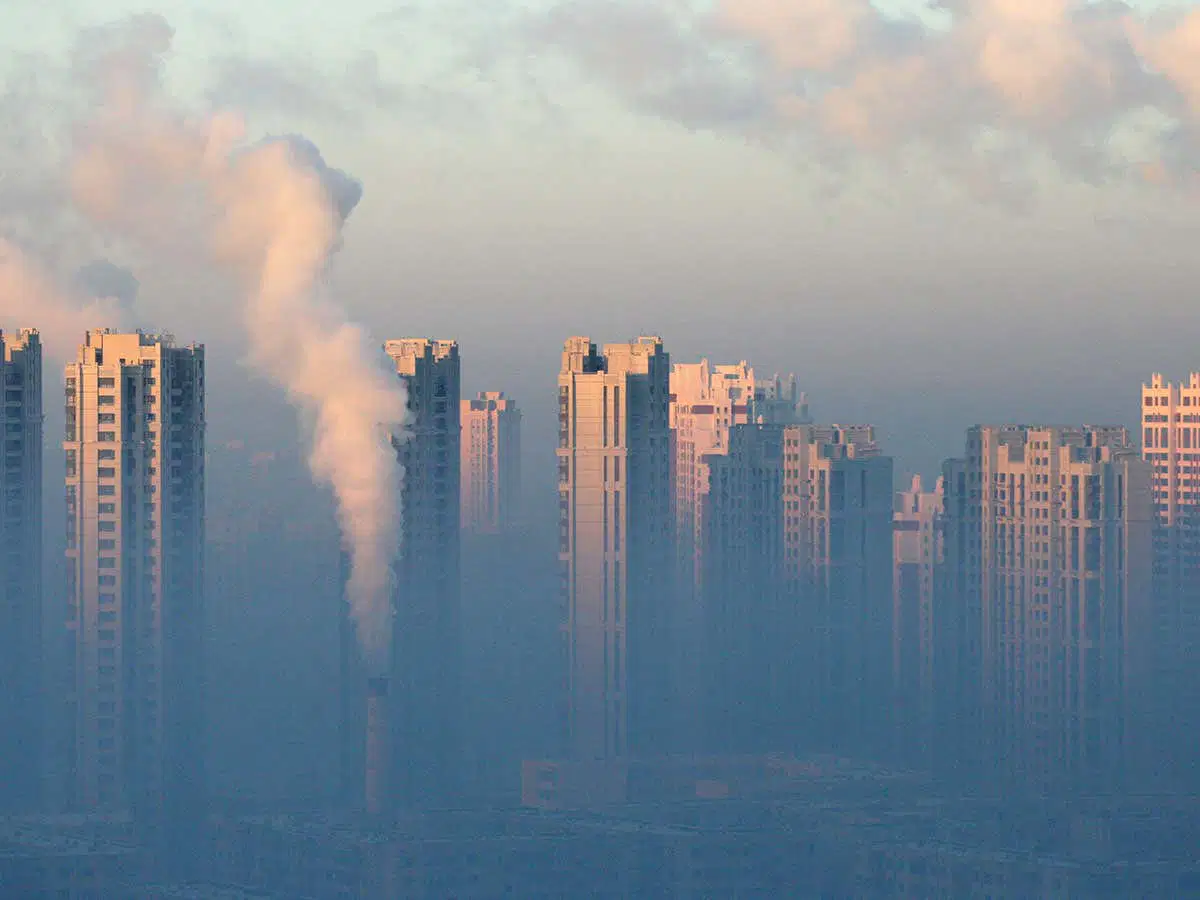
Air pollution that forms from the interaction between chemicals in the air and sunlight.
Air Pollution
Particulate Matter
Urbanization
Photochemical Smog

The mix of both solid and liquid particles in the air.
Acid Precipitation
Photochemical Smog
Particulate Matter
Pollution

Precipitation that has a lower pH than that of normal rainwater.
Basic Precipitation
Salty Precipitation
Aric Precipitation
Acid Precipitation

Any change in Earth's climate, including global trends in warming, cooling, precipitation, wind directions, and other related measures.
climate change
climate
weather
weather patterns
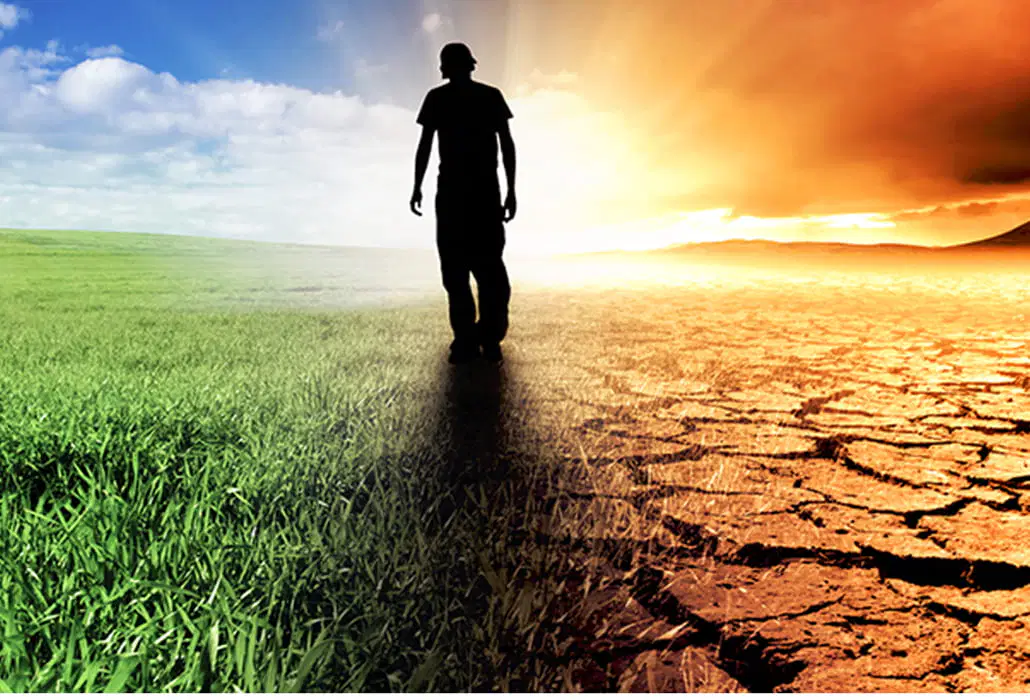
Any change in Earth's climate, including global trends in warming, cooling, precipitation, wind directions, and other related measures.
climate
climate change
weather
weather patterns
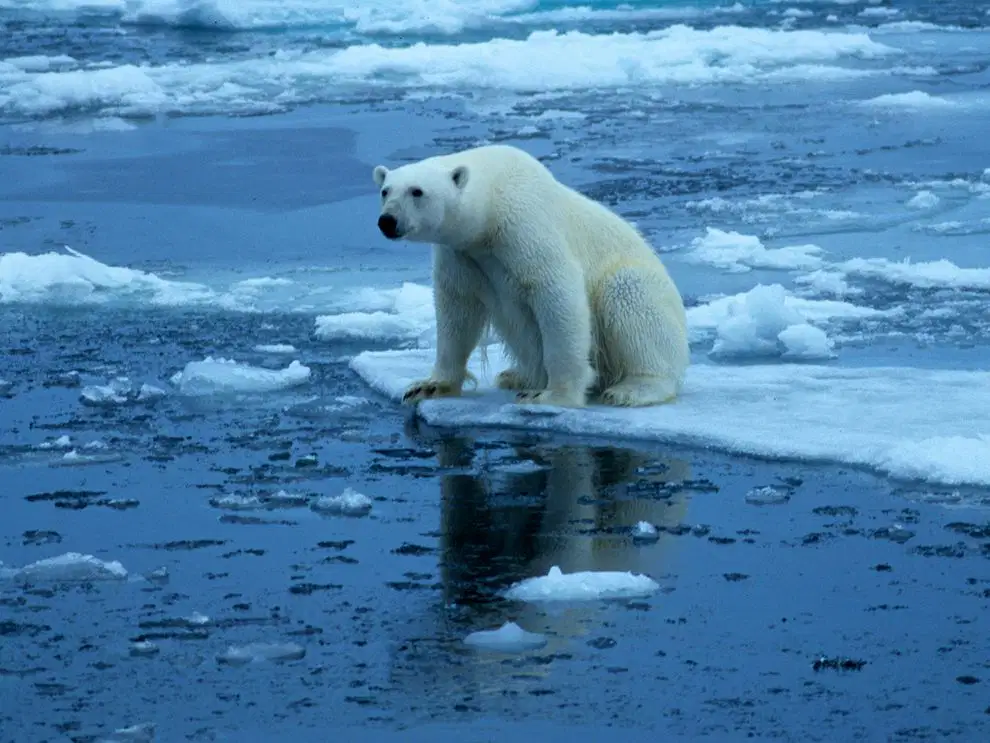
An increase in the average temperature of Earth's surface.
Greenhouse gases
greenhouse effect
coral bleaching
global warming

A gas in the atmosphere that absorbs Earth's outgoing infrared radiation.
Greenhouse Gases
Greenhouse Effect
Coral Bleaching
Climate Change

The natural process that occurs when certain gases in the atmosphere absorb and reradiate thermal energy from the Sun.
greenhouse gases
greenhouse effect
climate change
climate

The loss of color in corals that occurs when stressed corals expel the colorful algae that live in them.
coral stress
coral gases
coral reef
coral bleaching
the mix of both solid and liquid particles in the air
particulate matter
greenhouse effect
air pollution
the cutting of large areas of forests for human activities
deforestation
reforestation
aquifer
the long-term average weather conditions that occur in a particular region
climate
global warming
coral bleaching
the loss of color in corals that occurs when stressed corals expel the algae that live in them
coral bleaching
greenhouse effect
global warming
the contamination of the environment with substances that are harmful to life
aquifer
pollution
deforestation
the natural process that occurs when certain gases in the atmosphere absorb and reradiate thermal energy from the Sun
greenhouse effect
pollution
photochemical smog
planting new trees to replace ones that have been cut
deforestation
reforestation
conservation
the contamination of air by harmful substances including gases and smoke
deforestation
urbanization
air pollution
caused when nitrogen and carbon compounds in the air react in sunlight
greenhouse effect
photochemical smog
pollution
an area of permeable sediment or rock that holds significant amounts of water
deforestation
conservation
aquifer
the careful use of Earth's materials to reduce damage to the environment
urbanization
reforestation
conservation
something found in nature that is useful to living things
climate change
natural resource
pollution
rain or snow that has a lower pH than that of normal rainwater
pollution
acid precipitation
reforestation
the rise in Earth's average surface temperature
global warming
climate change
coral bleaching
the development of land for houses and other buildings near a city
urbanization
reclamation
conservation
the process of restoring land disturbed by mining
reclamation
conservation
urbanization
gases in the atmosphere that absorb Earth's outgoing infrared radiation
greenhouse effect
air pollution
greenhouse gases
global trends in warming, cooling, precipitation, wind directions, and other related measures
greenhouse effect
climate change
natural resource
The total amount of healthy ecosystems needed to both provide you with the resources for you to use and to absorb the wastes that you generate is called
ecological footprint
global warming
deforestation
habitat fragmentation
Destruction of forests for lumber, farming or other uses
deforestation
habitat fragmentation
invasive species
ozone layer
The destruction of the place an organism lives (usually due to human activities)
pollutant
smog
habitat loss
sustainable development
Any non-native species whose introduction causes, or is likely to cause, economic harm, environmental harm, or harm to human health.
ozone layer
invasive species
biological magnification
renewable resource
Any harmful material released into the biosphere.
sustainable development
pollutant
nonrenewable resources
smog
Upper atmosphere layer in which ozone gas is relatively concentrated; protects life on Earth from harmful ultraviolet rays in sunlight.
ozone layer
biological magnification
renewable resource
resilience
Strategy for using natural resources without depleting them and for providing human needs without causing long-term environmental harm
nonrenewable resources
ecological footprint
global warming
sustainable development
Resource that can be produced or replaced as easily as it is used
renewable resource
nonrenewable resource
resilience
restitution
Resource that cannot be replaced by natural processes within a reasonable amount of time
renewable resource
nonrenewable resource
resilience
restitution
Making new fuels from corn, grasses, and other organic material
fossil fuels
biomass
renewable resources
nuclear energy
A community is concerned about the water quality of a nearby lake. Increased sedimentation in the lake is endangering the native habitat. The increased sedimentation is most likely caused by which of the following?
Trees planted along the shore of the lake
Construction of homes along the lake
the amount of sunlight on the lake
the amount of fish in the lake
When fertilizers run off farmland into streams and ponds, the nitrogen content of the water increases. This can lead to rapid growth of algae in a process called eutrophication. How can this process affect other organisms in the water?
Oxygen is used up as algae is decomposed, reducing the amount available to other organisms.
The water becomes better able to support aerobic organisms.
The algae provide food for fishes and other organisms, leading to decreased algae populations.
The extra nitrogen provides additional food for the other organisms, increasing their population.

This diagram shows the carbon cycle. If many trees are removed from a forest by logging, what is the most immediate effect on the carbon cycle in that forest?
Increase in the rates of decomposition
Increase in the rates of atmospheric carbon dioxide
Decreased combustion of fossil fuel
Increase production of organic compounds
Problem caused by increased levels of CFC's in the atmosphere; living things are exposed to more UV radiation.
global warming
thermal pollution
greenhouse effect
ozone depletion
Which of the following issues is the cause of the other environmental impacts caused by humans?
pollution
human population growth
climate change
habitat destruction
Occurs when nitrogen and sulfur-containing compounds from burning fossil fuels combine with water in the atmosphere
global warming
ozone depletion
acid rain
thermal pollution
Which is these is a finite resource?
solar energy
wind energy
trees
fossil fuels
Which of these ecological problems is NOT caused by burning fossil fuels?
global warming
ozone depletion
climate change
acid rain
Which of these is NOT a method of energy conservation?
taking public transportation to work (bus, subway)
riding your bike to work
walking to work
driving alone in your car to work
Human impact on the environment is often more dramatic than the impact of most other living things because humans have a greater...
need for water
need for food
ability to alter the environment
ability to adapt to change
the mass of air that surrounds the Earth.
Atmosphere
Biosphere
Hydrosphere
Geosphere
the part of the Earth where life can exist.
Atmosphere
Biosphere
Hydrosphere
Geosphere
the rocks, minerals and landforms of the Earth.
Atmosphere
Biosphere
Hydrosphere
Geosphere
all the waters on and above Earth’s surface.
Atmosphere
Biosphere
Hydrosphere
Geosphere
the protection of animals, plants, and natural resources.
conservation
recycle
reuse
upcycle
to make something new from the broken down parts of something that has been used before.
conservation
recycle
reuse
upcycle
to use something again for its same purpose.
conservation
recycle
reuse
upcycle
the process of converting old or discarded materials into something useful and often beautiful.
conservation
recycle
reuse
upcycle
using a resource is ways that maintain it at a certain quality or quantity for a certain period of time.
sustainable
pollution
overpopulation
deforestation
contamination of Earth’s land, water, or air through the release of harmful substances into the environment.
sustainable
pollution
overpopulation
deforestation
a condition in which the number of humans grows beyond what the available resources can support.
sustainable
pollution
overpopulation
deforestation
the act or result of cutting down or burning all the trees in an area to use the land for other reasons.
sustainable
pollution
overpopulation
deforestation
anything naturally occurring in the environment that humans use.
Natural Resource
Nonrenewable Resource
Renewable Resource
a natural resource that is not replaced in a useful time frame.
Natural Resource
Nonrenewable Resource
Renewable Resource
a resource that is either always available or is naturally replaced in a relatively short amount of time.
Natural Resource
Nonrenewable Resource
Renewable Resource
What happens if humans use a large amount of a resource, such as oil, in a relatively short period of time?
The Earth produces more of the resource very rapidly.
Humans produce more of the resource very rapidly.
The resource can become scarce or disappear altogether.
Nothing happens because all resources are in infinite supply.
Which statement best summarizes the sources or disappear altogether?
Scientists monitor most plants and animals to ensure healthy populatioins.
Scientists monitor only plants and animals but not water and air.
Scientists monitor only plants and animals but not water and air.
Scientists monitor many renewable and nonrenewable resources.
Which of the following best describes why scientists are exploring the use of oher types of renewable energy sources along with solar energy?
The collection of solar energy is limited to daylight hours.
Solar energy can be transformed only into electrical energy.
The collection of solar energy requires constant monitoring.
Solar energy is less popular than other types of energy.
Which of these are energy sources consumed by humans and are considered a nonrenewable resource?
fossil fuels
hydroelectricity
solar energy
wind power
Which of the following would be considered good evidence that the over-exploitation of resources in an environment harms organisms living in that environment?
When people cut down and log trees in a forest, many species of animals lose their habitats.
Mining a mountain top for coal results in cheaper electricity for consumers in urban areas.
Water levels in a reservoir go down and when water evaporates from the surface.
Large solar energy panels in the desert don't work well when they get covered in sand and dust.
If resources are renewable, like water and soil, polluting them____.
is not harmful because they will rapidly renew themselves
is not harmful because humans can fix any problems quickly
is harmful because it hurts humans
is harmful because it hurts all organisms
Identify which is not a cause of species endangerment.
habitat destruction
hunting
reforestation
pollution
What device would change electricity into both heat and light?
electric motor
loudspeaker
calculator
light bulb
What is the primary energy source for all renewable and non-renewable energy resources?
gravity
the sun
the Earth
the atom
Which of the following is a disadvantage of nonrenewable energy resources?
Resources such as geothermal or hydroelectric are not available at all locations.
Resources such as biofuels, even though they are replaceable, still produce pollution.
Resources such as natural gas are finite in their availability and are not replaced for millions of years.
Resources such as wind power or solar are not available at all times and require other resources as backup.
Residents of a town are concerned about water pollution in a nearby river. Which of these actions would likely have the most positive impact on the river?
planting more trees along streets in the town
installing solar panels on buildings in the town
increasing public transportation options in the town
spraying fewer chemicals on crops grown in the town
Smog is best described as which kind of pollution.
air pollution
land pollution
noise pollution
water pollution
Which of these actions can best replenish natural materials?
refining trees into paper
the slow breakdown of once-living organisms
planting trees every year after an area is logged
using technology to extract natural gas with minimal pollution
A major advantage of using renewable natural resources rather than nonrenewable natural resources is that renewable resources
they produce pollution.
do not have to be conserved.
are replenished more quickly.
can be used to generate electricity.
Which of the following is considered a nonrenewable energy resource?
wind
sunlight
oil
geothermal
Which of the following is NOT a renewable energy resource?
geothermal
wind
coal
solar
Renewable energy resources are resources that:
can be used only once
get used. up then are gone.
can be naturally replaced.
produce free energy
What phrase correctly describes energy being changed from one form into another?
energy transformation
power conservation
conservation of momentum
law of gravity
Energy from the wind is used to turn windmills. These windmills then spin a generator and produce electricity. Which statement would NOT support the claim that wind energy is considered a clean,renewable resource?
Wind energy is produced naturally.
Wind energy is used without giving off greenhouse gases.
There is an abundant supply of wind energy available for use.
There are only certain places that are suitable for collecting wind energy.
What do hydroelectric, wind and sunlight resources have in common?
They are all based on fossil fuels.
They are al traditional sources of energy.
They are all renewable.
They are all nonrenewable.
Which negative human environmental influence is matched to the positive influence that has helped correct it?
Overhunting -- pollution controls
Disposal problems -- species preservation
Importation of organisms -- energy conservation
pesticide use -- biological control of insects
One advantage of biodiversity in an ecosystem is that it...
guarantees that the largest organisms will dominate the area
ensures a large amount of identical genetic material
develops relationships between organisms that are always positive over long periods of time
increases the chance that some organisms will survive a major change in the environment
Scientists claim that increased demand for almonds would have a negative environmental impact on California. Which observation, if any, would support this claim?
The almonds are exported to other states and countries and profits increase for California's almond industry.
The increased demand for almonds increases the freshwater consumption in California.
The additional CO₂ produced by the almond trees is released into the atmosphere.
The additional consumption of sunlight by the almond trees reduces the amount of energy input on the solar panels and therefore the amount of energy available to Californians.
Which human activity is correctly paired with its likely future consequence?
Overfishing in the Atlantic -- increase in supply of flounder and salmon as food for people
development of electric cars or hybrid vehicles -- increased rate of global warming
use of fossil fuels -- depletion of underground coal, oil, and natural gas supplies
genetically engineering animals -- less food available to feed the world's population

What is the best explanation for the rise in atmospheric CO2 levels since the 1800's?
natural fluctuations of the climate
eruptions of large volcanoes
increased use of fossil fuels by humans
photosynthesis by algae
Several factors can lead to soil erosion. Which of these human activities is most likely to contribute to soil erosion?
Clearing land for farming
Planting trees and vegetation
Preserving land as a wildlife habitat
Reducing the amount of livestock in an area
Air pollution is caused by many different activities. Air pollution can affect human health and the health of other living things. Which of these choices gives the best description of air pollution?
The circulation of pollutants in enclosed spaces
The long-term health issues related to the quality of the air
The contamination of the atmosphere by pollutants from human and natural sources
The pollution that results from global warming
How can ground pollutants affect the local fresh water supply?
The chemicals evaporate underground and come back in the rain water, filling lakes and rivers with toxic chemicals.
Erosion of soil causes those chemicals to leak into the ground water supply and end up in lakes and rivers
The chemicals absorb down their concentration gradient and eventually move to lakes and rivers
When plants are harvested the soil and excess plant parts are dumped into the water supply
Which of the following would be most effective method to slow down destruction of certain species of birds and small mammals from over hunting?
increase the demand for meat and pelts from these animals
Prevent nature documentaries from being made about these animals
Decrease the size of their habitat.
Regulate the number of animals that can be hunted in a certain area at certain times
Which human activity has the potential to greatly affect the equilibrium of an ecosystem?
cutting down a few small evergreen trees and using them to make holiday decorations
mowing the playing fi elds in a city park
washing a car with a detergent-based cleaner
emptying an aquarium containing many nonnative fi sh of several species into a local lake
An increased demand for soybeans has led to an increase in converting native forests and grasslands to fi elds for growing soybeans. One negative consequence of this environmental change has been
an increase in natural resources for the future
an increase in the kinds of foods that can be produced
a decrease in suitable habitats for wildlife
a decrease in the need to set aside land for conservation
Building large manufacturing facilities can affect ecosystems by increasing the
atmospheric quality
biodiversity in the area
demand for resources such as fossil fuels
availability of space and resources for organisms
The use of solar panels has increased in the last ten years. A benefit of using solar energy would include
adding more carbon dioxide to the atmosphere
using less fossil fuel to meet energy needs
using a nonrenewable source of energy
releasing more gases for photosynthesis
The governments of many countries have regulations that are designed to prevent the accidental introduction of nonnative insects into their countries. This is because, in these new habitats, the nonnative insects might
become food for birds
not survive a cold winter
not have natural predators
add to the biodiversity
Which action could humans take to slow the rate of global warming?
Cut down trees for more effi cient land use.
Increase the consumption of petroleum products.
Use alternate sources of energy such as wind.
Reduce the use of fuel-effi cient automobiles.
Which human activity can have a negative impact on the stability of a mature ecosystem?
replanting trees in areas where forests have been cut down for lumber
building dams to control the flow of water in rivers, in order to produce electricity
preserving natural wetlands, such as swamps, to reduce fl ooding after heavy rainfalls
passing laws that limit the dumping of pollutants in forests
Some birds have recently modified their migratory behavior. Instead of flying to warmer climates during the winter months, the birds are remaining in northern areas where they can consume discarded food that is abundant in landfills. As a result of this change in migratory behavior, many insect populations that the birds normally feed on in the warmer climate areas are now increasing. This is an example of human activity
interfering with ecological succession
increasing competition for infi nite resources
disrupting the homeostasis of organisms
altering the equilibrium of ecosystems

Which row in the chart below correctly matches the human activity with its effect?
Row 1
Row 2
Row 3
Row 4
An increase in human population puts a stress on resources that can be renewed, such as
trees and coal
water and gasoline
oil and natural gas
water and trees
Global warming is most closely associated with
increased use of solar panels
increased industrialization
reducing the rate of species extinction
removal of environmental wastes
Humans deplete the most resources when
using wind energy as a power source
generating power by using fossil fuels
using water power to generate electricity
recycling glass and plastics
When deciding on new environmental policies and laws, which term is used to describe the comparison between benefits and costs of human activities?
technology
trade-off
climate change
industrialization
Two new wind turbines have recently been built within the Eiffel Tower in Paris. The power that these turbines generate will be enough to power the entire first floor of the tower, including the restaurants, shops, and exhibits. A benefit of using wind power as an alternative source of energy is that it
is nonrenewable, so additional resources will be depleted by tower businesses
is renewable, so it will decrease the environmental impact of the tower businesses
increases the use of resources that cannot be renewed in the future
decreases the amount of fossil fuels available for future generations
More than 100 years ago, Earth’s atmosphere contained about 280 parts per million (ppm) of carbon dioxide. It is predicted that by the year 2050, the level of carbon dioxide in the atmosphere could reach 700 ppm, greatly increasing Earth’s temperature. It has been suggested that growing more green plants would help to slow this increase. The best explanation for why increased numbers of plants would help is that plants
serve as food for herbivores
serve as a nonrenewable energy resource
remove carbon dioxide from the atmosphere during respiration
remove carbon dioxide from the atmosphere during photosynthesis
Which human activity most directly causes a signifi cant increase in the amount of carbon dioxide in the atmosphere?
growing corn for food
not using products containing plastics
driving cars long distances
planting large numbers of trees
Nuclear power plants, which produce electrical energy, use large quantities of water for cooling. Often, small fish, larvae, and fish eggs are sucked in along with the cooling water and destroyed. This example illustrates how
industrialization can have positive and negative effects
removal of these organisms has no effect on an ecosystem
direct harvesting increases the natural fi sh population
energy is generated without producing wastes
Although we rely on coal, oil, and natural gas to produce energy, some environmental scientists have proposed that we use less fossil fuel. One reason to support this proposal is to
enable us to preserve rain forests in tropical areas
help us to reduce the production of carbon dioxide gas
allow us to decrease the use of fertilizers on crops
encourage us to end research on wind and water power sources

Which row in the chart below represents the most likely changes in the atmosphere due to widespread deforestation?
Row 1
Row 2
Row 3
Row 4
Rabbits are not native to Australia. They were imported by European settlers. In 1936, the myxoma virus was introduced into Australia as a means of biological control to infect and reduce the rabbit population. This method of controlling the rabbit population was an attempt to
stop the overpopulation of a native species
stop the overproduction of an introduced species
limit the food sources of the rabbit
limit the number of rabbits brought into the country

