
 Worksheets
4th Quarter
Total questions: 150
Worksheet time: 1hrs 17mins
The Philippines is located at a specific latitude and longitude. If a ship is sailing towards the Philippines from the equator, what direction should it go?
North
South
East
West
Which of the following is true about Tropic of Cancer?
Tropic of Cancer is located at 23.5 degrees, south.
Tropic of Cancer is located at 23.5 degrees, east.
Tropic of Cancer is located at 23.5 degrees, north.
Tropic of Cancer is located at 23.5 degrees, west.
Which line divides the Earth horizontally?
equator
meridian
longitudes
latitudes
Which measures distance, East and West of the prime meridian?
longitude
equator
latitude
meridian
Which of the following is true about Tropic of Capricorn?
Tropic of Capricorn is located at 23.5 degrees, east.
Tropic of Capricorn is located at 23.5 degrees, west.
Tropic of Capricorn is located at 23.5 degrees, south.
Tropic of Capricorn is located at 23.5 degrees, north.
Which of the following is true about Arctic Circle?
Arctic Circle is located at 66.5 degrees, west.
Arctic Circle is located at 66.5 degrees, south.
Arctic Circle is located at 66.5 degrees, east.
Arctic Circle is located at 66.5 degrees, north.
All of the following statements are true about latitudes, EXCEPT?
It divides Earth horizontally.
It starts at the equator and divides Earth into concentric slices.
Latitude is given as an angle that ranges from -90 degrees at the south pole to 90 degrees at the north pole, with zero degree at the equator.
It has no corresponding names.
A tourist in the Philippines wants to know how far the country is from the equator. The coordinates of the Philippines are between 5°N and 21°N. How far is the Philippines from the equator at its southernmost point?
5 degrees north
5 degrees south
21 degrees north
21 degrees south
Which of the following is TRUE about International Date Line.
It is a horizontal line.
It runs north-south across the Pacific Ocean from the North pole to the South pole.
It is a vertical line.
All statements are true.
The _____ corresponds to 0 degree, the point of reference where all other horizontal lines are measured.
equator
meridian
international date line
latitidue
Greenwich meridian is also called (a) .
Longitudes are lines that divide Earth horizontally.
TRUE
FALSE
What is the location of the Arctic Circle?
23.5 degrees, north
66.5 degrees, north
23.5 degrees, south
66.5 degrees, south
The prime meridian divides the world into ______ and _____ .
east and west
north and south
north and west
south and east

Identify the RED line on the picture.
equator
latitude
longtitude
meridian
Movement of a heavenly body on its own axis is called
(a)
The globe is the representation of
(a)
You are on a boat traveling across the Pacific Ocean and you have just crossed the Prime Meridian at 0° longitude. You are heading towards the Philippines. What direction would you generally travel?
East
West
North
South
A group of geologists is studying the landforms surrounding the Philippines. They note that the Philippine Sea lies to the east of the country. What major ocean is this sea a part of?
Indian Ocean
Arctic Ocean
Atlantic Ocean
Pacific Ocean

Find the Tropic of Capricorn
above the equator
below of the equator
in the middle
A geologist is studying the volcanic activity in the Philippines and notes that it is part of a major geological zone known for frequent earthquakes and volcanoes. What is this zone called?
Great Rift Valley
Alpine-Himalayan Belt
San Andreas Fault Zone
Pacific Ring of Fire
A meteorologist is tracking a typhoon moving across the Pacific Ocean towards the Philippines. Which factor makes the Philippines particularly vulnerable to typhoons?
Its location in the Pacific Typhoon Belt
Its location on the equator
Its position in the Mediterranean zone
Its proximity to the Arctic Circle
A student is researching how the Typhoon Belt affects the agricultural economy of the Philippines. What is a key impact of typhoons on the country's crops and farming?
Typhoons bring beneficial rainfall for crops.
Typhoons frequently cause crop damage and soil erosion.
Typhoons help increase agricultural exports.
Typhoons have no impact on farming.
Tropic of Capricorn is located at __________.
66.5 degrees, south
23.5 degrees, south
66.5 degrees, north
23.5 degrees, north
You are sailing south from the Philippines toward Indonesia. Which body of water would you cross as you leave the Philippines?
South China Sea
Philippine Sea
Celebes Sea
Vietnam Sea
Philippines is consist of how many islands?
6471 Islands
7461 Islands
6414 Islands
7641 Islands
Philippines is an archipelago located in?
Southeast Asia
East Asia
Central Asia
Western Asia
Which bodies of water is located in the west of the Philippines?
South Pacific Ocean
|African Ocean
Indian Ocean
West Philippine Sea
Which bodies of water is located in the east of the Philippines?
Celebes Sea
Philippine Sea
Luzon Strait
Pacific Ocean
In which continent does the Philippines belong to?
Africa
Europe
Asia
South America
Which sea is in the western part of the Philippines and is renamed by the Philippine government as the West Philippine Sea?
South China Sea
Philippine Sea
Celebes Sea
Sulu Sea
What country is found on the northern part of the Philippines?
Malaysia
Taiwan
Thailand
Indonesia
What country is found on the western part of the Philippines?
Malaysia
China
Indonesia
Vietnam
__________ is an energy resource that WILL run out in the next several hundred years.
Renewable Energy
Solar Energy
Nonrenewable Energy
__________ is an energy resource that WILL NOT run out in the next several hundred years.
Fossil Fuel
Nonrenewable Energy
Renewable Energy

Solar Power is a __________ energy resource.
Renewable
Non renewable

Non-renewable or Renewable: Water
Renewable
Non renewable
Solar energy is energy from the....
Ocean
Air
Sun
Ground
Energy that uses heat that comes from within the Earth is called
Geophysical
Geography
Geothermal
Geographic

*What form of energy is this?
Geothermal
Hydroelectric
Solar energy


If we don’t manage our resources, we __________________________
run the risk of running low or out of both renewable and nonrenewable resources.
run the risk of running low or out of only renewable resources
run the risk of running low or out of only nonrenewable resources
What do you think will be the problem that will concern people when powerplant will run to produce electricity?
No income
not enough energy
It will be cheap
Ecological preservation
A farmer in the Philippines is looking for a new crop to plant that can thrive in the country’s fertile soil. Which of the following is a major natural resource the farmer should take advantage of?
Gold
Rich volcanic soil
Iron ore
Oil
The most abundant gas in the atmosphere.
A city is experiencing high levels of air pollution, with visible smog in the atmosphere. Which layer of Earth's atmosphere is closest to this pollution?
Troposphere
Stratosphere
Thermosphere
Mesosphere
78% of the Earth's atmosphere is ___________ and 21% of the Earth's atmosphere is _____________.
Oxygen, Nitrogen
Nitrogen, Oxygen
Nitrogen, Carbon Dioxide
Oxygen, Carbon Dioxide
What is the order of the layers of the atmosphere, starting with the layer closest to Earth's surface?
Stratosphere, Troposphere, Exosphere, Mesosphere, Thermosphere
Troposphere, Stratosphere, Mesosphere, Thermosphere, Exosphere
Troposphere, Stratosphere, Mesosphere, Exosphere, Thermosphere
Troposphere, Stratosphere, Thermosphere, Exosphere, Mesosphere
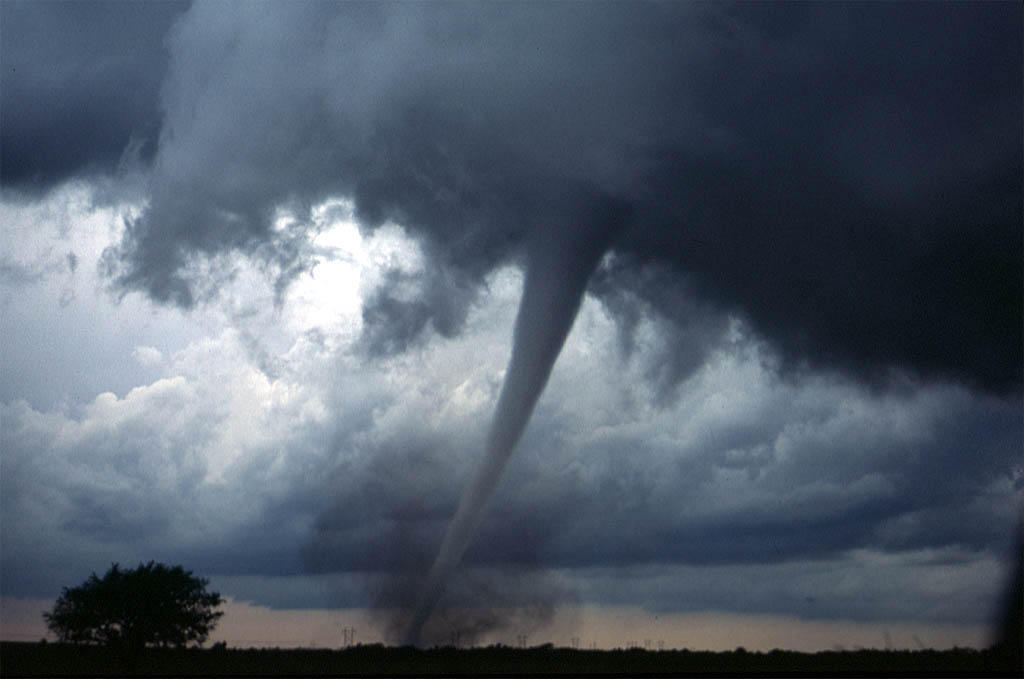
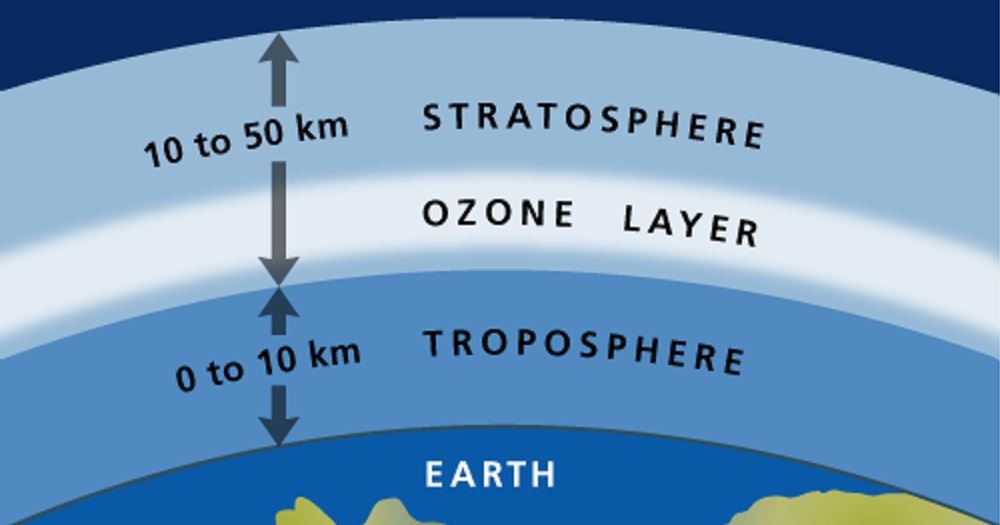
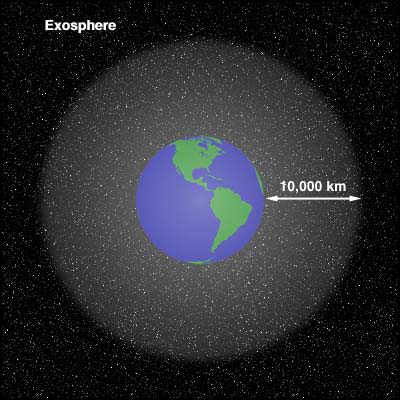
Meteors from the space burn in which layer?
Troposphere
Exosphere
Stratosphere
Mesosphere
What all can you find in troposphere? Select those options.
Clean air
Dust particles
Fog
ozone layer
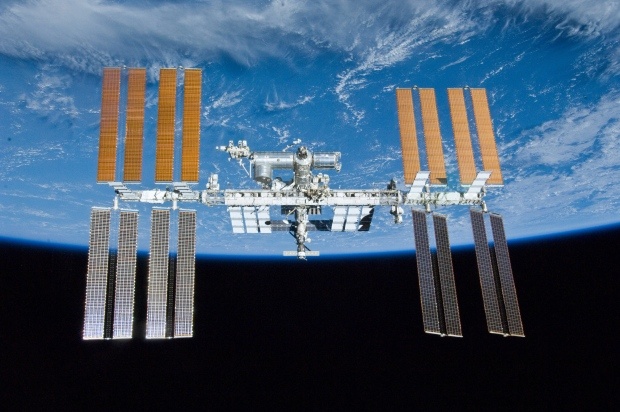
Satellites orbit in which layer?
Troposphere
Stratosphere
Thermosphere
Mesosphere
The ozone layer is a sublayer of the ________ layer.
Troposphere
Stratosphere
Exosphere
Mesosphere
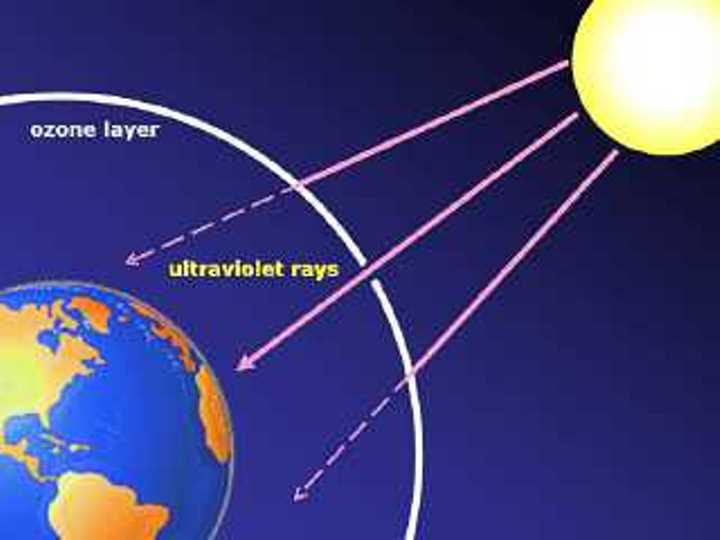
Why is the ozone layer vital to life on Earth?
Planes fly in the ozone layer
It is made up of oxygen (O2)
It shields the Earth from ultraviolet (UV) rays from the sun
It causes clouds to be created
A scientist is researching the Northern Lights (Aurora Borealis), which occur at high latitudes. In which atmospheric layer do these phenomena occur?
Troposphere
Stratosphere
Mesosphere
Thermosphere
A balloon is released into the atmosphere and rises higher and higher. At which point in the atmosphere will the air pressure be so low that the balloon will expand to its maximum size?
Troposphere
Stratosphere
Thermosphere
Mesosphere
Which explanation correctly describes the greenhouse effect?
The process of the atmosphere keeping the Earth's surface dense
The process of the atmosphere trapping the sun's radiation, and making the Earth warm and livable for humans
The process of the atmosphere keep us from floating into space
The process of the atmosphere reflecting all of the Sun's heat back into space

The cross section below represents the windward and leeward sides of a mountain. The arrows show the direction of air movement over the mountain. Point X and Y represent location on Earth’s surface. Which of the following statements is true?
The temperature in point X is cooler compared in point Y.
The temperature in point Y is cooler compared in point X.
The temperature of both X and Y are the same.
Both temperatures are decreasing.
Philippines is located in which hemisphere?
(a)

Using the map, Cebu Island is located west of Negros Island.
Exactly!
Nah
Hmmm, maybe?
Using the map, Guimaras is located south of Iloilo.
Exactly!
Nah
Hmmm, maybe?
Using the map, Camotes Sea is located north of Bohol.
Exactly!
Nah
Hmmm, maybe?
Using the map, Cebu Strait is located west of Bohol.
Exactly!
Nah
Hmmm, maybe?
Classify the following resources in the Philippines as renewable or nonrenewable.
Natural gas extracted from Malampaya in the Northwestern part of Palawan.
Renewable
Non-renewable
Classify the following resources in the Philippines as renewable or nonrenewable.
Energy generated from Tongonan Geothermal Power Plant in Leyte.
Renewable
Non-renewable
Classify the following resources in the Philippines as renewable or nonrenewable.
Coal extracted from Semirara in Antique Province.
Renewable
Non-renewable
Classify the following resources in the Philippines as renewable or nonrenewable.
Mined gold in Masbate Island.
Renewable
Non-renewable
Classify the following resources in the Philippines as renewable or nonrenewable.
Energy generated from the moving water in Agno River located at the Cordillera mountains.
Renewable
Non-renewable
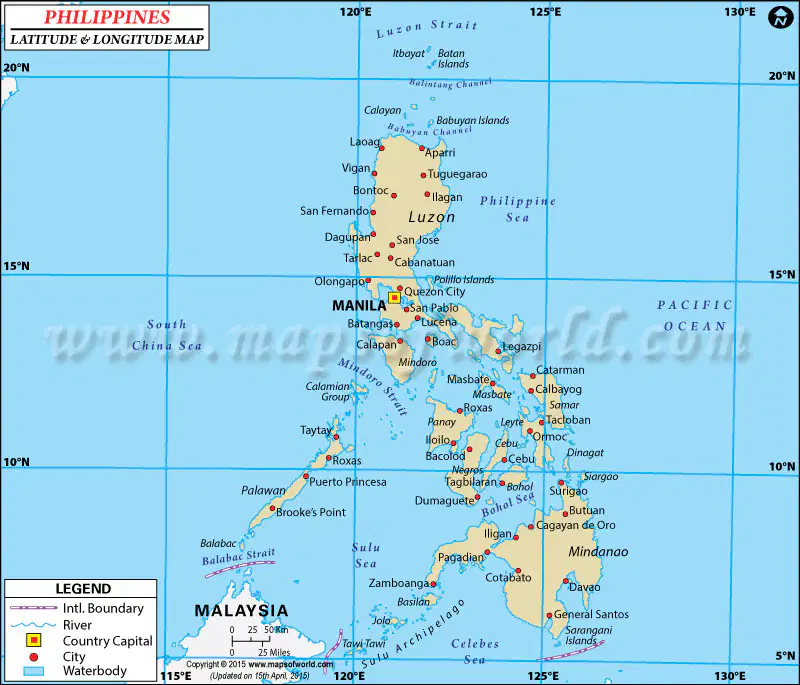
The Philippines is located above the equator between 115ᵒ N and 130ᵒ N.
True
False
The Philippine Sea and the Pacific Ocean are located east of the Philippines.
True
False
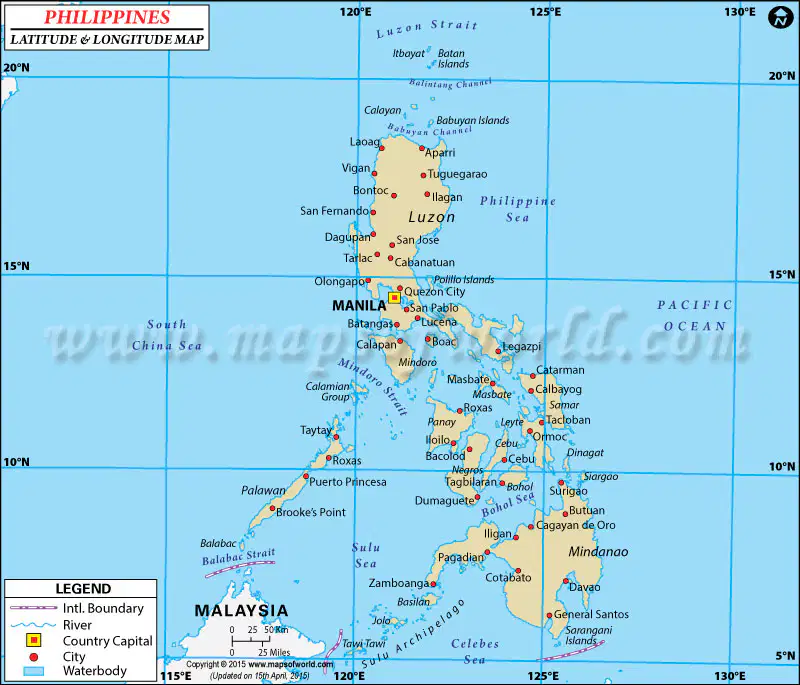
Refer to the map of the Philippines. Which of the following is TRUE about the bodies of water in the Philippines?
The Pacific Ocean is located west of the Philippines.
Luzon Strait is a body of water located between Palawan and Mindoro.
Manila Bay is located on the western side of the Philippines.
Sulu Sea is located below the provinces of Davao and Cotabato.
How does the Philippines benefit from the Pacific Ring of Fire?
The land is rich in mineral deposits.
The volcanic activities make way for more islands to form.
The plates record daily but relatively weak earthquakes.
More unique and beautiful beaches attract tourists.
You have observed that some residents in your community throw their garbage in the estero nearby. What can be your best action on this?
Record it and post on social media to shame them.
Report to the barangay and ask the barangay captain to do something.
Post a no throwing of garbage in the estero.
Never mind at all. You are too young to do anything about it.
Which of the following is TRUE about the location of the Philippine with reference to the Indonesian archipelago?
The Philippines is located east of the Indonesian archipelago.
The Philippines is located south of the Indonesian archipelago.
The Philippines is located north of the Indonesian archipelago.
The Philippines is located west of the Indonesian archipelago.
Using the Pacific Ocean as a reference, how will you describe the location of the Philippines?
The Philippines is in the Northern Pacific.
The Philippines is in the Eastern Pacific.
The Philippines is in the Southern Pacific.
The Philippines is in the Western Pacific.
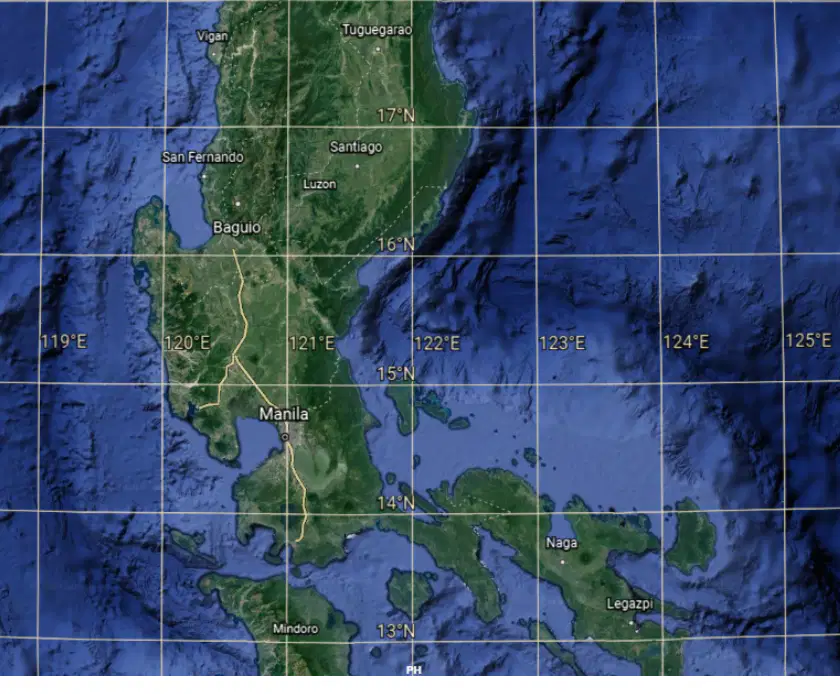
Which of the following cities in the Philippines is located between 120° E and 121 ° E?
Tuguegarao City
Baguio City
Naga City
Legazpi City
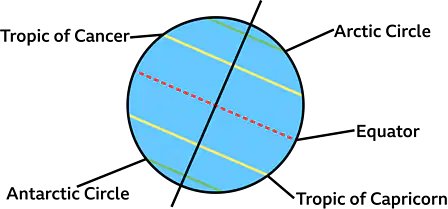
Which of the following BEST describes the location of the Philippines in reference to the major latitude lines?
The Philippines is located east of the Arctic Circle.
The Philippines is located between the Tropic of Cancer and the Tropic of Capricorn.
The Philippines is located between the Antarctic Circle and the Tropic of Capricorn.
The Philippines is located between the Tropic of Cancer and the equator.
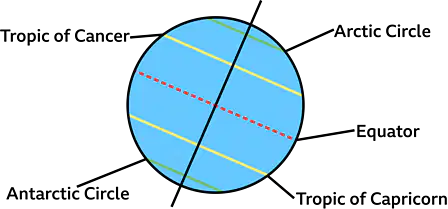
The diagram shows the major latitude lines in the globe. Which of the following latitude lines is located at 23.5°N?
Tropic of Cancer
Arctic Circle
Tropic of Capricorn
Antarctic Circle
The archipelago of the Philippines is located in the Earth's northern hemisphere.
True
False
The Philippines, Thailand, and Vietnam are among the countries that are situated between the Equator and the Tropic of Capricorn.
True
False
East of the Pacific Ocean is where the Philippines is situated.
True
False
Compared to countries distant from the equator, countries near the equator have colder climates.
True
False
Energy generated from the heat coming from volcanoes is a renewable source of energy.
True
False
Energy generated from the heat coming from volcanoes is a renewable source of energy.
True
False
The boundary between the thermosphere and exosphere is where the coldest part of the atmosphere is found.
True
False
The troposphere's most abundant gas is oxygen.
True
False
The greenhouse gases oxygen and nitrogen are in charge of retaining heat energy in the atmosphere.
True
False
The Intertropical Convergence Zone (ITCZ) moves around differently depending on the season.
True
False
Ozone in the atmosphere is destroyed when chlorofluorocarbons react with it, weakening the ozone layer.
True
False
Which of the following is TRUE about the general circulation of air in the atmosphere?
Air moves from an area of low pressure to an area of high pressure.
Air moves from an area of low pressure to an area of cold temperature.
Air moves from an area of high pressure to an area of cold temperature.
Air moves from an area of high pressure to an area of low pressure.

In the diagram, two wind circulation patterns are shown. Which of the two patterns properly represents the movement of wind that creates a sea breeze?
Pattern X
Pattern Y
In the diagram, two wind circulation patterns are shown. Which of the two patterns properly represents the movement of wind that creates a land breeze?
Pattern X
Pattern Y

The Hadley cell, the Ferrel cell, and the polar cell are the three divisions into which the Earth's wind belts are divided. Both the northern and southern hemispheres have such cells. Which of these atmospheric cells predominantly influences the countries in the tropical region, including the Philippines?
Polar
Ferrel
Hadley
All of the choices

The diagram shows the two monsoons experienced in the Philippines. Which of the two monsoons prevail during the months of November to February?
Monsoon S
Monsoon T
The figure illustrates the two monsoons that hit the Philippines. Which of the following DOES NOT describe Monsoon T?
It is experienced from June to November.
It is the southwest monsoon.
Air moves from Siberia to the equator.
Air moves from the southern hemisphere to the northern hemisphere.
The figure illustrates the two monsoons that hit the Philippines. Which of the following is TRUE for both monsoons?
The air moves from a low-pressure zone to a high-pressure zone.
High pressure originates at the equator.
The air moves from a high-pressure zone to a low-pressure zone.
Low pressure originates at the polar regions.
The hot and dry season, also known as "tag-init" locally, occurs in the Philippines from March to May and is characterized by high temperatures, low humidity, and little precipitation. Which atmospheric circulation is responsible for this condition during the dry season?
Hanging Amihan
Northeast Monsoon
Greenhouse Effect
Easterlies

An imaginary line that runs through the poles of a planet
Axis
Equator
Revolution
Rotation

The half of Earth located below the equator
Northern Hemisphere
Southern Hemisphere
Marked by the longest or shortest day of the year
Equinox
Rotation
Revolution
Solstice

An imaginary line drawn around Earth that divides it into two halves
Axis
Equator
Latitude
Longitude

The half of the Earth located above the equator
Northern Hemisphere
Southern Hemisphere

The process of turning or spinning on an axis
Rotation
Revolution
Marked by equal days and nights - 12 hours each
Equinox
Fall
Spring
Solstice
The action of one object moving completely around another in an orbital path
Rotation
Revolution
Which of the following best describes the tilt of the earth when it is summer in the southern hemisphere?
The northern hemisphere is tilted toward the sun
The northern hemisphere is tilted away from the sun
The norther hemisphere is tilted neither toward or away from the sun
Why are you talking about the northern hemisphere when you asked about the southern hemisphere?

The earth is a tilted planet. What is the degree of tilt?
Approximately 25 degrees
Exactly 25 degrees
23.5 degrees
90 degrees with respect to the sun
Which of the following best describes solstice.
Either the longest or shortest day of the year for a hemisphere
December 21 or 22
June 21 or 22
All of the above
What does the earth's tilt cause?
The seasons
Day and Night
Tsunamis
Earthquakes

What season is it in the Southern Hemisphere when it is fall in the Northern Hemisphere?
winter
spring
summer
fall

Why does the area around the equator stay the same temperature all year?
The equator rotates slower than the poles.
The equator remains the same distance from the sun.
The equator always receives direct sunlight.
The equator has 18 hour days.
What causes day and night?
The sun goes around the Earth
The Earth orbits the sun
The moon rising causes night time
The Earth rotating on its axis

What season is it at position 3 in the northern hemisphere?
Summer
Fall
Winter
Spring
Which of the following is true about winter in the Northern Hemisphere?
The Earth is farthest from the Sun
The South Pole is dark 24 hours per day
Day and night are the same length
The Sun is low in the sky
What would happen if Earth's axis was straight up and down instead of tilted?
Life on Earth would not be possible
There would be no night or day
There would be no seasons
Earth would be covered with ice


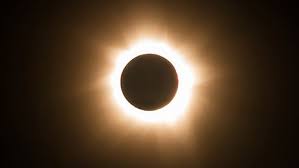
This image is showing us a.....
solar eclipse
lunar eclipse
phases of the moon
earth eclipse
When the moon passes between the earth and the sun, this results in a.....
Waxing moon
lunar eclipse
solar eclipse
sun rise


Moon, Sun, Earth


When there is a lunar eclipse, we can expect
a solar eclipse 2 weeks before or after.
the world will come to a fiery end.
birds to fall from the skies.
an earthquake
Since some light will still illuminate the moon, it will appear
red
green
yellow
blue
The reason there isn't a lunar eclipse every month is because
the moon only gets full every few months, so there can't be eclipses more often.
the moon gets frightened after an eclipse and stays away from Earth, but it forgets soon.
there isn't enough planets and moons in the solar system for it to happen more.
the moon's tilted orbit doesn't put it in Earth's shadow very often.
Why do trade winds blow from east to west in the tropics?
The sun pulls the wind
Earth’s rotation deflects winds (Coriolis effect)
The moon controls the winds
Mountains redirect the wind
A teacher placed two thermometers—one in a clear jar and another in a jar covered with plastic wrap. After 10 minutes under sunlight, the one in the covered jar was warmer. What concept does this represent?
Monsoon
Greenhouse effect
Sea breeze
Wind formation
A student compares wind patterns near the equator and poles. Which is correct?
Winds near the poles rise and bring rain.
Winds at the poles blow toward the equator and rise.
Winds at the equator sink.
Winds at the equator rise and move toward the poles.

