
 Worksheets
Chemical Reactions
Total questions: 149
Worksheet time: 3hrs 22mins
Lemonade, coke, and salt water are all examples of _________.
Solutions
Mixtures
Pure Substances
Factors of solubility
A combination of substances that dissolve into one another--they are evenly mixed so that individual parts cannot be seen or separated.
solutions
mixtures
observations

Is Trailmix an example of a Mixture?
Yes
No

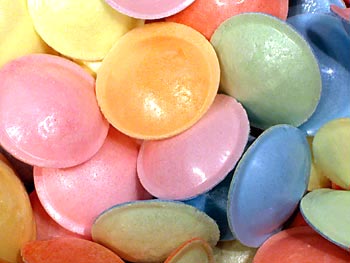
Are these Jellybeans an example of a Mixture?
Yes
No
How can we separate a solution?
By freezing it
Melting it.
By heating it so that the solution evaporates.
We can't.

solvent
solute

solvent
solute

The water and oil separate from each other.
Is this an example of a Solution?
Yes
No
This type of mixture has large enough particles that you can see the different types of particles.
Homogeneous
Heterogeneous
Colloid
Solution
A colloid mixture does not have particles large enough to settle to the bottom, but they are large enough to
be filtered out of the solution.
be pulled out by hand.
float to the top.
scatter light waves.
A mixture with such small particles that you cannot see the individual particles.
Suspension
Sublimation
Heterogeneous
Homogeneous
This word means "the same throughout".
Homogeneous Mixture
Heterogeneous Mixture
Suspension Mixture
Compound Mixture
This words means "different throughout".
Homogeneous Mixture
Heterogeneous Mixture
Colloid Solution
Compound Mixture
Which of the following examples is a Heterogeneous mixture?
Tap Water
Beach Sand
Vanilla Cake Mix
Bottle of Cola
Which of the following examples is a Homogeneous mixture?
Tap Water
Beach Sand
Chocolate chip cookie
Mud water
Which of the following examples is a Suspension?
Mud water
Well water
milk
Fog
What is it called when a mixture like muddy water is left alone and the particles settle to the bottom of the mixture?
Suspension
Colloid
Homogeneous mixture
Evaporation
What type of solution would kool-aid be?
Homogeneous
heterogeneous
The solution to all of our problems
Neither

What does this picture represent?
Element
Mixture
Compound

What does this picture represent?
Element
Compound
Mixture

What does this picture represent?
Element
Compound
Mixture

Is salt (NaCl) an element, compound, or mixture?
Element
Compound
Mixture
Combustion
Feels Cold
Melting Ice
Feels Hot
What are TWO descriptions or examples of an endothermic reactions?
Melting Ice
Feels Hot
Combustion
Feels Cold

The table shows the solubility of three different substances in water at the same temperature and pressure. Which of the substances would have the greatest mass dissolved in 100 grams of water at the point of saturation?


A pure substances ________ be broken down into simpler matter using physical methods.
sometimes
can
can not
Homogeneous mixtures are also called _______.
Heterogenous mixtures
Solutions
Problem Solvers
Water
When we made popsicles, & added sugar to room temperature water until the sugar would no longer dissolved, what type of solution did we make?
Dilute Solution
Concentrated Solution
Saturated Solution
Supersaturated Solution
When we added sugar to some warm water from the sink & were able to add more that what the room temperature could hold...what type of solution did we make?
Dilute Solution
Concentrated Solution
Saturated Solution
Supersaturated Solution
A homogeneous mixture has ...
components that are easily seen and sorted.
components that are easily separated by settling filtration.
components that do not separate or are spread out evenly throughout the mixture
a concentration of solute in the mixture.
In a mixture of grape juice, which of these ingredients would be the solvent?
sugar
water
grapes
flavors
Solubility is ...
whether it is a colloid or solution.
how much solvent is in a solute.
how the particles in a solution react to light.
how much solute will dissolve in a solvent.
Mixtures that do not blend smoothly throughout and the individual substances remain distinct
Heterogeneous Mixture
Homogeneous Mixture
Solution
Miscible
A heterogeneous mixture in which the particles will settle out if left undisturbed
Colloids
Suspensions
Miscible
Immiscible
True or False. In a mixture the chemical properties of each substance are lost, and new chemical properties form
True
False
Classify the following as either a heterogeneous or homogeneous mixture: Apple juice (no pulp)
(a)
A green powder is heated & a gas is given off while it turns to a black solid. This describes
Physical Change
Chemical Change
Change in State
Change in Temperature
Which of the following could indicate that a chemical change took place?
Change in color
Production of Energy
Formation of Gas
All are correct
The formation of a solid when two liquids combine is called?
Solidification
Freezing
Precipitate
Solubility
The difference between a Physical change and a Chemical change is…
Physical change is only a change to the outside appearance.
Chemical change is when matter is changed into something new.
Atoms are rearranged in chemical changes & not in physical.
All are correct.
What does a chemical change result in?
A change in state of the substance (ex. liquid to solid)
A change in texture of the substance.
A change in the way atoms are bonded to each other.
A change in the appearance of the substance.

Identify what type of change happening in the picture below...
Chemical Change
Physical Change
Endothermic Reaction
Exothermic Reaction

Identify what type of change happening in the picture below...
Chemical Change
Physical Change
Endothermic Reaction
Exothermic Reaction

Identify what type of change happening in the picture below...
Chemical Reaction
Physical Change
Change in State
Change in appearance only
If the chemical properties of a substance remain unchanged & the appearance or shape of an substance changes it is a...
Chemical Change
Physical Change
Both a physical and chemical change.
Neither a physical or chemical change.
Which of the following is an example of a physical change?
A glass falling and shattering on the floor.
Baking a birthday cake.
Burning a piece of paper.
Baking soda and vinegar mixing together.
When a new substance is formed with different properties than the original substance it is called a...
Chemical change
Physical change
Change in State
Change in appearance only.
Which is not a clue that could indicate a chemical change has occurred?
Change in color
Change in shape
Release of energy
Formation of an odor
During Chemical Reactions, the new substances created are called?
Precipitate
Corrosion
Reactants
Products
During Chemical Reactions, the substances that are used are called?
Precipitate
Corrosion
Reactants
Products

Is this an example of a physical or chemical change?
physical
chemical

Is this an example of a physical or chemical change?
physical
chemical

Is this an example of a physical or chemical change?
physical
chemical

Is this an example of a physical or chemical change?
physical
chemical

Is this an example of a physical or chemical change?
physical
chemical

Is this an example of a physical or chemical change?
physical
chemical

Is this an example of a physical or chemical change?
physical
chemical

Is this an example of a physical or chemical change?
physical
chemical

Is this an example of a physical or chemical change?
physical
chemical

Is this an example of a physical or chemical change?
physical
change
Which of the following is NOT a physical change?
Crushing a can
boiling water
shredding paper
burning paper
Which of the following is NOT a sign of a chemical change?
formation of a precipitate
unexpected color change
unexpected temperature change
change in state of matter
bubbles can be an indication that a reaction has happened and produced a gas, but not always. Which of the following scenarios involve bubbles resulting from a chemical change?
Mixing vinegar and baking soda
Pouring a glass of soda
Boiling water
All of these are examples of chemical change
A chemical reaction ...
forms a new substance
makes a mixture of several substances
always involves flames
all of these choices are true
Which of the following are clues that chemical change may have occurred?
Color change
Bubbles
Pressence of an odor that wasn't there before
All of these could indicate chemical change
Why does the temperature change during a chemical reaction?
Because we have to heat up the chemicals before they can react
Because the reaction will release or absorb heat when bonds are broken, formed or rearranged
Because all reactions produce flames, which are hot
Because electrons keep changing energy levels
Color change can indicate a chemical change, however, it could also be caused by a physical change. In which scenario is the color change caused by a chemical change?
Paint is scraped off of an old cabinet changing the cabinet's color from green to brown
Two clear solutions are mixed and a yellow solid forms
Cream is added to black coffee changing the color to a light brown
All of these are examples of chemical change

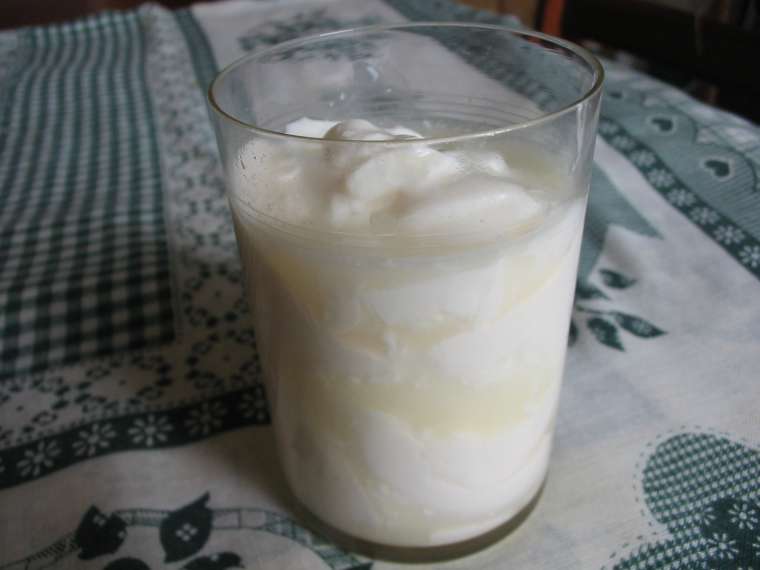


Is melting butter for popcorn a chemical or physical change?
chemical
physical

When you break a cracker into pieces it is a...
Chemical change
Physical change

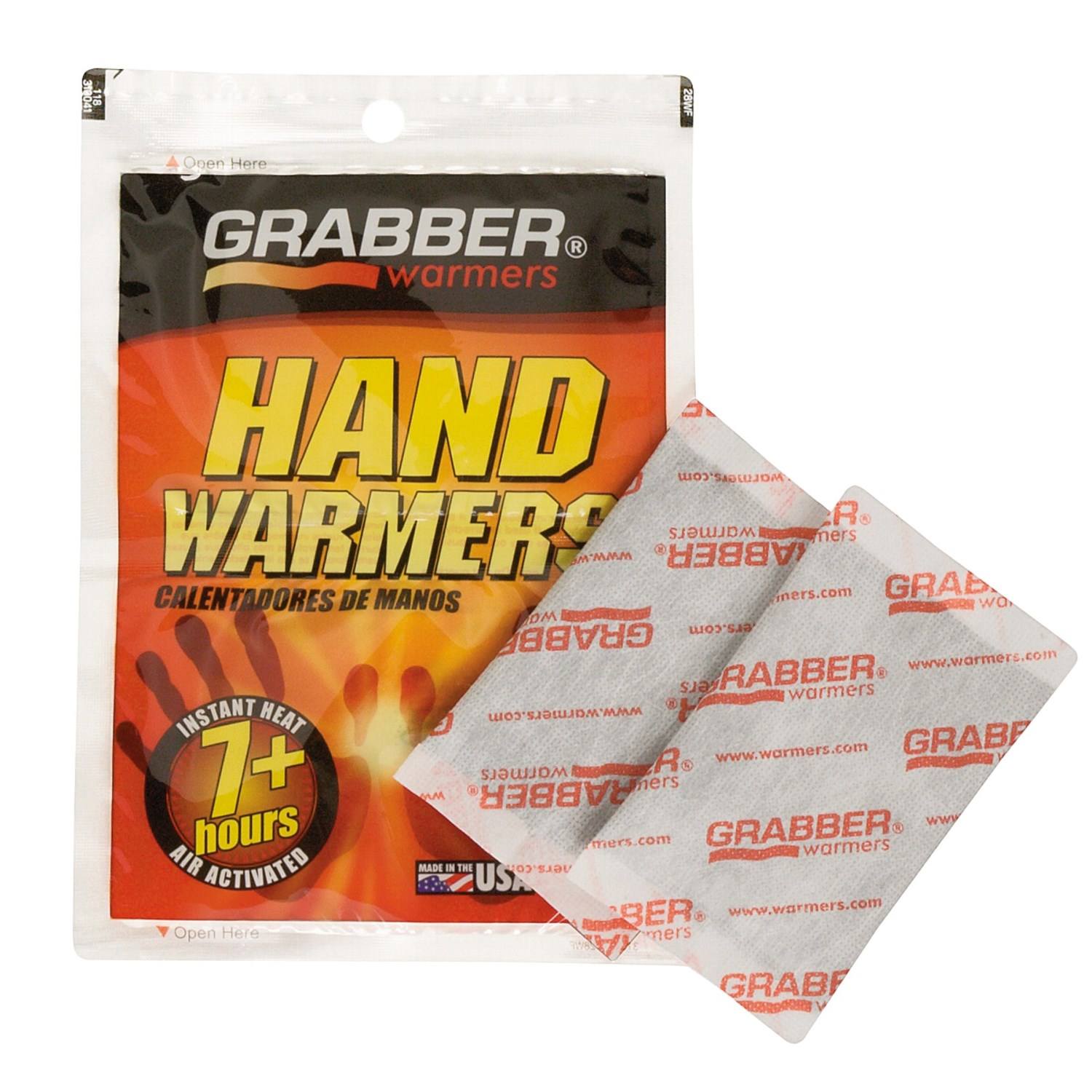

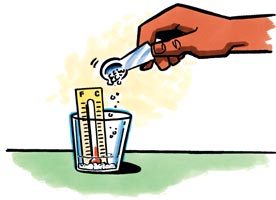
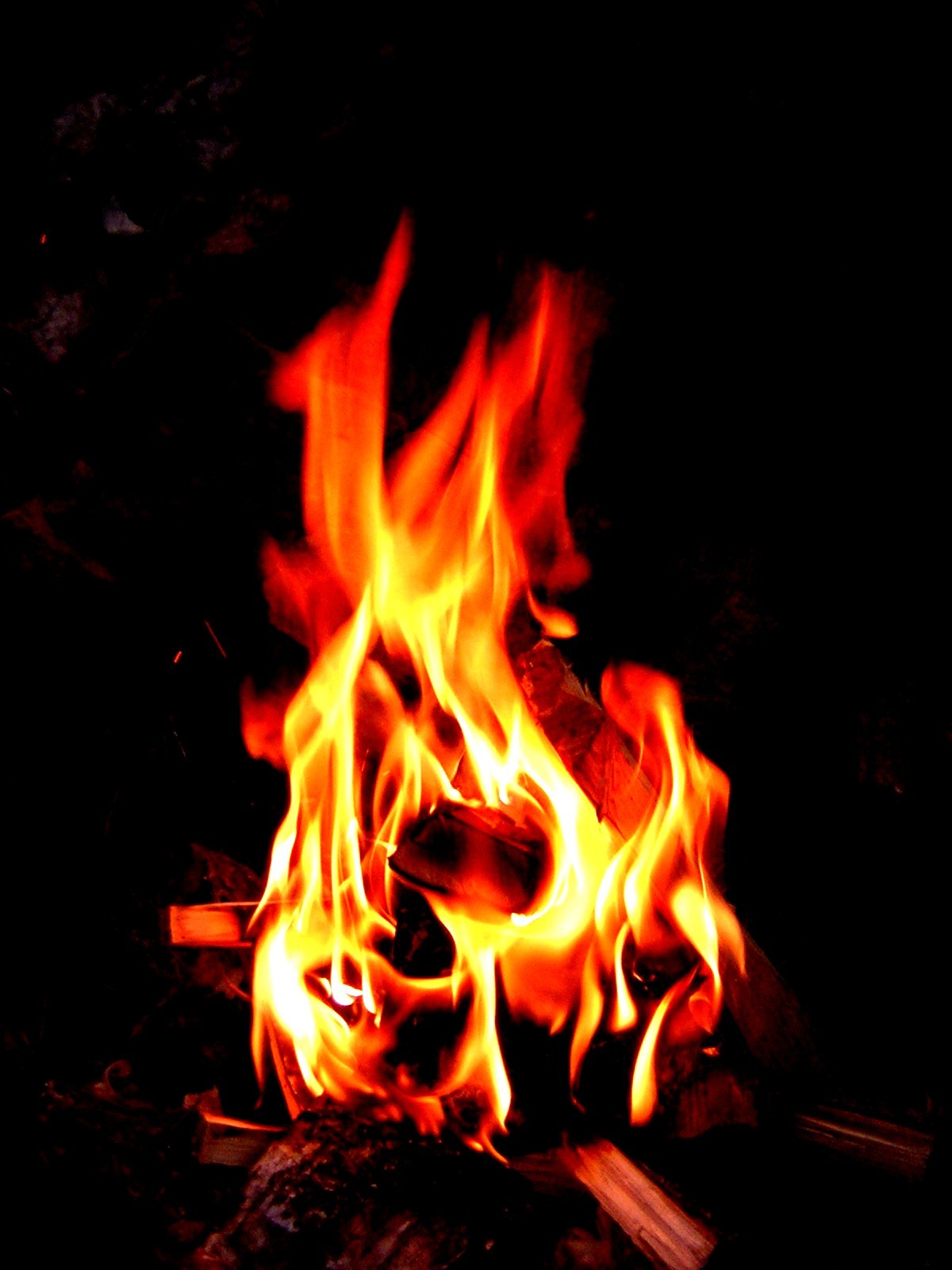
_____ reactions usually feel hot!
endothermic
exothermic
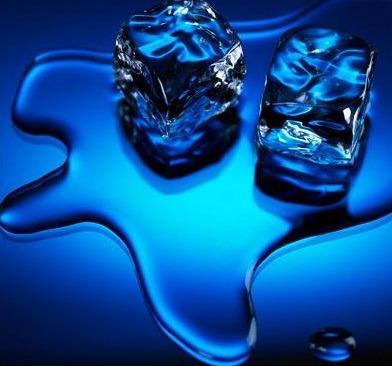
____ reactions usually feel cold.
endothermic
exothermic

Which type of reaction is shown by the graph?
exothermic
endothermic
nuclear
allergic
What would likely happen if you were to touch the flask in which an exothermic reaction was occurring?
The flask would feel cooler
The flask would feel warmer
The flask would feel the same before and after a reaction
None of the above
What instrument would you use to detect an endothermic or exothermic reaction?
triple beam balance
ruler
thermometer

What type of reaction is illustrated by the graph?
exothermic
endothermic
nuclear
Cold Pack
Endothermic
Exothermic
In an endothermic reaction, heat is ...
taken in
given out
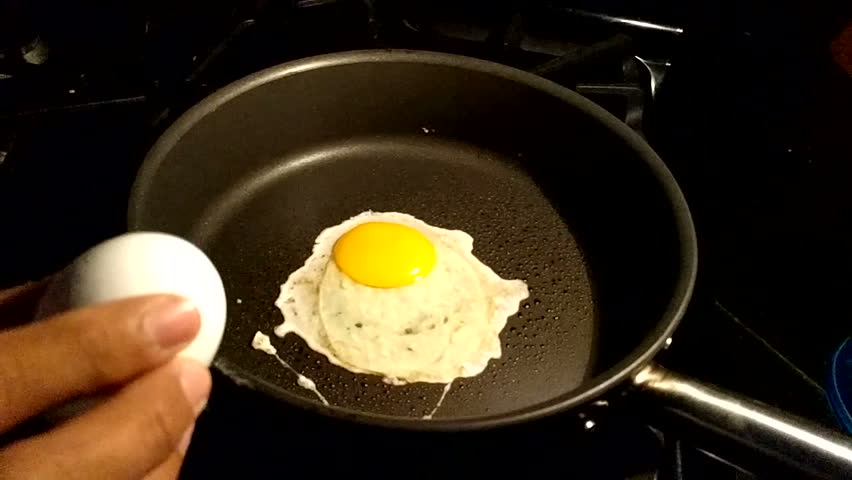
5. When ammonium chloride dissolves in water the temperature falls. The type of energy change is described as?
exothermic
activated
decomposition
endothermic
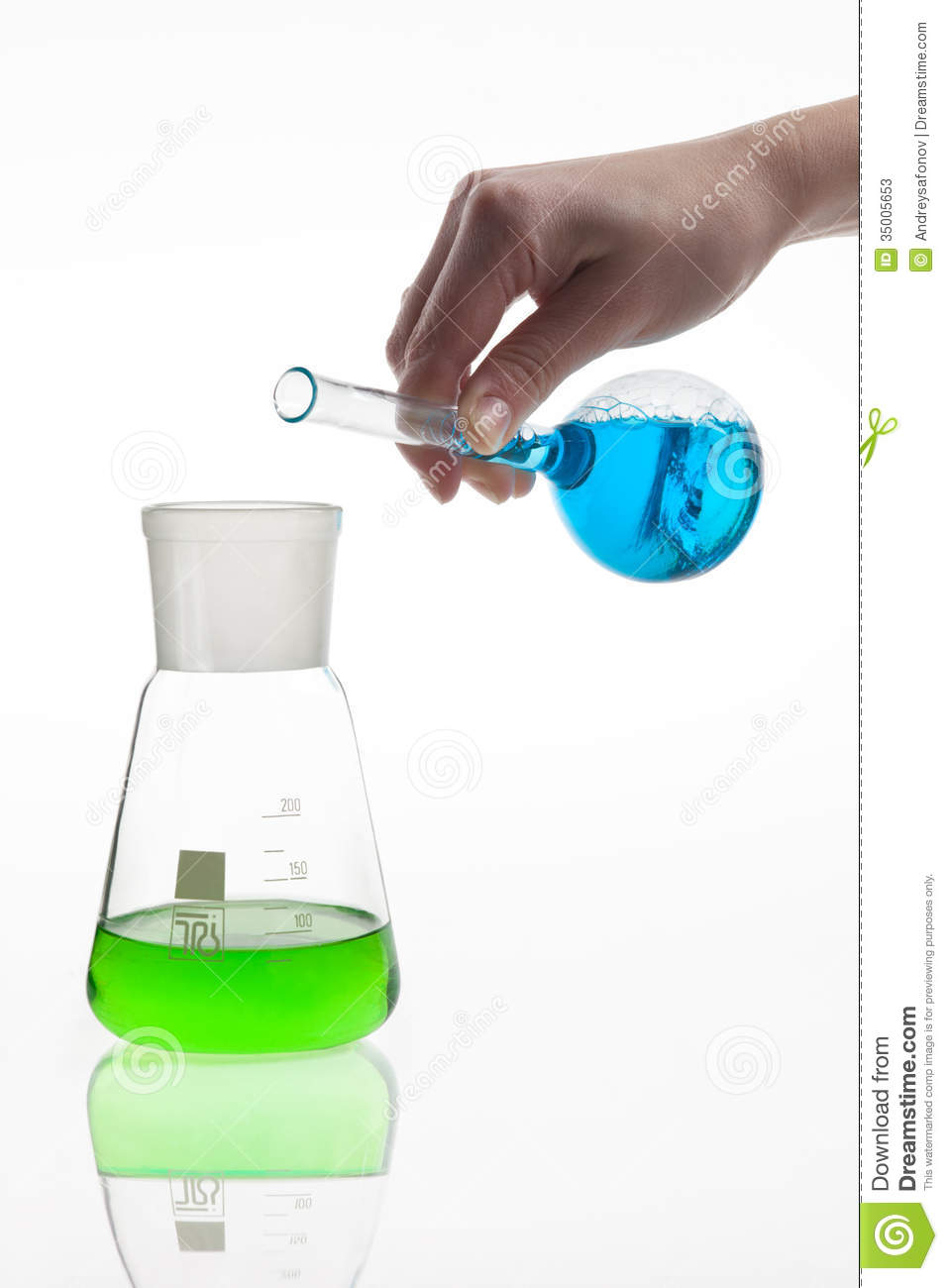
A student mixed two chemicals to allow them to react. The temperature before the reaction was 25 ° C. The temperature after the reaction was 18° C. Which of the following is true?
It is an exothermic reaction
It is an endothermic reaction
H2SO4
How many Aluminum atoms are in Al2O3?
The total number of atoms in Na₂CO₃
Calculate the number of Oxygen atoms in Al(OH)3
1
2
3
4
How many atoms are in 3Al₂(SO₄)₃
51
30
Which choice matches the number of atoms for: 4CF2Cl2
C = 4, F = 4, Cl = 2
C = 1, F = 8, Cl = 8
C = 4, F = 8, Cl = 8
C = 1, F = 4, Cl = 8
How many total atoms are in the compound CH4?
5
4
6
8
Calculate the total atoms for: H2C2H3O2?
1
2
9
4
A subscript will tell you the number of atoms of the element ___ it
after
before
A subscript behind a set of parentheses belongs to
the element right before it
all the elements within the parentheses before it
all the elements in the parenthese after it
the element right after it
How many atoms of carbon are in this compound?
2H2(C3O4N5)2
3
12
6
10
What are the total number of atoms for:
H3O5(CaCl7)2
15
20
24
34
How many total atoms in the following equation?
ClN6Fe2
6
8
10
9
Identify the Coefficient.
3BeH5Si8
5
3
1
8
Identify the subscripts.
4Fe5K2
4
5
2
1
How many total atoms in the following equation?
3He2Ag5
2
21
24
5
How many atoms of Hydrogen are in this equation?
5Cl2H5
10
2
5
25
How many atoms of Iron in the following equation?
C2HAu5
2
0
9
7
How many total atoms in the following equation?
2(H2)3
2
6
7
12
How many Nitrogen atoms are in (NH₄)₂N2CrO₄?
2
4
8
16
Which one is the coefficient 4H2O?
4
H
2
O
three hydrogen (H)
one sulfur (S)
four oxygen (O)
How many atoms are in one formula unit of Zn(C2H3O2)2 ?
8
5
25


Fe + O2 -> Fe2O3
Mg + __HCl ---> MgCl2 + H2
_CF4 + _Br2 -- _CBr4 + _F2
_CH4 + _O2 --> _CO2 + _H2O
_Al +_HCl --> _H2 +_AlCl3
Which is the Law of Conservation of Matter?
matter cannot be created or destroyed, it only rearranges
matter can be created but it cannot be destroyed, it never rearranges
matter can be destroyed but it cannot be created, it usually just rearranges
matter is an unproven theory created by Hans Geiger
_ H2 + O2 -> 2 H2O
2 Na+ _ Cl2 -> 2 NaCl

Identify the Reactants in this equation.
A
B

