
 Worksheets
Chemical vs physical and review
Total questions: 150
Worksheet time: 2hrs 12mins
Which is a chemical property?
Reactivity
boiling point
density
conductivity
Which is an example of a physical property?
malleability
rusting
reactivity
flammability
Boiling point is a
Physical property
Chemical property
Real property
Fake property
Conductivity is a
Physical property
Chemical property
Real property
Fake property
Flammability is a
Chemical property
Physical property
Real property
Fake property

Which of the following is a sign that a chemical reaction has occurred?
change in shape
melting
formation of a gas
dissolving


Water is heated and changed to steam ________________
Physical Change
Chemical Change
Food is digested in the stomach ________________
Physical Change
Chemical Change
In chemical and physical changes, mass is not created or destroyed but is only transformed into different substances.
chemical change
physical change
law of conservation of mass
physical property
Cutting wood is a (a) change.
Burning wood is a (a) change.
When you mix substances together and one or more of the substances change into a new substance with different properties, this is a (a) change.
When water boils, you see bubbles. Boiling water is a (a) change.
Reacts with water: Chemical or Physical Property
Boiling point: Chemical or Physical Property
Which one of these is a chemical property?
Melting point
Boiling point
Color
Toxicity
Properties that can be observed without changing the identity of the substance
Properties that describe how a substance changes into a completely different substance

the ability of a material to bend or be hammered into other shapes without breaking.
Ductility
Malleability
Toxicity
Solubility

a resistance to being scratched or dented.
Luster
Flammability
conductivity
hardness

the ability to pass electricity or heat through a substance
conductivity
ductility
oxidation
malleability
the ability of a substance to be drawn into thin wires
Conductivity
malleability
ductility
flammability
Change in smell is the result of what?
Pollution
Condensation
A chemical change
A physical change

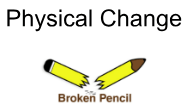
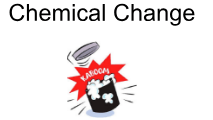
What kind of change is exploding fireworks?

What kind of change is baking a cake?
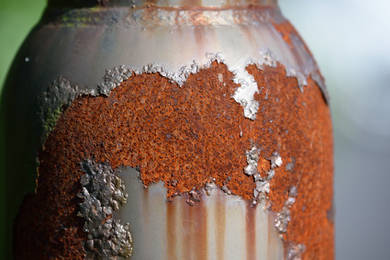
What kind of change is metal rusting?

What kind of change is freezing water into ice cubes?

What kind of change is crushing a soda can?

What kind of change is cutting your hair?

What kind of change is a rotting banana?

What kind of change is toasting bread?

What kind of change is mixing vinegar & baking soda?

What kind of change is squeezing juice out of an orange?
Melting Cheese
physical change
chemical change
Burning Wood
physical change
chemical change
Milk Souring
physical change
chemical change

Mixing sugar and water.
Is it a physical or chemical change?
Physical
Chemical

Is this an example of a physical or chemical change?
physical
chemical

Is this an example of a physical or chemical change?
physical
chemical
Mark all the examples that result in a chemical change.
Cooking / Baking
Boiling Water
Rusting
Tearing food with teeth
mixing food with saliva and enzymes to break it down into glucose

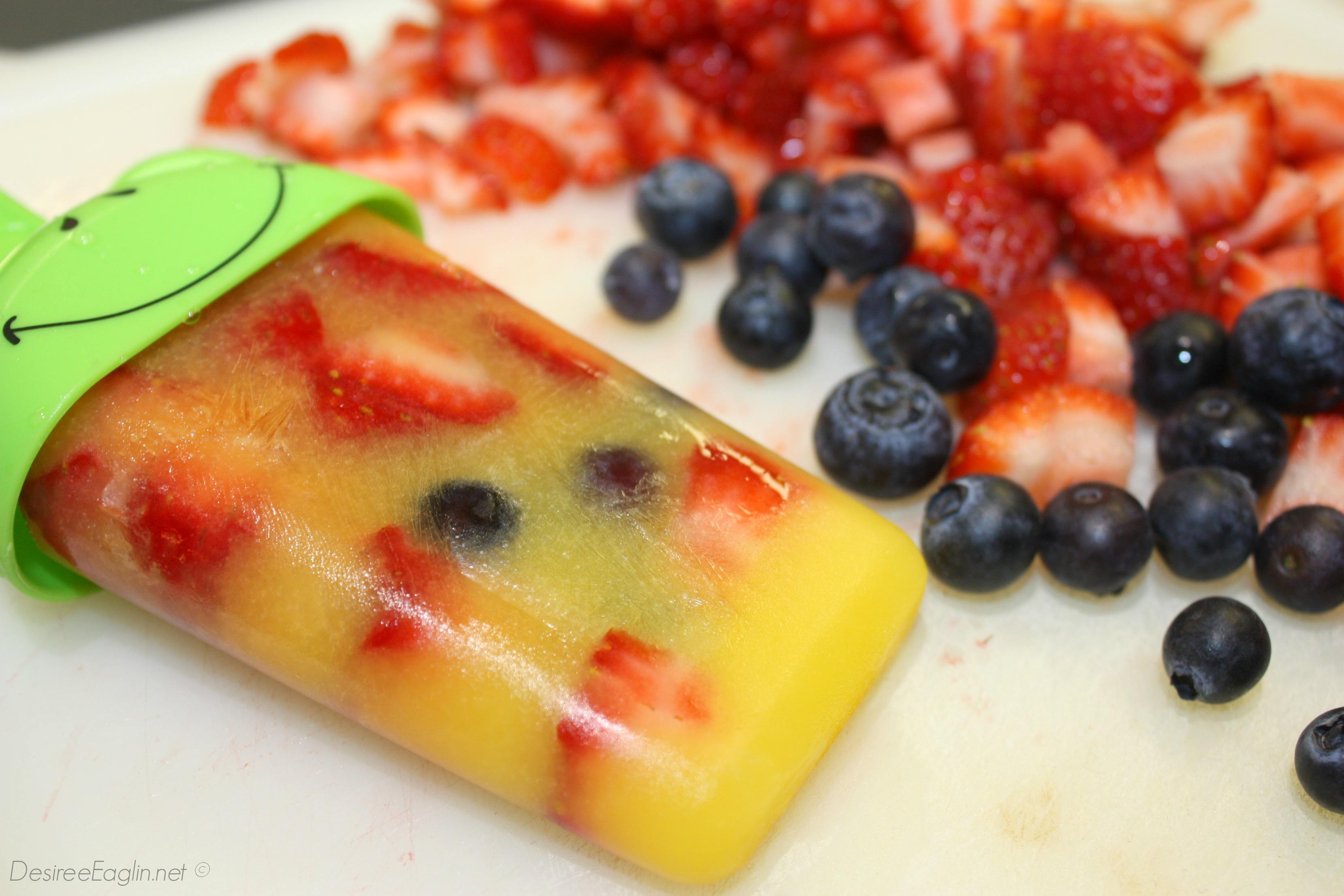
What is a physical property of these strawberries?
Red
Rotten
Flammable

What is a chemical property of paper?
Flammable
White
Light

Is an ice cream cone melting a physical or chemical change?
Physical
Chemical

Is crumpling a piece of paper a physical or chemical change?
Physical
Chemical


Baking cookies is a chemical change. Which of the following is evidence of the chemical change? Choose all the options that are correct.
Color changes from light tan to golden brown.
The batter melts when it is heated in the oven.
The melted batter turns from liquid to a solid after it is heated.
The odor changes
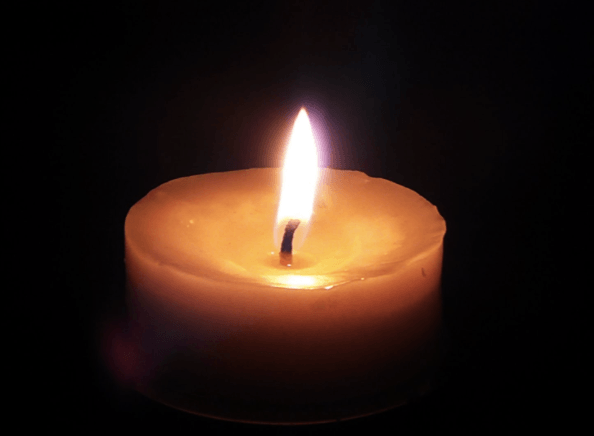
Both
Neither


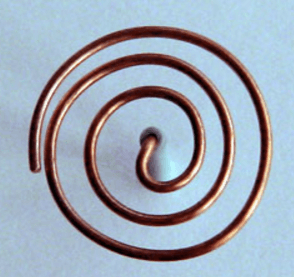
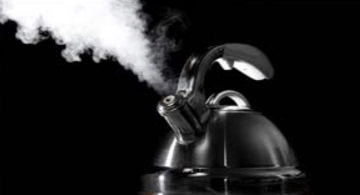
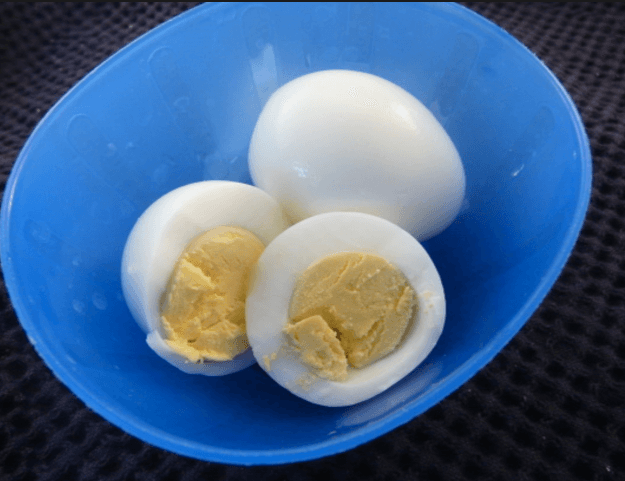


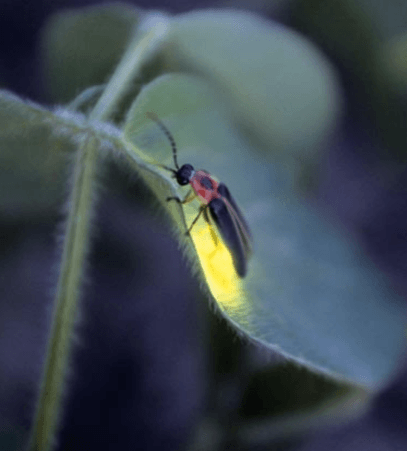
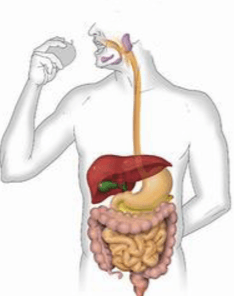


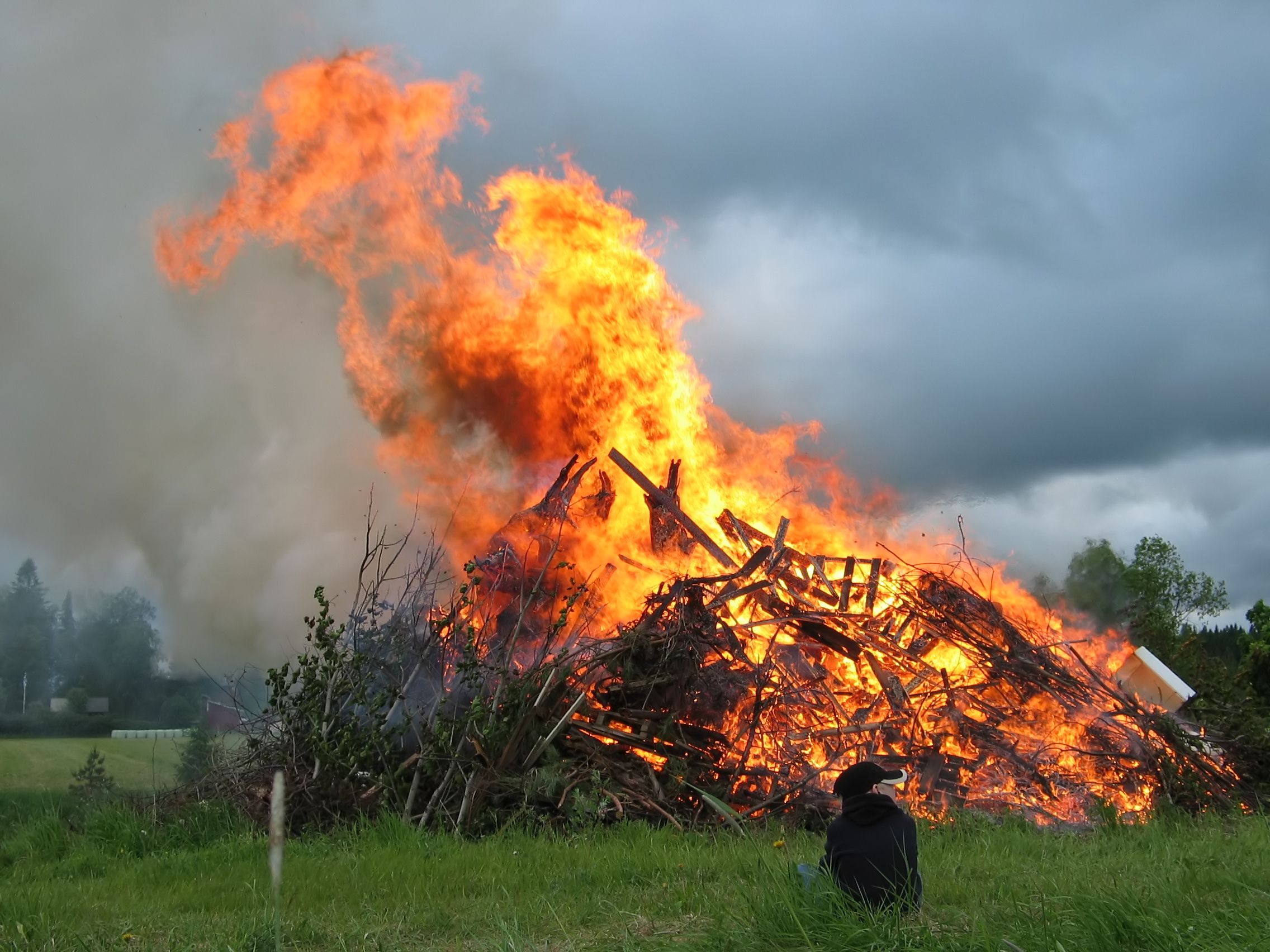


Is this photo an example of an exothermic or endothermic reaction?
endothermic
exothermic
An ___________________ process is a process that releases energy.
exothermic
endothermic

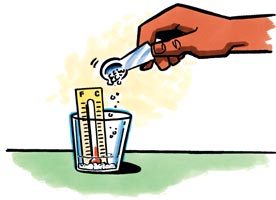
Is the process shown to the right exothermic or endothermic?
endothermic
exothermic
A process in which energy is absorbed is called an .....
endothermic process.
exothermic process

Is the chemical reaction that occurs inside a hot pack an exothermic or endothermic reaction?
endothermic
exothermic
When heat is released it is an
exothermic reaction
endothermic reaction
both
none
Heat + Ice --> Liquid water
Endothermic
Exothermic
Both Exo and Endo
Neither Exo or Endo

Fireworks are an example of
exothermic
endothermic
both
none

A melting ice cube is an example of
exothermic
endothermic
none
both

An ice pack in an example of
exothermic
endothermic
both
none


Fire is an example of
exothermic reaction
endothermic reaction
none
both

Sodium metal is cut with a knife
two ore more substances unevenly mixed
Heterogenous mixture
Homogeneous mixture
compounC
Substance
Two or more substances evenly mixed
heterogenous mixture
homogeneous mixture
compound
substance

What type of mixture is shown?
Homogeneous
Heterogeneous

Carbon is classified as a/an _________________.
Element
Compound
Homogeneous Mixture
Heterogeneous Mixture

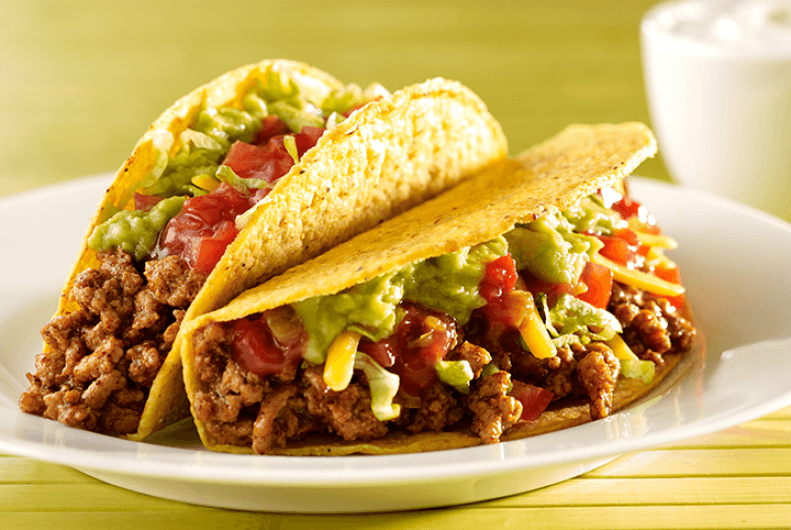
A Taco is an example of a
Homogeneous Mixture
Heterogeneous Mixture
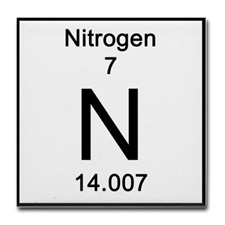

This picture represents which of the following?
element
compound
mixture of elements
mixture of compounds
mixture of elements and compounds

What element is represented in this Bohr Model?
Carbon
Hydrogen
Aluminum
Lithium

In the illustration, which is an example of a gas?
Bubbles
Straw
Ice
The Glass

Element
Compound
Heterogenous
Homogenous

What is located in the nucleus of an atom?
protons and neutrons
protons and electrons
electrons and neutrons
How is the Periodic Table arranged?
alphabetical order
atomic number
the year the element was discovered
Albert Einstein decided how to arrange it.
How are symbols for elements written?
numbers
pictures
letters
In which direction would you find groups/families?
horizontal
vertical
What is located on the horizontal rows on the Periodic Table?
families
groups
periods
What is the charge of a proton?
positive
negative
neutral
What is the symbol for carbon?
Ca
C
Na

The mass number of an element is the amount of _________ it has.
protons
protons and neutrons
electrons
neutrons

Which of the following elements is an example of an element that conducts electricity?
Aluminum
Helium
Boron
Neon

Which element would you expect to be located in group 2 of the periodic table?
Lithium
Carbon
Sulfur
Beryllium

Which of the following best describes the three general groups of elements?
solids, liquids, gas
metals, nonmetals, gases
metals, nonmetals, metalloids
metals, metalloids, synthetics
An element has an atomic number of 20. This means it has:
20 atoms in it.
20 protons.
an atomic mass of 20.
20 neutrons.

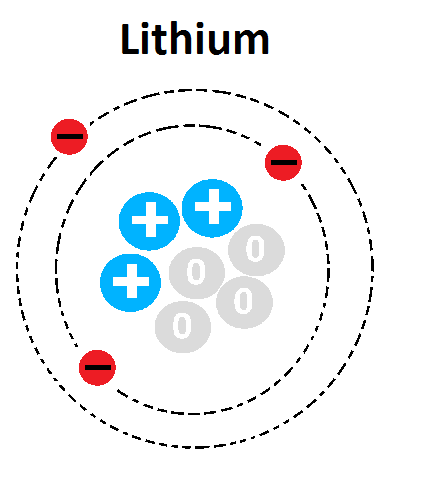
What is the atomic number of this atom?
1
3
4
7

Which element is in group 4 period 5?
Zr - Zirconium
Nb - Niobium
C - Carbon
Na - Sodium
Where are most of the nonmetals found on the periodic table?
left
right
middle
bottom

What groups are the most reactive METALS?
2 and 3
1 and 18
1 and 2
16 and 17
Reactivity of metals increases as you move...
Left
Up
Right
Down
Put the following in order of MOST reactive to least reactive.
He, Na, Fe, C
Na, Fe, C, He
Fe, He, Na, C
C, Na, Fe, He
Fe, C, Na, He
Put the following elements in order from MOST reactive to LEAST reactive.
W, K, Rn, Zn
K, W, Zn, Rn
K, Zn, Rn, W
Rn, Zn, W, K
W, K, Zn, Rn
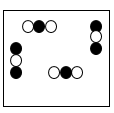
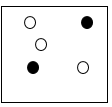


What does this picture show?
element
compound
mixture

These are the 3 states of matter.
True
False

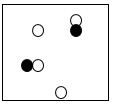

What does this illustrate
Elements
Compunds
Mixture of Elements and Compunds
Mixture of Compounds
Put the following elements in order from LEAST reactive to MOST reactive.
Fr, Og, Ag, Cr
Og, Ag, Cr, Fr
Ag, Cr, Fr, Og
Fr, Og, Cr, Ag
Fr, Cr, Og, Ag
Neon is colorless, a poor conductor of heat and is not able to be stretched. How would it be classified?
Nonmetal
Metalloid
Metal
None of the above
How many protons, electrons and neutrons are present in an atom of carbon, C, with the mass of 12?
12 protons, 12 electrons, 12 neutrons
6 protons, 12 electrons, 6 neutrons
12 protons, 6 electrons, 12 neutrons
6 protons, 6 electrons, 6 neutrons
Which statement correctly describes the location and charge of the neutrons in an atom?
The neutrons are inside the nucleus and have a positive charge.
The neutrons are outside the nucleus and have a neutral charge.
The neutrons are outside the nucleus and have a negative charge.
The neutrons are inside the nucleus and have a neutral charge.
What type of particles are found in the cloud surrounding the atom's nucleus?
Neutral particles and positively charge particles
Positive charge particles only
Negatively charge particles and positively charge particles
Negatively charge particles only
What type of element makes up most of the periodic table?
Metals
Metalloids
Nonmetals

