wayground logo

Free Printable Worksheets

Font size

S
M
L
XL
Worksheets

2nd Semester Exam Review

Total questions: 145

Worksheet time: 2hrs 53mins

Name
Class
Date
1.
How often a wave occurs is the wave's __________________
a)
crest
b)
frequency
c)
wavelength
d)
resting point
2.
The distance between 2 corresponding parts of a wave  (example- crest to crest) is its _____________________
a)
trough
b)
frequency
c)
amplitude
d)
wavelength
3.
The frequency of a wave is measured in __________________. 
a)
inches
b)
hertz
c)
periods
d)
eras
4.
Mechanical waves are created when a source of energy causes a medium to  _________________.
a)
vibrate
b)
expand
c)
move
d)
compress
5.
Any material that a wave travels through is called a ____________________.
a)
vibration
b)
compression
c)
medium
d)
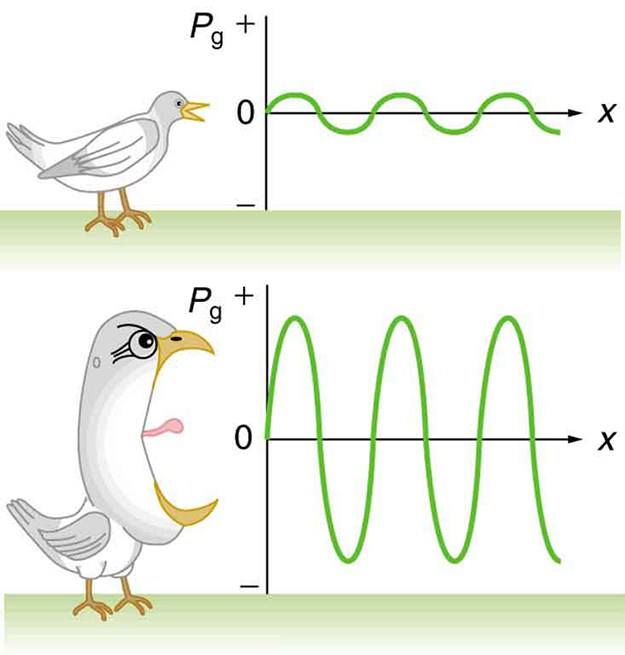
crest
6.
In what type of wave does the medium vibrate parallel to the direction of the wave?
a)
surface wave
b)
longitudinal wave
c)
transverse wave
d)
electromagnetic wave
7.
The three types of mechanical waves are transverse, surface, and _______________ waves
a)
medium
b)
water
c)
longitudinal
d)
crest
8.
What are the highest parts of a transverse wave called?
a)
amplitude
b)
trough
c)
resting point
d)
crest
9.
In longitudinal waves, the parts where the coils are spread apart are called what?
a)
rarefactions
b)
compressions
c)
mechanicals
d)
longitudes
10.
In what type of wave does the medium move perpendicular to the movement of the wave?
a)
Transverse
b)
Longitudinal
c)
Electromagnetic
d)
Radio
11.
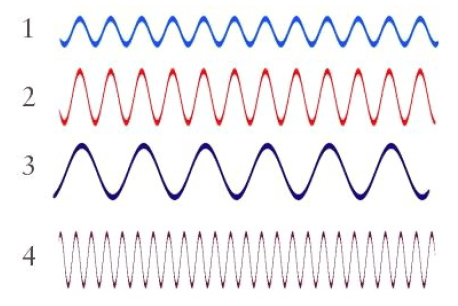
What number represents the wavelength?
a)
1
b)
2
c)
3
d)
4
12.
As the frequency of a wave increases, the __________________ decreases.
a)
amplitude
b)
resting point
c)
wavelength
d)
crest
13.
What number represents the amplitude?
a)
1
b)
2
c)
3
d)
4
14.
In a longitudinal wave, the parts where the coils are close together are called what?
a)
longitudes
b)
rarefactions
c)
compressions
d)
contractions
15.
Which travels faster, light or sound?
a)
light
b)
sound
16.
What is the top of a wave?
a)
trough
b)
crest
17.
What is the top of a wave?
a)
trough
b)
crest
18.
What is the bottom of a wave?
a)
trough
b)
crest
19.
What is the distance between crests or troughs?
a)
amplitude
b)
wavelength
20.
What is the height of a wave?
a)
amplitude
b)
wavelength
21.
Sound travels fastest in:
a)
solids
b)
liquids
c)
gases
22.
When you yell under water, what is the medium that sound travels through?
a)
air
b)
water
23.
What type of wave move a slinky back and forth?
a)
longitudinal
b)
transverse
24.
What type of waves move a slinky up and down or side to side?
a)
longitudinal
b)
transverse
25.
A wave is a disturbance that transfers:
a)
matter
b)
energy
26.
What travels faster, light or sound
a)
Light
b)
Sound
27.
Which type of wave does sound travel in?
a)
Transverse
b)
Longitudinal
28.
What type of wave is this?
a)
Transverse
b)
Longitudinal
29.
What type of wave is this?
a)
Transverse
b)
Longitudinal
30.
Distance from 'y' to 'y' is a _______
a)
Wavelength
b)
Amplitude
c)
Compression
d)
Rarefaction
31.
Distance from an 'x' to an 'x' is a________
a)
wavelength
b)
amplitude
c)
rarefaction
d)
compression
32.
What is represented by the  letter 'y'?
a)
Compression
b)
Rarefaction
c)
Wavelength
d)
Amplitude
33.
What is represented by the letter 'x'?
a)
Crest
b)
Compression
c)
Rarefaction
d)
Wavelength
34.
What is represented by the blue lines?
a)
Trough
b)
Crest
c)
Wavelength
d)
Amplitude
35.
What part is represented by the blue lines?
a)
Crest
b)
Resting Point
c)
Wavelength
d)
Amplitude
36.
What part is the arrow pointing to?
a)
Crest
b)
Trough
c)
Amplitude
d)
Wavelength
37.
What part is the arrow pointing to?
a)
Crest
b)
Trough
c)
Amplitude
d)
Wavelength
38.
Which answer best explains what causes a wave?
a)
Shaking
b)
Potential energy
c)
Light
d)
Vibrations
39.
What two factors effect the amount of energy a wave has?
a)
Frequency and wavelength
b)
Frequency and amplitude
c)
Amplitude and rest
d)
Wavelength and crest
40.
Which wave in the diagram has the greatest frequency?
a)
1
b)
2
c)
3
d)
4
41.
Which wave in the diagram has the greatest wavelength?
a)
1
b)
2
c)
3
d)
4
42.
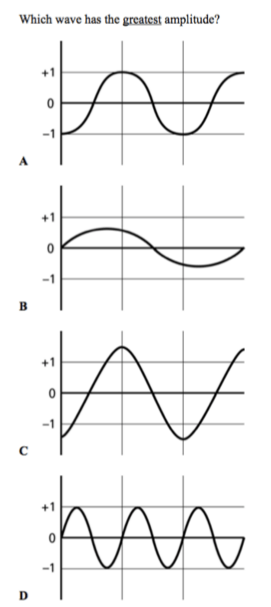
Which wave has the greatest amplitude?
a)
A
b)
B
c)
C
d)
D
43.
What kind of wave is pictured?
a)
Transverse
b)
Longitudinal
c)
surface
d)
none of the above
44.

What is the amplitude of this wave?

a)

4

b)

8

c)

2

d)

6.3

45.

What is the wavelength of this wave?

a)

4

b)

8

c)

3.3

d)

6.3

46.

What type of wave move in a back and forth motion?

a)

Compression wave

b)

Light wave

c)

Transverse wave

d)

Hicks-Riddick Wave

47.

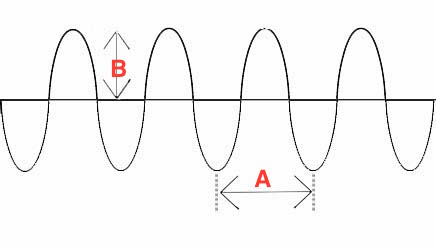
What property of the wave is represented by the letter "A"?

a)

amplitude

b)

crest

c)

trough

d)

wavelength

48.
Which wave in the diagram has the greatest frequency?
a)
1
b)
2
c)
3
d)
4
49.
Which of the following is NOT a mechanical wave?
a)
sound
b)
light
c)
ocean
d)
seismic
50.

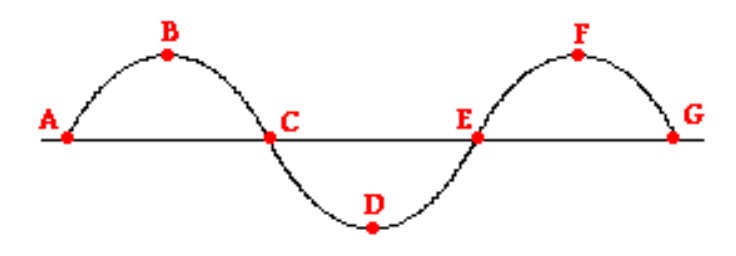
Which letter(s) represent the trough of the wave?

a)

A

b)

B & D

c)

D

d)

C & G

51.
Which wave has a greater frequency?
a)
A
b)
B
52.
What kind of wave is pictured below?
a)
compressional wave
b)
transverse wave
c)
sound wave
d)
mechanical wave
53.

You can't hear sounds in outer space because there is no

a)

medium

b)

light

c)

energy

d)

heat

54.

All waves carry ________ as they travel from one place to another.

a)

matter

b)

space

c)

energy

d)

water

55.

Which wave in the diagram has the greatest frequency?

a)

1

b)

2

c)

3

d)

4

56.

Which wave in the diagram has the greatest wavelength?

a)

1

b)

2

c)

3

d)

4

57.
Bending of waves around an object (such as through a doorway)
a)
sound
b)
diffract
c)
pitch
d)
volume
58.
The number of wavelengths that pass a point each second
a)
frequency
b)
wavelength
c)
pitch
d)
amplitude
59.
How high or low a sound is; depends on the frequency (greater frequency= higher pitch)
a)
pitch
b)
frequency
c)
sound
d)
medium
60.
When the sound source moves, the frequency changes
ex. police car siren sounding lower pitch after the car passes
a)
pitch
b)
frequency
c)
Doppler Effect
d)
medium
61.
A wave in which the vibration is in the same direction as that in which the wave is traveling; sound waves
a)
longitudinal wave
b)
ocean wave
c)
transverse wave
d)
mechanical wave
62.
A reflected sound wave
a)
frequency
b)
pitch
c)
echo
d)
rarefaction
63.
When a sound is louder what measurement gets bigger?
a)
Frequency 
b)
Amplitude 
c)
Wavelength 
d)
Crest
64.
A medium is...
a)
a substance that transmits waves.
b)
a requirement for transmission of light waves.
c)
the movement of material in front of a sound wave.
d)
the density of air in a particular setting.
65.
What does pitch depend on?
a)
amplitude 
b)
frequency
c)
intensity 
d)
volume of sound
66.
What is a natural Vaccuum that Sound cannot travel through?
a)
Water
b)
Air
c)
Liquids
d)
outer Space
67.
All waves carry
a)
energy
b)
light 
c)
matter
d)
particles
68.
You and your father inspect an empty house with the hopes of buying it. You walk through the rooms talking to one another, and you notice that your voices and footsteps are echoing in the big, empty house. What causes the echo?
a)
sound waves reflecting off smooth, flat surfaces throughout the house
b)
sound waves moving around the large rooms
c)
sound waves moving slowly through air
d)
sound waves refracting around corners in the empty rooms
69.
Cletus wants to make ear protectors for people who work around loud jet engines at Hartsfield Airport in Atlanta. Which of the following materials should he experiment with for the best results?
a)
a material that produces sound
b)
a material that absorbs sound
c)
a material that transmits sound
d)
a material that amplifies sound
70.
Which surface is the best reflector of sound? 
a)
bumpy and soft
b)
smooth and soft
c)
smooth and hard
d)
bumpy and hard
71.
EM waves have the same speed but different:
a)
frequency & medium 
b)
wavelength & frequency
c)
medium & wavelength
d)
color & medium
72.
Wave with the longest wavelength
a)
microwave
b)
radio
c)
gamma
d)
visible light
73.
4 is 
a)
radio
b)
UV 
c)
Visible Light
d)
X-ray
74.
7 is 
a)
Radio
b)
UV
c)
Infrared
d)
Gamma
75.
The EM wave with frequency higher than infrared and lower than UV.
a)
radio
b)
visible light
c)
xray
d)
gamma
76.
Infrared rays are important for
a)
Warming the Earth
b)
Providing visible light for plants
c)
Taking X-rays
77.
What is a vacuum? 
a)
A space with only air in it
b)
A space with NO matter at all present
c)
A machine you use to do your chores
78.
EM waves  
a)
Must travel through a vacuum
b)
Can travel through a medium or a vacuum
c)
Are the same type of wave as mechanical waves
d)
Can only travel through a vacuum
79.
You might see lights that give off Infrared radiation
a)
At AppleBee's warming your food
b)
In the super market  cooling the icecream
80.
When the wavelength increases the frequency will
a)
increase
b)
decrease
81.
Predict which EM wave could cause more damage 
a)
Radio wave
b)
UV wave
c)
X-ray
d)
Gamma ray
82.
Which of these lists the EM waves from Highest to lowest frequency?
a)
Radio -  Micro - Gamma - Visible light - UV - Xrays - Infrared - Xrays
b)
Radio - Micro - Infrared - Visible light - UV - X - Gamma waves
c)
Gamma - Xray - UV - Visible light - Infrared - Micro - radio
83.
All EM waves travel at  
a)
different speeds
b)
the speed of sound
c)
the speed of light
d)
the speed of a vacuum
84.

What type of object would cast the best shadow?

a)

transparent

b)

translucent

c)

opaque

85.

Which word means to bend light?

a)

refract

b)

reflect

c)

opaque

d)

translucent

86.

When light rays hit a blueberry they absorb all the colors and reflect one. What color do they reflect?

a)

red

b)

green

c)

blue

d)

orange

87.

Which of the following items would be described as being transparent?

a)

tree

b)

lego

c)

plastic wrap

88.

What is a material that allows light to pass through it?

a)

opaque

b)

transparent

c)

translucent

89.

What is a material that allows some light to pass through it?

a)

opaque

b)

transparent

c)

translucent

90.

What is a material that blocks light from passing through it?

a)

opaque

b)

transparent

c)

translucent

91.

True or False: A water droplet in the sky can act as a prism.

a)

true

b)

false

92.

You are wearing a black shirt. Does your shirt absorb or reflect light?

a)

absorb

b)

reflect

93.

True or False: An orange looks orange because it absorbs orange and reflects the other colors.

a)

true

b)

false

94.
__________ is an energy resource that WILL NOT run out in the next several hundred years.
a)
Renewable Energy Resource
b)
Nonrenewable Energy Resource
95.
__________ is an energy resource that WILL run out in the next several hundred years.
a)
Renewable Energy Resource
b)
Nonrenewable Energy Resource
96.
Hyrdo Power is a __________ energy resource.
a)
Renewable
b)
Nonrenewable
97.
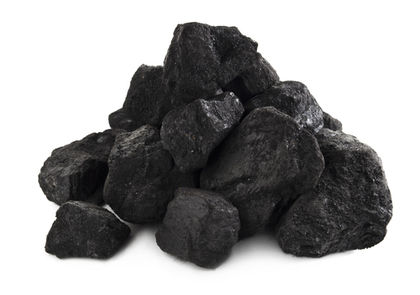
Coal is a __________ energy resource.
a)
Renewable
b)
Nonrenewable
98.
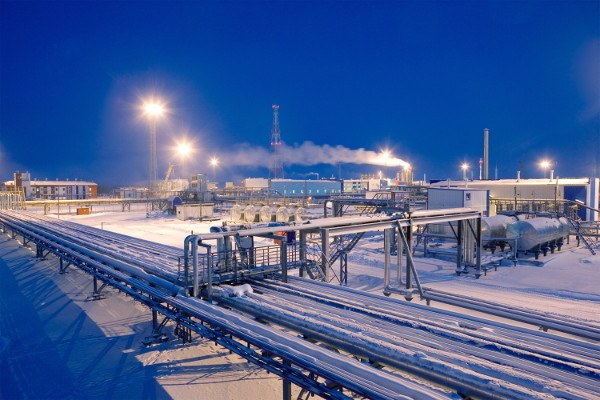
Natural Gas is a __________ energy resource.
a)
Renewable
b)
Nonrenewable
99.
The energy of nuclear reactions between atoms that creates heat and turns turbines is _________.
a)
Coal
b)
Wind
c)
Hydro
d)
Nuclear
100.

What is one advantage of using solar power?

a)

Cloudy Days

b)

Nighttime

c)

It does not create pollution

101.

What is one disadvantage of using solar power?

a)

It is free

b)

At night, no power can be made

c)

It is renewable

102.

What is one disadvantage of using wind power?

a)

It is renewable

b)

The wind is everywhere

c)

It is not always windy

103.
Energy from deep within the Earth is called  ____ energy.
a)
solar
b)
wind
c)
biomass
d)
geothermal
104.

Describe the illustration below

a)

Active solar heating

b)

flat plate solar collector

c)

Passive solar heating

105.

True or False? The burning of fossil fuels such as coal is a big cause of air pollution.

a)

True

b)

False

106.

Uranium, which is a mined radioactive material is used for which nonrenewable energy source?

a)

Nuclear Power.

b)

Hydroelectric Power.

107.

Which image shows a fossil fuel formed from fossilized animals.

a)
b)
108.
An underground layer of rock or sediment that holds water
a)
watershed
b)
groundwater
c)
permeability
d)
aquifer
109.
2/3 of freshwater on Earth is "locked away" in what water source location?
a)
atmosphere
b)
rivers and lakes
c)
underground
d)
ice and glaciers
110.
____________ is the water that collects in spaces and soil UNDERGROUND.
a)
Soil water
b)
Groundwater
c)
under pools
d)
ice caps
111.
A specific source of pollution is known as
a)
Water pollution
b)
Point source 
c)
Non-point source 
112.
What % of freshwater is on Earth?
a)
97%
b)
71%
c)
3 % 
d)
1 %
113.
Widespread pollution problems are known as...
a)
Point source
b)
Non-point source
c)
Erosion
114.
A barrier that runs across a river or stream to control the flow of water.
a)
Reservior
b)
River
c)
Dam
d)
Levee
115.
The uppermost level at which the water in a given area fully saturates rock or soil.
a)
Impermeable surface
b)
Rock and mantle
c)
water table
d)
groundwater recharge
116.
Which sector uses the most water?
a)
agriculture
b)
industry
c)
household
117.
A region of land that drains into a river.
a)
water reclamation
b)
watershed
c)
aquifer
d)
irrigation
118.
Mandates the restoration and maintenance of the chemical, physical, and biological integrity of the nation's waters
a)
Safe Drinking Water Act
b)
Clean Water Act
c)
Clean Air Act
d)
Resource Conservation Recovery Act
119.
Why do water sources need to be conserved?
a)
We have a limited amount of fresh water.
b)
Pollution reduces the amount of usable water.
c)
Because we need to save it for the whales
d)
Both a and b.
120.

Which is a consequence of an increase in greenhouse gases?

a)

Ice caps freezing

b)

global cooling

c)

sea levels rising

121.

Which of the following are greenhouse gases?

a)

Nitrogen

b)

carbon dioxide

c)

oxygen

d)

water vapor

122.

What do we need to replace nonrenewable resources with?

a)

renewable/sustainable resources

b)

other nonrenewable resources

c)

We don't need to replace them

123.

What is biodiversity?

a)

All the same species living in one area

b)

the variability among organisms

c)

all the endangered species in one area

124.

Does what we do today to the environment affect those after us?

a)

NO

b)

YES

c)

MAYBE

125.

What will happen to the populations of seals, polar bears and penguins if the ice caps melt?

a)

Populations will increase

b)

Nothing will happen to the populations

c)

Populations will decrease

126.
The natural chemical or physical processes that breaks down rock on Earth's surface.
a)
weathering
b)
erosion
c)
deposition
d)
jackhammering
127.
The process by which water, ice, wind or gravity moves weathered rock and soil from one place to another.
a)
weathering
b)
erosion
c)
deposition
d)
dumptruck
128.
This type of weathering occurs when rock is physically broken down into smaller pieces of rock.
a)
mechanical weathering
b)
chemical weathering
c)
erosion weathering
d)
deposition
129.
This type of weathering occurs when rocks weaken then break down due to chemical changes in the composition of the rock.
a)
mechanical weathering
b)
chemical weathering
c)
erosion weathering
d)
deposition
130.
These rocks were made smooth by wind blowing smaller rock particles across their surface.  This is an example of:
a)
ice wedging
b)
chemical weathering
c)
acid rain
d)
abrasion
131.
These rocks were broken apart from the continuous freeze/thaw of water in the cracks of the rocks. This is an example of:
a)
ice wedging
b)
acid rain
c)
permeability
d)
abrasion
132.
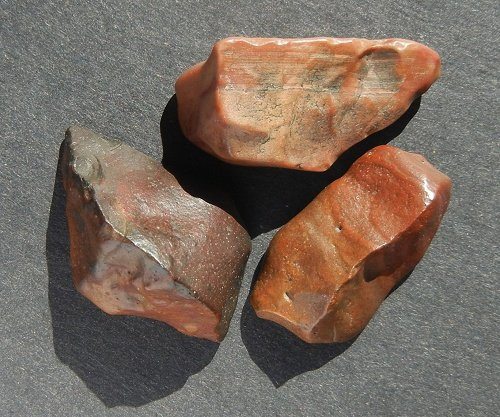
This rock may chemically weather easily because is has many spaces or holes in it that allow water to seep through it, meaning it is:
a)
permeable
b)
abrasive
c)
erosion
d)
unchangable
133.
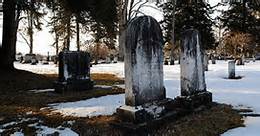
These gravestones have slowly broken down and turned a blackish color due to the action of:
a)
ice wedging
b)
abrasion
c)
acid rain
d)
mechanical weathering
134.
How might a weathered mountain appear different than an unweathered mountain?
a)
Weathered mountain would be taller.
b)
Weathered mountain would be rounder and less jagged.
c)
Weathered mountain would be more jagged and less rounded.
d)
Weathered mountain would have no trees.
135.
How is mechanical weathering different from chemical weathering?
a)
Chemical weathering happens over much shorter time frame than mechanical weathering.
b)
Chemical weathering changes the chemical composition of rocks; mechanical weathering does not.
c)
Chemical weathering occurs only in tropical climates; mechanical weathering occurs only in cool climates.
d)
Chemical weathering occurs only in the mountains; mechanical weathering occurs only on flat land.
136.
Weeds growing into the cracks in a sidewalk and the sidewalk begins to crumble is an example of:
a)
mechanical weathering
b)
chemical weathering
137.
Potholes forming in the road after a cold winter is an example of:
a)
mechanical weathering
b)
chemical weathering
138.
A metal statue slowly turning green after years of being outside is an example of:
a)
mechanical weathering
b)
chemical weathering
139.
Rocks along a riverbed that are smoothed from continuously moving water and sediment rubbing against them is an example of:
a)
mechanical weathering
b)
chemical weathering
140.
A piece of sandstone changing color (from brown to rusty red) from exposure to water and air is an example of:
a)
mechanical weathering
b)
chemical weathering
141.
The formation of stalactites and stalagmites in a cave as water mixed with carbon dioxide creates carbonic acid, which dissolves away the limestone, is an example of:
a)
mechanical weathering
b)
chemical weathering
142.
The formation of large cracks in the face of a mountain from ice wedging is an example of:
a)
mechanical weathering
b)
chemical weathering
143.
Acid rain wearing away the face of a marble gravestone or statue is an example of?
a)
mechanical weathering
b)
chemical weathering
144.
Exposure to rain and oxygen causes the metal minerals in rocks to rust and fall apart.  This is an example of:
a)
mechanical weathering
b)
chemical weathering
145.
Lichens (small green plants) growing on a large boulder release enzymes and other acids that slowly break the rock apart. This is an example of:
a)
mechanical weathering
b)
chemical weathering