wayground logo

Free Printable Worksheets

Font size

S
M
L
XL
Worksheets

Ecosystem Review

Total questions: 140

Worksheet time: 4hrs 17mins

Name
Class
Date
1.
The total number of individuals a habitat can survive with the resources it has available.
a)
Carrying capacity
b)
Limiting factors
c)
Resources
d)
Population
2.
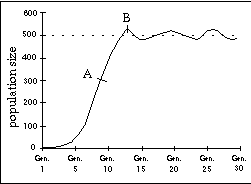
What is the carrying capacity of the following graph?
a)
1000
b)
8000
c)
800
d)
600
3.
What is the carrying capacity of the graph?
a)
around 500
b)
more than 500
c)
less than 500
d)
around 600
4.
When a specific population grows past the ecosystem's carrying capacity, what happens to the population?
a)
Density Independent limiting factors start to occur resulting in the population going farther above carrying capacity.
b)
Density Dependent limiting factors start to occur resulting in the population going back below carrying capacity.
c)
The population will go extinct due to lack of resources
d)
The population grows then finds a new carrying capacity
5.
If the amount of food or resources available increases, the carrying capacity for an animal:
a)
Stays the same
b)
Increases
c)
Decreases
d)
Fluctuates
6.
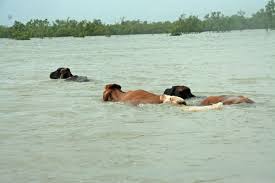
Excessive amounts of rain caused a flood in the southwest United States that resulted in substantial amounts of deaths in the rabbit population? This situation is an example of a density _____________ limiting factor.
a)
density-independent
b)
density-dependent
c)
density- too high
d)
density- too low
7.
Limiting factors which impact the size of a population no matter how large that population is.
a)
Density Independent Limiting Factors
b)
Density Dependent Limiting Factors
c)
Carrying Capacity
d)
Exponential Growth
8.
An environmental factor such as storms and extreme heat or cold that decrease a population are considered to be. 
a)
density- dependent factor
b)
population density
c)
dispersion
d)
density- independent factor
9.

Natural disasters can be considered limiting factors.

a)

true: density independent limiting factors

b)

false; natural disasters are not limiting factors

c)

true: density dependent limiting factors

d)

false: because Mrs. Schaffer said

10.

A lion and a cheetah attempt to occupy the same niche. The more aggressive lion survives; the cheetah does not.

a)

Density-Dependent: Competition

b)

Density-Independent: Competition

c)

Density-Dependent: Predator-Prey

d)

Density-Independent: Predator-Prey

11.

Coyotes cross the winter pack ice and enter Newfoundland. The moose population starts to decline.

a)

Density-Dependent: Competition

b)

Density-Independent: Competition

c)

Density-Dependent: Predator-Prey

d)

Density-Independent: Predator-Prey

12.

A severe frost wipes out 50% of the coffee crop in Brazil.

a)

Density-Dependent

b)

Density-Independent

13.

Due to severe overcrowding in an Asian village, many children do not survive to reach adulthood.

a)

Density-Dependent: Disease

b)

Density-Independent: Disease

14.

Since lynx prey on hares, an increase in the hare population causes an increase in the lynx population.

a)

Density-Dependent: Competition

b)

Density-Independent: Competition

c)

Density-Dependent: Predator-Prey

d)

Density-Independent: Predator-Prey

15.

A severe flood in the Red River Valley causes a decline in the deer population.

a)

Density-Dependent

b)

Density-Independent

16.

Due to stress, large numbers of female lemmings miscarry their young and fail to reproduce.

a)

Density-Dependent

b)

Density-Independent

17.

Travelers who visit a crowded African village become infected with a disease caused by parasites.

a)

Density-Dependent

b)

Density-Independent

18.

Many fish die due to a change in the winds and the appearance of the El Nino ocean current off the coast of Peru and Chile.

a)

Density-Dependent

b)

Density-Independent

19.

Fish on a coral reef stake out their territory and chase away any younger fish that try to live there.

a)

Density-Dependent

b)

Density-Independent

20.

An extensive drought in the Serengeti Plain threatens wildebeest, giraffe, zebra, and springbok populations.

a)

Density-Dependent

b)

Density-Independent

21.

What happens if a population grows past its carrying capacity?

a)

The population keeps growing

b)

The population starts to die off

c)

The entire species will go extinct

d)

The carrying capacity just increases

22.

What is the carrying capacity of the graph?

a)

1000

b)

8000

c)

800

d)

600

23.

The largest number of individuals that an environment can support long term is...

a)

carrying capacity

b)

emigration

c)

immigration

d)

population density

24.

Something that regulates the size of a population is called...

a)

a limiting measure

b)

a limiting factor

c)

carrying capacity

d)

biodiversity

25.

What is the carrying capacity of the graph?

a)

around 500

b)

more than 800

c)

less than 300

d)

around 700

26.

When death rate is equal to birth rate...

a)

population increases

b)

population decreases

c)

population stays the same.

d)

population rapidly increases then becomes stable

27.

When the death rate rises and the birth rate lowers...

a)

population increases

b)

population decreases

c)

population stays the same

d)

all of these

28.

When birth rate is high and death rate is low...

a)

population increases

b)

population decreases

c)

population stays the same

d)

all of these

29.

This may cause a population to increase

a)

increase of food supply

b)

removal of predators

c)

removal of disease

d)

all of these

30.
Which of the following would INCREASE the carrying capacity of an ecosystem?
a)
increase in predators
b)
disease
c)
increase in available food
d)
drought
31.

Which land biome is mainly covered with grass?

a)

Desert

b)

Taiga

c)

Grassland

d)

Tundra

32.

Which biome is also known as the "Temperate Forest"?

a)

Deciduous Forest

b)

Tropical Rain Forest

c)

Tundra Forest

d)

Taiga Forest

33.

Which land biome is the ground frozen all year round?

a)

Grassland

b)

Taiga

c)

Tundra

d)

Deciduous Forest

34.

Which land biome is covered mainly with conifer trees?

a)

Tropical Rain Forest

b)

Deciduous Forest

c)

Tundra

d)

Taiga

35.

Which biome is hot and humid all year round with plenty of rain?

a)

Tundra

b)

Tropical Rain Forest

c)

Taiga

d)

Temperate Forest

36.

Which is the largest land biome in the world?

a)

Taiga

b)

Tundra

c)

Grassland

d)

Desert

37.

Which land biome is divided into 4 levels/layers?

a)

Deciduous Forest

b)

Tropical Rain Forest

c)

Tundra

d)

Taiga

38.

Which land biome do we live in?

a)

Grassland

b)

Tundra

c)

Deciduous Forest

d)

Taiga

39.

Which land biome is the coldest in temperature without any trees?

a)

Taiga

b)

Grassland

c)

Tundra

d)

Deciduous Forest

40.

Which biome is sandy and/or rocky with very little rain?

a)

Desert

b)

Tundra

c)

Grassland

d)

Tropical Rain Forest

41.

Which biome has tree leaves that change color and drop off as the season changes from fall to winter?

a)

Tropical Rain Forest

b)

Deciduous Forest

c)

Tundra

d)

Coniferous Forest

42.

Prairies and savannas are two examples of this land biome?

a)

Tundra

b)

Grassland

c)

Desert

d)

Taiga

43.

Which land biome is located near and/or along the Earth's Equator?

a)

Grassland

b)

Temperate Forest

c)

Tropical Rain Forest

d)

Tundra

44.

The following animals are common to which land biome? (anaconda, gorilla, monkey, toucan bird, red-eyed tree frog, python, jaguar, three-toed sloth, anteater, macaw bird)

a)

Deciduous Forest

b)

Tropical Rain Forest

c)

Tundra

d)

Taiga

45.

The following animals are common to which land biome?

(polar bear, walrus, arctic fox, seal, penguin, snowy owl, caribou, arctic hare, musk oxen)

a)

Tundra

b)

Taiga

c)

Temperate Forest

d)

Coniferous Forest

46.

The following animals are common to which land biome? (white-tailed deer, black bear, turkey, chipmunk, skunk, raccoon, groundhog, and squirrel)

a)

Grassland

b)

Tundra

c)

Deciduous Forest

d)

Coniferous Forest

47.

The following animals are common to which land biome? (zebra, ostrich, lion, giraffe, bison, elephant, cheetah, hyena, hippo, rhino, prairie dog, and ostrich)

a)

Desert

b)

Grassland

c)

Tundra

d)

Tropical Rain Forest

48.

The following animals are common to which land biome? (moose, elk, lynx, red deer, bobcat, mountain goat, grizzly bear, and gray wolf)

a)

Temperate Forest

b)

Tundra

c)

Deciduous Forest

d)

Taiga

49.

The following animals are common to which land biome? ( scorpion, camel, fennec fox, kangaroo rat, black widow spider, roadrunner, and jackrabbit)

a)

Desert

b)

Tundra

c)

Deciduous Forest

d)

Grassland

50.

A biome is _______________________________________

a)

all the living things in a small area.

b)

a very large ecosystem.

c)

all the members of one species in an area.

d)

a role/ job of an organism.

51.
Which symbols best describe mutualism?
a)
+,+
b)
+,-
c)
+,0
d)
-,0
52.
a relationship that occurs when two or more organims of the same species need the same resource at the same time
a)
competition
b)
symbiosis
c)
predation
53.

Ostriches and gazelles are two animals that live in Africa. They graze for food near each other because they help each other spot predators. The gazelle has excellent eyesight, but poor hearing, and the ostrich has excellent hearing, but poor eyesight. These two animals will alert one another when danger is near. Which term best describes this relationship?

a)

Predation

b)

Commensalism

c)

Mutualism

d)

Parasitism

54.

Barnacles are sea creatures that create a home by attaching themselves to whales. The whales are unaffected by the barnacles. Which term best describes this symbiotic relationship?

a)

Commensalism

b)

Parasitism

c)

Predation

d)

Mutualism

55.

A cuckoo and a warbler are both birds. A cuckoo will find the nest of warbler instead of building her own, and she harms the warbler by knocking a warbler egg out of nest and laying her own. When the warbler mother returns, she isn’t aware of the switch. The warbler will then raise the baby cuckoo bird instead of her own baby. Which term best describes this relationship?

a)

Predation

b)

Parasitism

c)

Commensalism

d)

Mutualism

56.
Which symbols best describe mutualism?
a)
+,+
b)
+,-
c)
+,0
d)
-,0
57.
Which symbols best describe parasitism?
a)
+,+
b)
+,-
c)
+,0
d)
-,0
58.
Which symbols best describe commensalism?
a)
+,+
b)
+,-
c)
+,0
d)
0,0
59.
A tick and a dog have this type of relationship.
a)
mutualism
b)
commensalism
c)
neutralism
d)
parasitism
60.
Cattle egrets are birds that forage in fields among cattle. The egrets get easy access to food and the cattle don't care if they are there or not.
a)
mutualism
b)
commensalism
c)
competition
d)
parasitism
61.
Red-billed oxpeckers are birds that feed on parasites found on an impala. The impala gets rid of parasites and the red-billed oxpeckers get a yummy dinner. This is an example of _______.
a)
commensalism
b)
mutualism
c)
neutralism
d)
competition
62.

A relationship between two organisms in which one organism benefits and the other is unharmed.

a)

Mutualism

b)

Competition

c)

Parasitsm

d)

Commensalism

63.
Barnacles create home sites by attaching themselves to whales. This neither harms nor benefits the whales.
a)
Mutualsim 
b)
Parasitism 
c)
Commensalism 
64.
Mistletoe extracts water and nutrients from the spruce tree to the tree's detriment (harm). 
a)
Mutualsim 
b)
Parasitism 
c)
Commensalism 
65.

Two organisms that are so similar they can interbreed in nature and produce fertile offspring.

a)

biotic factor

b)

herbivore

c)

ecosystem

d)

species

66.

Silverfish live and hunt with army ants. They share the prey. They neither help nor harm the ants.

a)

Mutualism

b)

Parasitism

c)

Commensalism

d)

Predation

67.
Cattle egrets foraging in fields among cattle. The egret gets easy access to food and the cattle don't care if they are there or not.
a)
mutualism
b)
commensalism
c)
competition
d)
parasitism
68.
Remoras are small fish that swim close to or attach themselves to sharks.  Remoras eat small scraps left as the sharks feed and the sharks are unaffected. 
a)
Competition
b)
Predation
c)
Mutualism
d)
Commensalism
69.
A tapeworm and a dog have this type of relationship.
a)
mutualism
b)
parasitism
c)
commensalism
d)
competition
70.
Barnacles create home sites by attaching themselves to whales. Since the barnacle is a filter feeder, it also gets access to more water (and food) due to the relationship. The whale is unaffected.
This is an example of which type of symbiosis?
a)
Commensalism
b)
Mutualism
c)
Parasitism
d)
Competition
71.
Wrasse fish feed on the parasites found on the black sea bass's body (usually in the mouth). This is like dental floss for the fish and both species benefit.
This is an example of which type of symbiosis?
a)
Commensalism
b)
Mutualism
c)
Parasitism
d)
Predation
72.
Ostriches and gazelles feed next to each other. They both watch for predators. Because the visual abilities of the two species are different, they can each identify threats that the other animal may not see as readily. Both species benefit.
This is an example of which type of symbiosis?
a)
Commensalism
b)
Mutualism
c)
Parasitism
d)
IDK
73.
Clown fish live among anemones, acting as a lure for the sea anemone's prey. The clown fish gets protection and shelter from the anemone.
This is an example of which type of symbiosis?
a)
Commensalism
b)
Mutualism
c)
Parasitism
d)
IDK
74.
Mistletoe extracts water and nutrients from the spruce tree to the detriment (ill effect) of the spruce.
This is an example of which type of symbiosis?
a)
Commensalism
b)
Mutualism
c)
Parasitism
d)
IDK
75.
Oxpecker birds feed on the ticks found on a rhinoceros. Both species benefit since the oxpecker gets food and the rhino gets rid of a parasite.
This is an example of which type of symbiosis?
a)
Commensalism
b)
Mutualism
c)
Parasitism
d)
IDK
76.
A flea feeds on the blood of a rat. This harms the rat.
This is an example of which type of symbiosis?
a)
Commensalism
b)
Mutualism
c)
Parasitism
d)
IDK
77.
As bison walk through grass, insects become active and are seen and eaten by cowbirds. This relationship neither helps nor harms the bison.
This is an example of which type of symbiosis?
a)
Commensalism
b)
Mutualism
c)
Parasitism
d)
IDK
78.
Bacteria in the intestines of cows gain nutrients and aid in the cow's'  digestion
a)
commensalism
b)
mutualism
c)
parasitism
d)
competition
79.
A relationship between two organisms in which one organism benefits and the other is unharmed...
a)
Mutualism 
b)
Competition
c)
Parasitsm 
d)
Commensalism 
80.
 Skunks often live in burrows that have been dug and abandoned by woodchucks. This relationship is an example of _______.
a)
commensalism
b)
mutualism
c)
parasitism
d)
predation
81.
Red-billed oxpeckers are birds that often feed on parasites that infest impala.  This is an example of _______.
a)
commensalism
b)
mutualism
c)
neutralism
d)
competition
82.
A relationship between two organisms in which both organisms benefit. 
a)
Mutualism 
b)
Competition
c)
Parasitsm 
d)
Commensalism 
83.
A relationship between two species where one benefits while the other is harmed.
a)
Mutualism
b)
Commensalism
c)
Parasitism
d)
Naturalism
84.
A relationship between two organisms in which both organisms benefit. 
a)
Mutualism 
b)
Competition
c)
Parasitsm 
d)
Commensalism 
85.
What type of symbiosis is this?
Snails die and leave behind their shells.Hermit crabs find shells left by snails that have died and move in. 
a)
commensalism
b)
mutualism
c)
parasitism
d)
predation
86.
 Hummingbirds feed on nectar from flowers.  The flowers are pollinated by hummingbirds as they move from flower to flower. What type of symbiosis is this?
a)
commensalism
b)
mutualism
c)
parasitism
d)
predation
87.
All energy on Earth ultimately comes from what source?
a)
Water
b)
Sun
c)
Consumers
d)
Oxygen
88.
What are plants called in a food chain?
a)
Producers
b)
Consumers
c)
Decomposers
d)
Scavengers
89.
What are animals called in a food chain?
a)
Producers
b)
Consumers
c)
Decomposers
d)
Plants
90.
What are the organisms that break down dead stuff?
a)
Producers
b)
Consumers
c)
Decomposers
d)
Organisms
91.
Where does the energy start in this food chain?
a)
Plant
b)
Sun
c)
Deer
d)
Wolf
92.

Click on the image to make it larger-- Choose all that apply: The hawk gets energy from...

a)

mouse

b)

rabbit

c)

wildflowers

d)

snake

93.

Click on the image to make it larger-- Choose the living things that are producers...

a)

wildflowers

b)

rabbit

c)

snake

d)

grass

94.

Click on the imgae to make it larger-- Choose the herbivores in the food web....

a)

hawk

b)

mouse

c)

rabbit

d)

snake

95.

A ____________________ shows how energy is passed from one living thing to another...

a)

ecosystem

b)

food chain

c)

habitat

96.

A cow eats grass found in its habitat. A cow is a

a)

producer

b)

consumer

c)

herbivore

97.

Bears eat berries and salmon. Bears are ...

a)

producers

b)

carnivores

c)

omnivores

98.

Why might an organism have more than one arrow coming from them in a food web?

a)

More than one organism may eat them.

b)

They may eat more than one other organism.

c)

This organism gets its energy from multiple sources.

99.
What is missing from this food chain?
Grass > Grasshopper > Bird > Snake
a)
Producer
b)
Primary Consumer
c)
Secondary Consumer
d)
Decomposer
100.

Plants are called _____________ as they make their own food.

a)

consumers

b)

producers

c)

decomposers

d)

conductors

101.

Plants obtain light from the sun to make food during _______________.

a)

respiration

b)

pollination

c)

reproduction

d)

photosynthesis

102.

Consumers that feed on plants are also known as ____________.

a)

herbs

b)

herbivores

c)

spores

d)

reservoirs

103.

Consumers that eat other animals are also known as ________________.

a)

carnivores

b)

carnivals

c)

producers

d)

decomposers

104.

Animals that eat both plants and animals are known as ______________

a)

greedy

b)

herbivores

c)

carnivores

d)

omnivores

105.
What's the role of consumers in a food chain?
a)
Use sunlight to make food 
b)
Eat other species and keep them from overpopulating
c)
Break down dead stuff
d)
Add nutrients to the soil
106.
Which food chain is in the correct order?
a)
cat, grass, bird, snail
b)
bird, snail, grass, cat
c)
grass, snail, bird, cat
d)
grass, cat, bird, snail
107.
Molds, bacteria, and worms are ________.
a)
decomposers
b)
producers
c)
consumers
d)
food chains
108.
Humans are considered...
a)
consumers
b)
decomposers
c)
producers
109.

In the food web shown, who is the secondary consumer?

a)

grass

b)

mouse

c)

rabbit

d)

fox

110.

What does a primary consumer eat?

a)

tertiary consumers

b)

secondary consumers

c)

producers

d)

decomposers

111.
What does a food web represent?
a)
All connections of energy flow throughout all organisms in a ecosystem.
b)
The specific ways that mutualism is carried out.
c)
A single pathway or energy flow between organisms. 
d)
How carnivores get their food. 
112.

Which organisms compete for food in the food web to the

right?

a)

Orca and Herring

b)

Seal and Copepod

c)

Killifish and Snapper

d)

Mackerel and Bluefish

113.

What is the driving source of energy for the food web to

the right?

a)

Sun

b)

Orca

c)

Seal

d)

Larvae

114.

In the diagram, which organism provides nutrients for the

largest number of other organisms?

a)

Seal

b)

Herring

c)

Snapper

d)

Bluefish

115.
If the grasshopper were to be removed completely from the food web, what organism would be most effected?
a)
The squirrel
b)
The shrew
c)
The deer
d)
The rabbit
116.
Which organism recieves the least amount of energy from the producer?
a)
Owl
b)
Grasshopper
c)
Lilypad
d)
Mouse
117.

Click on the imgae to make it larger-- Choose the herbivores in the food web....

a)

hawk

b)

mouse

c)

rabbit

d)

snake

118.

Click on the image to make it larger--The rabbit gets energy from the ....

a)

hawk

b)

mouse

c)

wildflowers

d)

grass

119.

Click on the image to make it larger-- Choose the living things that are producers...

a)

wildflowers

b)

rabbit

c)

snake

d)

grass

120.

Click on the image to make it larger-- Choose all that apply: The hawk gets energy from...

a)

mouse

b)

rabbit

c)

wildflowers

d)

snake

121.
What percentage of energy is passed on to each tropic level?
a)
10%
b)
50%
c)
90%
d)
100%
122.
In this energy pyramid, which organisms have the most energy available?
a)
Producers
b)
Carnivores
c)
Herbivores
d)
Top Predator
123.
How many carnivores are shown in this food web?
a)
6
b)
4
c)
5
d)
3
124.
In this ecological pyramid which type of consumer gets only 10% of the energy stored in plants?
a)
Herbivore
b)
Carnivore
c)
Omnivore
d)
Secondary Consumer
125.
What is this called?
a)
Food Web
b)
Food Chain
c)
Abiotic Factors
126.
Where does the energy start in this food chain?
a)
Plant
b)
Sun
c)
Deer
d)
Wolf
127.
Energy increases as you move up the food pyramid (from bottom to top).
a)
True 
b)
False
128.
A connection of food chains with many food energy paths in an ecosystem is a ____________
a)
ecosystem
b)
food web
c)
environment
129.
In a food web, arrows point at:
a)
who gets energy.
b)
who gets eaten.
130.
Who does the grasshopper get energy from? 
a)
Grass
b)
Grasshopper
c)
Mouse
d)
Ow
131.
An organism that eats the secondary consumer.
a)
Primary Consumer
b)
Secondary Consumer
c)
Tertiary Consumer
d)
Consumer
132.
Organisms which carry out the process of decomposition by breaking down dead or decaying organisms.
a)
Consumer
b)
Producer
c)
Decomposer
d)
Herbivore
133.

How are primary consumers different from secondary consumers?

a)

Primary consumers eat only plants; secondary consumers eat other consumers.

b)

Primary consumers eat other consumers; secondary consumers eat only plants.

c)

Primary consumers eat plants and other consumers; secondary consumers eat plants and decompose matter.

d)

Primary consumers eat plants and decompose matter; secondary consumers eat plants and other consumers.

134.

Which organism is the carnivore?

a)
b)
c)
d)
135.

Which organism is the omnivore?

a)
b)
c)
d)
136.

All food webs and food chains begin with _________________.

a)

primary consumer

b)

producers

c)

secondary consumers

d)

tertiary consumers

137.

In an ecological pyramid, which type of organism always has the least amount of energy available?

a)

Producers

b)

Herbivores

c)

Carnivores

d)

Apex Predator

138.

If there are 100 Kcal of energy available in the producers, how much energy would be available in the primary consumers?

a)

10 Kcal

b)

1 Kcal

c)

100 Kcal

d)

1000 Kcal

139.

Which organism do the owl and the weasel compete for in the food web?

a)

Hawk

b)

Spider

c)

Grasshopper

d)

Shrew

140.

Based on the image, which organism recieves the least amount of energy from the producer?

a)

Owl

b)

Grasshopper

c)

Lilypad

d)

Mouse