
 Worksheets
Y8 KS3 Unit 6 Revision Questions
Total questions: 140
Worksheet time: 2hrs 22mins
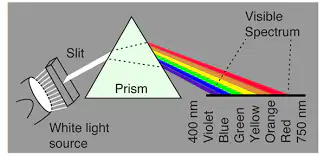
What is light doing when it enters the prism?
reflecting
absorbing
traveling along the same direction
What is light doing after it leaves the prism?
splits into the spectrum of visible light
it bends back to its original pathway
it splits into different colors that do NOT merge inbetween
it reflects a rainbow back to our eyes
Why does a green apple appear green when white light shines on it?
Because it absorbs all colors of light except green, which it reflects
Because it absorbs all colors of light including green, which it reflects
Because it absorbs only green light and reflects all other colors
Because it emits green light when exposed to white light
Because it refracts all colors of light except green
What happens to the speed of light when it passes from air to glass?
It increases/faster
It decreases/slows
It remains the same
It stops
It becomes invisible
What happens to the speed of light when it passes from air to water?
It increases/faster
It decreases/slows
It remains the same
It stops
It becomes invisible
What happens to the speed of light when it passes from water to air?
It increases/faster
It decreases/slows
It remains the same
It stops
It becomes invisible
Which way does light bend when it SLOWS down?
bends towards the normal
bends away from the normal
Which way does light bend when it SPEEDS UP?
bends towards the normal
bends away from the normal
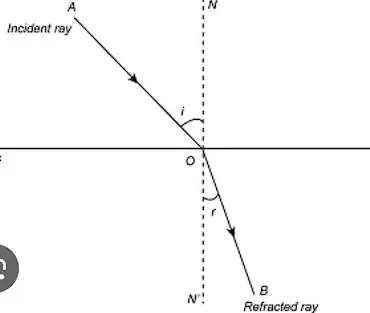
What mediums could light be traveling through?
air to glass/water
glass/water to air

What mediums could light be traveling through?
air to glass/water
glass/water to air

Which correctly shows how light will travel in the glass box?
GREEN/TOP LINE
RED/MIDDLE LINE
ORANGE/BOTTOM LINE
Man these are terrible ray drawings.
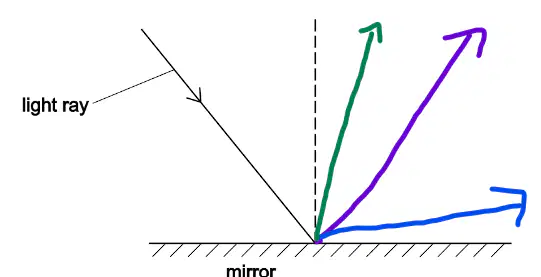
Which best shows how light will be reflected?
GREEN
PURPLE
BLUE
again. awful. ray. diagrams.
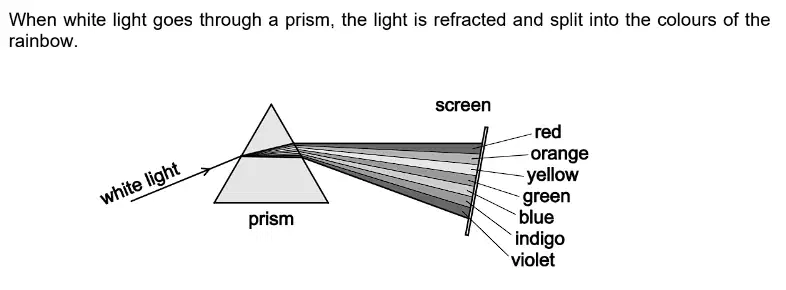
What is the name of this process?
(a)
A stage light uses a white lamp. What colour of light will be seen when….A yellow filter is used
blue
black
yellow
white
A green ball appears green. What two colours of light could each be shining on the green ball?
blue
green
white
red
magenta
A blue ball appears black. What two colours of light could each be shining on the blue ball?
blue
green
white
red
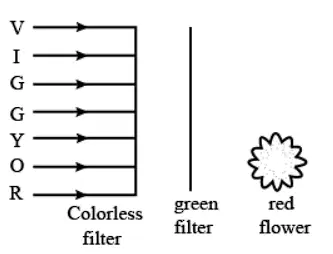
The light passing through the filters falls on the red flower. In which colour will the flower appear?
white
green
black
red
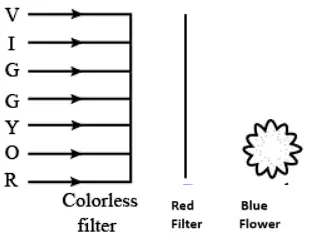
What color will you see on the blue flower?
blue
black
white
red
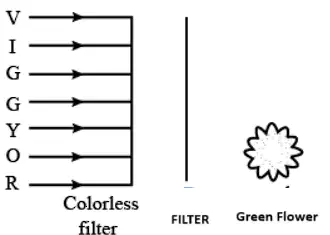
What color filter can be used in order to see a green flower?
green
colorless
black
red
blue
A tshirt looks red... Why? Pick 3
the t-shirt is red and is seen in white light
the tshirt is red and is seen in red light
the tshirt is blue and is seen in green light
the tshirt is white and is seen in red light
the tshirt is yellow and is seen in blue light
Objects that appear black are.....
reflecting all colors of visible light
absorbing all colors of visible light
reflecting black color
absorbing black color
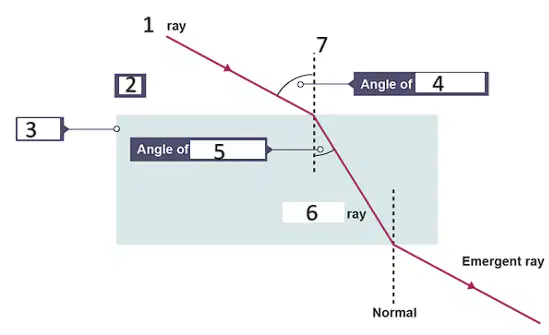
Label 1
(a)
Label 2
(a)
Label 3
(a)
Label 4
(a)
Label 5
(a)
Label 6
(a)
Label 7
(a)
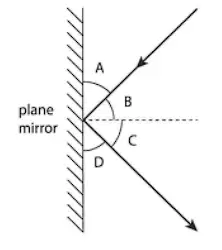
which is the angle of incidence
A
B
C
D
which is the angle of REFLECTION
A
B
C
D
TYPE THE ORDER OF THE VISIBLE SPECTRUM OF LIGHT. USING THE FIRST LETTER OF EACH COLOR
(a)
TYPE THE ORDER OF THE VISIBLE SPECTRUM OF LIGHT. PUT A SPACE BETWEEN EACH COLOR.
(a)
What is the law of reflection?
The angle of reflection is equal to the angle of refraction
The angle of reflection is greater than the angle of incidence
The angle of reflection is less than the angle of incidence
The angle of reflection is equal to the angle of incidence
The angle of reflection is perpendicular to the surface of reflection
Why does dispersion happen?
Because of the reflection of light waves reflect at different wavelengths and angles
Because of the refraction of light waves entering a black hole
Because of the absorption of light waves and remission and special colors
Because of the diffraction of light waves
Because different colors of light have different wavelengths and thus refract at different angles
when adding colours of light: red + green =
(a)
when adding colours of light: red + blue =
(a)
when adding colours of light: green + blue =
(a)
when adding colours of light: green + blue +red =
(a)
Which of these is NOT primary color?
blue
green
yellow
red
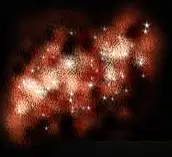
What shape is this galaxy?
(a)
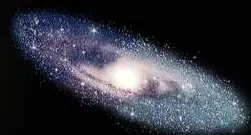
What shape is this galaxy?
(a)
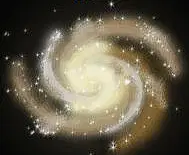
What shape is this galaxy?
(a)
Which is not a galaxy shape? (that we covered)
elliptical
spiral
irregular
spherical
A large collection of stars, dust, gas, planets and solar systems is called a (a)
What is everything and all of space?
(a)
What are rocky objects usually smaller than planets called?
(a)
What force holds galaxies together?
(a)
Which of these are found in galaxies? Choose ALL that apply.
planet
star
stellar gas
universe
black holes
Where did the rocks come from to form asteroids?
They originated from volcanic eruptions on planets
They formed from the condensation of gases in the early solar system
They are remnants of shattered planets
They are fragments left over from the formation of the solar system
They were ejected from the Sun during solar flares
What color(s) of light will be transmitted through a red filter?
Blue
Green
Red and Green
Red
Red and Blue
If white light shines through a blue filter, what color(s) will be observed?
BLUE
RED
GREEN
CYAN
What color(s) of light will be absorbed by a green object when illuminated by white light?
Blue
Green
Green and Blue
Red


In the diagram, which letter represents the angle of incidence?
A
B
C
D


How does light behave when hitting this shirt?
Yellow is absorbed; all other colors are reflected.
Yellow is reflected; all other colors are absorbed.
All colors are absorbed, but yellow is refracted.
Yellow is scattered and all other colors are absorbed.

How will this orange appear when looking at it through a blue filter? (Assume the orange color and the filter color are pure.)
Blue
Green
Black
Orange

Which color(s) will be transmitted by this filter?
No colors are transmitted.
All colors but green
Only green

Which color will transmit through the filter?
Red only
Blue and Violet
Green
All colors

Why won't the red filter allow the other colors to transmit?
Because they reflect off of the filter.
Because only the color of the filter can pass through the filter.
Because only the color of the filter is absorbed by the filter.

What is happening with the light on the girl's face?
White light is being refracted.
White light is being absorbed.
White light is being reflected.
White light is being scattered.

How will this object appear when looking at it through a yellow filter?
Black
Yellow
Purple
Green
If an object appears black when looking through a green filter, what color could the object possibly be?
Green
White
red
If an object appears blue when looking through a blue filter, what color could it be based on the choices below?
Green
Red
Black
White

How does your eye interpret the light striking this object?
Orange is absorbed and all other colors are reflected.
Orange is reflected and all other colors are absorbed.
All colors are absorbed.
All colors re reflected.


Which colour combinations produce yellow?
Red and Cyan
Cyan and Magenta
Red and Blue
Red and Green
What colours is white light made from?
Orange, Green, Pink, Magenta, Peach, Rose, Lemon
Red, Orange Yellow, Green, Black, Indigo, Violet
Red, Orange, Yellow, Green, Blue, Indigo, Violet
Red, Orange, Yellow, Grey, Blue, Indigo, Violet
Which pair of colours do NOT combine to make the correct secondary colours?
Red + Blue = Magenta
Red + Green = Yellow
Blue + Green = Cyan
Red + Yellow = Green


Why does this the t-shirt appear red and the shorts appear blue? Choose the correct statements.
The t-shirt reflects red light.
The t-shirt reflects blue light
The shorts absorb yellow light
The shorts reflect blue light
Other colours are absorbed

Which image correctly shows how a magenta and a yellow filter produce coloured light?
A
B
Why do a magenta filter and a yellow filter produce two coloured light?
They allow only one wavelength (colour) of light to pass through.
They allow primary colours of light to pass through.
The filters separate the primary colours which make up the secondary colours (magenta & yellow).

In the additive colour mixing, select the secondary colours.
Yellow
White
Magenta
Cyan
Which colour combinations produce yellow?
Red and Cyan
Cyan and Magenta
Red and Blue
Red and Green

A leaf is green. What does this tell you about the light that is being absorbed?
The light is a UV ray.
The light is not a part of the light spectrum.
All colors are reflected except green.
All colors are absorbed except green
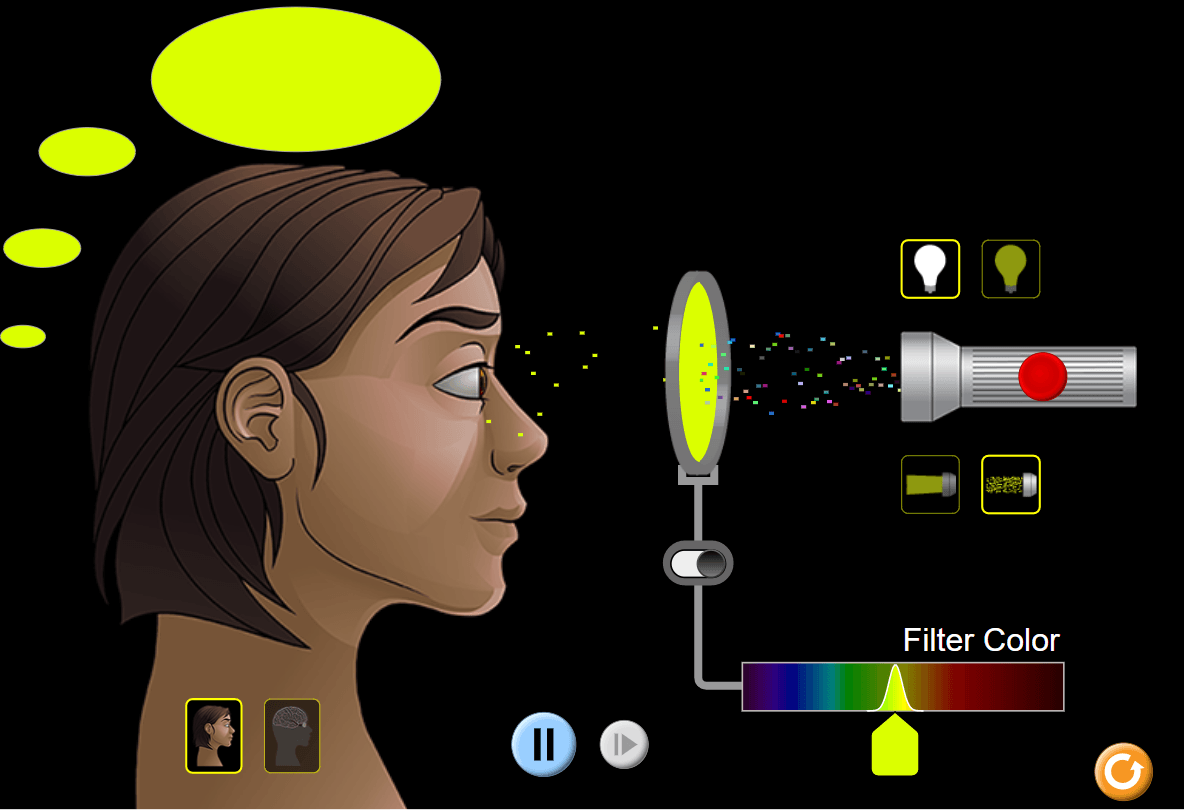
How do color filters affect white light?
Color filters allow all colors through, except for the color of the filter.
Color filters only allow one wavelength of light through - the wavelength of the color filter.
Color filters remove white light frequencies from the light.
Color filters only affect colored light.
Fill in the Blank. A green wall will appear ___________________ when viewed through a red filter.
red
green
black
white
How would a tomato look under blue light?
The tomato would seem to disappear
The tomato would still appear red
The tomato would appear black
The tomato would appear white
Fill in the Blank. An opaque object has a particular color because it reflects some wavelength of light and ______________________ the rest.
filters
reflects
transmits
absorbs
The normal is ____ to the mirror
Perpendicular
Parallel
Perpendicular and Parallel
None of the above
What is reflection?
Light bouncing off a smooth surface
Light absorbing into a smooth surface
Light bending off a smooth surface
Light scattering off a smooth surface
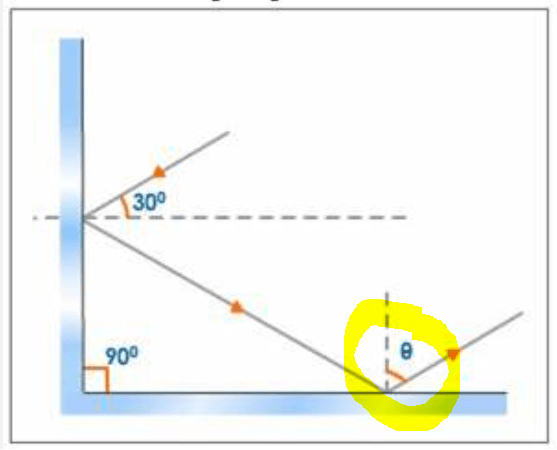
What is the value of the unknown angle in the following diagram?
60 degrees
30 degrees
90 degrees
45 degrees

A student does the experiment on tracing the path of a ray of light passing through a rectangular glass slab for different angles of incidence. He can get a correct measure of the angle of incidence and the angle of emergence by following the labelling indicated in figure:
I
II
III
IV
A ray of light is travelling from a rarer medium to a denser medium. While entering the denser medium at the point of incidence, it
does not enter at all
goes straight into the second medium
bends away from the normal
bends towards the normal

What can you use to see all the different colors in white light?
A flashlight
A shadow
A camera
A prism
A leaf is green. What does this tell you about the light that is being absorbed?
The light is a UV ray.
The light is not a part of the light spectrum.
All colors are reflected except green.
All colors are absorbed except green
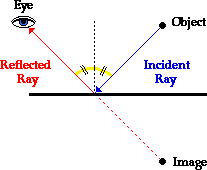
What is the angle of reflection equal to?
The angle of refraction
The angle of incidence
The angle of absorption
The angle of light

What is white light?
The type of light that is found in x-rays
The type of light given off by the sun and light bulbs
The type of light that is used in microwave ovens
The type of light that makes up radio waves

What happens when a beam of light hits a solid object?
The light passes through it
All the light is absorbed
A shadow forms
All the light is reflected
What can you use to see all the different colors in white light?
A flashlight
A shadow
A camera
A prism

Light
What is pigment?
The entire range of light, including visible and invisible light
A special chemical that absorbs some colors and reflects others
The tool you need to see the spectrum of colors in white light
The shadow that is formed on a wall when light is blocked

What color is an object that absorbs all the colors in the light spectrum?
A rainbow
White
Black
Invisible
A leaf is green. What does this tell you about the light that is being absorbed?
The light is a UV ray.
The light is not a part of the light spectrum.
All colors are reflected except green.
All colors are absorbed except green

What happens when light hits a shiny or smooth surface?
It disappears.
It is refracted.
It is absorbed.
It is reflected.
What is the angle of reflection equal to?
The angle of refraction
The angle of incidence
The angle of absorption
The angle of light

What is it called when light bends as it moves from one substance to another?
Absorption
Reflection
Refraction
Incidence

Why doesn’t the surface of a wooden boat reflect light as the surface of water does?
Because the boat's surface is rough and absorbs more light.
Because the surface of the boat is red, not blue.
Because the boat is not a natural object like the water is.
Because the boat is on top of the water's surface.

What is the angle of incidence?
The angle at which light bends in water.
The angle at which light hits a surface.
The angle at which light is absorbed by an object.
The angle at which light bounces off a surface.

When you look into a mirror, what is happening to the light?
It is increasing in wavelengths.
It is being refracted.
It is being absorbed.
It is being reflected.
When light passes from air to water, what happens to the speed of the light?
speeds up
slows down
stays the same
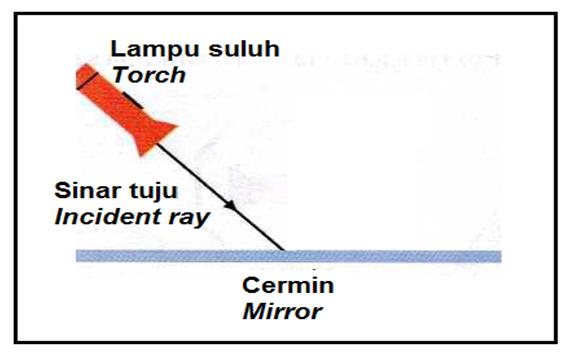
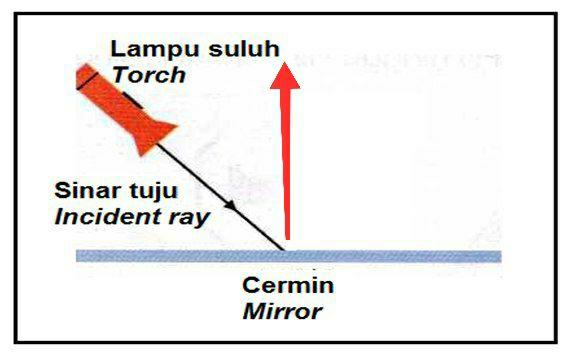
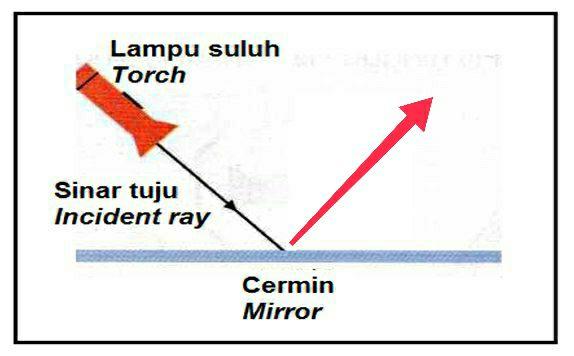
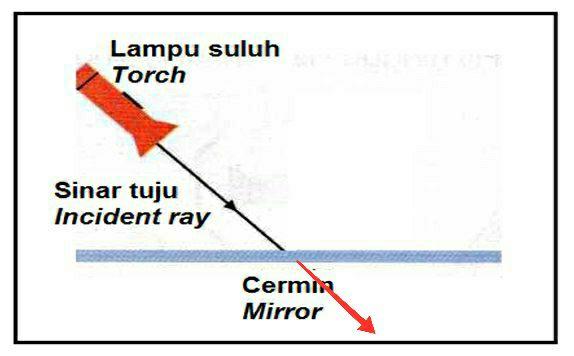
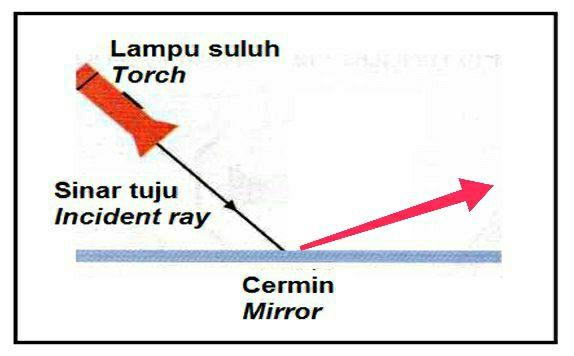
The following diagram shows the ray diagram when a torch light is torched towards a mirror. Which of the following is the correct reflected ray?
A student looks at a white paper through a violet filter.
What color will she see?
Red
Orange
Yellow
Green
Violet
A student looks at a paper and sees that it is white.
What color(s) are being absorbed by the white paper?
All colors
No colors
A student looks at a paper and sees that it is white.
What color(s) is being reflected by the white paper?
All colors
No colors

Which letter best represents the normal line?
A
B
C

Which letter best represents the angle of reflection
A
B
C
Choose all statements that are true when looking through a violet filter.
The filter absorbs violet light.
The filter absorbs all colors except violet.
The filter allows blue and red light to pass through.
The filter allows only violet light to pass through.
A student looks at a table and sees black. Select all statements that are true.
Blue wavelengths of light are absorbed by the table.
Red wavelengths of light are reflected by the table.
All colors are absorbed by the table.
No colors are reflected by the table.
The factors that affect the bending of light are ___
the changes of speed of the light and the different mediums the light pass through
the changes in light intensity and the speed of light
the light passes the similar mediums and become brighter
the light passes different mediums and the light bounce off

Refer to the diagram shown. Which line or ray corresponds to the incident ray?
W
X
Y
Z
Refer to the diagram shown. Which line or ray corresponds to the normal?
W
X
Y
Z
Which of the ray diagrams below represents the travel of light shone on a rough matte surface? Assume that the light source gives parallel rays.


Which diagram shows how the light from a candle is reflected by a mirror, and shows the position of the image formed?


If I shine red light on a blue car, what would i see?
red car
blue car
purple car
nothing, black

The diagram shows a single ray of light being directed at a plane mirror. What are the angles of incidence and reflection, respectively?
40o, 40o
40o, 50o
50o, 40o
50o, 50o

The diagram below shows the path of a ray of light incident on the boundary between liquid and air. Given that the speed of light in air is 3.0 x 10⁸ m/s, what is the speed of the light in the liquid?
2.2 x 10⁸ m/s
2.7 x 10⁸ m/s
3.4 x 10⁸ m/s
4.0 x 10⁸ m/s

Light is shone onto a transparent plastic block in air, as shown in the diagram. Which correctly identifies the angle of incidence and angle of refraction respectively?
e, g
e, h
f, g
f, h

The diagram shows a ray of light reflected by a plane mirror. The diagram is not drawn to scale. What is the angle of reflection?
25o
35o
55o
70o

The diagram shows a ray of light incident to a glass block of refractive index 1.35 at an angle of incidence of 45o. What will happen to the light ray?
It will enter the glass block and bend away from the normal.
It will enter the glass block and bend towards the normal.
It will refract and travel along the air glass boundary.
It will undergo total internal reflection.

A ray of light is incident on one side of a rectangular glass block. Which path of light is not possible?
A
B
C
D

Four students are standing in front of a plane mirror at positions W, X, Y, and Z as shown below. How many of the four students can see the mirror image of the student at X?
0
1
2
3

Which of the following diagrams shows the ray of light refracted correctly?
A
B
C
D
E
When a ray of light goes from one medium to another, there is
A change in its speed as well as direction
No change in speed and direction
A change in speed but no change in direction
A change in direction but speed remains constant

The image shows the behavior of three light rays (1, 2, and 3) as they encounter a surface.
Which option correctly identifies the behaviors of the light rays?
Light ray 1 is absorbed, light ray 2 is refracted, and light ray 3 is reflected
Light ray 1 is reflected, light ray 2 is absorbed, and light ray 3 is refracted.
Light ray 1 is absorbed, light ray 2 is reflected, and light ray 3 is refracted.
Light ray 1 is refracted, light ray 2 is reflected, and light ray 3 is absorbed.

Examine the diagram showing an incoming ray of light labeled X traveling through air, making contact with a sheet of glass and the two resulting rays of light labeled Y and Z.
Which statement correctly describes the behaviors of the rays of light?
Ray Y was reflected by the glass and absorbed by the air.
Ray Y was refracted by the glass and transmitted through the air.
Ray Z was refracted by the glass and transmitted through the glass.
Ray Z was reflected by the glass and absorbed by the glass.

Shaun illuminates two samples against a white light in a lab. He observes which colors of light are absorbed and which are reflected. The results are shown in the table.
What color are the samples?
Sample 1 is blue, and Sample 2 is black.
Sample 1 is black, and Sample 2 is blue.
Sample 1 is blue, and Sample 2 is white.
Sample 1 is white, and Sample 2 is blue.

The table shows the colors of the scarves that Megan and her three friends bought on sale at the mall.
Which friends' scarves absorb yellow light?
Jack and Tyrone
Yvette and Tyrone
Jack and Megan
Megan and Yvette

A teacher places different objects in the path of parallel beams of light, as shown.
Which property of light does the teacher demonstrate?
absorption
transmission
reflection
refraction

