
 Worksheets
Unit 3: Energy and Energy Transformations Review
Total questions: 140
Worksheet time: 2hrs 9mins
Which energy transformation: burning a log
chemical to thermal
light to chemical
Which energy transformation: baking a turkey in the oven.
thermal to chemicl
mechanical to sound
Which energy transformation: hitting a baseball with a bat.
thermal to mechanical
mechanical to sound
Which energy transformation: eating an apple and running a mile
chemical to mechanical
thermal to light
Which energy transformation: shining a flashlight
light to mechanical
chemical to light
Which energy transformation: a flower growing
light to chemical
sound to mechanical
Which energy transformation: playing a guitar
mechanical to light
mechanical to sound
Which energy transformation: running a mile
mechanical to thermal
thermal to light
Which energy transformation: a windmill spinning to generate electricity
electrical to sound
mechanical to electrical
Which energy transformation: turning on a lamp in a dark room.
electrical to light
thermal to mechanical


The electrical energy of the stove is transferred to _____ energy.
Solar
Thermal
Potential
Electrical
Which items would have this energy transformation: electrical energy -> thermal energy and light energy?
toaster
candle burning
windmill turning
Iron for your clothes
Energy is ______________
The capacity to do work
The temperature of matter
A state of matter
Colors of the rainbow
What energy is given off when a cell phone RINGS?
thermal energy
sound energy
kinetic energy
trampoline energy
Which energy transformation occurs in a toaster?
Thermal to potential
Chemical to electric
Radiant to chemical
Electric to thermal
The energy found in fossil fuels ORIGINALLY came from
dead animals
the sun
the moon
dead plants
A light bulb converts
light energy to electrical energy
electrical energy to radiant and thermal energy
electrical energy to chemical energy
thermal energy to nuclear energy
If you eat lunch and run a mile, what energy conversion occurred?
chemical to mechanical
electrical to mechanical
mechanical to nuclear
nuclear to electric
Which of the following is a conversion from elastic potential energy to mechanical energy?
turning on a stove to make dinner
jumping on a trampoline
breathing in and out
turning on a light switch
During photosynthesis, energy is transformed from
potential to kinetic
chemical to radiant
radiant to chemical
none of the above
A cell phone gets plugged into the electrical outlet to recharge the battery. Which of the following energy transformations occur during the charging?
chemical to radiant
mechanical to chemical
elastic to potential
electrical to chemical
A wind turbine transforms the
chemical energy of wind to potential energy
mechanical energy of wind into electrical energy
electrical energy of wind into radiant energy
radiant energy of wind into chemical energy
You think it is too hot so you plug in a fan, then turn it on. What energy transformation occurs?
electromagnetic to mechanical
mechanical to electrical
wind to chemical
Electrical to mechanical
A cat is walking on a bookshelf and accidentally knocks a figurine off the shelf. What type of energy conversion occurs?
mechanical to kinetic
potential to kinetic
magnetic to gravitational
electric to thermal


What type of heat transfer takes place in liquids and gasses?
Conduction
Convection
Radiation
Thermal Equilibrium

What is defined as a measure of the average kinetic energy of the particles in a sample of matter?
Temperature
Heat
Specific Heat
Mechanical Energy
_____________ is the form of energy that is transferred between systems or objects with different temperatures.
Temerature
Heat
Specific Heat
Mechanical Energy
How does heat energy reach the Earth from the Sun
Convection
Radiation
Conduction
Insulation
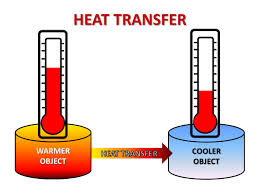
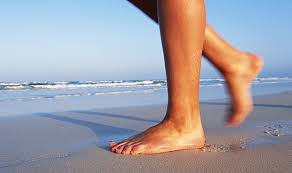
_________________ is the transfer of energy through or by electromagnetic waves.
Conduction
Convection
Radiation
Movements of water in a pot, molten mantle in the earth's crust and hot air rising in the atmosphere are examples of
Sublimation
Convection
Conduction
Radiation


Thermal energy exchange between objects of different temperatures is called ...
conduction
radiation
heat transfer
convection
temperature
Thermal energy that is transferred through empty space is ...
conduction
radiation
heat transfer
convection
temperature
Thermal energy that is transferred when two objects of different temperatures touch is ...
conduction
radiation
heat transfer
convection
temperature
Thermal energy transfer by the movement of currents of liquid or gas is ...
conduction
radiation
heat transfer
convection
temperature
5. The average kinetic energy of all the particles in a material is ...
conduction
radiation
heat transfer
convection
temperature
When ice cubes melt in a glass of soda, a current forms where heat energy moves from particles with a higher temperature to particles with a __________ temperature.
even higher
lower
minimize
equal
less
Materials such as metal and wire are good __________ because heat can easily transfer through them.
insulators
maximize
conductors
temperature
thermal
__________ energy always moves from objects with higher temperatures to objects with lower temperatures.
temperature
lower
conductor
minimize
thermal
Insulators __________ thermal energy transfer.
insulator
minimize
maximize
conductor
less
The relationship between the temperature of a system and the total energy of the system depends on what factors?
Whether or not all the parts of the system are connected
The ability of scientists to accurately measure the thermal energy of the system
Whether or not the system is in motion at the time
The type, states, and amount of matter in the system

Four metal cubes, each with a different starting temperature, are placed together touching. Which of the following describes way the thermal energy will most likely flow? (There may be other ways that it can flow, but only one of the answers below is true)
Cube #4 to Cube #2
Cube #1 to Cube #2
Cube #3 to Cube #4
Cube #1 to Cube #3

Different materials are tested to see which one transfers the most heat energy. Identical containers of different materials, were filled with hot water, and the temperature of the water was measured and recorded over time. Based on the graph of the time and temperature , which material was most effective at transferring thermal energy?
Material 1
Material 2
Material 3
Material 4
If we wanted to investigation which material can maximize heat energy transfer, which of the following might we do? (remember our criteria and constraints)
Hot water placed in containers made of different substances.
Ice cubes sealed in containers of various sizes
Metal objects heated to a variety of temperatures
Air temperature recorded at different times of day
The relationship between the temperature and the total energy of a system depends on all of the following EXCEPT ...
the type of matter present
the state of matter present
the color of the matter present
the amount of matter present
Which of the following are true in this situation. What happens to solid ice when the thermal energy increases?
the heat moves into the ice causing it to melt
the kinetic energy decreases so the particles move slower
the kinetic energy increases so the particles move faster
the thermal energy causes the ice to freeze
the cold moves out of the ice causing it to melt
Heat transfer always occurs
from cold to hot.
from hot to cold.
in any direction.
Which of the following is NOT a type of heat transfer?
Conduction
Convection
Radiation
Transformation
Conduction is heat transfer by
touch.
currents.
waves.
Convection is heat transfer by-
touch.
currents.
waves.
Radiation is heat transfer by
touch.
current.
waves.
The sun's rays are an example of
conduction.
convection.
radiation.
Water molecules in boiling water is an example of
conduction.
convection.
radiation.
Burning your hand on a hot pan is an example of
conduction.
convection.
radiation.
Heat transfer from a fire is an example of
conduction.
convection.
radiation.
Ironing a shirt is an example of
conduction.
convection.
radiation.
The transfer of heat energy through direct contact is
conduction.
convection.
radiation.
The transfer of heat energy by the rising of warmer molecules and falling of cooler molecules is
conduction.
convection.
radiation.
What type of heat transfer is in the form of wave particles?
Conduction
Convection
Radiation
What type of heat transfer occurs from the sun to the Earth?
Conduction
Convection
Radiation
What type of heat transfer occurs when warm air rises and cool air falls back down to Earth?
Conduction
Convection
Radiation
What heat transfers by direct contact?
Conduction
Convection
Radiation
What heat transfers by the rising of warm molecules and falling of cool molecules?
Conduction
Convection
Radiation
What heat transfers in the form of waves?
Convection
Conduction
Radiation
Hot air balloons work using what type of heat transfer?
Convection
Conduction
Radiation
An attic feeling warmer than the basement is an example of what type of heat transfer?
Convection
Conduction
Radiation
Lighting a candle with a match is an example of what type of heat transfer?
Convection
Conduction
Radiation
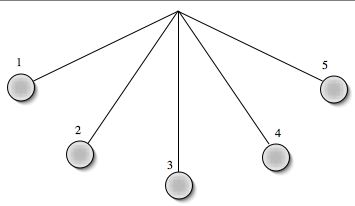
When a pendulum swings, where is potential energy the greatest?
1 and 5
2 and 4
3
apple sauce

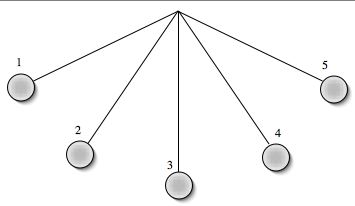
When a pendulum swings, at which point is kinetic energy the greatest?
1
2
3
when watching TV

The amount of kinetic energy an object has depends on its:
Mass and volume
Volume and friction
Mass and speed
Speed and density
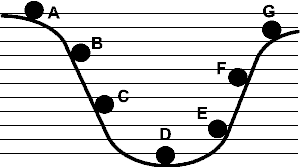
Which point has the most potential energy?
G
F
B
A

Which cart has a little less kinetic energy than cart C?
A
B
C
D

Which point has the least kinetic energy
A
B
C
D
Choose the answer that has the most ELASTIC POTENTIAL energy.
a rubber band pulled back all the way
a rubber band pulled back part of the way
a rubber band laying on a table
Choose the answer that has the most GRAVITATIONAL POTENTIAL energy.
a 500 kg boulder on a 5 meter hill
a 500 kg boulder on a 10 meter hill
a 500 kg boulder on a 20 meter hill
How do you increase kinetic energy?
move slower
decrease mass
move faster
move higher
How do you increase potential energy?
move faster
move slower
move higher
decrease mass

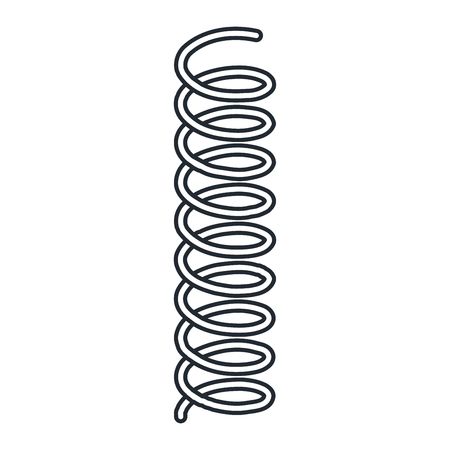
Compressed springs and stretched rubber bands are examples.
Potential Energy
Mechanical Energy
Radiant Energy
Kinetic Energy
Three cars are positioned at the top of a hill. Which car has the most potential energy?


Which of the following has the most kinetic energy?
A car traveling at 80 kph.
A semi-truck traveling at 80 kph.
A cheetah running at 80 kph.
A motorcycle traveling at 80 kph.

What type of energy is greatest when the cannonball is at point C?
kinetic energy
potential energy
elastic energy
compressed energy
What type of energy is greatest when the cannonball is at point A?
kinetic energy
potential energy
elastic energy
compressed energy
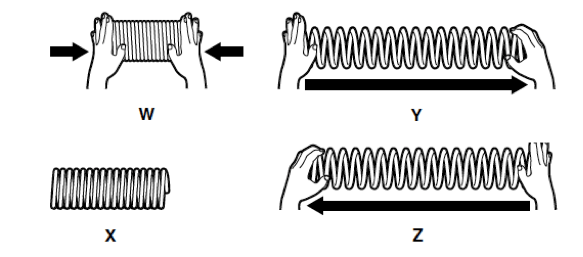
Elastic potential energy is energy stored in an object, such as a spring, due to the object being stretched or compressed. In which position is it most likely that the spring has lost its elastic potential energy?
W
Y
X
Z
Which picture is NOT an example of Chemical PE?
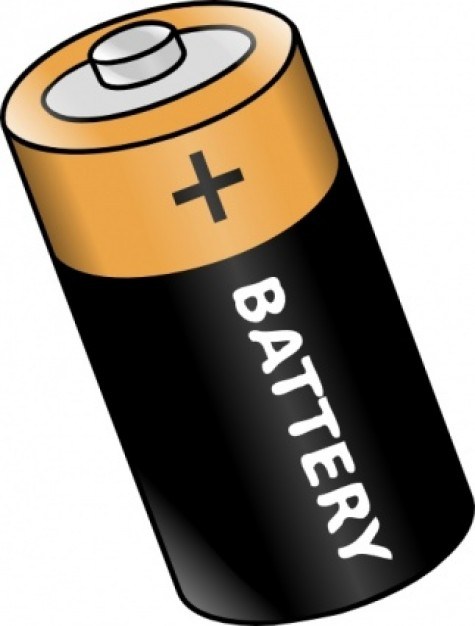

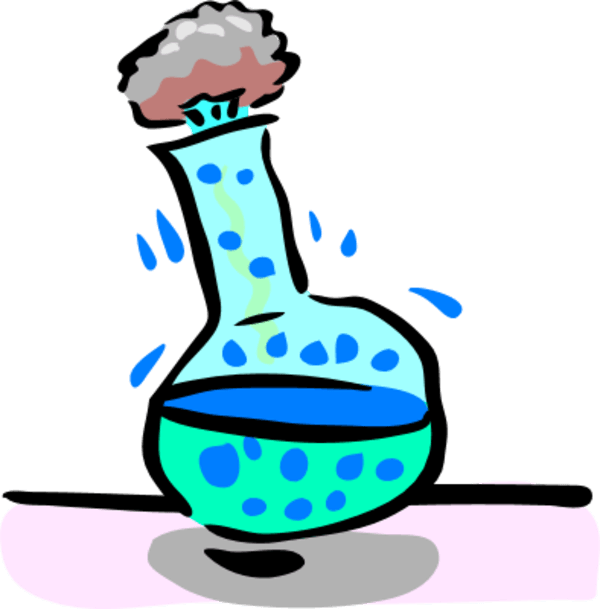


The picture is an example of _____ .


What are the three forms of potential energy discussed in the video?
Chemical, elastic, and gravitational
Thermal, electrical, and nuclear
Kinetic, mechanical, and sound
Magnetic, radiant, and solar
Which type of potential energy is associated with the energy stored in food?
Chemical energy
Elastic energy
Gravitational energy
Thermal energy
What happens to the potential energy of an object as it falls down due to gravity?
It decreases
It increases
It remains the same
It fluctuates
What is the correct order of potential energy and kinetic energy at the top of a roller coaster?
Full potential energy, zero kinetic energy
Zero potential energy, full kinetic energy
Half potential energy, half kinetic energy
Fluctuating potential energy, fluctuating kinetic energy
What happens to the potential energy of a marble as it moves down a roller coaster?
It decreases
It increases
It remains the same
It fluctuates
What is the correct order of potential energy and kinetic energy at the bottom of a roller coaster?
Zero potential energy, full kinetic energy
Full potential energy, zero kinetic energy
Half potential energy, half kinetic energy
Fluctuating potential energy, fluctuating kinetic energy
What is the correct order of potential energy and kinetic energy when a marble is halfway down a roller coaster?
Half potential energy, half kinetic energy
Full potential energy, zero kinetic energy
Zero potential energy, full kinetic energy
Fluctuating potential energy, fluctuating kinetic energy
What happens to the potential energy of a marble when it reaches the ground?
It becomes zero
It becomes infinite
It remains the same
It fluctuates
What is the correct order of potential energy and kinetic energy when a marble is dropped from the ground?
Full potential energy, zero kinetic energy
Zero potential energy, full kinetic energy
Half potential energy, half kinetic energy
Fluctuating potential energy, fluctuating kinetic energy

