
 Worksheets
Year 8 - Energy revision
Total questions: 138
Worksheet time: 3hrs 38mins

In the picture,what cause the Pinata to break?
the shape of Piñata
the energy of motion
the color of Piñata
the energy of excitement

Energy is the ability to do ______ and cause _________.
Work and cause Change
Change and cause Work

What form of energy caused the bread to bake?
Electrical
Light
Sound
Thermal
Match the following forms of energy.

Sound

Electric

Mechanical

Thermal

Micheal was at the gym and he was trying to lift the weights, but he could not lift it. Finally Micheal decided to go home. The next day he complained to the trainer that he did all that hard work for nothing! The trainer asked the other trainers "did he really do any work?"
Michelle: "Yes, because Micheal was tired"
Jose: "No, because Micheal transformed his energy into nothing."
Emily: No, Because Micheal pulled and pushed but the weight did not move."
Who was right?
Michelle
Jose
Emily

The person in the picture threw a ball. The energy was ____
transformed from motion to motion
created by the human
created inside the ball
transferred from the human to the ball

The person in the picture is listening to sound made by someone talking. This is evidence that energy can be
Transferred from place to place
Transferred through contact between objects
Transformed from sound to work
First created and then destroyed.

What energy takes place when you use a fan?
Electical to Mechanical, Sound, and Thermal
Mechanical to Electrical, Sound, and Thermal
Electrical to Sound and Radiant
Radiant to Sound and Electrical

Students built a solar oven using the basic design shown in the picture. To cook the marshmallows slowly the solar ovens capture energy from the Sun.
Each group used a different type of materials to build their ovens. After 1 hour in the sunlight, the teams measured the temperature of each oven. What a was the independent variable in this experiment?
The different type of material
The type of energy to cook the Marshmallows
The time in the sunlight
The design of the solar oven
Which of the following is an example of the law of conservation of energy?
Your mom turns on the stove to cook food
You play an instrument in Strings class
A football player throws the ball
All of the above answers.

light and thermal energy
Electrical energy is transformed into light and thermal energy.
Light energy is being created
Electric energy is being destroyed
In the evening/night, Anthony used a flashlight to go on a walk with his family. Sadly, he forgot to turn the flashlight off. In the morning, his father said, "The flashlight has a dead battery now. We need to replace it."
This means the energy that was stored in the battery -
Disappered into nowhere
Was destrogy
Was changed into other forms of energy
Was used to create a new forms of energy
Select which order the words goes into the blanks.
Energy can not be _____ or destroyed. Energy can only be ________
Created and Transformed
Transformed and Created
1. Which form of energy does a moving object possess?
light energy
sound energy
mechanical energy
chemical energy
6. Which of the following shows that electrical energy is changed to light energy?
hot iron
lighted fluorescent bulb
switching on the radio
a boy running after drinking water
8. How does energy transform when strumming a guitar?
electrical energy to light energy
chemical energy to light energy
chemical energy to sound energy
mechanical energy to sound energy
Which is an example of radiant or light energy?
A book on a desk
Someone eating a meal
A dog
The Sun

Energy is...
the temperature outside.
when something moves.
the ability to do work
does not exist in our daily lives.
Which of the following is an example of kinetic energy?
holding a ball
a ball rolling down a hill
stretching a rubber band
what is an example of potential energy?
holding a ball at the top of a hill
a ball rolling down a hill
going up a hill
A bow and arrow would have what kind of potential energy?
Elastic
Gravitational
What type of energy is a parked car an example of?
kinetic
potential
a river flowing?
kinetic
potential
a satellite in orbit?
kinetic
potential
a plane in flight
kinetic
potential
sitting on a couch watching a movie?
kinetic
potential
a baby riding in a stroller?
kinetic
potential
The stroller the baby is riding in?
kinetic
potential

Thermal Energy
The total kinetic and potential energy of all the particles in an object.
Energy that is transferred from a warmer object to a cooler object.
A measure of the average kinetic energy of the particles in a substance.
The heating of a substance that causes its particles to move more quickly.

Temperature
The total kinetic and potential energy of all the particles in an object.
Energy that is transferred from a warmer object to a cooler object.
A measure of the average kinetic energy of the particles in a substance.
The heating of a substance that causes its particles to move more quickly.

Heat
The total kinetic and potential energy of all the particles in an object.
Energy that is transferred from a warmer object to a cooler object.
A measure of the average kinetic energy of the particles in a substance.
The heating of a substance that causes its particles to move more quickly.

Conduction
The transfer of energy by electromagnetic waves.
A circular motion of air that causes wind and changes in weather
A type of heat transfer that occurs through the movement of fluids.
The transfer of energy from one particle of matter to another within an object or between two objects that are in direct contact.

Convection
The transfer of energy by electromagnetic waves.
A circular motion of air that causes wind and changes in weather
A type of heat transfer that occurs through the movement of fluids.
The transfer of energy from one particle of matter to another within an object or between two objects that are in direct contact.

Convection Current
A circular motion of air that causes wind and changes in weather
The transfer of energy by electromagnetic waves.
A type of heat transfer that occurs through the movement of fluids.
The transfer of energy from one particle of matter to another within an object or between two objects that are in direct contact.

Radiation
A circular motion of air that causes wind and changes in weather
The transfer of energy by electromagnetic waves.
A type of heat transfer that occurs through the movement of fluids.
The transfer of energy from one particle of matter to another within an object or between two objects that are in direct contact.

Conductor
Materials that do not conduct heat well.
A material that conducts heat well,
The amount of energy required to raise the temperature of 1 kilogram of a material by 1 kelvin.
The expansion of matter when it is heated.

Specific Heat
Materials that do not conduct heat well.
A material that conducts heat well,
The amount of energy required to raise the temperature of 1 kilogram of a material by 1 kelvin.
The expansion of matter when it is heated.

Insulators
Materials that do not conduct heat well.
A material that conducts heat well,
The amount of energy required to raise the temperature of 1 kilogram of a material by 1 kelvin.
The expansion of matter when it is heated.

Thermal Expansion
Materials that do not conduct heat well.
A material that conducts heat well,
The amount of energy required to raise the temperature of 1 kilogram of a material by 1 kelvin.
The expansion of matter when it is heated.


Identify the energy transfer
electrical to chemical to light
kinetic to potential
chemical to electrical to light
light to sound

Identify the energy transfer
mechanical to sound
chemical to electrical
sound to mechanical
thermal to sound

Identify the energy transfer
chemical to kinetic
solar to electrical
thermal to light
electrical to light

Identify the energy transfer
light to electrical to chemical
chemical to electrical to light
electrical to chemical to light
chemical to electrical to solar

Identify the energy transfer
chemical to light
thermal to electrical
chemical to heat
electrical to thermal
Plants need the sun for _____________________ energy.
Light / Radiant
Sound
Chemical
Electrical

What energy transformation occurs when a crock pot is plugged into an outlet and then the control knob is turned "on"?
thermal to electrical
mechanical to thermal
electrical to thermal
electrical to sound

What type of energy transformation happens in hydro-electric power?
kinetic to potential
sound to mechanical
chemical to electrical
mechanical to electrical

What type of energy is stored in batteries or food?
Potential energy
Thermal energy
Chemical energy
Mechanical energy

What energy transformation occurs when an alarm clock rings?
electrical to mechanical, sound
chemical to mechanical,sound
electrical to thermal, chemical
mechanical to mechanical, thermal, sound

What are the energy transformations that occur when a person rides a bike to the top of a hill?
mechanical, thermal,
chemical, mechanical, thermal, electrical
chemical, mechanical, thermal, electrical, radiant
chemical, mechanical, thermal

List the energy transformations of this object.
Electrical → Mechanical/ Radiant Energy
Electrical → Mechanical / Sound / Thermal Energy
Mechanical → Chemical / Thermal energy
Mechanical→ Electrical energy



The glow sticks produce light for a short amount of time. The light from the glow stick is from ____________.
heat energy
gravity
magnetism
chemical energy


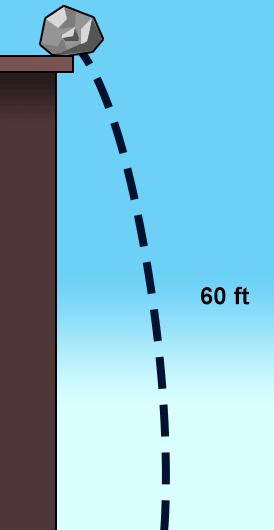
The rock in the picture is pushed over the edge and it begins to fall. Which type of energy conversion is taking place?
mechanical to heat
sound to mechanical
potential to kinetic
kinetic to potential

A ball is projected into the air. Where is potential energy the greatest?


How does the mass of a bowling ball that has been rolled down the lane affect the kinetic energy?
The kinetic energy does not depend on the mass of the bowling ball.
The kinetic energy is increasing proportional to the mass of the bowling ball.
The kinetic energy is decreasing proportional to the mass of the bowling ball.
The kinetic energy is increasing proportional to the square of the mass of the bowling ball.

Which point on the roller coaster's path represents the maximum potential energy?


As a roller coaster goes downhill
kinetic energy is converted into potential energy.
potential energy is converted into kinetic energy.
electrical energy is converted into potential energy.
potential energy is converted into electrical energy.
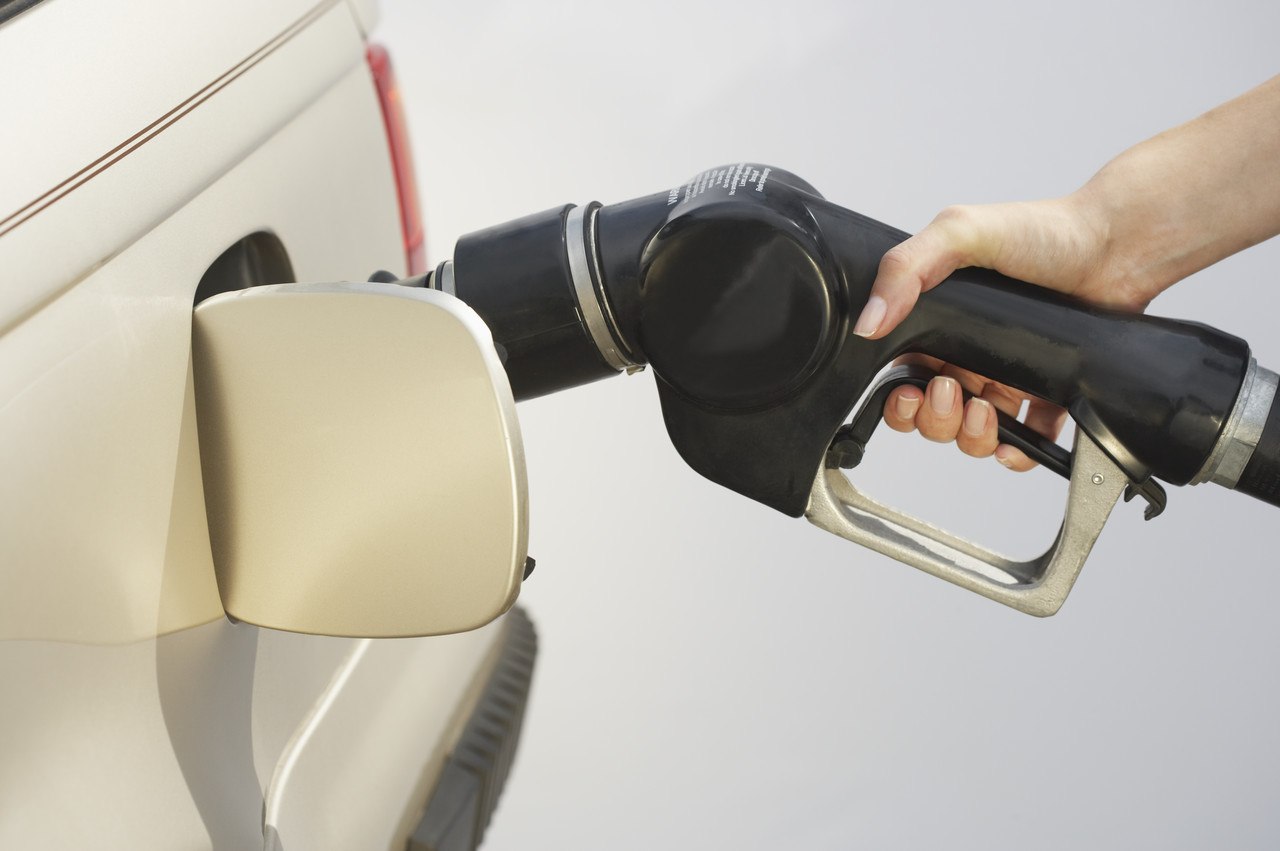
When gasoline is burned in a car engine, ________ energy is converted into _________ energy.
heat, chemical
chemical, potential
mechanical, chemical
chemical, mechanical
Which diagram BEST represents a convection heating current?


Within the alarm clock seen here, energy is transformed. It is time to get up! The alarm clock goes off. What are the energy transformations taking place in your alarm clock?
electrical to magnetic to sound
electrical to mechanical to sound
electrical to mechanical to light
chemical to electrical to mechanical

Muscles convert chemical energy into
light energy.
nuclear energy.
mechanical energy.
electromagnetic energy.
What form of energy does a compressed spring have?
heat energy
kinetic energy
chemical energy
potential energy
Maria’s father started a fire in the fireplace. He crumpled some paper, lit a match, and soon the logs in the fireplace were burning. In this case, the stored chemical energy in the logs was changed into
electrical energy.
mechanical motion.
heat and light energy.
electrical and heat energy.
Conduction occurs more easily between solids and liquids. This is because the particles in gases are
farther apart and move faster.
closer together and move faster.
further apart and move more slowly.
closer together and move more slowly.
Energy is transferred in solids by conduction, which means that
heat travels in both directions.
heat travels from the cooler object to the hotter object.
heat travels from the hotter object to the cooler object.
heat does not travel between objects of different temperatures.
Marina is using a metal spoon to stir her soup. Why does the spoon feel warm?
Stirring creates heat energy in the spoon.
Marina’s hand warms the spoon she is holding.
Heat energy from the soup is transferred to the spoon.
Heat energy from the spoon is transferred to the soup.

The light bulb converts electrical energy into light and _________.
chemical
electromagnetic
heat
nuclear

Which image exclusively represents the principle of radiation?
IV
III
II
I

A drawn bow possesses mechanical energy in the form of _______________. After the arrow is released, the energy is transformed into _________________.
potential energy; mechanical energy
elastic potential energy; kinetic energy
gravitational potential energy; kinetic energy
elastic kinetic energy; mechanical kinetic energy

How would you describe the relationship between the mass of a car and its kinetic energy?
As the mass of a car increases, its kinetic energy increases.
As the mass of a car increases, its kinetic energy decreases.
As the mass of a car decreases, its kinetic energy increases.
There is no clear relationship between mass and kinetic energy.

In the figure, potential energy is being converted into kinetic energy from
point A to point B
point B to point C
The only energy involved here is kinetic.
Energy is not being converted.
A pole vaulter runs forward, plants his pole, rises in the air and lands. What point represents his greatest amount of gravitational potential energy?
when he initially lands
as he runs forward to plant the pole
just before he starts to fall to the ground
after take-off as the pole expands and lifts the vaulter toward the bar

Total energy = 200J
Useful energy = 20J
Workout the efficiency of this lightbulb.
efficiency = total energy inuseful enegy ×100
100%
80%
40%
10%

Total energy = 350J
Useful energy = 70J
Workout the efficiency of this iphoneX.
efficiency = total energy inuseful energy ×100%
100%
80%
40%
20%

Total energy = 34000J
Useful energy = 340J
Workout the efficiency of this vintage VW Beetle.
efficiency = total energy inuseful energy ×100%
100%
10%
40%
20%

This car needs 8600J of energy to power it. If 5000J is changed into useful energy, how much energy is wasted?
13600J
3600J
5000J
8600J
A car transfers 100 J of chemical energy in order to gain 50 J of kinetic energy. The efficiency of the car is
20%
0.5%
50%
200%
Which of these equations is correct?
efficiency = total energy transferreduseful energy transferred
efficiency = useful energy transferredtotal energy transferred
energy = efficiency ×100%
efficiency = total energy tranferredwasted energy transferred
What is the useful work output of a machine that consumes 2,800 Joules and an efficiency of 40%?
7000 J
2760 J
1120 J
What percent energy is wasted by a machine if the energy input is 262 J and the energy output is 131 J?
5%
50%
100 J
What is the work output of a machine that has a work input of 2,800 Joules and an efficiency of 90%?
25200 J
2520 J
0.0082J
Do renewable energy sources run out?
Yes
No
Natural Gas is a __________ energy resource.
Renewable
Non Renewable
Solar Power is a __________ energy resource.
Renewable
Non Renewable
__________ is an energy resource that will run out in the next several hundred years.
Renewable Energy Resource
Fossil Fuels
Non Renewable Energy Resource
Forever Fuels
__________ is an energy resource that WILL NOT run out in the next several hundred years.
Renewable Energy Resource
Fossil Fuel
Nonrenewable Energy Resource
Forever Fuel
Why are fossil fuels considered nonrenewable resources if they are still forming beneath the surface today?
They are being formed as a type of methane which we cannot use.
The fossil fuels are being broken down by a natural process.
They are being formed too far beneath the surface.
We are depleting the fossil fuels much faster than they can form.
Type of energy that comes from the movement of the air.
Solar Energy
Geothermal Energy
Hydroelectric Energy
Wind Energy
Type of energy that is generated from the heat stored in the Earth.
Tidal Wave Energy
Geothermal Energy
Hydraulic Energy
Solar Energy
Why are fossil fuels like coal, oil, and natural gas called nonrenewable resources?
They can never be replaced.
They can be recycled.
They cannot be easily replaced.
They can be made in factories.
Which example describes the use of a nonrenewable energy resource?
Gasoline is used to fuel a car.
Water is released through a dam.
Sunlight is used to heat a home.
Wind turbines spin to generate electricity.
Select the non-renewable energy sources from the list.
Coal
Wind power
Gas
Oil
Solar
Select the renewable sources of energy.
Hydro-electric power
Solar power
Nuclear power
Wind power
Tidal power
Over half the UK's electricity comes from:
renewable energy sources.
non-renewable energy sources.
The UK uses less energy than in the 1970s because:
people have fewer electronic devices
manufacturing industry has declined
electrical appliances (things you plug in) are more efficient and use less energy.
people drive cars less.
Renewable energy sources like wind and solar energy produce no carbon dioxide.
True
False
The average weather conditions for a place is known as…
(a)

