
 Worksheets
Motion Review
Total questions: 50
Worksheet time: 2hrs 50mins
Name
Class
Date
1.
Acceleration of an object happens when things ________
a)
slow down
b)
go faster
c)
change direction (turn)
d)
All of the above
2.
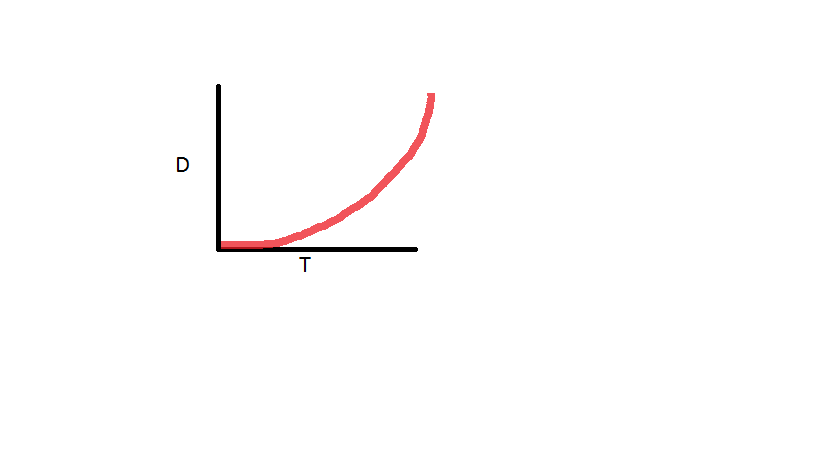
In the distance vs. time graph, what type of motion does the line represent?
a)
Speed
b)
Velocity
c)
Acceleration
d)
Deceleration
3.
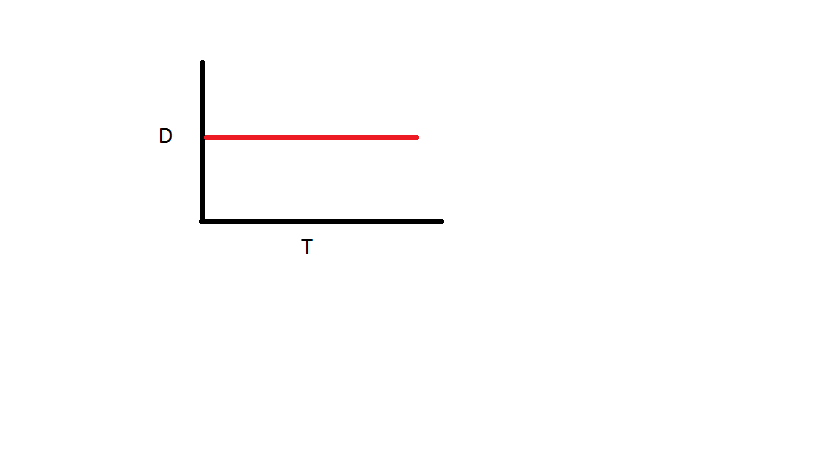
In the distance vs. time graph, what type of motion does the line represent?
a)
No motion
b)
Constant velocity
c)
Acceleration
d)
Deceleration
4.
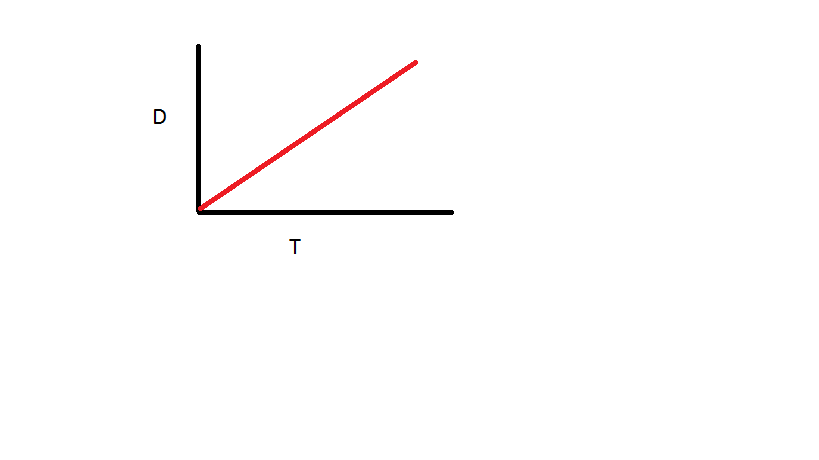
In the distance vs. time graph, what type of motion does the line represent?
a)
Acceleration
b)
No motion
c)
Deceleration
d)
Constant Velocity
5.
A car traveling 300 miles in 5 hours is an example of _____.
a)
Speed
b)
Velocity
c)
Acceleration
d)
Direction
6.

Describe the speed of the object from 4-6 seconds using the distance vs. time graph.
a)
Increasing speed
b)
Decreasing speed
c)
Not moving
d)
Constant speed
7.

Describe the speed of the object from
0-2 seconds using the distance vs. time graph.
0-2 seconds using the distance vs. time graph.
a)
Constant speed
b)
Speeding up
c)
Slowing down
d)
Not moving
8.

What is the object doing from 10-12.5 seconds?
a)
Slowing down
b)
Returning to the starting position
c)
Speeding up
d)
Not moving
9.

Which time section is the object moving the fastest?
a)
0-10 seconds
b)
10-20 seconds
c)
20-30 seconds
d)
30-40 seconds
10.

Which graph is would represent a decrease in speed?
a)
Graph A
b)
Graph B
c)
Graph C
d)
The object is not decreasing in speed in any of these graphs
11.

What kind of acceleration is shown here?
a)
positive
b)
negative
c)
none
d)
varies
12.

Which section of the graph shows decreasing velocity?
a)
CD
b)
DE
c)
EF
d)
GH
13.

Which graph represents the greatest acceleration?
a)
A
b)
B
c)
C
d)
D
14.

What is happening at D?
a)
Stationary
b)
Accelerating
c)
Fast steady speed; moving away from the starting position
d)
Slower steady speed; moving away from the starting position
15.

Which runner stopped for a rest?
a)
Albert
b)
Bob
c)
Charlie
d)
None of them stopped
16.
To calculate velocity you need to know:
a)
distance and time only
b)
distance, time and direction
c)
distance and direction only
d)
distance, time and temperature
17.

Which is an example of VELOCITY?
a)
A dog running at 3 m/s
b)
A deer sprinting at 4 m/s
c)
A migrating bird headed south for the winter at 3 m/s
d)
A person not moving at all
18.
Which is an example of SPEED?
a)
5 SECONDS
b)
2 METERS PER SECOND
c)
4 METERS
d)
1 HOUR
19.
Slowing down is an example of...
a)
Speed
b)
Acceleration
c)
Velocity
20.
A storm is traveling 25 km/hr eastward
a)
Speed
b)
Velocity
c)
Acceleration
21.
Macie walks in the door of the movie theater and then stops to look for an open seat.
a)
Speed
b)
Velocity
c)
Acceleration
22.
Ethan moved the science table 34 cm to the right(and it annoyed the teacher!)
a)
Speed
b)
Velocity
c)
Acceleration
23.
Mariah rides the escalator three floors up and then turns right to get to her favorite store in the mall.
a)
Speed
b)
Velocity
c)
Acceleration
24.
An airplane travels 1260 km from San Francisco northeast to Chicago in 3.5 hours.
a)
Speed
b)
Velocity
c)
Acceleration
25.
Mrs. Starnes drove 60 mph toward Chic-fil-A.
a)
Speed
b)
Velocity
c)
Acceleration
26.
Mrs. Starnes slowed down as she was approaching the Chick-fil-A drive thru.
a)
Speed
b)
Velocity
c)
Acceleration
27.
Emylie is in a stunt and her bases throw her in the air, then catch her.
a)
Speed
b)
Velocity
c)
Acceleration
28.
Cole throws a baseball 38 m from third base to first base in 1.7 seconds.
a)
Speed
b)
Velocity
c)
Acceleration
29.
What is a reference point?
a)
distance divided by time
b)
a stationary object
c)
a change in velocity
d)
the speed and the direction the object is moving
30.
88 m/s
a)
Speed
b)
Velocity
c)
Acceleration
31.
88 m/s north
a)
Speed
b)
Velocity
c)
Acceleration
32.
20 m/s west
a)
Speed
b)
Velocity
c)
Acceleration
33.
88 m/s2
a)
Speed
b)
Velocity
c)
Acceleration
34.
47 mph
a)
Speed
b)
Velocity
c)
Acceleration
35.
47 mph southeast
a)
Speed
b)
Velocity
c)
Acceleration
36.
slow down
a)
Speed
b)
Velocity
c)
Acceleration
37.
increase speed
a)
Speed
b)
Velocity
c)
Acceleration
38.
turn left
a)
Speed
b)
Velocity
c)
Acceleration
39.
speed with direction
a)
Speed
b)
Velocity
c)
Acceleration
40.
change in velocity
a)
Speed
b)
Velocity
c)
Acceleration
41.
72 m/s
a)
Speed
b)
Velocity
c)
Acceleration
42.

What is this graph representing?
a)
Constant Speed
b)
Acceleration (speeding up)
c)
Deceleration (slowing down)
d)
No motion
43.
What two measurements are necessary for calculating speed?
a)
Mass and time
b)
Temperature and mass
c)
Mass and distance
d)
Distance and time
44.

At 60 seconds, how far had this object traveled?
a)
0 m
b)
10 m
c)
20 m
d)
40 m
45.

What is happening in this graph from point B to C?
a)
The object is going down a hill.
b)
The object is returning to its starting location.
c)
The object is slowing down.
d)
The object is staying still.
46.

What is happening in this graph from point A to B?
a)
The object is accelerating.
b)
The object is not moving.
c)
The object is decelerating.
d)
The object is moving at a constant speed.
47.
What is speed?
a)
how far you go
b)
how much distance is covered over a period of time
c)
how fast you accelerate
d)
the change in the location of a object
48.
65 miles per hour North is an example of an objects what?
a)
Speed
b)
Velocity
c)
Average Speed
d)
Constant Speed
49.
An elevator traveled 15 floors (150 ft) at a speed of 4.5 m/s. What additional information is needed to determine the velocity of the elevator?
a)
the direction the elevator traveled
b)
how long the elevator was stationary
c)
how many times the elevator stopped
d)
the total distance the elevator traveled
50.

Speed=
a)
T/D
b)
D/T
c)
S x T
d)
D x T
100 %

