
 Worksheets
biodiversity and populations
Total questions: 38
Worksheet time: 38mins
Carrying capacity is the (a) number of organisms that can survive in an area based on the available (b) , such as food and water.
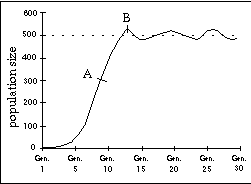
What is the carrying capacity of the population?
around 500
around 600
around 450
around 100
Any thing that regulates/restricts the size of a population is known as __________.
abiotic factors
biotic factors
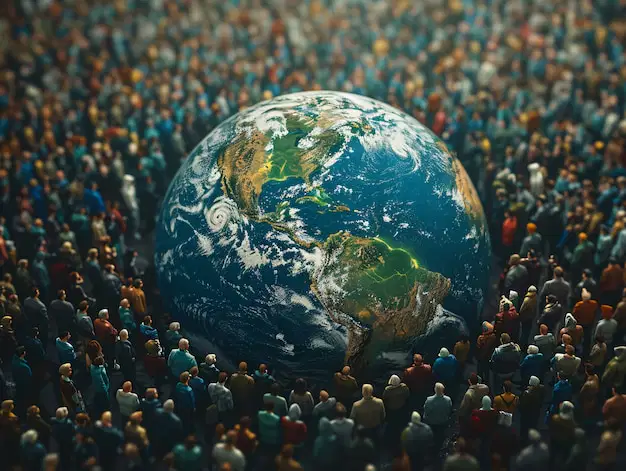
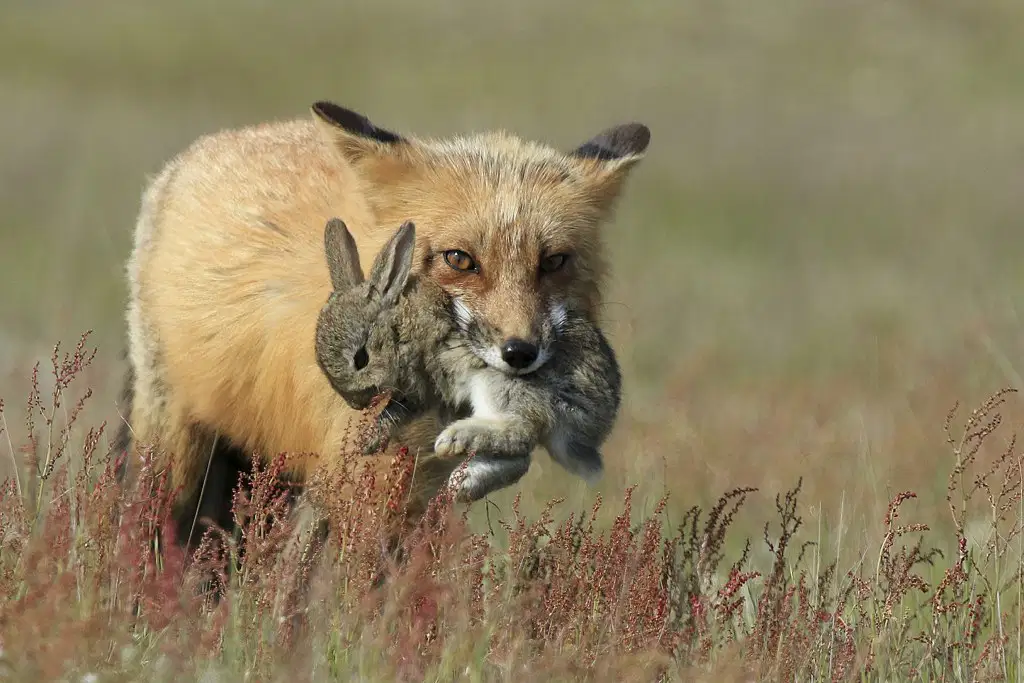
Which of these would decrease a population size?
Immigration
Birth
lots of food

This graph shows ....
When one population increases, the other decreases.
When one population decreases, the other increases.
When one population increases, the other increases instantly.
When one population increases, it causes the other to increases shortly after.
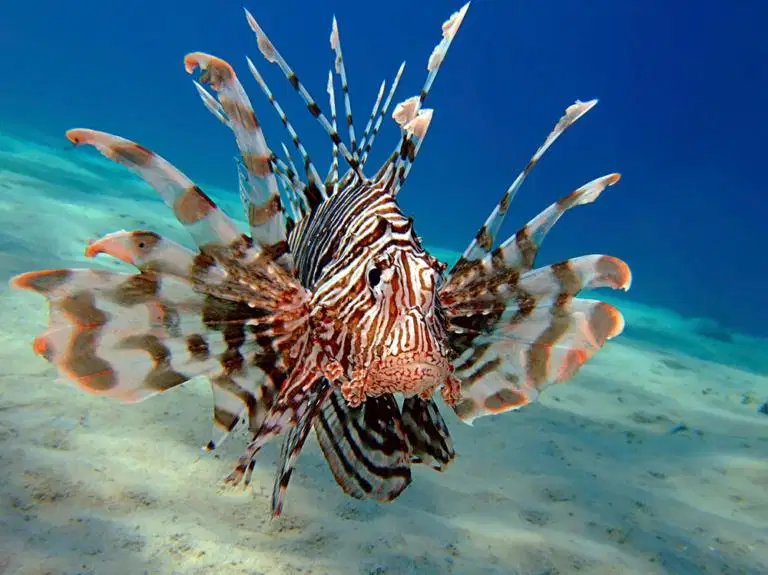
Invasive species alter the ecosystem by (a) in number quickly, this leads to (b) food for the native species.
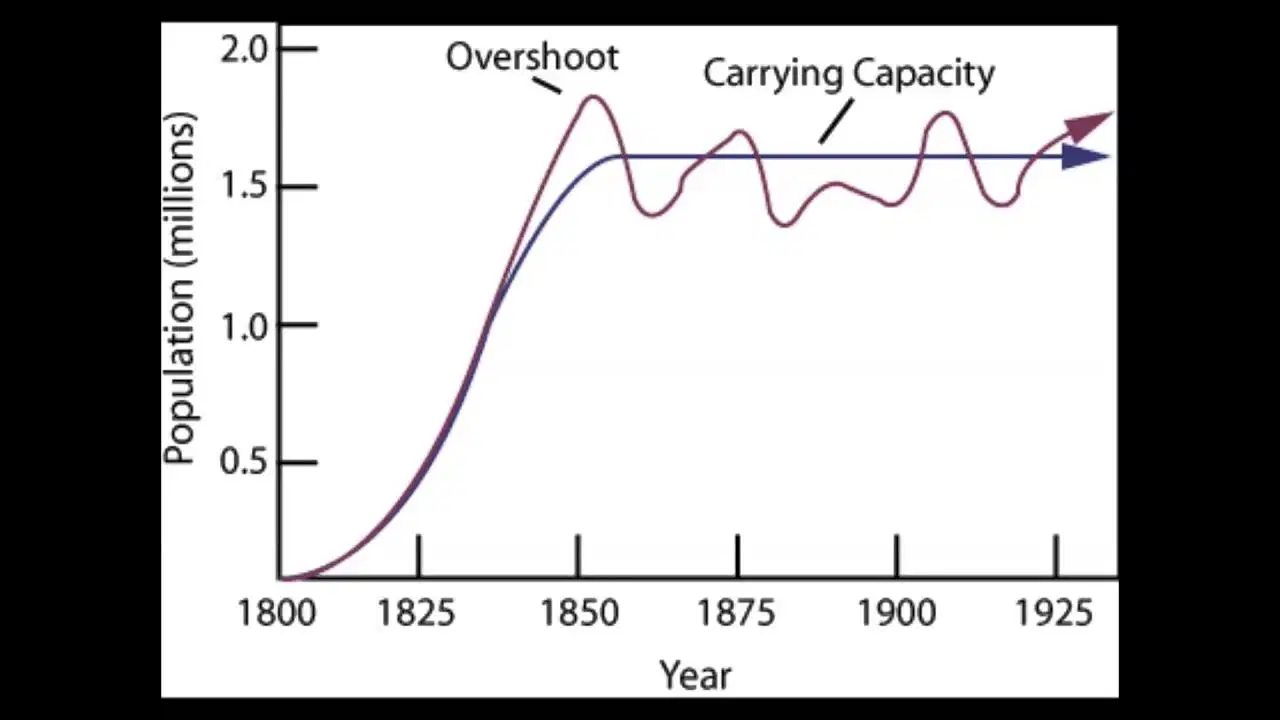
carrying capacity is....
The maximum number of individuals an area can support
the number of births in a population
The number of deaths an area has
The balance of immigration and emigration
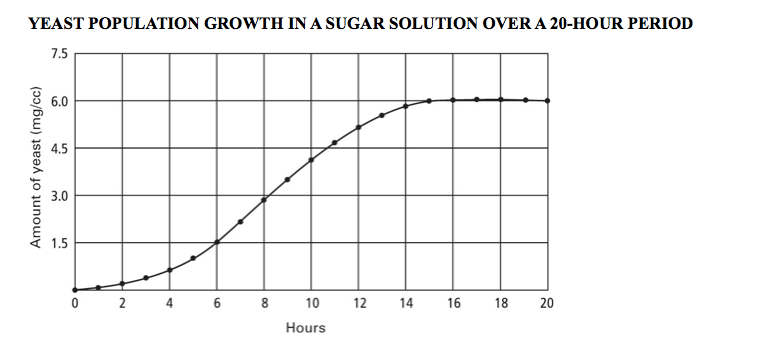

Use the graph to determine the carrying capacity of yeast

The movement of a single wolf into a pack of wolves is an example of


A population of foxes has 36 individuals. In one year, 10 baby foxes are born and 6 older foxes die. The population at the end of the year is (a) .
The ecological role an organism performs in their specific environment is considered the organism's...
Habitat
Population
Biome
Niche

The ecological niches of three bird species are shown in the diagram. What is the advantage of each bird species having a different niche?
As more birds feed higher in the tree, available energy increases.
More abiotic resources are available for each bird.
Predators are less likely to feed on birds in a variety of locations.
There is less competition for food.
Anything that is required for life, such as food, water, or light.
Community
Competition
Resource
The movement of organisms into a population is called
immigration
emigration
population shift
carrying capacity
What is a niche?
The habitat that an organism lives in
An organism’s “role” in an ecosystem
A type of consumer
The relationship between a producer and consumer
Invasive species causes all of the following except ...........
competition

A species that is naturally occurring in a particular area
A species who has come from another state or country
A species that has no "home" and travels for its whole life
What makes a species invasive?

Why do the populations of invasive species grow so quickly?
Invasive Species are native to an area.
Invasive species are prey to many animals.
Invasive species have no natural predators.
Invasive species keep the ecosystems in equilibrium.

What happens if a population grows past its carrying capacity?
The population keeps growing
The population starts to die off
The entire species will go extinct
The carrying capacity just increases
If the number of births in a population is the same as the number of deaths in a population, what will happen to the growth of the population?
It will increase.
It will decrease.
It will stay the same.
It will fluctuate.
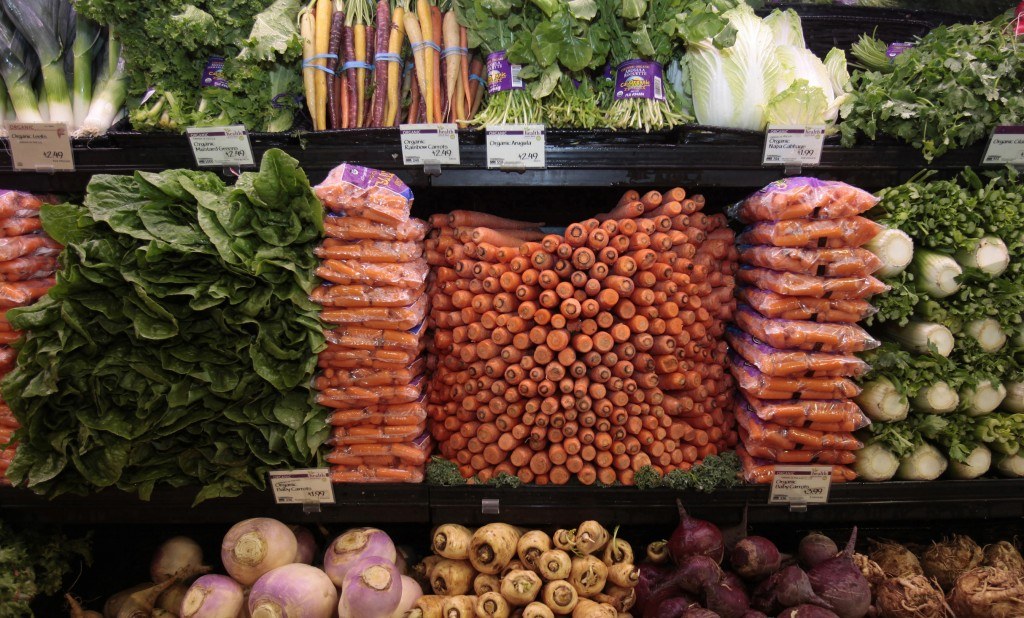
Which of the following would INCREASE the carrying capacity of an ecosystem?
increase in predators
disease
increase in available food
drought

When organisms move out of the population, this is known as
abandonment
emmigration
immigration
succession
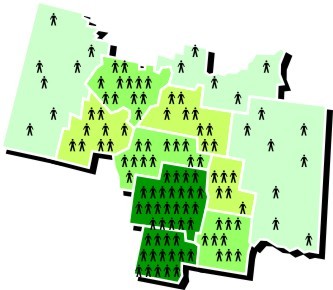
the number of individuals in a particular area
population distribution
population density
urbanization
population rate
Factors that affect population size:
INCREASE: Number of ___________ & ____________
(Choose 2 answers)
Birth
Death
Immigration
Emigration
Factors that affect population size:
DECREASE: Number of ___________ & ____________
Choose all that applies.
Birth
Death
Immigration
Emigration

A species that is found in only one specific region
invasive species
native species
endangered species
biodiversity hotspot

organize the environmental factors into biotic and abiotic
disease
predator/prey interactions
food availability
competition between species
natural disasters
changes in climate and weather
water quality
place the labels that describe the population growth of the graph
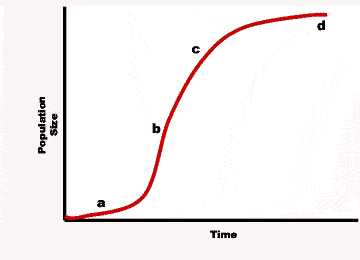
What point on the graph represents carrying capacity?
a
b
c
d
to calculate a population size, (a) the number of births, (b) the number of deaths. (c) the immigration, (d) the emigration.

