
 Worksheets
Ancient China
Total questions: 70
Worksheet time: 41mins
1. The existence of the Xia dynasty is disputed because
There is not enough archaeological evidence
There was no real emperor
It did exist ... what are you talking about
None of the above
3. During the Shang dynasty, What was the significance of the walls in relation to social structures?
To save earth
A physical division of social classes
To keep the titans out
To keep Ms.Cedeno from becoming a titan because you didn't answer this question right. twice.
3. During the Shang dynasty, What was the significance of the walls in relation to social structures?
To save earth
A physical division of social classes
To keep the titans out
To keep Ms.Cedeno from becoming a titan because you didn't answer this question right. twice.
4. What is the mandate of heaven?
The idea that people should follow what the gods say
The idea that it doesn't matter how you are, you would still go to heaven
The idea that the emperor, the son of heaven, has the support of the gods (as long as he rules correctly.)
The idea that the emperor can take his belonging when he goes to heaven
4. What is the mandate of heaven?
The idea that people should follow what the gods say
The idea that it doesn't matter how you are, you would still go to heaven
The idea that the emperor, the son of heaven, has the support of the gods (as long as he rules correctly.)
The idea that the emperor can take his belonging when he goes to heaven
5. What are the warring periods?
Periods of worrying
Period of warning for natural disasters
Periods of civil wars, instability, suffering, and violence
none of the above
6. Emperor Shi Huangdi, sent out an order to burn all books that did not have to do with the new philosophy of the empire. This is an example of
Buddhism
Confucianism
Legalism
The fire nation attacking
7. Which of the following is related to Confucianism?
The Art of War
Ying Yang
Meritocracy
The Analects
8. What is Daoism?
You must be one with the ((force)) and let things flow…be like water. Live in harmony.
You must be the force and join the dark side
It is a philosophy that pushes people to doubt everything around them
It is a philosophy that makes people think about the unknown
9. Who were the Terracotta soldiers?
Soldiers that worked in the great wall of China
Soldiers that were created out of clay to guard the emperor's tomb
Soldiers that were sent out to defend trade in the silk road
Soldiers who were in charge of burning all the books in the empire
10. Which of the following is one of China's great rivers?
The Nile River
The Huang He River
The Indus River
The Tigris River
11.What is a dynasty?
A series of rulers from the same family
A series of rulers from the same continent
A series of rulers from the same country
A series of rulers
12.What was the Silk Road?
A road made of silk
A road where you could find silk
A network of trade routes
A road in Ancient China

Flowing about 3,400 miles from the Tibetan Plateau across northern China, the river threads the North China Plain and empties into the Yellow Sea
Indus River
Haung He (Yellow) River
Yangtze River
Nile River

Longest river in Asia. 3rd longest in the world, flows from the Tibetan Plateau to the East China Sea
Huang He (Yellow) River
Yangtze River
Ganges River
Nile River

The largest, highest area on earth, its average elevation is 16,400 feet. Because of this the plateau is often called “The Roof of the World.”
Tibetan Plateau
Deccan Plateau
Great Plateau
China Plateau

A large desert and semi-desert region in central Asia, with a total area of about 500,000 square miles. It covers large areas of northern China and southern Mongolia
Gobi Desert
Sahara Desert
Thar Desert
Syrian Desert

This 1,500 mile long mountain range is in the south/southwest of China and forms its border with India, Nepal and Bhutan.
Himalayas
Zagros
Alps
Rockies
This sea is along China's eastern coastline and is between the Yellow Sea to the north and the South China Sea to the south.
East China Sea
Yellow Sea
South China Sea
Arabian Sea
This sea is located between south China and the Philippines and Vietnam.
South China Sea
Yellow Sea
Arabian Sea
East China Sea
This term means to have multiple rulers from one family:
Pharaoh
Delta
Kemet
Dynasty
A philosophy based on respect for elders and authority.
Taoism
Legalism
Confucianism
Qin

What were oracle bones used for?
Cooking
Telling stories
Building the Great Wall of China
Asking for advice from the ancestors or gods

To protect the empire from Northern invaders


Which ancient Chinese invention would help you if you were lost in the woods?
fireworks
compass
bronze
Great Wall

Which river is called "China's sorrow"?
Yellow River (Huang He)
The Yangtze River
Xi Jiang
Tigris River

Why did Qin Shi Huang burn all of the books
So that the people could lean only about him
So that there was no idea of rebellion
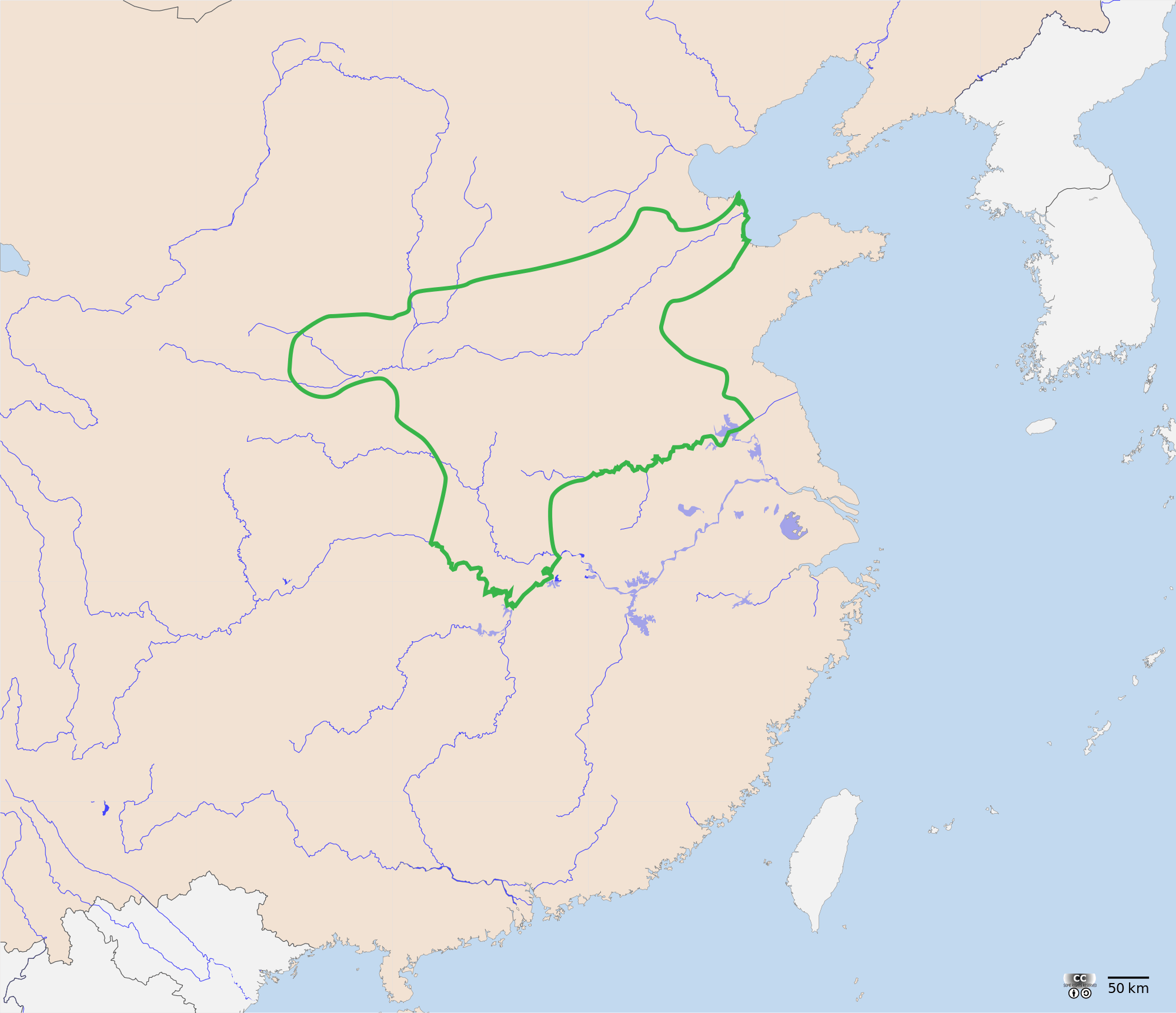
What was the name of China's first dynasty with written evidence?
Shang
Zhou
Hanfeizi
Xia
Civil servants were chosen based on
status
military ability
knowledge
where you live
The seismograph was helpful because
it helped determine the correct positioning for temples, graves, and homes
carry water in buckets from the ditches to the fields
extract salt from the Earth
it can detect which direction an earthquake is coming from
How was the Zhou dynasty similar to and different from the Shang dynasty?
Same basic laws, similar clothing, same language, bronze art; differences were no human sacrifice or oracle bones.
They both depended too much on nobles. But one dynasty was stronger than the other.
They both worshiped the same gods and didn't travel much. But the Shang were better artists.
Same types of art was created, and lived near the desert, but the Zhou didn't continue trade with the outside world.
TRUE or False
Which of the following explains what led to the rise of the Zhou Dynasty?
The Zhou Dynasty was also known as the Chou Dynasty
The Shang People were tired of their cruel leaders
People turned to the Zhou for protection

Which dynasty took over after the fall of the Shang?
Qin
Han
Zhou
Ming

Ancestors
Chinese system of beliefs which describes the way a person must rule.
A system of beliefs based on the teachings of Confucius.
A line of rulers from one family.
A person that someone is descended from.

A symbol in writing system based on pictures.
Ideographs
Dao
Pictographs
Legalism

A Chinese practice of inserting fine needles into the skin at specific points to treat disease or relieve pain.
Network.
Dao
Dynasty
Acupuncture

The study of the basic ideas about society, education, and right and wrong; basic beliefs, concepts and attitude.
Ideographs
Daoism
Legalism
Philosophies

Aristocrats were
A member who works land owned by someone else and pays rent in cash or as a share of the crop.
A member who is a military commander exercising civil power by force, usually in a limited area.
A member of an upper class of society made up of hereditary nobility.
A line of rulers from on family.

A person who works land owned by someone else and pays rent in cash or as a share of the crop.
Dynasty
Ancestors.
Acupuncture
Tenant Farmer.

Divides the land into smaller parts making it easier to control. The rich controlled the poor.
Tenant Farmer
Feudal System
Warlord
Warring States
What three items did China have an exclusive monopoly on when it came to trade?
Porcelain, Tea, and Silk
Gunpowder, Gold, and Rice
Limestone, Millet, and Fireworks
Hot chips, Pepsi, and Applesauce
The Ancient Chinese believed the bones of dinosaurs to actually be those of what mythological creature?
Dinosaurs
Hydras
Dragons
Unicorns
Gunpowder was originally created for what purpose but failed miserably?
A new topping for rice cakes
A potion for immortality
A powder to cure headaches
A cure for bad breath

