
NEW
Font size
 Worksheets
Quiz Mock engineering exam
Total questions: 69
Worksheet time: 35mins
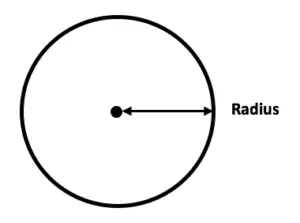
What does a Radius Symbol represent in technical drawings?
The diameter of a circle
The radius of a circle
The circumference of a circle
The area of a circle
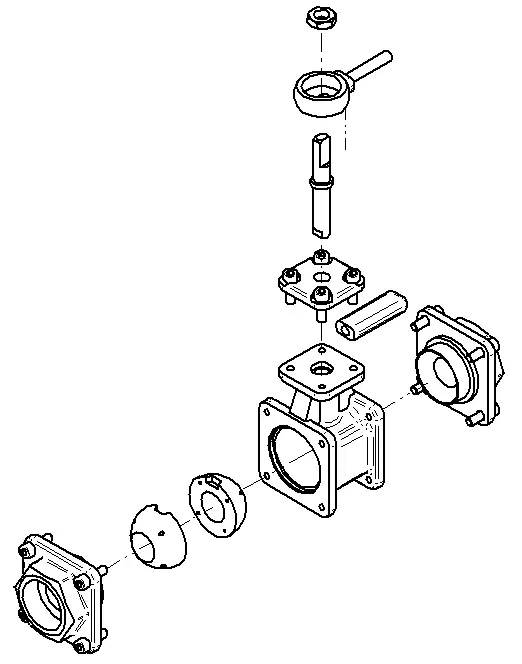
What is the purpose of an Exploded View Drawing?
To show the color of parts
To visualize individual parts in an assembly
To display the weight of parts
To indicate the material of parts
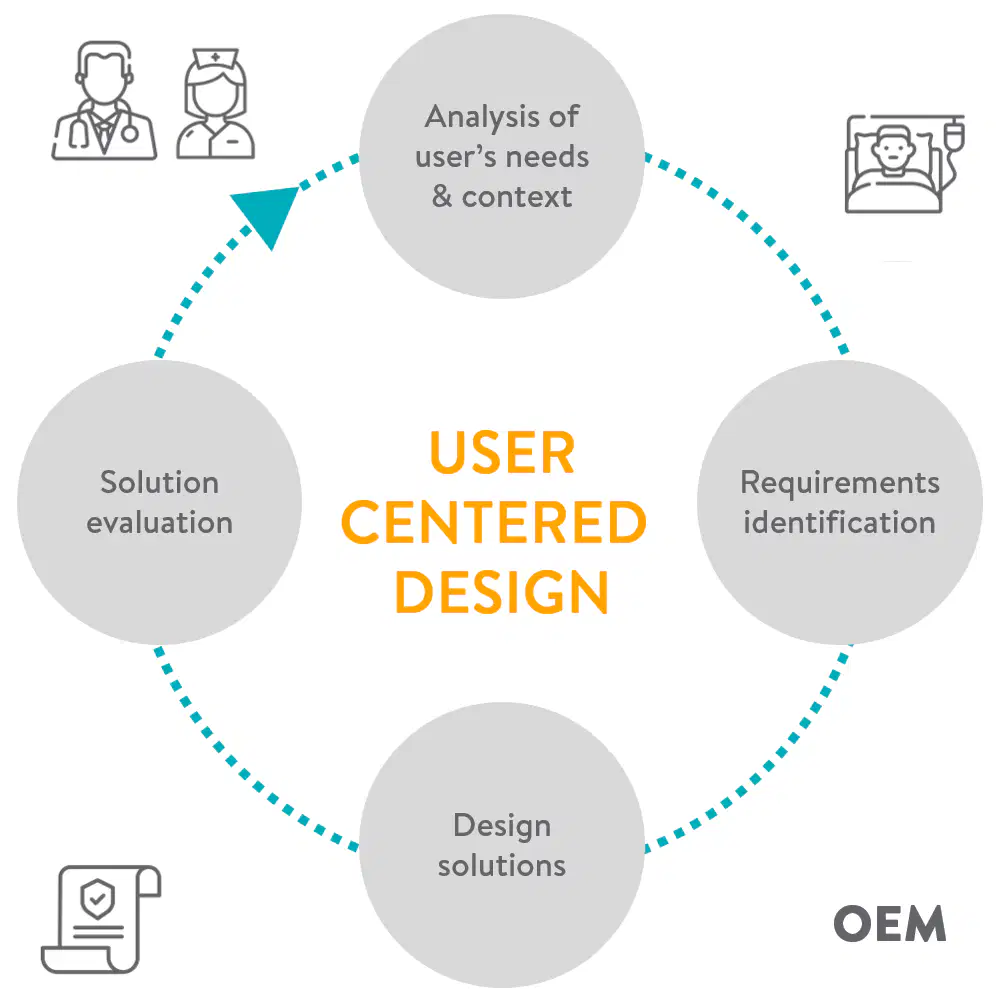
What is the focus of User-Centred Design?
Cost reduction
Aesthetic appeal
End-user needs
Manufacturing speed

What does Batch Production involve?
Producing one item at a time
Producing a fixed quantity in one run
Producing items on demand
Producing items continuously
What is the purpose of Market Research in Evaluation and Research?
To reduce production costs
To understand consumer needs
To increase product size
To improve product color
Which process involves shaping material without removing it?
Forming
Wasting
Finishing
Joining
What is the process of applying a decorative or protective treatment to a surface called?
Joining
Shaping
Finishing
Wasting
What is the process of removing material by hand or machine called?
Finishing
Forming
Wasting
Joining

What is the purpose of anthropometric data in design?
To measure the weight of materials
To determine the color of products
To design for comfort and efficiency
To calculate production costs

What does an assembly drawing show?
The cost of production
How parts fit together in an assembly
The color scheme of a product
The weight of each component
What is the function of block chart symbols?
To represent system components like input, output, and process
To measure the size of a product
To determine the color of a product
To calculate the cost of production

What is the purpose of breadboarding?
To create a final product
To test and refine prototype circuits
To measure the weight of components
To design the color scheme of a product
What are capital costs?
Costs for marketing a product
Initial costs to acquire or build assets for production
Costs for employee salaries
Costs for product packaging

What is the purpose of design specifications?
To outline the color of a product
To detail the requirements a product must meet
To determine the weight of a product
To calculate the cost of production
What is the purpose of finishing in product design?
To calculate production costs
To improve the appearance or durability of a product
To measure the weight of a product
To determine the color of a product
What is the purpose of chrome plating in the finishing process?
To add weight to a product
To apply a thin layer of chromium for corrosion resistance and aesthetics
To remove impurities from metal
To increase the electrical conductivity of a material
What do flowchart symbols represent?
Steps in a flowchart
Types of materials
Methods of joining
Cost of production
What is an isometric drawing?
A two-dimensional sketch
A three-dimensional representation with axes at equal angles
A blueprint for electrical circuits
A method of joining materials
What is the definition of labour cost?
The cost of materials used in production
The cost of human work required to manufacture a product
The cost of shipping finished products
The cost of marketing a product
What does the radius symbol "R" denote in technical drawings?
A type of material
A radius dimension
A type of joint
A type of finish
What is a ranking matrix used for?
A tool to compare and prioritize options based on criteria.
A method of representing 3D objects in 2D drawings.
A precision measuring tool for internal and external dimensions.
A design philosophy focusing on the needs of the end user.
What are scales of production?
The levels of production, such as one-off, batch, or mass production.
Raw materials provided in standard sizes and shapes.
Designing products with minimal environmental impact.
A method of representing 3D objects in 2D drawings.
What does shaping involve?
Changing the form of a material by removing parts.
Testing a product with end users to gather feedback.
A symbol indicating the third angle orthographic projection method.
A precision measuring tool for internal and external dimensions.
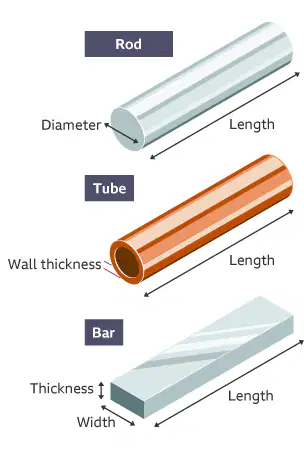
What are stock form materials?
Raw materials provided in standard sizes and shapes.
A tool to compare and prioritize options based on criteria.
Designing products with minimal environmental impact.
A method of representing 3D objects in 2D drawings.
What is sustainable design?
Designing products with minimal environmental impact.
A method of representing 3D objects in 2D drawings.
A precision measuring tool for internal and external dimensions.
Testing a product with end users to gather feedback.
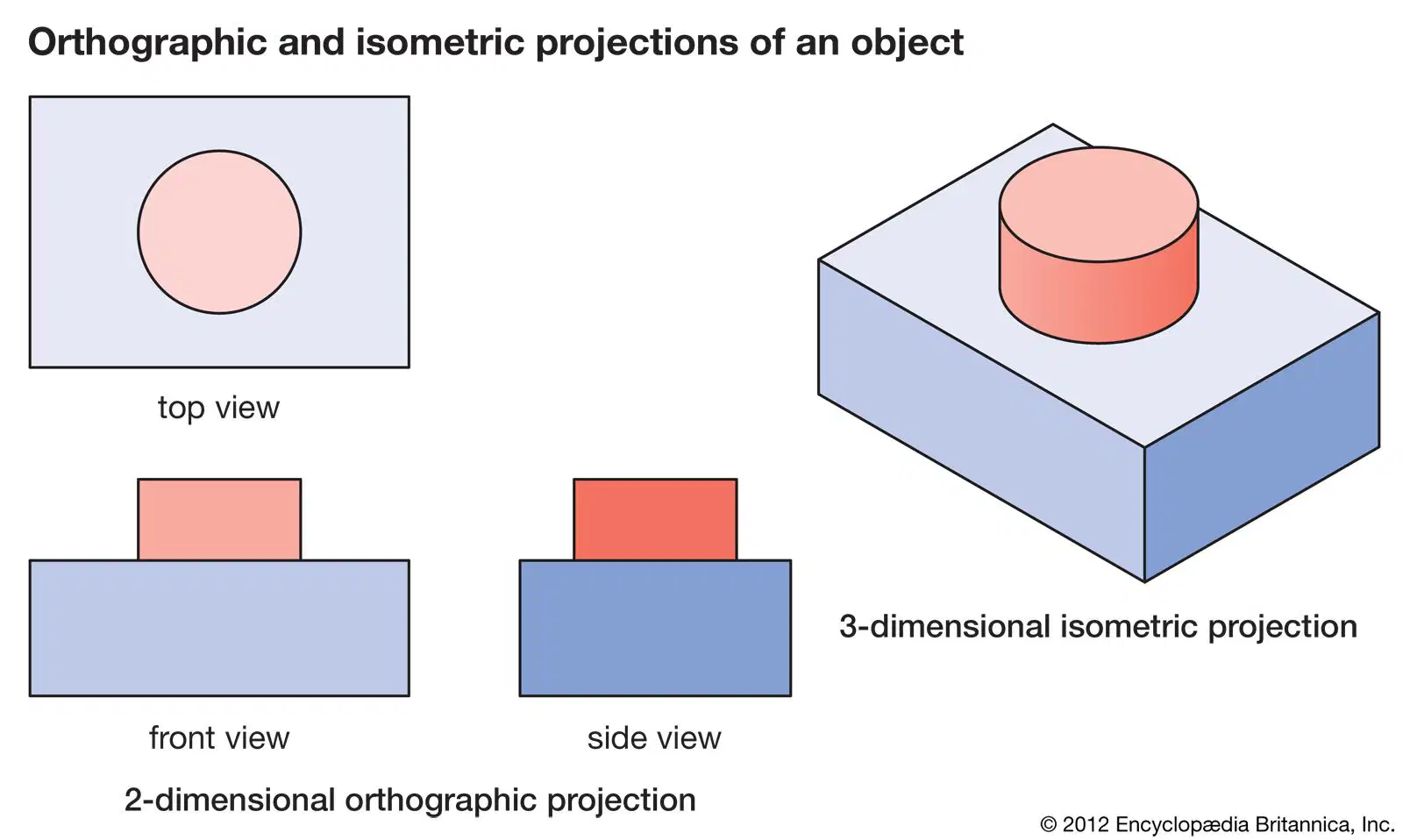
What is third angle orthographic projection?
A method of representing 3D objects in 2D drawings using multiple views.
A tool to compare and prioritize options based on criteria.
Design philosophy focusing on the needs of the end user.
Testing a product with end users to gather feedback.
What is user-centered design?
Design philosophy focusing on the needs and experiences of the end user.
A method of representing 3D objects in 2D drawings.
A precision measuring tool for internal and external dimensions.
Testing a product with end users to gather feedback.
What is user testing?
Testing a product with end users to gather feedback for improvement.
A tool to compare and prioritize options based on criteria.
Designing products with minimal environmental impact.
A method of representing 3D objects in 2D drawings.

What is a Vernier caliper used for?
A precision measuring tool for internal and external dimensions.
A method of representing 3D objects in 2D drawings.
Design philosophy focusing on the needs of the end user.
Testing a product with end users to gather feedback.
What does wasting involve?
Removing material to achieve the desired shape.
Testing a product with end users to gather feedback.
A symbol indicating the third angle orthographic projection method.
A precision measuring tool for internal and external dimensions.
What does "AL" stand for in material abbreviations?
Aluminium
Alloy
Alkaline
Alabaster
How is anthropometric data used in design?
To create aesthetic designs
To ensure designs are comfortable and efficient by using human body measurements
To enhance durability
To improve color schemes
What is the primary purpose of an assembly?
To disassemble products
To create blueprints
To put together parts to create a finished product
To test prototypes
What information does an assembly drawing provide?
Color options
Details on how parts fit together in an assembly
Cost estimates
Material sources
What is an example of batch production?
Producing a single custom item
Producing 100 - 1,000 units of a smartphone model
Continuous production of goods
Handmade crafts
What does a rectangle represent in block chart symbols?
A Decision
A Process
An Input
An Output
What is the purpose of a block diagram?
To create artistic designs
To simplify and illustrate the components and relationships in a system
To measure efficiency
To calculate costs
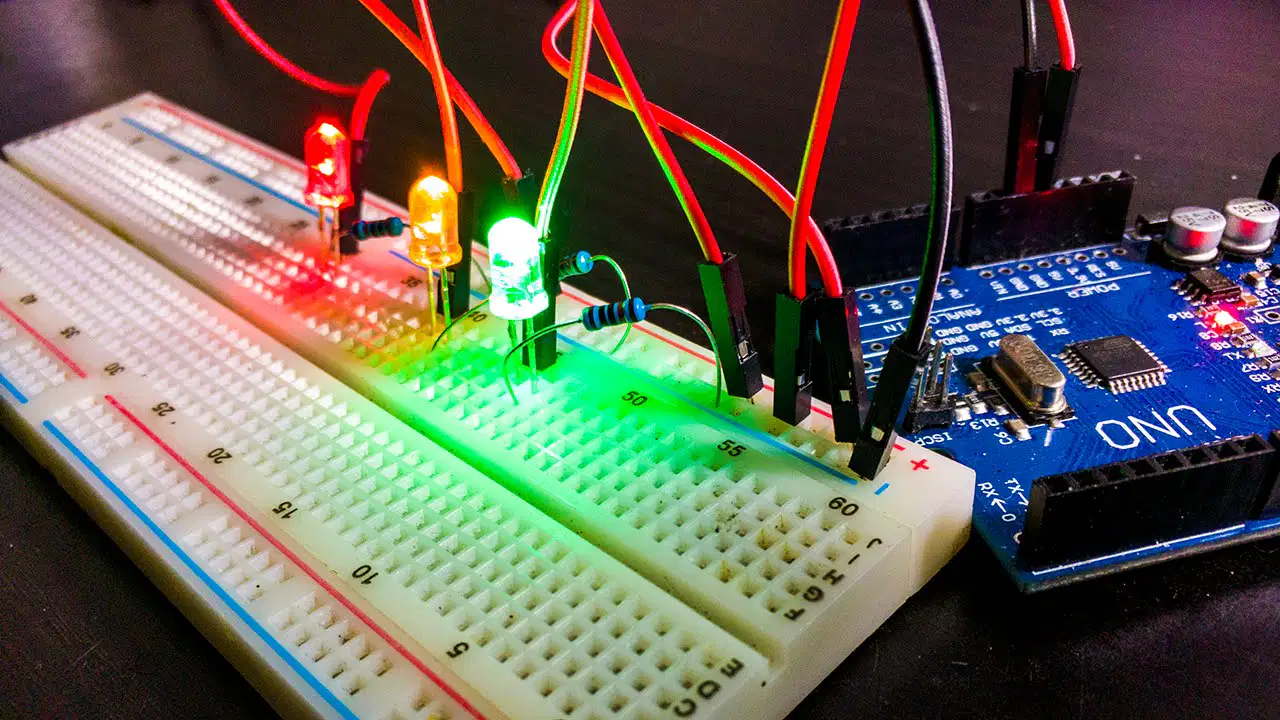
What is breadboarding used for?
Baking bread
Prototyping and testing circuit designs
Designing software
Building houses
What do design specifications outline?
General ideas
Detailed criteria for product requirements
Color preferences
Budget constraints
What is shown in an exploded view drawing?
Components of an object separated to illustrate their relationships.
A single view of an object.
A detailed view of a single component.
A 3D model of an object.
What is the purpose of finishing a product?
To improve appearance or durability.
To increase weight.
To change the color.
To reduce size.
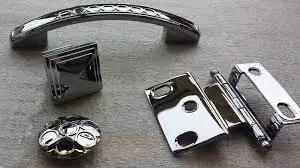
What is chrome plating used for?
To provide corrosion resistance and aesthetics.
To increase weight.
To change the shape.
To reduce cost.
What does a diamond represent in flowchart symbols?
A "Decision."
A "Start."
A "Process."
A "Data."
How does forming differ from shaping?
Forming reshapes materials without removing them, while shaping removes material.
Forming adds material, shaping does not.
Forming is faster than shaping.
Forming is only for metals, shaping is for all materials.
How are isometric drawings constructed?
By representing an object with axes at equal angles of 120 degrees.
By using a single perspective point.
By drawing only the front view.
By using parallel lines only.
What does joining refer to in manufacturing?
Combining materials using welding, riveting, or adhesives.
Separating materials.
Painting materials.
Measuring materials.
What factors contribute to labour cost?
Wages and effort required for production.
Material cost.
Transportation cost.
Marketing cost.
What is a linear design approach?
A straightforward, sequential method for designing.
A random design process.
A circular design method.
A flexible design approach.
What is a limitation in design?
A constraint or restriction, such as material strength or cost.
An advantage in the design process.
A feature of the design.
A benefit of the design.
What is market research used for?
To gather information about consumer needs and preferences.
To design products.
To manufacture goods.
To reduce costs.
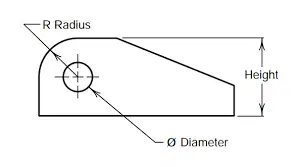
What does a radius symbol denote?
The diameter of a circle
The radius of a circle or arc in a drawing
The circumference of a circle
The area of a circle
What does a ranking matrix help with?
Organizing data alphabetically
Comparing and prioritizing options based on criteria
Calculating financial costs
Designing a product layout
What are the three scales of production?
Small, medium, large
One-off, batch, and mass production
Prototype, development, and final
Manual, automated, and digital
How is shaping performed?
By adding material to create a desired form
By removing material to create a desired form
By painting the surface
By heating the material
What is an example of sustainable design?
Using non-recyclable materials
Creating reusable water bottles from recycled plastic
Designing single-use products
Increasing energy consumption
What does third angle orthographic projection represent?
A method for representing 2D objects in 3D views
A method for representing 3D objects in 2D with multiple views
A method for creating 3D animations
A method for designing user interfaces
What is the third angle orthographic symbol used for?
To indicate the use of first angle projection in technical drawings
To indicate the use of third angle projection in technical drawings
To measure angles in a drawing
To create perspective views
What is the focus of user-centred design?
Reducing production costs
Meeting the needs and experiences of the end user
Increasing product complexity
Enhancing aesthetic appeal
What is the purpose of user testing?
To gather feedback from users to improve a product
To finalize the product design
To reduce manufacturing time
To increase product cost
What is a Vernier caliper used for?
Measuring temperature
Measuring weight
Precision measurements of internal and external dimensions
Calculating speed
What is an example of wasting in manufacturing?
Efficient use of materials
Cutting wood using a saw
Recycling materials
Reducing energy consumption
What is the primary focus of user-centred design (UCD)?
Cost efficiency
Aesthetic appeal
End user needs and preferences
Technological innovation

Which of the following is a step involved in applying UCD to a problem?
Ignoring user feedback
Conducting user research
Focusing solely on aesthetics
Reducing production costs

What is an example of a product feature that might be developed using UCD for people with limited hand mobility?
Smaller, compact handles
Larger, easy-to-grip handles
Complex digital interfaces
Heavy, durable materials
What is the purpose of involving end users in the UCD process?
To increase production speed
To enhance independence and improve quality of life
To reduce manufacturing costs
To focus on aesthetic design
What is the primary goal of sustainable design?
To increase production speed
To reduce environmental impact
To enhance product aesthetics
To maximize profit
Which of the following is a key principle of sustainable design?
Using non-renewable resources
Increasing waste production
Ensuring recyclability
Reducing energy efficiency

How can an engineering team incorporate sustainable design in smartphone production?
By using non-recyclable materials
By optimizing battery life and using energy-efficient components
By increasing the weight of the smartphone
By using more plastic in the design
What is an example of a sustainable feature in smartphone design?
Using rare earth metals without recycling
Designing for easy disassembly
Increasing the carbon footprint
Using high-power processors

