
 Worksheets
Construction Trades Quiz
Total questions: 49
Worksheet time: 25mins
Which of the following is a main tradesperson you are likely to come across on a site?
Chef
Plumber
Teacher
Doctor
Which of the following tradespeople is responsible for electrical work on a site?
Carpenter
Plasterer
Electrician
Bricklayer
Who among the following is likely to work with wood on a construction site?
Plumber
Electrician
Carpenter
Plasterer
Which tradesperson is responsible for laying bricks on a construction site?
Plasterer
Electrician
Bricklayer
Carpenter
Who is responsible for applying plaster to walls and ceilings on a site?
Plumber
Electrician
Carpenter
Plasterer
What are plumbers responsible for installing in a domestic property?
Electrical wiring and lighting systems
Hot and cold water systems, central heating systems
Carpentry and woodwork
Roofing and insulation
Which of the following is included in a plumber's work?
Painting and decorating
Installing bathroom suites, radiators, boilers, and controllers
Landscaping and gardening
Tiling and flooring
What is the primary responsibility of an electrician in a domestic property?
Installing plumbing systems
Installing the wiring for lighting and power supply
Painting the walls
Designing the interior layout
Which of the following is included in the electrician's installation work?
Carpeting
Roofing
Sockets, switches, and light fittings
Landscaping
What are carpenters responsible for installing within a domestic property?
Electrical wiring
Wooden fixtures
Plumbing systems
HVAC units
What is another name for carpenters?
Plumbers
Electricians
Joiners
Masons
Which of the following tasks can be part of a carpenter's work?
Installing solar panels
Painting walls
Hanging doors
Laying tiles
What are bricklayers responsible for installing?
Electrical wiring
Plumbing fixtures
Brickwork, stonework, and concrete blocks
Roofing materials
Which of the following is included in the work of a bricklayer?
Painting walls
Installing internal and external walls
Laying carpet
Fixing electrical appliances
What are plasterers responsible for in a property?
Installing electrical systems
Carrying out all the plastering on walls and ceilings
Plumbing and pipe fitting
Painting and decorating
Which of the following tasks can plastering include?
Installing windows
Laying floor tiles
Dry lining, textured finishes, and coving
Roofing
What additional work might some plasterers do?
Render external walls
Install kitchen cabinets
Lay carpets
Fit bathroom fixtures
What is a real hazard on a construction site and within a customer's property according to the document?
Fire hazards
Electric shocks
Chemical spills
Falling objects
What should be done to avoid electric shocks?
Use equipment without inspection
Ignore electrical equipment
Carry out regular inspections and use equipment correctly
Only use equipment during the day
What is a common hazard associated with 'hot work' such as welding and soldering?
Slips and falls
Burns
Noise pollution
Chemical spills
What is required to avoid burns during 'hot work'?
Use of PPE and warning signs
Increased lighting
Regular breaks
Ventilation systems
Besides 'hot work', what are other causes of burns mentioned?
Loud noises
Chemical exposure and electric shock
Heavy lifting
Poor ventilation

What is a common hazard in working life that can affect the hands, arms, and body?
Slips and falls
Cuts and abrasions
Electrical shocks
Noise pollution
How can many cuts and abrasions be avoided in the workplace?
By working faster
By using proper lighting
By the correct use of PPE
By taking frequent breaks
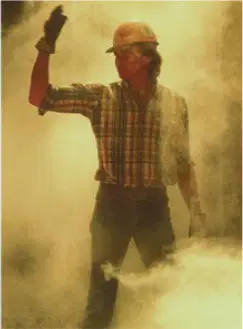
What should be used to protect against dust inhalation when grinding or creating sawdust?
Safety goggles
Dust mask or face mask
Earplugs
Gloves
Why is it important to use the correct breathing apparatus in certain situations?
To improve vision
To enhance hearing
To protect the lungs
To increase strength
What is a potential hazard when working at heights?
Slipping on wet surfaces
Falling from a short distance
Electrical shock
Noise pollution
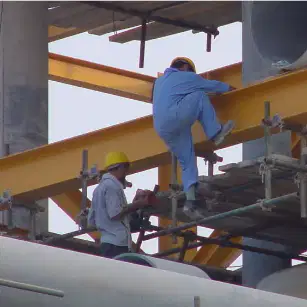
Why is good training in the use of access equipment essential?
To improve speed of work
To ensure safety and prevent injuries
To reduce material costs
To enhance communication skills
What is a common hazard associated with lifting and carrying items on site?
Eye strain
Back damage
Hearing loss
Skin irritation
What can minimize the risk of injury when lifting and carrying items?
Wearing sunglasses
Correct training in manual handling
Using a computer
Drinking water
What does PPE stand for in the context of minimizing risks on site?
Personal Protective Equipment
Professional Performance Evaluation
Public Policy Education
Personal Preference Essentials
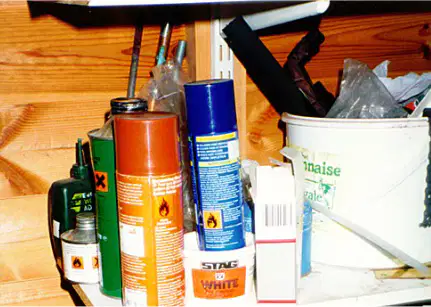
What are solvents commonly used for on site?
Painting walls
Cleaning and joining plastic components
Insulating pipes
Lubricating machinery
Why is training in the correct use of solvents important?
To save time
To reduce costs
To prevent significant hazards
To improve efficiency
What is essential when using solvents according to the text?
Ignoring safety guidelines
Following the manufacturer's recommendations
Using them without supervision
Mixing them with water
What should be avoided when using cleaning chemicals on site?
Mixing cleaning chemicals
Using chemicals in open areas
Following manufacturer's recommendations
Wearing protective gear
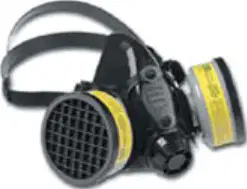
Where should chemicals that create vapours be used?
In enclosed spaces
In well-ventilated areas
In dark rooms
In small containers
What is asbestos commonly used in, and why is it considered dangerous?
Used in textiles, dangerous due to flammability
Used in construction, dangerous due to its fibrous nature
Used in electronics, dangerous due to electrical conductivity
Used in food packaging, dangerous due to toxicity
What should you do if asbestos is suspected to be found on site?
Continue working and ignore it
Report it to your supervisor and stop work
Try to remove it yourself
Cover it and keep working
What is a potential hazard caused by power tools commonly used on site?
Noise pollution
Vibration
Electrical shock
Dust inhalation
What condition can be caused by excessive vibration from power tools?
Carpal tunnel syndrome
White finger syndrome
Tennis elbow
Migraine
How can the risk from vibration be reduced?
Using larger tools
Working longer hours
Correct training and the use of PPE
Increasing tool speed
What is recommended to minimize the effects of vibration when using power tools?
Use tools continuously without breaks
Use tools only for short periods and with regular breaks
Increase the power of the tools
Use tools in a confined space
What can excessive noise from power tools cause?
Improved concentration
Permanent hearing damage
Enhanced vision
Increased energy levels
What is one way to reduce the risk of injury from noise hazards?
Ignoring the noise
Using earplugs
Correct training and use of PPE
Working longer hours
What can cause extreme temperatures in the workplace?
Only hot summer days
Industrial coolers or dryers
Only winter conditions
Rainy weather
What should be considered when choosing PPE for work in extreme temperatures?
Color of the PPE
Adverse weather conditions
Brand of the PPE
Cost of the PPE
What additional protection might be needed when working in extreme temperatures?
Sunglasses
Sunblock
Gloves
Hat
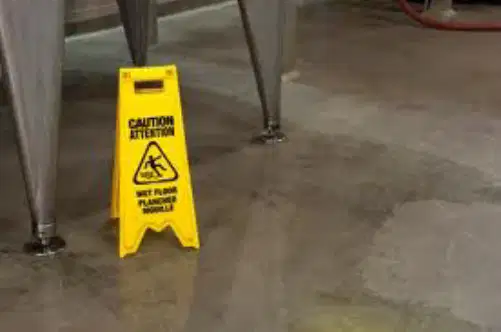
Which of the following actions can help avoid slips, trips, and falls on site?
Leaving tools scattered around
Not informing the customer
Storing items neatly
Ignoring trailing leads
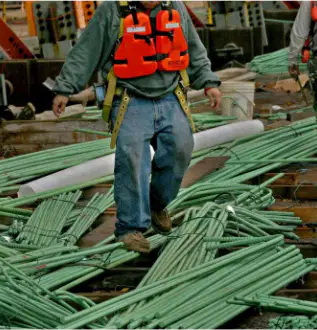
What is a key practice to prevent hazards such as slips, trips, and falls?
Tidying up after yourself
Leaving trailing leads
Ignoring customer communication
Storing items haphazardly

