
 Worksheets
5th Grade Checkpoint #3 Review
Total questions: 20
Worksheet time: 10mins
A river delta forms at the mouth of a river where it enters a larger body of water. Usually the delta is shaped like a triangle.
What process causes delta formation?
wave action
deposition of sediments
erosion of the river bank
the movement of the tides
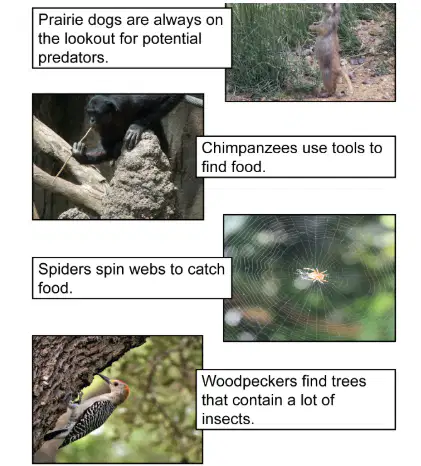
Which example from the diagram represents an instinctual behavior?
Prairie dogs are always on the lookout for potential predators.
Chimpanzees use tools to find food.
Spiders spin webs to catch food.
Woodpeckers find trees that contain a lot of
insects.
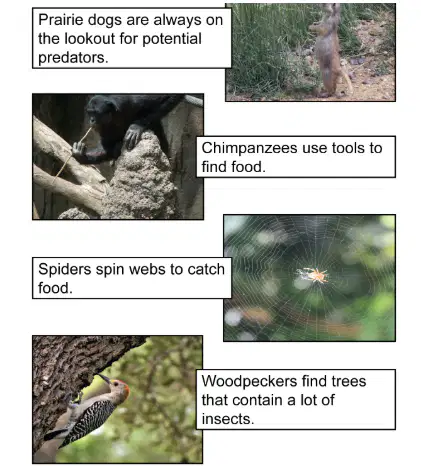
Which example would be considered a learned behavior?
A lion hunting with other lions.
A robin builds a nest before laying eggs.
A baby blinks to keep her eyes from drying out.
A caterpillar makes a cocoon before turning into a butterfly.
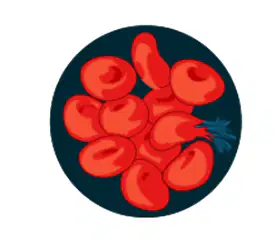
Cells have different sizes, structures, and functions. Some cells are so small, they can only be seen with certain tools. Which of these tools allows scientists to observe the smallest of cells?


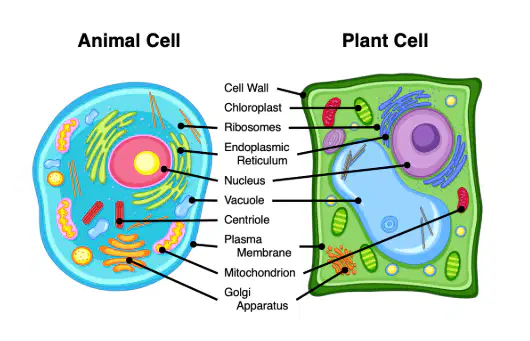
One of the differences between a plant and animal cell can be found surrounding the outer cell structure of the plant cell. It provides structure and support to the plant cell. What is this structure?
cell wall
cytoplasm
chloroplast
mitochondria
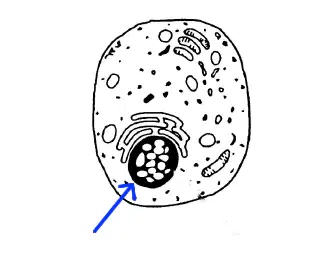
What is the function of the organelle identified in the picture?
movement
houses the cell's DNA
houses the digestive enzymes
to move proteins through the cell

Which organism would best be classified as an amphibian?
Organism A
Organism B
Organism C
Organism D

A student has categorized several organisms into the two groups seen here. What is the most likely reason that the student put the giraffe and the wolf in the same category but did not place any of the other organisms in the same category?
The giraffe and the wolf live on land.
The giraffe and the wolf eat the same foods.
The giraffe and the wolf are the only ones with backbones.
The giraffe and the wolf are the only ones that make milk and have fur.
Jamie is trying to classify an animal based on its characteristics. The animal has a backbone, is warm-blooded, and has feathers. Which category below does the animal NOT belong to?
Mammals
Birds
Vertebrates
Amphibians
What must always happen in order for a chemical reaction to occur?
A new substance is produced.
A liquid is formed.
A bad odor is released.
Objects disappear completely.
Which process is NOT the result of a chemical change during a reaction?
Iron rusting in moist air
Ice melting
Wood burning to produce ash and smoke
Vinegar reacting with baking soda to produce bubbles
Which process is NOT a physical change?
Breaking a glass
Boiling water
Burning wood
Chopping vegetables
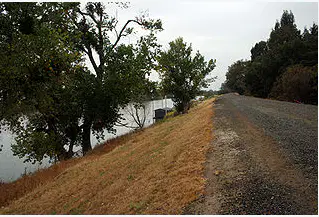
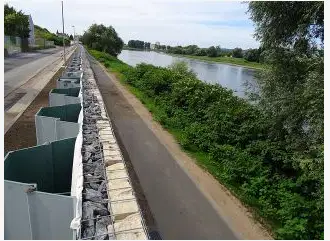
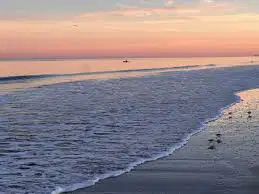
Student groups in Ms. Johnson's class were studying about the weather. "Weather can be very unpredictable and can damage property and cause injury to animals and people," stated Ms. Johnson. The students in Ms. Johnson's class were especially aware of the hazards of flooding because they lived in the floodplain of the Mississippi River.
As a group, the students and Ms. Johnson evaluated different ways to help keep the flood waters from damaging homes and property. ALL BUT ONE picture shows some type of barrier to the flood waters. That is

How do earthworms contribute to soil formation, a constructive process?
By breaking down rocks
By blocking water flow
By destroying plants
By aerating the soil
The Jones family was traveling from Dallas to Oklahoma City on their summer vacation, but had to make a detour because of a rockslide that covered the highway. What caused the rocks to slide down the hill?
wind and ice
erosion and ice
water and gravity
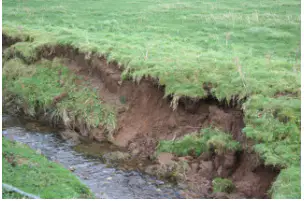
Phillip came out to this stream after a few days of very heavy rain. He noticed that the bank of the stream had parts that seemed to disappear. What conclusion can you draw about the stream?
The roots of the grass were strong enough to hold the soil along the stream in place.
The water from the rain eroded the banks of the stream and carried the mud and grass downstream.
Thirsty animals that drank from the stream pushed the earth underneath them deeper into the ground.
The heavy winds created by the storm blew the dirt along the banks out into the grassy area yards away from the stream.
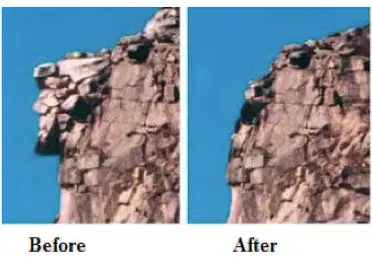
For many centuries, rocks on the side of a cliff formed a face that people called the Old Man of the Mountain. Then the rocks fell off. Which statement BEST explains why the rocks broke off the cliff?
People blasted the rocks away.
Blowing winds smoothed away the jagged rock pieces.
The force of gravity grew stronger and pulled the rocks to the ground.
Freezing and thawing cracked the rocks into smaller pieces that fell due to gravity.
What is the smallest unit of matter?
Molecules
Atoms
Cells
Compounds
Which of the following is an example of a learned behavior?
A baby crying when hungry
A bird building a nest for the first time
A dog sitting on command after training
A spider spinning a web
Which of the following is an example of an instinct?
A child learning to ride a bike
A bird flying south for the winter
A dog fetching a ball after training
A person speaking a second language

