wayground logo

Free Printable Worksheets

Font size

S
M
L
XL
Worksheets

Cells and Systems: Topic 1&2 Review

Total questions: 50

Worksheet time: 7hrs 35mins

Name
Class
Date
1.
Which of the following is the smallest unit of life that can carry out all life functions?
a)
the mitochondria
b)
the vacuoles
c)
the nucleus
d)
the cell
2.
Which choice below shows the order of organization in an animal from simplest to most complex?
a)
organ system, organ, tissue, cell
b)
cell, tissue, organ, organ system
c)
tissue, cell, organ system, organ
d)
tissue, cell, organ system, organ
3.

Animals eat food and plants use sunlight, both are examples of obtaining what?

a)

A full stomach

b)

Cells

c)

Energy

d)

headache

4.
What is an organism whose body is made of more than 1 cell known as?
a)
unicellular
b)
multicellular
c)
cell
d)
Homeostasis
5.
Directs all the cell's activities.
a)
mitochondria
b)
chloroplasts
c)
vacuole
d)
nucleus
6.
All living things are made from cells.  
a)
True
b)
False
7.
This is the "brain" of what controls all the activities of the cells.
a)
Mitochondria
b)
Cell membrane
c)
nucleus
d)
nucleus membrane
8.
Which organelle provides storage of food, water, and nutrients?
a)
Cell membrane
b)
mitochondria
c)
Vacuole
d)
Vacuume
9.
What is a group of organs working together is called?
a)
Tissue system
b)
organ system
c)
An organism
d)
cell system
10.
Which term refers to groups of different tissues that have combined to form a single structure?
a)
Cells
b)
Organs
c)
organ system
d)
Organisms
11.
The main function of the cell wall is to direct the activities of the cell.
a)
True
b)
False
12.
Plant cells are the same as animal cells.
a)
True
b)
False
13.
I produce the energy a cell needs.  I am a mighty power house.  Who am I?
a)
Mitochondria
b)
Nucleus
c)
Lysosome
d)
Cell Membrane
14.
Where do chloroplasts get energy from to help make food?
a)
Chlorophy
b)
Leaves
c)
Stored Sugar
d)
Sun
15.
What what are groups of similar cells that do the same sort of work called?
a)
Organs
b)
Cells
c)
Tissues
d)
Organ System
16.
Which organelle is like a post office because it receives materials, packages, and distributes them?
a)
Chloroplasts
b)
Ribosomes
c)
Golgi Bodies
d)
Nucleolus
17.
I control movement in and out of a cell. Who am I?
a)
Cell Wall
b)
Cyto
c)
Cell Membrane 
d)
Nucleus
18.
What is the gel like substance that holds organelles in cells?
a)
Cytoplasm
b)
Chloroplast
c)
Nucleus
d)
Mitochondria
19.
What creates the protein for the cell?
a)
Cytoplasm
b)
Nucleus
c)
Golgi bodies
d)
Ribosomes
20.
Rocks are not living because
a)
they never move
b)
they aren't needed for humans
c)
they are not made of cells
d)
they don't break down
21.
Why do humans require many different types of cells to survive?
a)
Human cells are identical and work together to perform the same function.
b)
Human cells are specialized and work together to perform the same function.
c)
Human cells are identical and work independently to perform different functions.
d)
Human cells are specialized and work independently to perform different functions.
22.
Any living thing is called an
a)
organ
b)
organization
c)
organism
23.
What do living things use energy for?
a)
To do things like grow, repair, replace cells, and digest.
b)
To find friends
c)
To succeed in school
d)
To reach their goal
24.

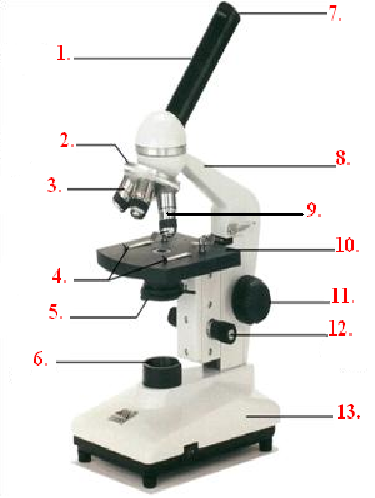
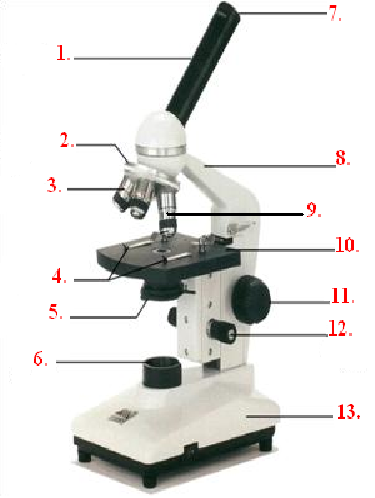
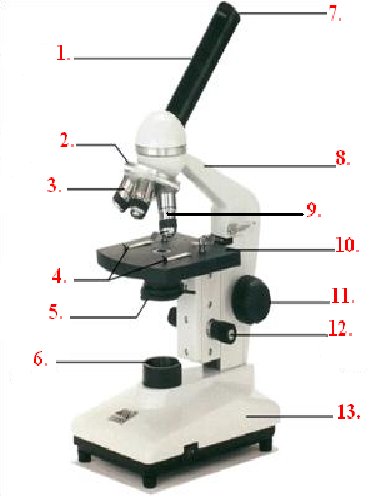
Number 7

a)

Eyepiece

b)

Objective Lens

c)

Base

d)

Arm

25.

Number 3

a)

eye piece

b)

Objective Lens

c)

Diaphragm

d)

Base

26.

Number 8

a)

Base

b)

Stage

c)

Tube

d)

Arm

27.

Number 4

a)

Stages

b)

Arms

c)

Stage Clips

d)

Ocular Lens

28.

Number 10

a)

Stage

b)

Stage Clips

c)

Diaphragm

d)

Base

29.

Number 12

a)

Course Adjustment

b)

Fine Adjustment

c)

Small Adjuster

d)

Large Adjuster

30.

Number 11

a)

Course Adjustment

b)

Fine Adjustment

c)

Small Adjuster

d)

Large Adjuster

31.

Number 5

a)

Knob

b)

Ocular Lens

c)

Diaphragm

d)

Objective Lens

32.

Number 6

a)

Insulator

b)

Objective Lens

c)

Ocular Lens

d)

Light source

33.
Number 13
a)
Arm
b)
Light
c)
Base
d)
Stand
34.
Moves the stage slightly to sharpen the image
a)
Body Tube
b)
Course Focus Knob
c)
Aperature
d)
Fine Focus Knob
35.
Handle used to support the microscope when carried
a)
Base
b)
Revolving Nosepiece
c)
Light Source
d)
Arm
36.

This body system is a framework of bones and tissues that connect the bones.

a)

Muscular System

b)

Respiratory System

c)

Skeletal System

d)

Endocrine System

37.

This body system enables the body to transport, or move, materials from one place to another through the blood.

a)

Circulatory System

b)

Respiratory System

c)

Skeletal System

d)

Muscular System

38.

This body system moves the body and is made up of all the muscles in your body.

a)

Skeletal System

b)

Circulatory System

c)

Respiratory System

d)

Muscular System

39.

This body system enables you to breath.

a)

Musuclar System

b)

Respiratory System

c)

Skeletal System

d)

Cirulatory System

40.

This body system breaks down the food you eat into a form your cells can use as fuel for the body.

a)

Digestive System

b)

Excretory System

c)

Nervous System

d)

Endocrine System

41.

This body system is the control and command system of the body.

a)

Endocrine System

b)

Excretory System

c)

Digestive System

d)

Nervous System

42.

The body system that consists of glands throughout the body that produce hormones.

a)

Endocrine System

b)

Nervous System

c)

Excretory System

d)

Digestive System

43.

This is the body system that removes wastes from the body.

a)

Endocrine System

b)

Nervous System

c)

Excretory System

d)

Digestive System

44.
During osmosis
a)
water moves from high to low concentration
b)
large or oddly shaped molecules move across a cell membrane
c)
water moves when energy is used
d)
proteins are built
45.
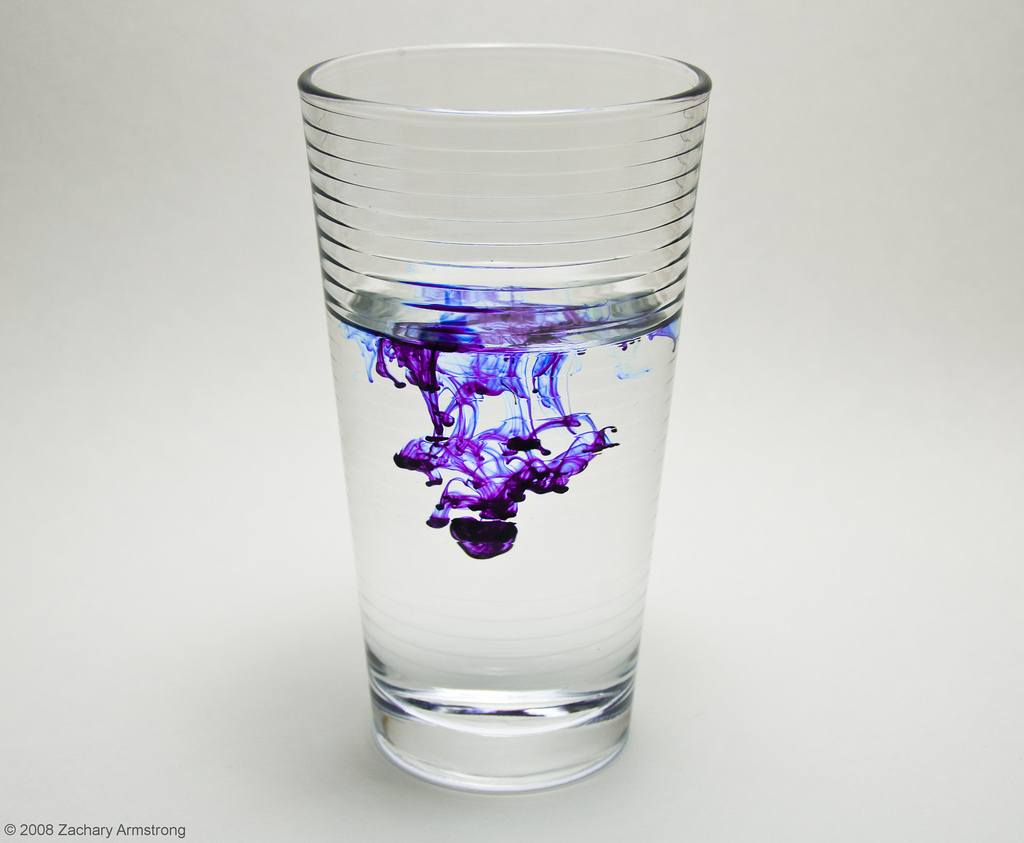
The picture below is an example of _________________.
a)
osmosis
b)
isotonic
c)
diffusion
d)
active transport
46.
Which way will the water molecules move during osmosis?
a)
Out of the cell, so the cell shrinks.
b)
Out of the cell, so the cell swells.
c)
Into the cell, so the cell shrinks.
d)
Into the cell, so the cell swells.
47.
What is diffusion?
a)
when molecules move 
b)
when molecules move from a high concentration to a low.
c)
no movement 
d)
molecules move everywhere
48.
Where is there a low concentration of dye?
a)
at the bottom of cup
b)
in the color
c)
at the top of cup 
d)
no concenteraion gradient
49.
Osmosis is the movement of _____ across a membrane.
a)
food
b)
energy
c)
oxygen
d)
water
50.

What is DIFFUSION?

a)
b)
c)
d)