
 Worksheets
Ch 20 Chemical Texture Services Assignment
Total questions: 53
Worksheet time: 29mins
Grace and Mason are on a mission in their cosmetology class to uncover the secrets of Permanent Wave! They're diving into the world of hair transformations. Can you help them identify the four magical chemical reactions involved?
Oxidation, reduction, neutralization, and polymerization
Combustion, evaporation, condensation, and sublimation
Photosynthesis, respiration, digestion, and fermentation
Hydrolysis, synthesis, decomposition, and combustion
Michael and Grace are discussing different types of permanent waves for hair makeovers. Michael curiously asks, "Grace, can you tell me what makes an alkaline permanent wave different from a true acid permanent wave?"
Alkaline permanent waves are more acidic than true acid permanent waves
True acid permanent waves require heat, while alkaline permanent waves do not
Alkaline permanent waves are used for straightening hair, while true acid permanent waves are not
True acid permanent waves are faster than alkaline permanent waves
Imagine Mia is at the salon, and she's curious about the magic behind her fabulous permanent wave. What is the purpose of neutralization in permanent waving?
To add a splash of color to Mia's hair
To whisk away excess moisture
To restore Mia's hair to its natural pH balance
To give Mia's hair a volume boost
At the vibrant halls of cosmetology school, Nora is on a quest to master the art of the perfect permanent wave. What magical step must she never forget to ensure her permanent wave techniques are both safe and spellbindingly effective?
Using the hottest water possible
Skipping the neutralization step
Following manufacturer's instructions
Applying perm solution to dry hair
Olivia and Avery are diving into the world of hair treatments in their cosmetology class. Can you guess what one of their exciting learning objectives is when it comes to permanent waves?
Describe how thio relaxers straighten the hair.
Explain the benefits of hair coloring.
Discuss the history of hair styling.
Identify different types of shampoos.
Imagine you're in a hair salon competition! Michael, Daniel, and Hannah are showcasing their skills. Which technique is demonstrated for safety and effectiveness in the learning objectives?
Permanent wave techniques
Hair cutting techniques
Hair coloring techniques
Shampooing techniques
Maya is gearing up for a dazzling special event and wants to transform her look with a fabulous new hairstyle. She's thinking about a process that will completely restructure her hair. Which exciting process should she choose?
Curl re-forming
Hair coloring
Hair cutting
Shampooing
Abigail is on a hair adventure and wants to transform her natural curl pattern using a Permanent Wave. Which of the following processes should she consider?
Permanent waving
Hair coloring
Hair cutting
Hair drying
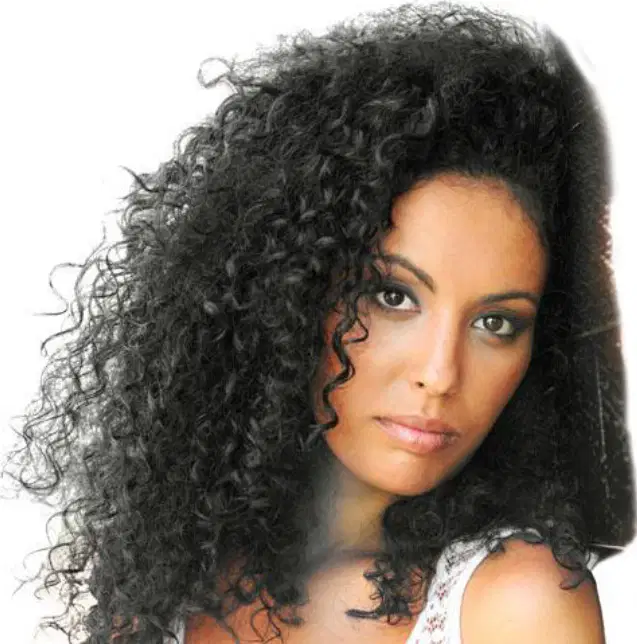
Abigail is getting ready for a glamorous party and wants to transform her natural curls into a sleek look. What permanent wave technique should she use?
Curl re-forming
Relaxing
Hair straightening
Hair braiding
Ava, Nora, and Priya are on a hair adventure! Ava wants to change her hairstyle and is considering different processes. Which process involves a permanent wave to re-form curls in hair?
Curl re-forming
Hair bleaching
Hair trimming
Hair washing
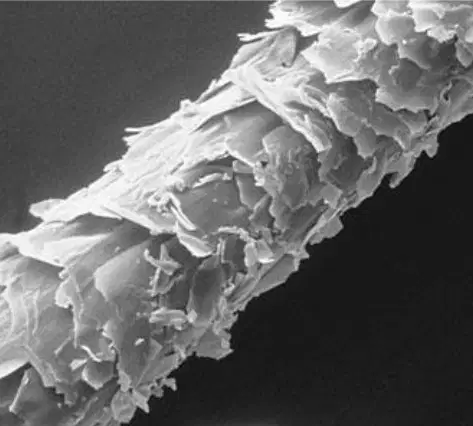
During a fun salon visit, Aria and Anika were curious about how a Permanent Wave treatment affects hair. Can you guess what magical role the cuticle plays in keeping our hair fabulous even after such treatments?
It provides color to the hair.
It surrounds the inner layers and protects hair from damage.
It is responsible for hair growth.
It gives hair its texture.
Anika and Ethan are on a quest to discover the secrets of hair care magic! They're curious about what gives hair its super strength and bounce. Can you help them uncover the mystery of the role of Permanent Wave in the structure of hair?
Provides color to the hair
Responsible for hair strength and elasticity
Protects the hair from damage
Does not play a role in restructuring
During a lively discussion in a hairdressing class, Jackson and Hannah were debating about the structure of hair during a permanent wave treatment. Jackson claimed to know the layer often referred to as the pith or core. Can you guess which layer he identified?
Cortex
Cuticle
Medulla
Follicle
In a lively beauty salon, Benjamin was curious about the secrets of hair structure during a permanent wave treatment. Can you help him figure out what's true about the medulla in the structure of hair?
It is the outermost layer of hair
It is responsible for hair color
It does not play a role in restructuring
It is always present in all types of hair
In a bustling hair salon, Ava and James are on a mission to uncover the mysteries of different hair treatments. As part of their adventure, they need to measure the pH of a solution used in a permanent wave. Can you help them by telling what pH stands for in the context of texture services?
Potential hydrogen
Potential helium
Potential hydroxide
Potential heat
In a lively chemistry class, Olivia and David are on a mission to explore the mysterious world of permanent waves in hair styling. They're curious to know: What magical range of the pH scale should they consider to unlock the secrets of acidity and alkalinity in hair treatments?
0 to 10
0 to 14
1 to 7
1 to 10
Grace and Aiden are at a hair salon experimenting with different hair treatments. They come across a mysterious hair product and need to find out its pH level to ensure it is safe for use. What pH value should they look for to find a neutral product?
5
6
7
8
Emma and Elijah are on a mission in their chemistry class to explore the mysterious world of pH levels. They stumble upon a curious question: What is the magical pH range of a permanent wave solution for hair?
3.5 to 4.5
4.5 to 5.5
5.5 to 6.5
6.5 to 7.5
Abigail and Anika are on a quest to uncover the secrets of biology! They stumble upon a mysterious scroll that asks: What magical elements are amino acids composed of?
Carbon, oxygen, hydrogen, nitrogen, and sulfur
Carbon, oxygen, hydrogen, phosphorus, and sulfur
Carbon, oxygen, hydrogen, nitrogen, and calcium
Carbon, oxygen, hydrogen, nitrogen, and potassium
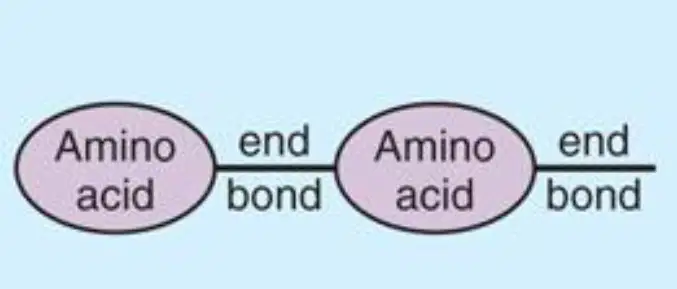
In a lively biology class, Aria and Ethan are on a quest to discover how proteins are formed. Can you help them figure out the magical role of Permanent Wave (end) bonds in this process?
To break down amino acids
To join amino acids end-to-end in long chains
To dissolve amino acids in water
To convert amino acids into sugars
In a bustling hair salon, Maya and Aiden are on a quest to uncover the secrets of permanent waves. They stumble upon a mystery: what magical bonds form the backbone of polypeptide chains?
Hydrogen bonds
Peptide bonds
Salt bonds
Disulfide bonds
In Olivia's beauty class, she explores the intriguing process of a permanent wave, commonly known as a perm. She learns that a significant percentage of the hair's structure is altered by keratin proteins during this process. Can you guess what percentage this is?
50 percent
75 percent
97 percent
100 percent
During a fun salon visit, Maya and Isla were exploring the wonders of permanent waves. Their stylist playfully challenged them, "Can you guess which of the following is NOT a type of side bond in hair?"
Disulfide bond
Salt bond
Peptide bond
Hydrogen bond
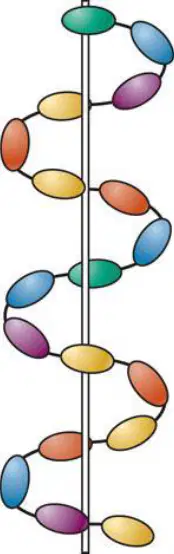
Evelyn and Mia are on a beauty adventure, exploring the fascinating world of permanent waves! They stumble upon keratin, the protein that makes up hair and nails. What should they learn about its structure to unlock its secrets?
Long, coiled chains of amino acids linked together end-to-end by end bonds
Short, straight chains of carbohydrates linked by hydrogen bonds
Long, coiled chains of lipids linked by peptide bonds
Short, straight chains of nucleotides linked by covalent bonds
In a bustling hair salon, Sarah and Mia are on a mission to discover the secrets of hair styling. They stumble upon a fascinating phenomenon where certain bonds form when sulfur atoms in two adjacent hair strands come together during a permanent wave treatment. What are these magical bonds called?
Bonds formed when sulfur atoms in two adjacent protein chains are joined
Bonds formed by hydrogen atoms in protein chains
Bonds that are easily broken by water
Bonds that account for all of hair's strength
In the bustling hair salon, Aiden and Zoe are on a mission to uncover the secrets of hair styling. They stumble upon the mighty disulfide bonds, the unsung heroes holding hair structure together. But what if they wanted to play the role of a stylist and break these bonds to create a permanent wave? How can disulfide bonds be disrupted?
By water
By heat
By chemicals
By light
Henry, along with his curious friends Ava and Samuel, is on a mission to uncover the secrets of hair strength! They're particularly interested in finding out what fraction of hair's strength is due to the mighty disulfide bonds. Can you join their adventure and help them discover the answer?
1/2
1/3
1/4
1/5
Imagine you're a hair stylist working with a Permanent Wave, trying to understand the mystery of a bond that's a bit of a trickster! It's a relatively weak physical side bond that forms due to the attraction between negative and positive electrical charges. Can you identify this sneaky bond?
Covalent bond
Salt bond
Ionic bond
Peptide bond
Abigail and Rohan are on a hair-raising adventure to discover the secrets of hair care! They stumble upon a curious question: During a permanent wave, which type of bond accounts for about 1/3 of hair's strength and can be broken by water? Join their quest and choose the right answer!
Disulfide bond
Peptide bond
Hydrogen bond
Metallic bond
Emma, along with her friends Jackson and Kai, is on a mission to uncover the secrets of hair in their science lab. They are curious about what happens to the hydrogen bonds in hair during a Permanent Wave treatment. Can you help them figure out a characteristic of these hydrogen bonds?
They are strong and permanent
They are weak and easily broken by water
They are unaffected by water
They account for all of hair's strength
Liam and his friends, Priya and Grace, are on a hair-styling adventure! They're diving into the world of Permanent Wave. Can you guess what sparks the magical transformation in this technique?
Wrapping the hair on tools
Applying heat
Using a neutralizer
Cutting the hair
Ava and Anika are on a hair styling adventure! They're curious explorers in the world of beauty, and today they're diving into the magic of Permanent Wave. Can you help them discover what causes the chemical change in this enchanting technique?
Wrapping the hair on tools
Applying heat
Processing of waving solution and neutralizer
Cutting the hair
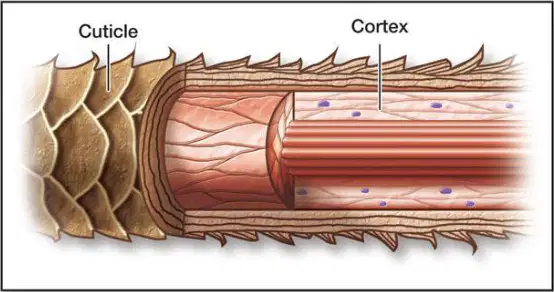
In cosmetology class, Anika and her friends Michael and Avery are on a mission to uncover the secrets of Permanent Wave treatments! Anika is curious about what magical effect alkaline solutions have on hair during this process. What fascinating fact should she discover?
They soften and swell the hair, opening the cuticle.
They harden the hair and close the cuticle.
They have no effect on the hair.
They cause the hair to lose color.
Abigail and Daniel are exploring the effects of permanent wave solutions on hair! Can you guess how acid solutions work their magic compared to alkaline ones?
They result in far less swelling of the hair.
They cause more swelling than alkaline solutions.
They have the same effect as alkaline solutions.
They completely dissolve the hair.
In a trendy hair salon, Luna and Mason are exploring the fascinating process behind a Permanent Wave treatment that breaks disulfide bonds in the cortex of hair. Can you help them identify what this intriguing chemical reaction is called?
Oxidation
Reduction
Hydrolysis
Polymerization
In a thrilling hair salon experiment, Sophia and Liam are observing a fascinating chemical reaction during a permanent wave treatment. Can you help them figure out what reduction involves in this reaction?
Addition of oxygen
Removal of hydrogen
Addition of hydrogen or removal of oxygen
Removal of nitrogen
Anika is learning about Permanent Waves in her cosmetology class. She's eager to find out which ingredient is the most common reducing agent used in these solutions. Can you help her discover it?
Ammonium thioglycolate
Hydrochloric acid
Thioglycolic acid
Sulfuric acid
In the bustling school lab, Emma and her friends David and Grace are on a mission to uncover the mysteries of chemistry. Today, they're exploring the wonders of hair styling! Emma adds a dash of ammonia to thioglycolic acid, a key ingredient in a Permanent Wave solution. What magical compound do they create?
Hydrochloric acid
Ammonium thioglycolate
Sulfuric acid
Sodium chloride
Lily is on a mission to become the ultimate hair stylist at her salon. She's diving into the world of hair treatment chemicals and is curious about the magical potion known as Permanent Wave used in hair perming solutions. Can you help her discover its true characteristic?
It is acidic
It is neutral
It is alkaline
It is metallic

In cosmetology class, Olivia and Luna are on a quest to discover the secrets of permanent waves! Can you help them find out the pH range for a true acid wave?
4.5–7.0
6.5–7.0
7.8–8.2
9.0–9.6
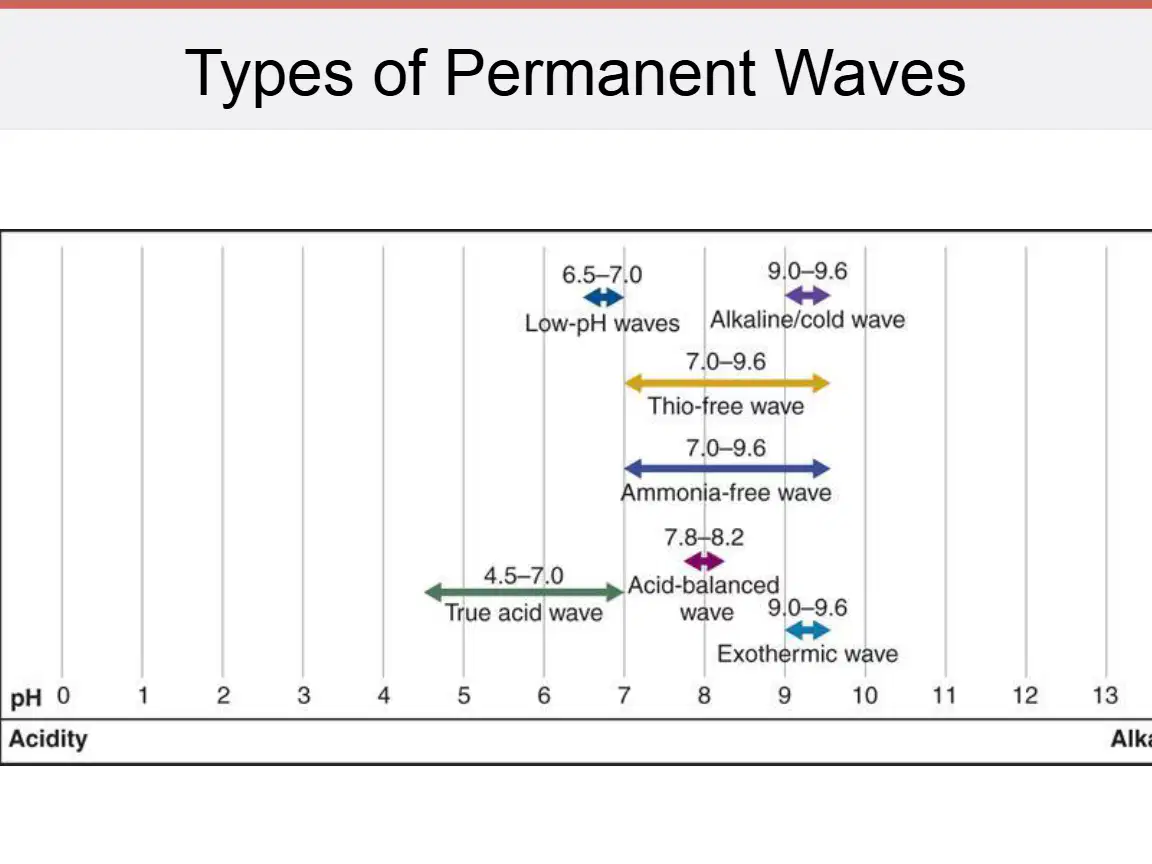
Grace and Liam are on a quest to discover the secrets of fabulous hair! They stumbled upon a mysterious permanent wave with a pH range of 9.0–9.6. Can you help them figure out which type of wave it is?
Acid-balanced wave
Low-pH wave
Alkaline/cold wave
True acid wave

Emma and Mia are exploring different types of permanent waves in their cosmetology class. They're curious: What is the pH range for an acid-balanced wave?
6.5–7.0
7.8–8.2
4.5–7.0
9.0–9.6
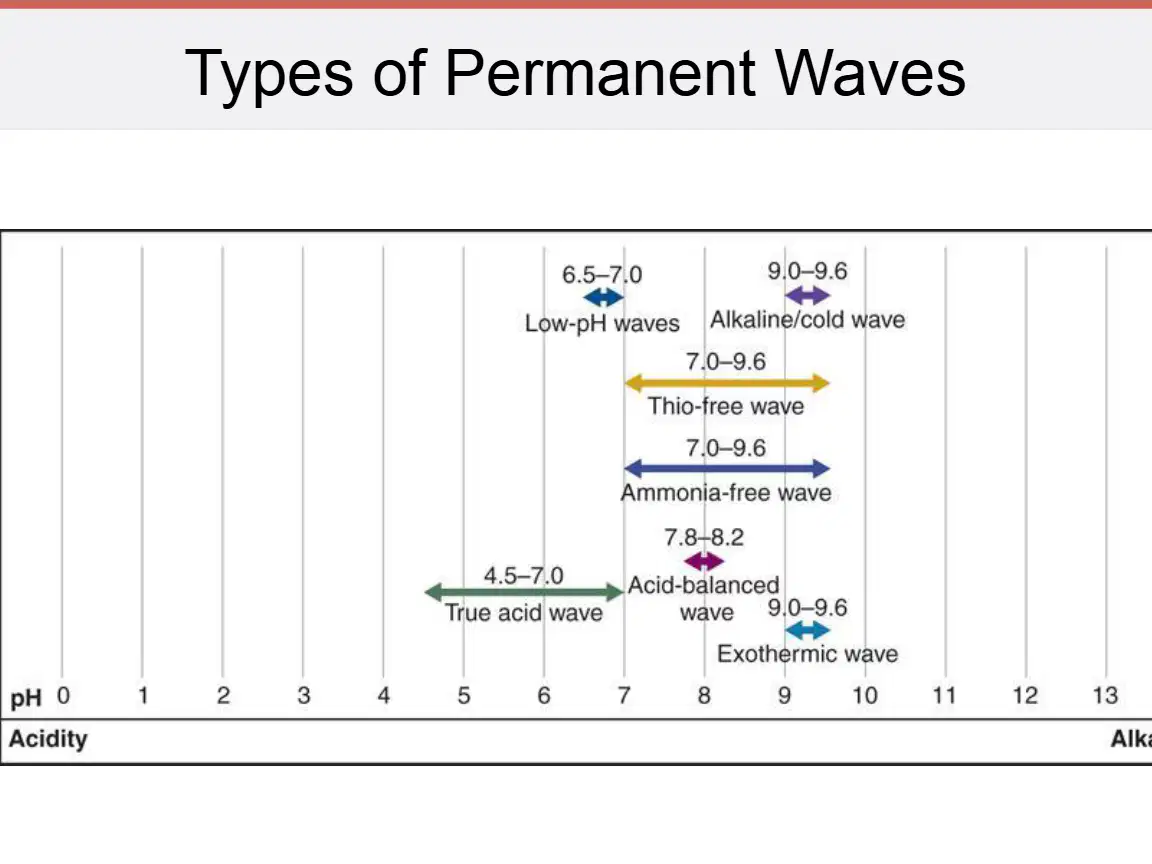
In her cosmetology class, Anika is on a mission to master the art of permanent waves! She discovers a mysterious type of wave with a pH range of 6.5–7.0. Can you help Anika identify this wave?
Thio-free wave
Ammonia-free wave
Low-pH wave
Exothermic wave
Olivia is learning about Permanent Waves in her cosmetology class. She's discovered a type of wave that doesn't require heat to be effective. Can you help her identify which type of Permanent Wave this is?
Acid waves
Alkaline waves
True acid waves
Exothermic waves
Scarlett and her friends Michael and Grace are in their cosmetology class, exploring the wonders of Permanent Waves. They're particularly curious about the type of wave that magically generates its own heat. Can you help them uncover this hair-raising mystery?
Acid waves
Alkaline waves
True acid waves
Exothermic waves
Elijah is on a quest for the perfect curls and wants to choose the Permanent Wave option that is most gentle on his hair. Which type of permanent wave should he choose to keep his hair happy and healthy?
Acid waves
Alkaline waves
True acid waves
Exothermic waves
Charlotte and Grace are exploring the world of hair fashion. They stumbled upon a fascinating topic and are curious to know which of the following is a type of Permanent Wave?
Endothermic waves
Ionic waves
Neutral waves
Acidic waves
Aria and Avery are working in a trendy hair salon and want to impress their clients with a permanent wave product that is gentle on the hair. What is a characteristic of ammonia-free permanent waves?
They contain ammonia
They are high-pH waves
They do not contain ammonia
They are thio-based waves
Sophia and her friends, Michael and Maya, are on a quest to discover the secrets of fabulous hair! They're diving into the world of permanent waves, and Sophia is curious about which type of wave skips the thioglycolate. Can you help her find out?
Thio-free waves
Endothermic waves
Ammonia-free waves
Low-pH waves
Maya and her friends, Priya and Luna, are on a fun quest to discover the secrets of permanent wave treatments! Can you help Maya find out what makes low-pH waves special?
They have a high pH
They are ammonia-based
They have a low pH
They are thio-based

Identify the type of chemical reaction (a)

Balance this equation:
(a) Fe + (b) O2 --> (c) Fe2O3
Label the following item

